Artwork
On ne s'avise jamais de tout
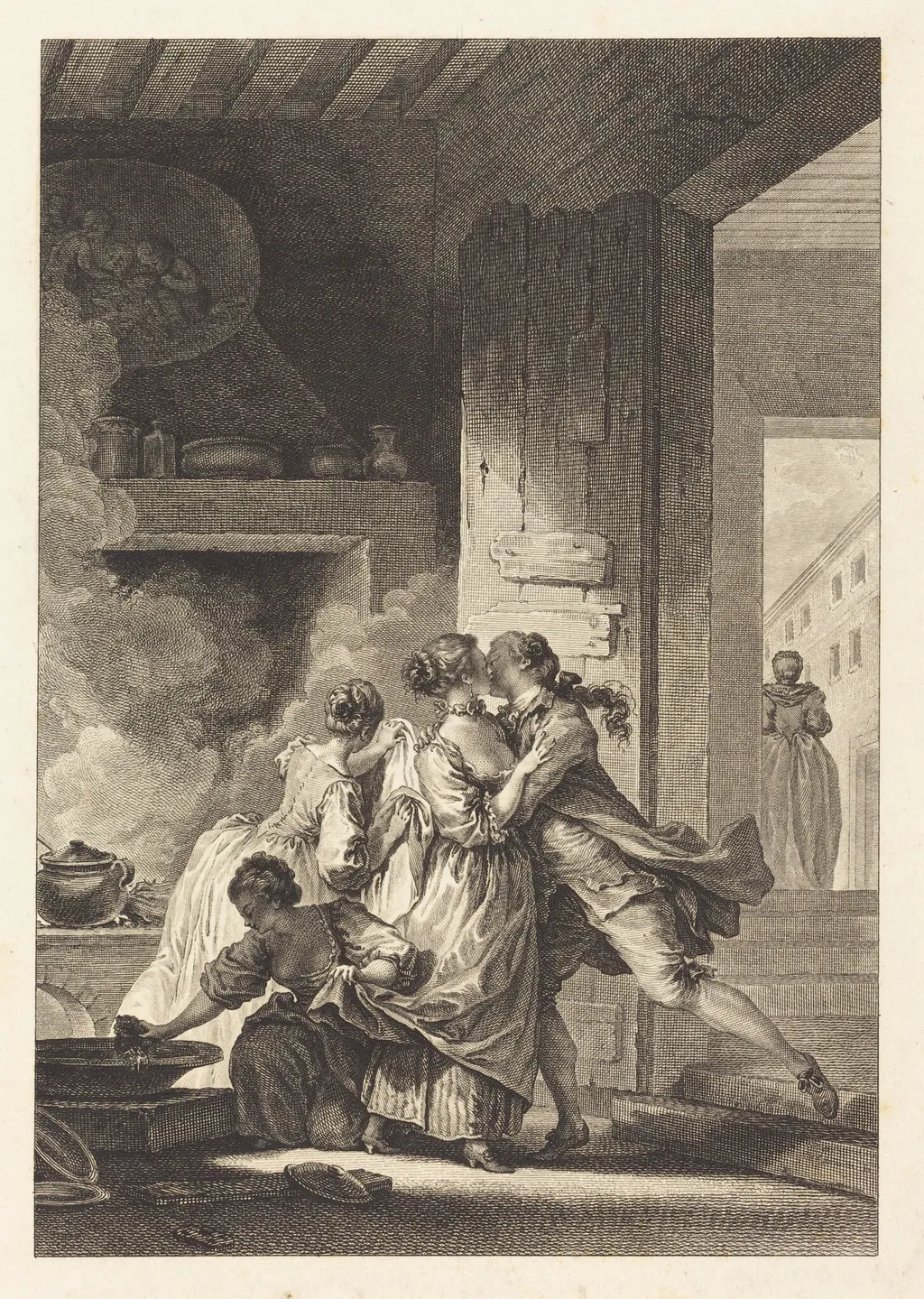
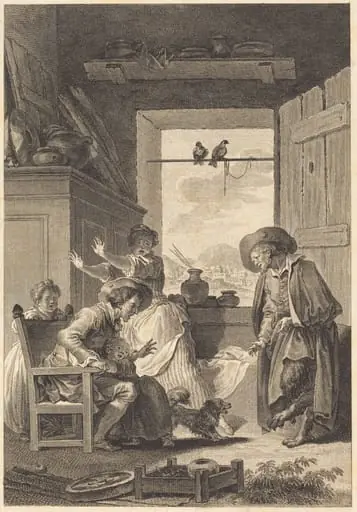
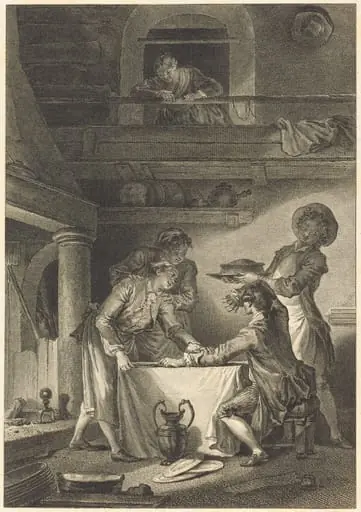
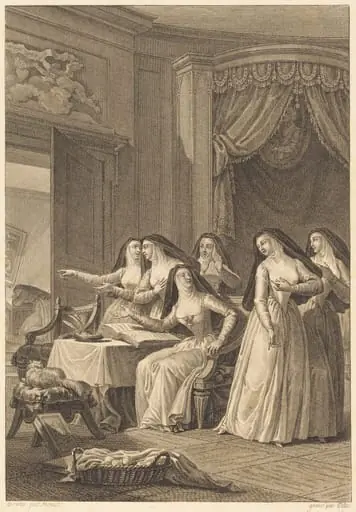
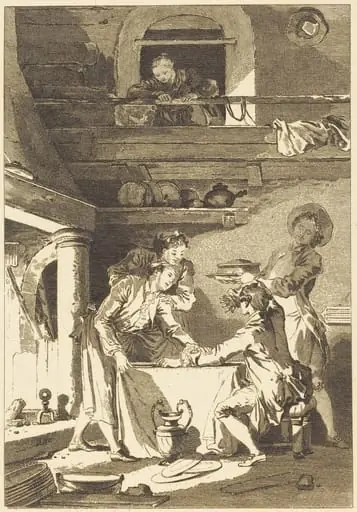
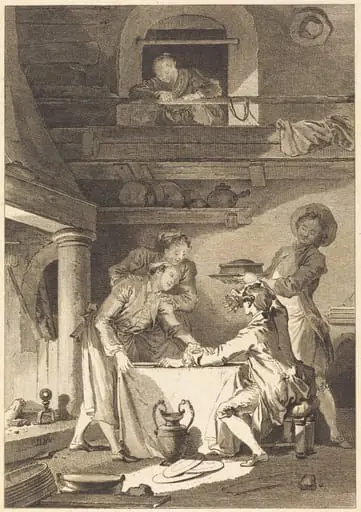
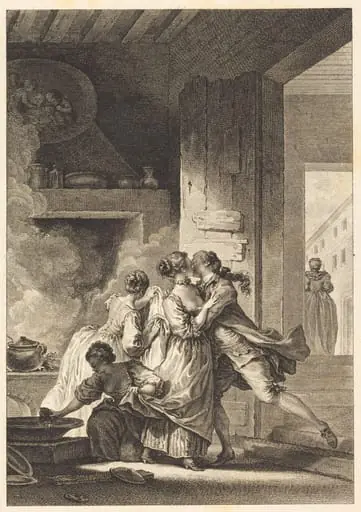
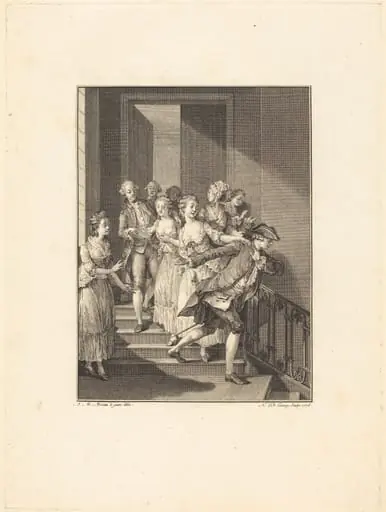
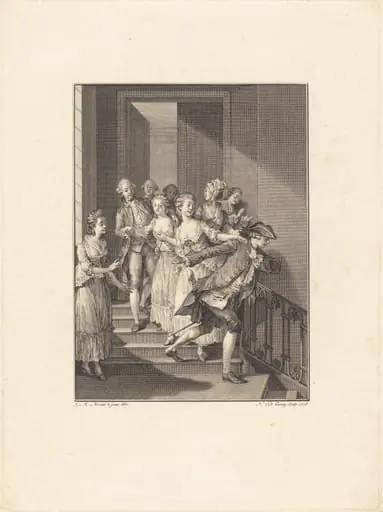
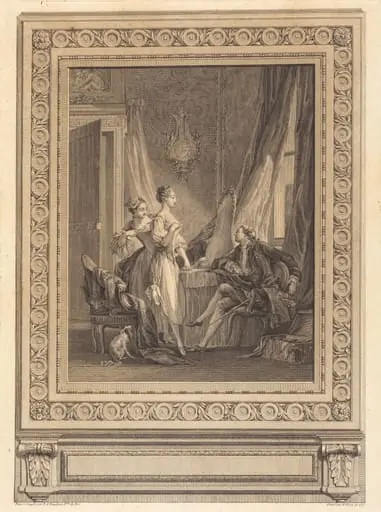
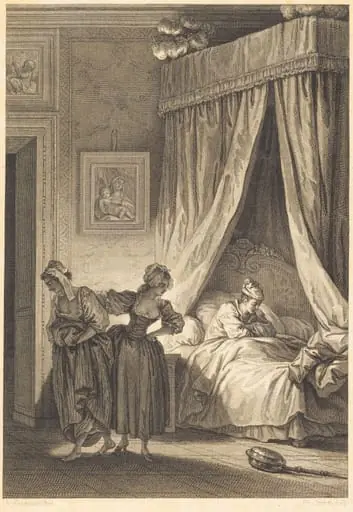
On ne s'avise jamais de tout is an ink print by the Baroque artist Charles Emmanuel Patas. It dates from 1773 and is held in the collection of the National Gallery of Art.
About this work
Overview
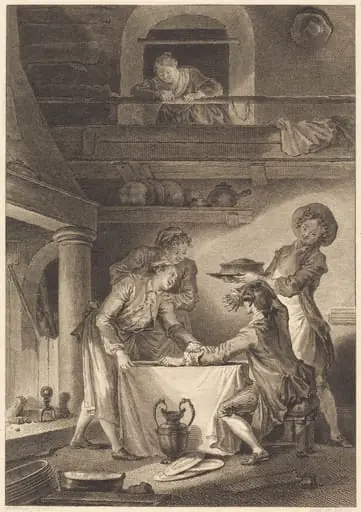
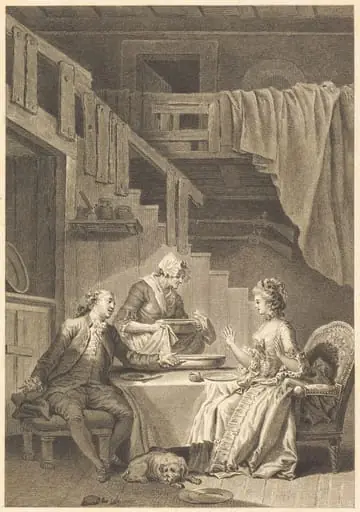
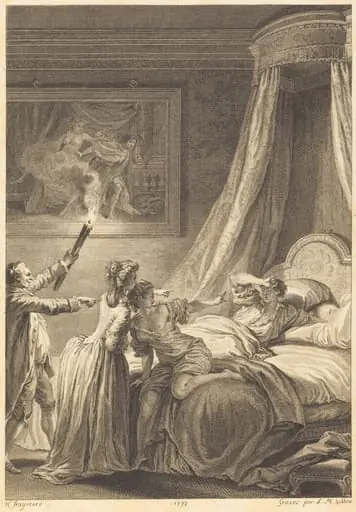
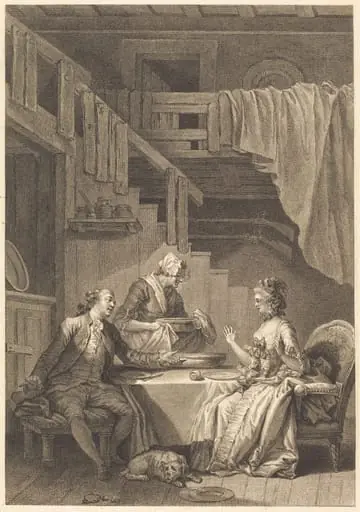
The scene captures a moment of ordinary activity in a kitchen, rendered with careful line work and subtle tonal variation.
Created in 1773 by Charles Emmanuel Patas, this print combines etching and engraving to depict a domestic interior. The scene captures a moment of ordinary activity in a kitchen, rendered with careful line work and subtle tonal variation. Unlike formal portraiture of the period, it focuses on unposed, everyday labor, reflecting a growing interest in the private lives of common people during the late 18th century.
Subject & Meaning
Three women engage in routine tasks: one kneels beside a table, another holds a child, and a third leans from a window to converse with someone outside. The composition suggests a rhythm of domestic life, where duties overlap and attention is divided. The presence of a child and an open window implies connection between the home and the wider world, subtly challenging the notion of the kitchen as a secluded space.
Technique & Style
Patas employed etching and engraving to achieve fine detail and varied texture. Shading through controlled line density conveys the play of light across surfaces—metal pots, fabric, and smoke rising from the hearth. The figures are rendered with loose, observational strokes that avoid idealization, lending the scene a sense of immediacy. The technique prioritizes naturalism over ornamentation, aligning with emerging realist tendencies in printmaking.
History & Provenance
The print was produced in France during a period when domestic scenes gained popularity among collectors and print dealers. While specific early ownership records are scarce, its survival in institutional collections suggests it was appreciated for its observational quality. Patas, known for genre subjects, likely produced this as part of a series documenting everyday life, though no complete set is known to survive.
Context
In the decades before the French Revolution, there was increasing cultural interest in the lives of non-elite populations. Artists and publishers turned to scenes of labor and domesticity as subjects worthy of representation. This print aligns with broader trends in European print culture that valued authenticity over grandeur, reflecting Enlightenment ideals of observation and human experience.
Legacy
Though Patas is not widely remembered today, this work contributes to a quieter tradition of 18th-century printmaking that documented ordinary life with quiet dignity. Its emphasis on unidealized figures and domestic space anticipates later realist movements in art. The print remains a quiet testament to the value placed on the unseen rhythms of daily existence in pre-revolutionary France.
Artist & collection