Artwork
View on the Rhine
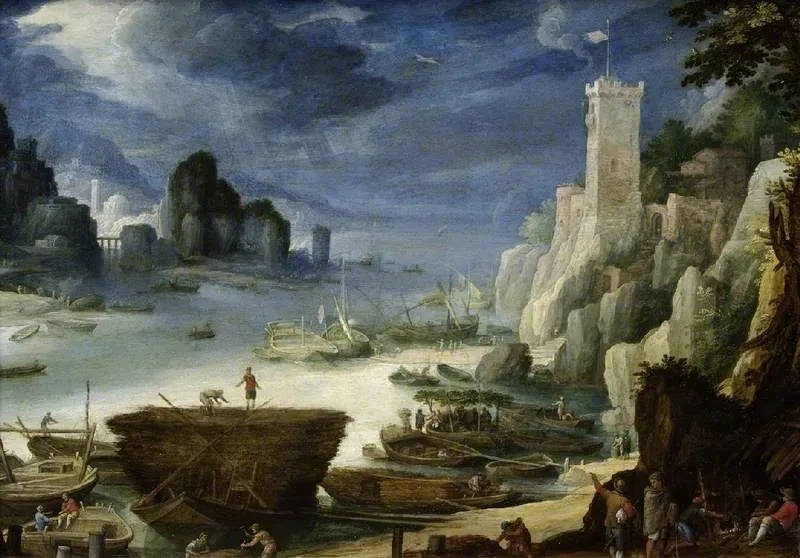
View on the Rhine is an oil painting by the Flemish Baroque painting artist Paul Bril. It dates from 1601 and is held in the collection of the Fitzwilliam Museum.
About this work
Overview
The work depicts a riverine scene with distant hills, a fortified castle perched on a cliff, and figures engaged in everyday activities along the shore.
Painted around 1601 on copper, View on the Rhine is a small-scale landscape by Paul Bril, now in the Fitzwilliam Museum. The work depicts a riverine scene with distant hills, a fortified castle perched on a cliff, and figures engaged in everyday activities along the shore. Boats drift on the water, and the sky, softly rendered with scattered clouds, contributes to a tranquil mood. The choice of copper as a support allowed for fine detail and a luminous finish.
Subject & Meaning
The scene presents an idealized view of the Rhine valley, blending natural beauty with human presence. The castle suggests historical or noble association, while the figures—fishing, walking, or resting—emphasize harmony between people and landscape. There is no specific narrative, but the composition invites contemplation of place and time, reflecting early 17th-century European tastes for serene, ordered nature.
Technique & Style
Bril employed fine brushwork and a controlled palette to achieve atmospheric depth. Light falls gently across the water and cliffs, modeling forms with subtle gradations rather than stark contrasts. The copper support enhanced the luminosity of pigments, particularly in the sky and reflections. His approach combines Northern European precision with Italianate compositional balance, characteristic of his synthesis of Flemish and Roman influences.
History & Provenance
The painting entered the Fitzwilliam Museum’s collection in the 19th century, having passed through private European collections since its creation. While its early ownership is not fully documented, its small size and high quality suggest it was made for a discerning collector. Bril’s reputation as a landscape painter for Roman patrons likely contributed to its circulation among aristocratic patrons across the continent.
Context
Created during Bril’s time in Rome, the work reflects the growing European interest in idealized landscapes as subjects worthy of artistic attention. Artists like Bril helped shift landscape from background to primary focus, influenced by classical ideals and the Roman countryside. This painting aligns with a broader trend of topographical idealization, where real locations are rendered with poetic order rather than strict topography.
Legacy
Paul Bril’s landscapes, including this one, influenced later generations of Northern painters who traveled to Italy, such as the Dutch and Flemish artists of the 17th century. His integration of naturalism with compositional harmony laid groundwork for the development of landscape painting as an independent genre. View on the Rhine exemplifies his role in bridging early Netherlandish traditions with the evolving Italianate style.
Artist & collection

Artist
Paul Bril was a Flemish painter and printmaker principally known for his landscapes. He spent most of his active career in Rome. His Italianate landscapes had a major influence on landscape painting in Italy and Northern Europe.

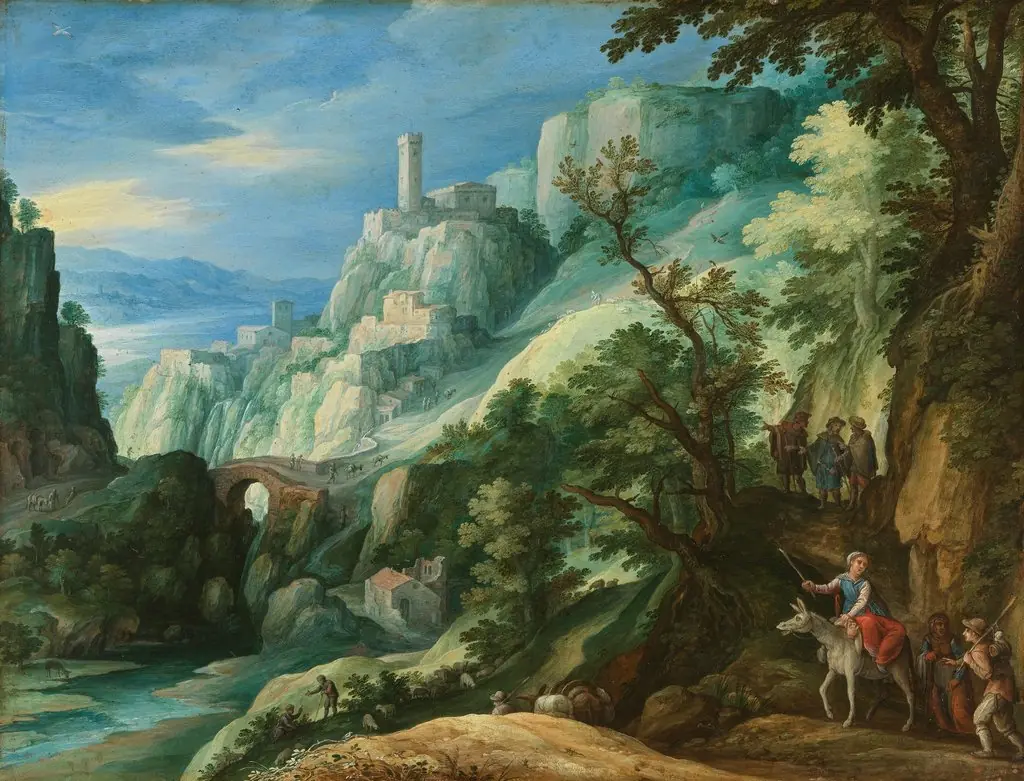
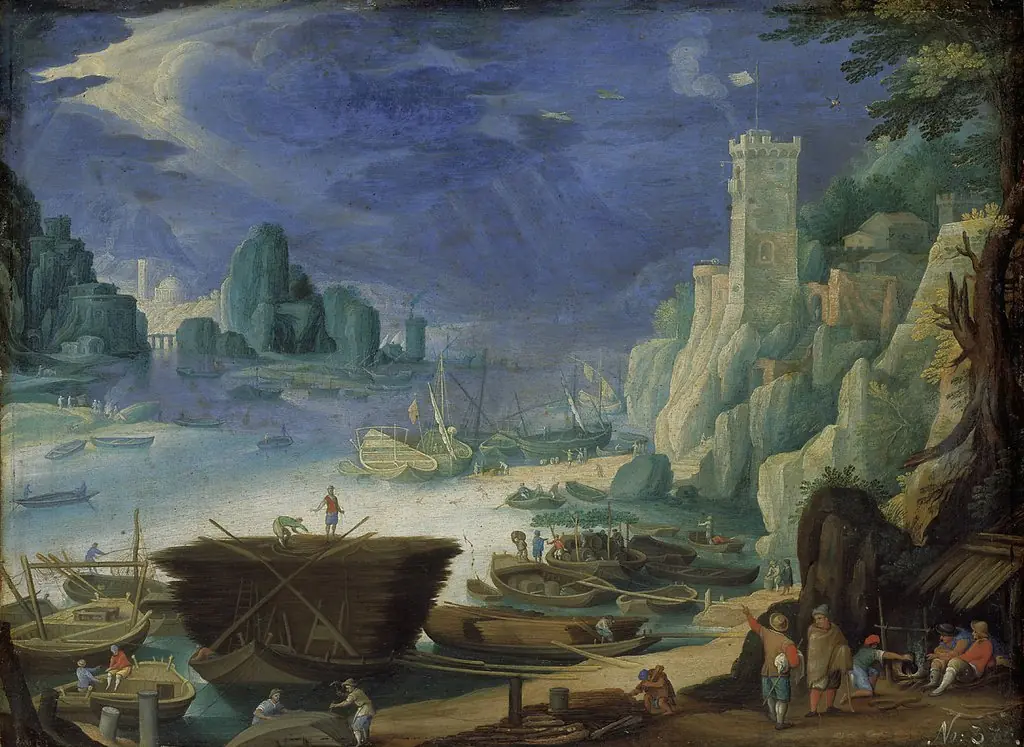 Nächtliche Hafenlandschaft mit Leuchtturm
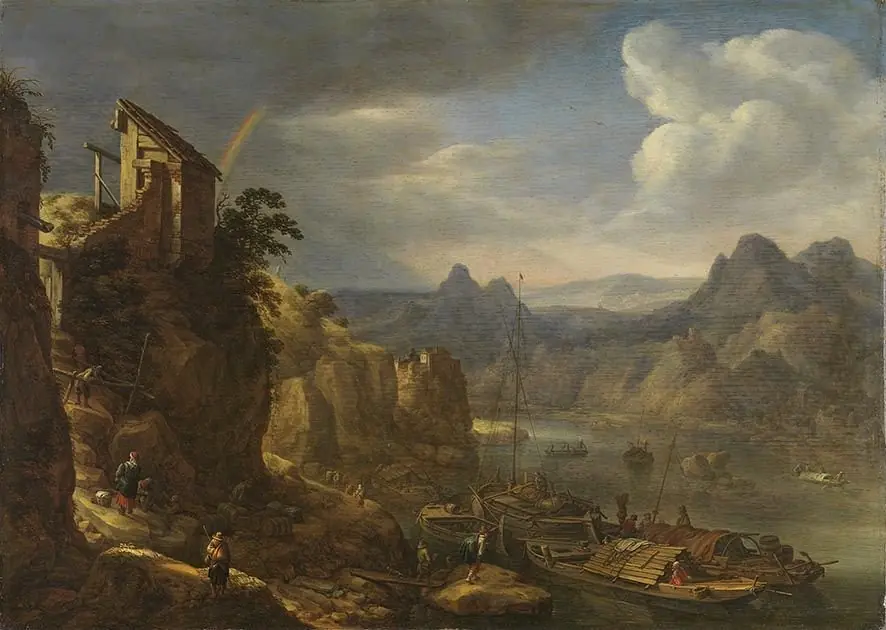 River landscape with rainbow
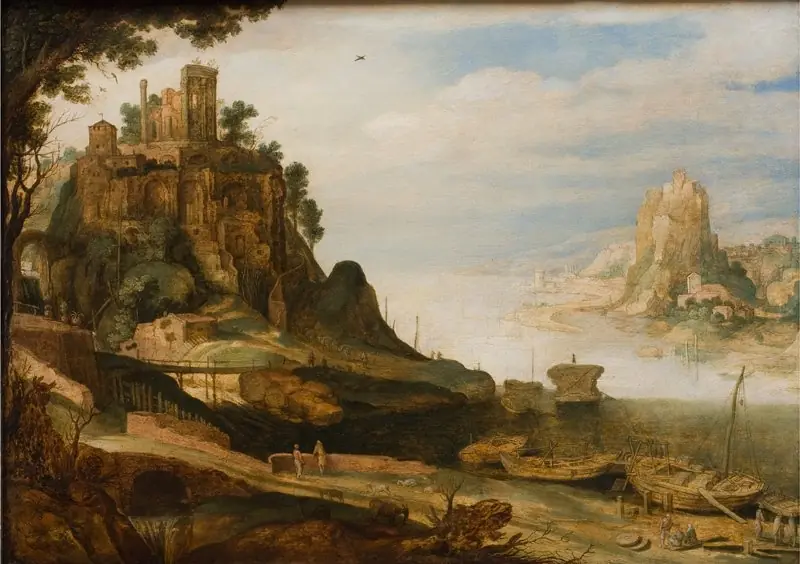 Coast Landscape with the so-called Temple of Sibyl at Tivoli
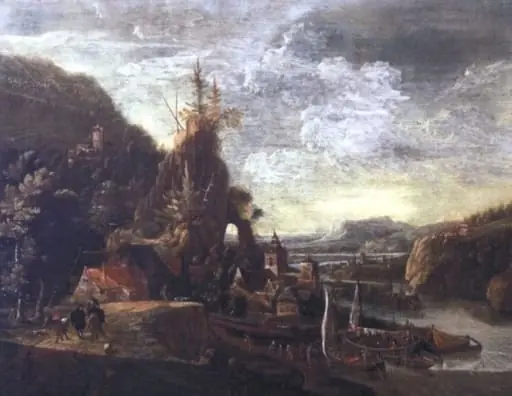 Port la marginea unui râu
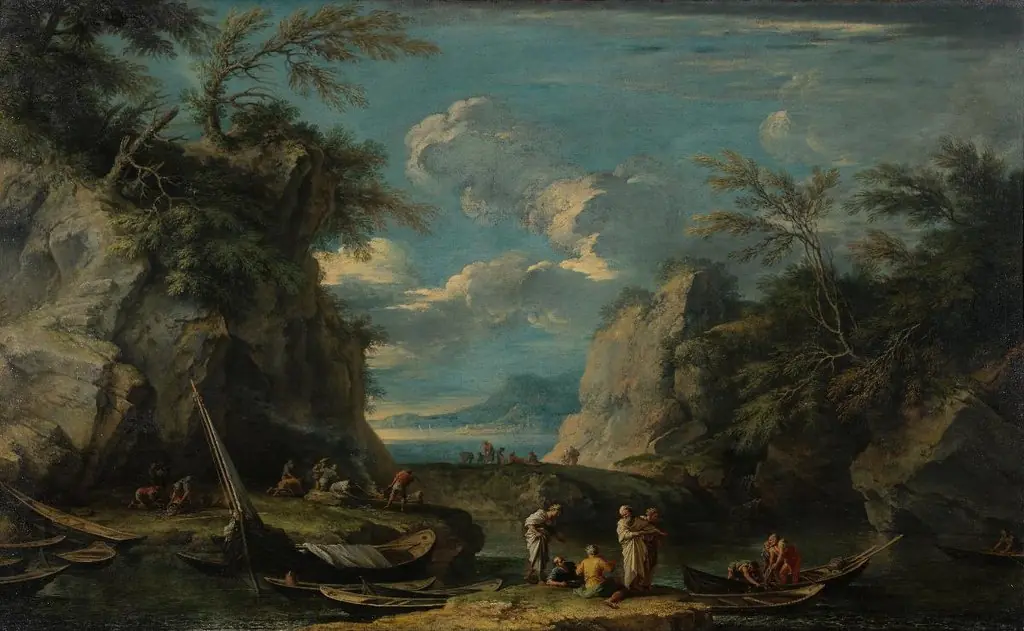 Paesaggio con Pitagora e pescatori
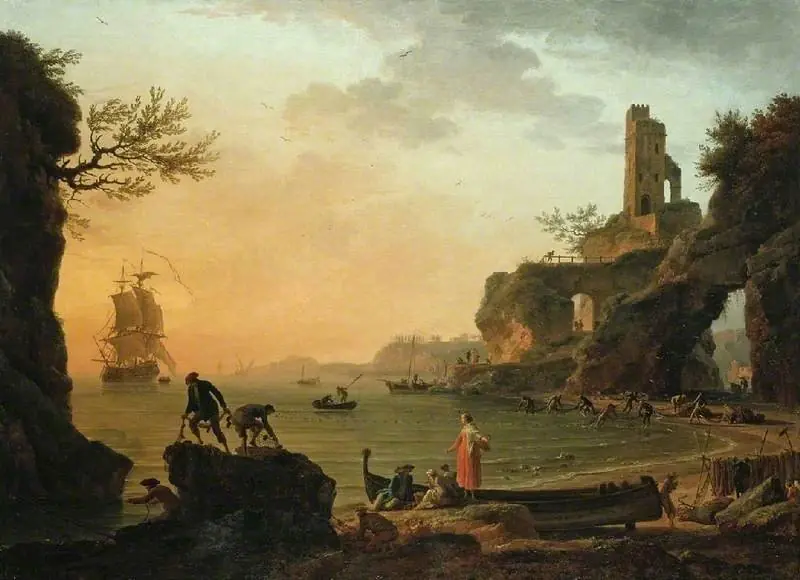 Sunset
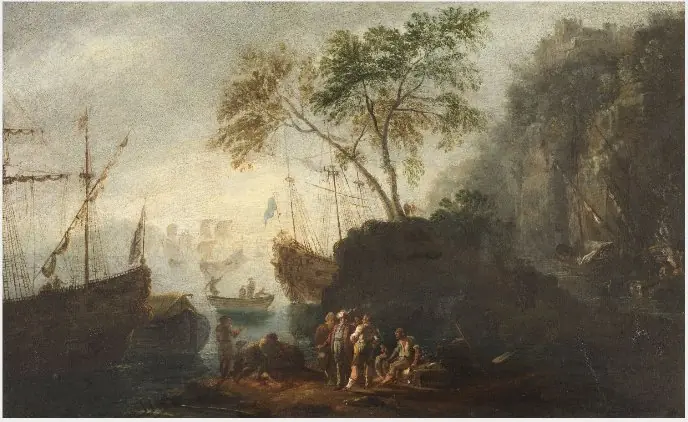 Coast Scene
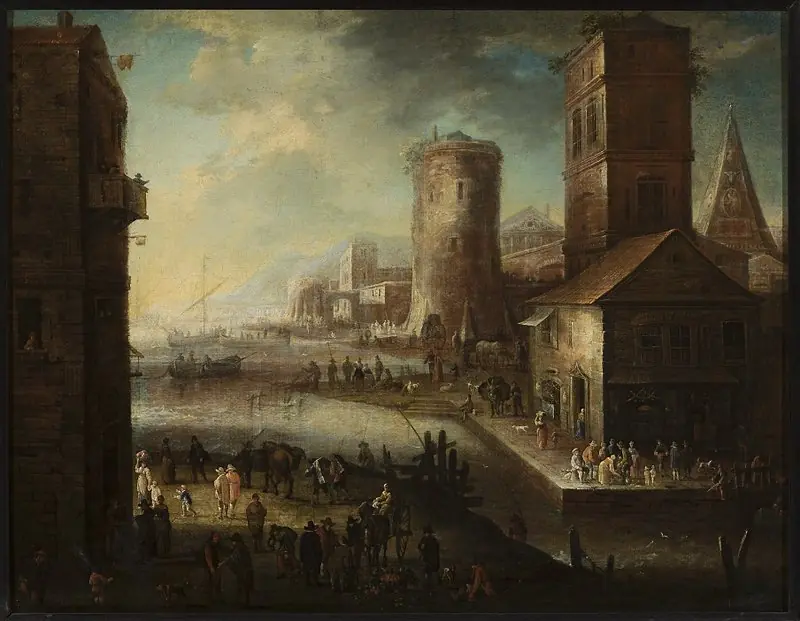 View of a port town
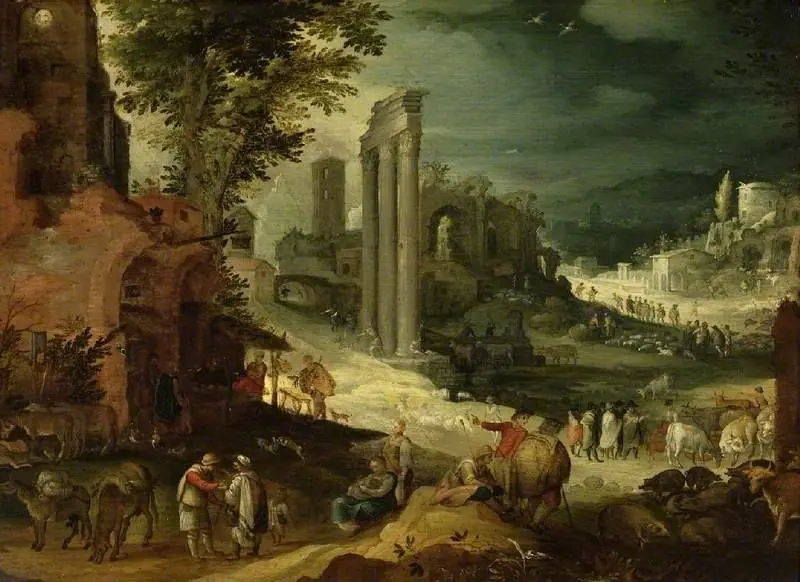 Landscape with Roman ruins
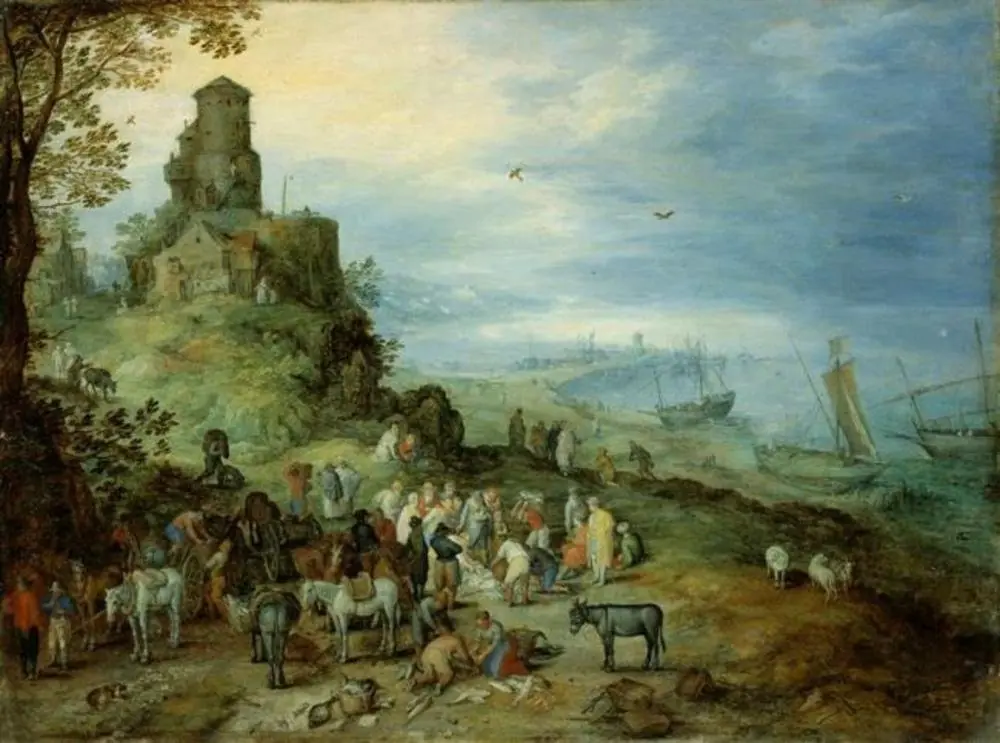 Coastal landscape with the calling of Peter and Andrew