Artwork
Millstone in the Park of the Château Noir
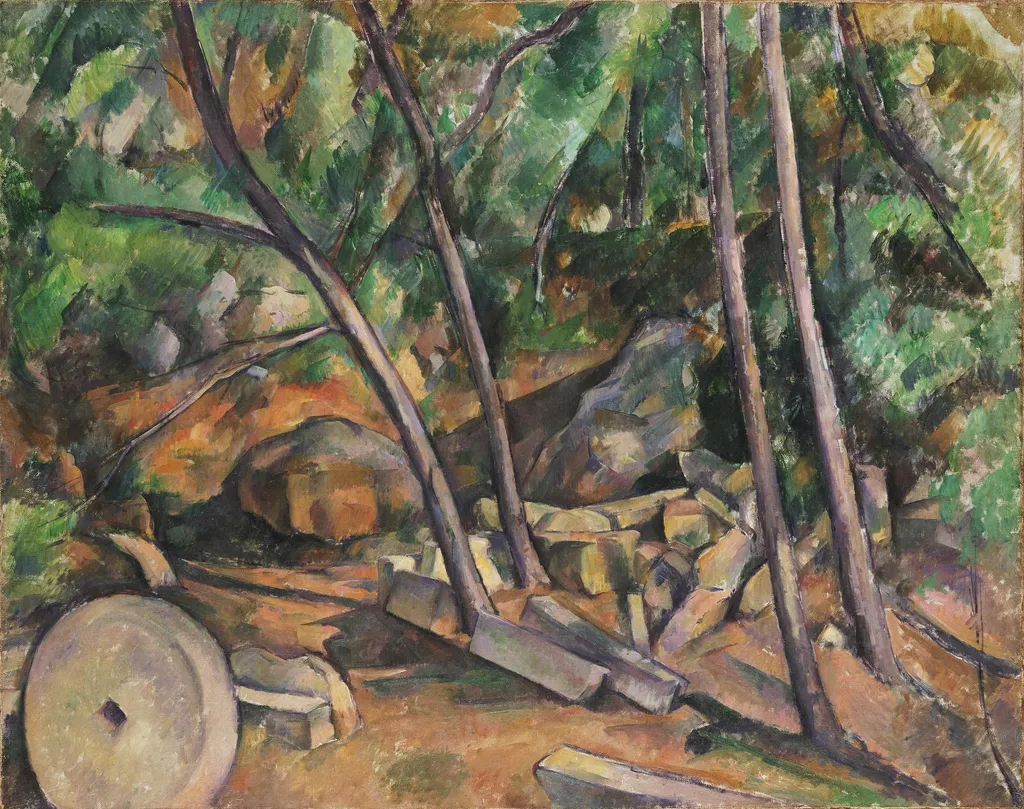
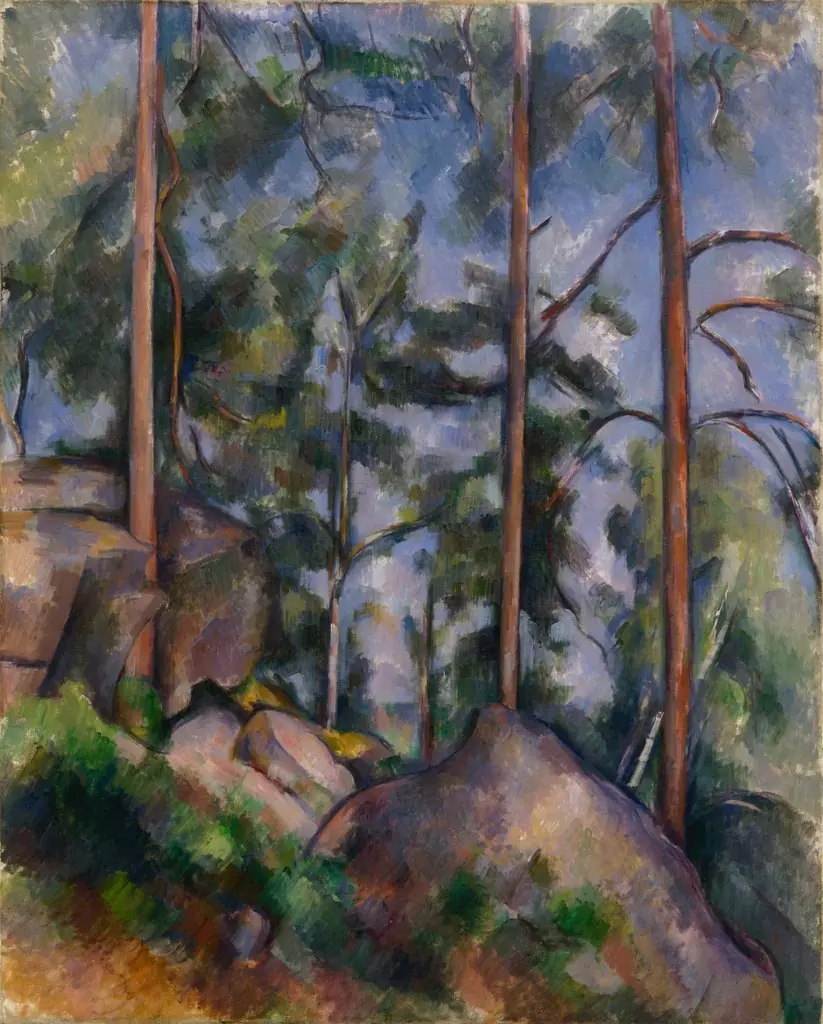
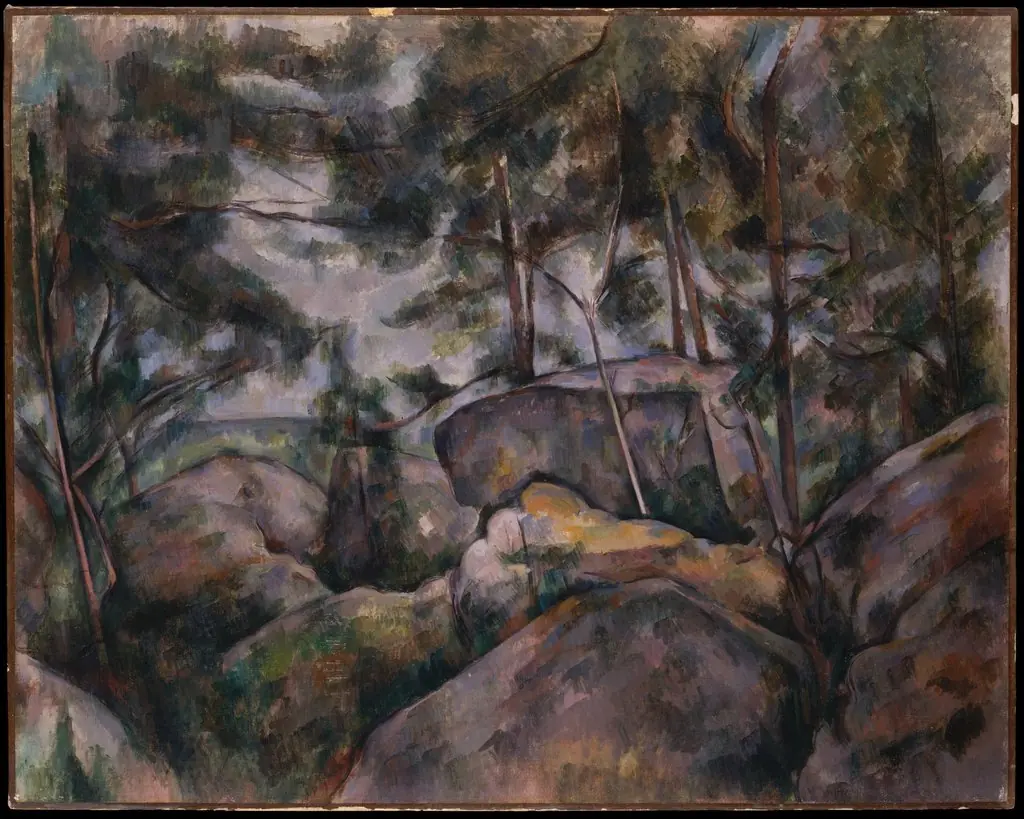
Millstone in the Park of the Château Noir is an oil painting by the Post-Impressionist artist Paul Cezanne. It dates from 1900 and is held in the collection of the Philadelphia Museum of Art.
About this work
Overview
Millstone in the Park of the Château Noir is a 1900 oil-on-canvas landscape by Paul Cézanne, exemplifying his Post-Impressionist style that bridged Impressionism and Cubism.
Subject & Meaning
The painting centers on a weathered millstone situated within the Château Noir's park, a recurring location in Cézanne's late works, exploring the interplay between solid forms and natural light.
Technique & Style
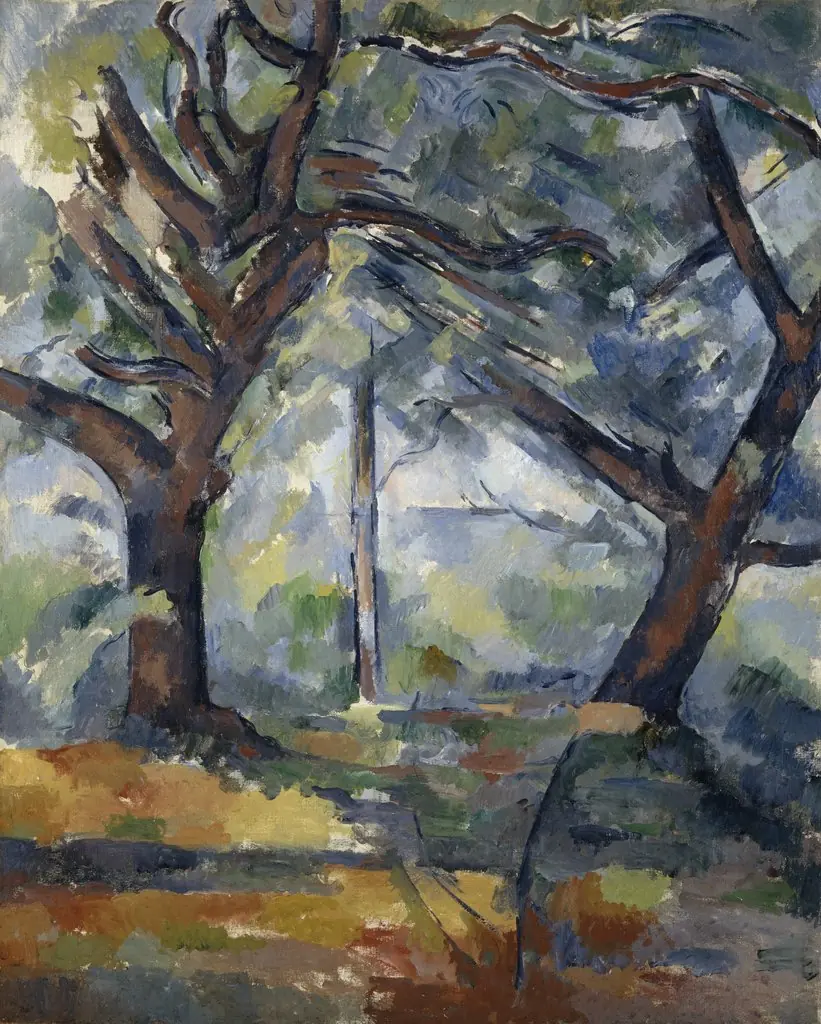
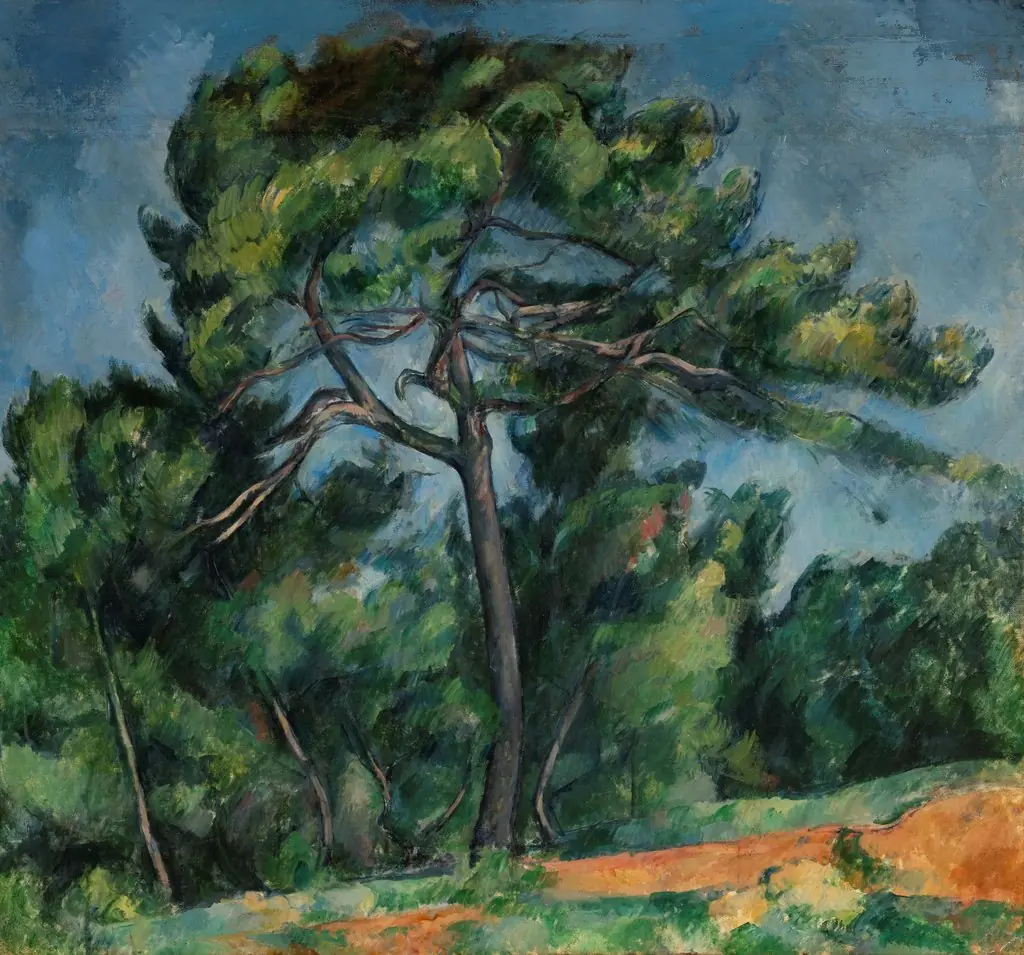
Cézanne employed geometric simplification and emphasized color relationships, departing from Impressionism's focus on fleeting light. The composition balances warm and cool tones, with structured forms (millstone, rocks) contrasted against dynamic foliage.
History & Provenance
Created in 1900, this work reflects Cézanne's analytical approach to nature, characteristic of his early 20th-century output. Specific provenance details are not provided.
Context
Part of Cézanne's late oeuvre, the painting showcases his unique transitional style, influencing the development of Cubism while reflecting his fascination with the Château Noir's landscape.
Legacy
As with many of Cézanne's works from this period, *Millstone in the Park of the Château Noir* contributes to his legacy as a pivotal figure in the evolution of modern art, though its individual impact is not distinctly highlighted beyond this context.
Own this work as a print
Artist & collection
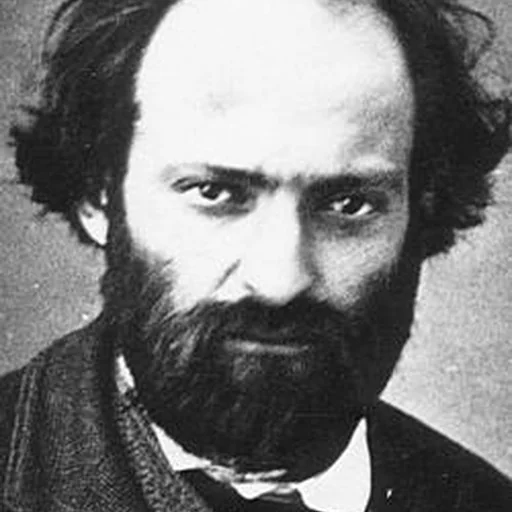
Artist
Paul Cézanne was born on January 19, 1839, in Aix-en-Provence, the son of a hatter turned wealthy banker.

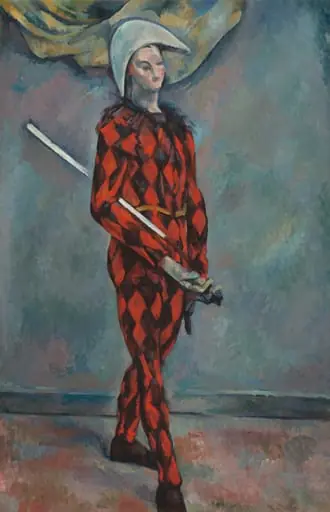 Harlequin
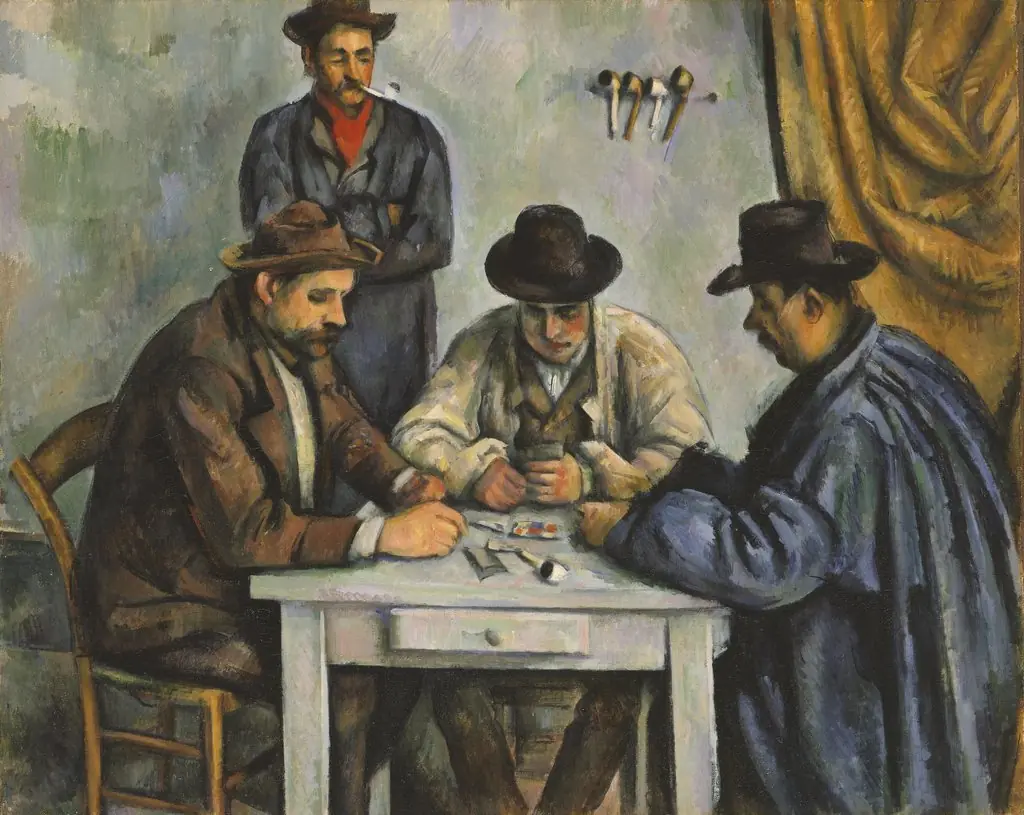 The Card Players
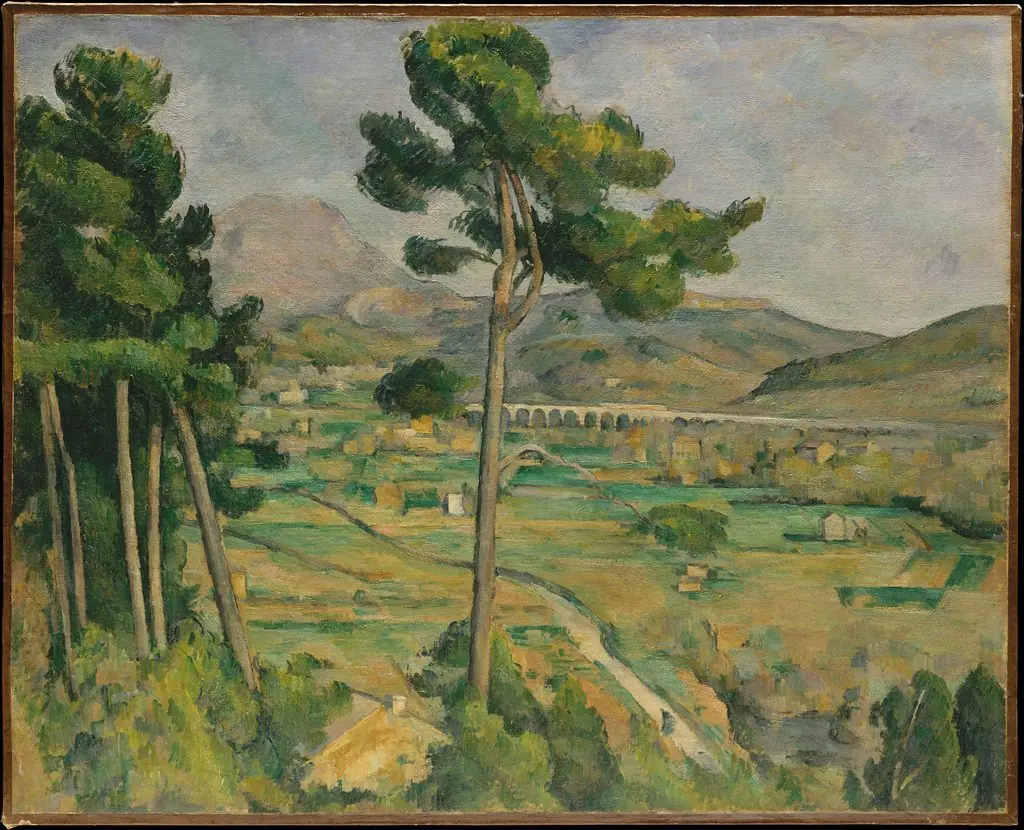 Mont Sainte-Victoire and the Viaduct of the Arc River Valley
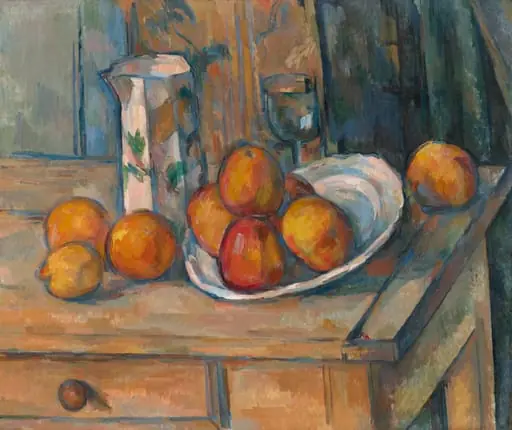 Still Life with Milk Jug and Fruit
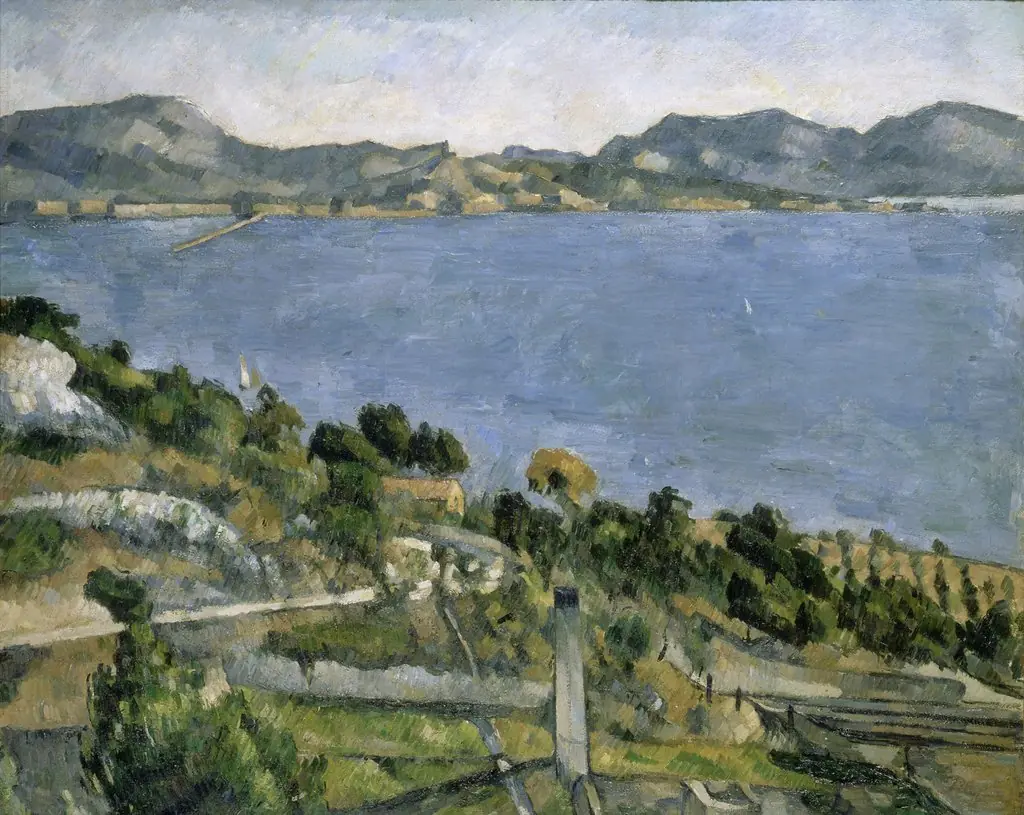 Le Golfe de Marseille vu de l'Estaque (The Gulf of Marseille Seen from L'Estaque)
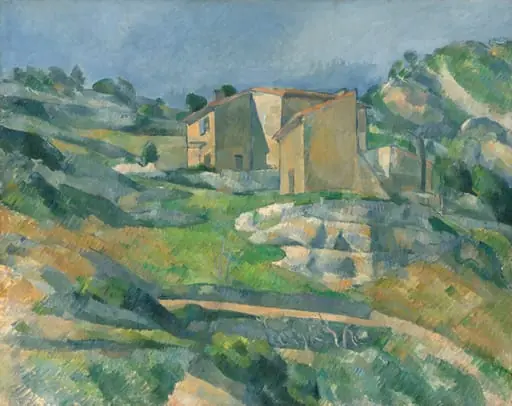 Houses in Provence: The Riaux Valley near L'Estaque
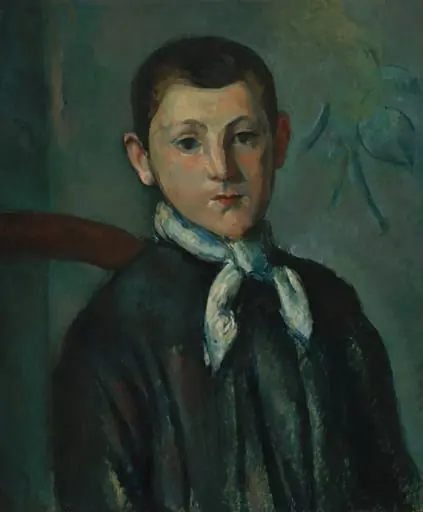 Louis Guillaume
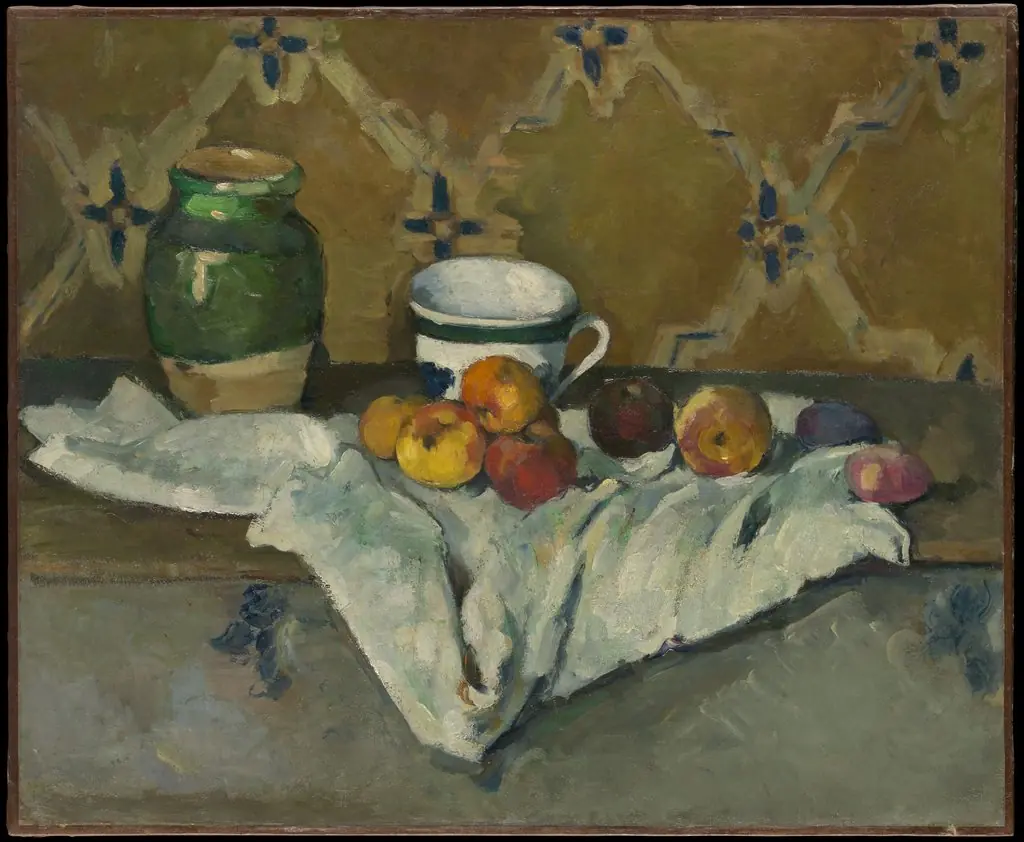 Still Life with Jar, Cup, and Apples