Artwork
Undergrowth
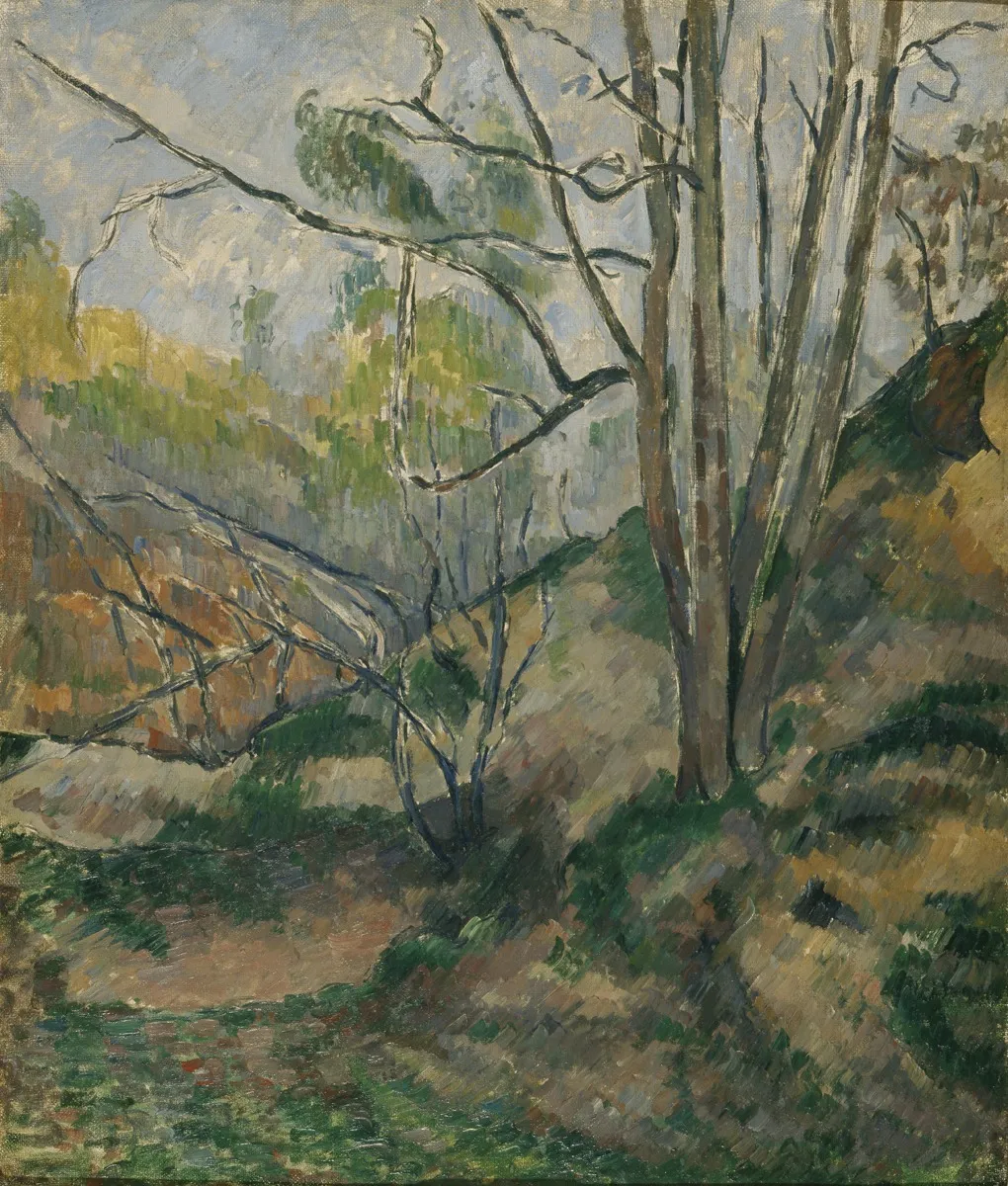
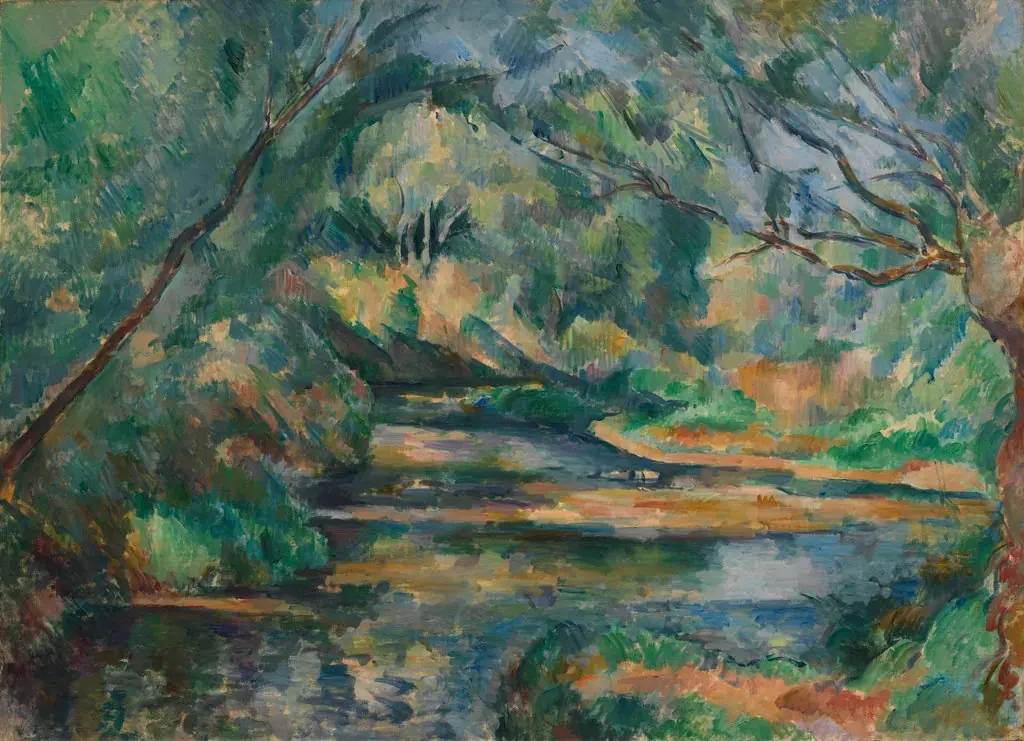
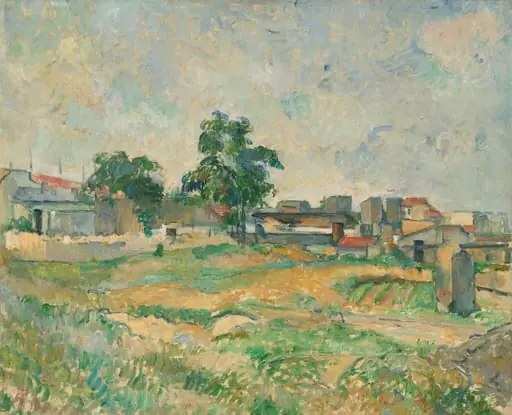
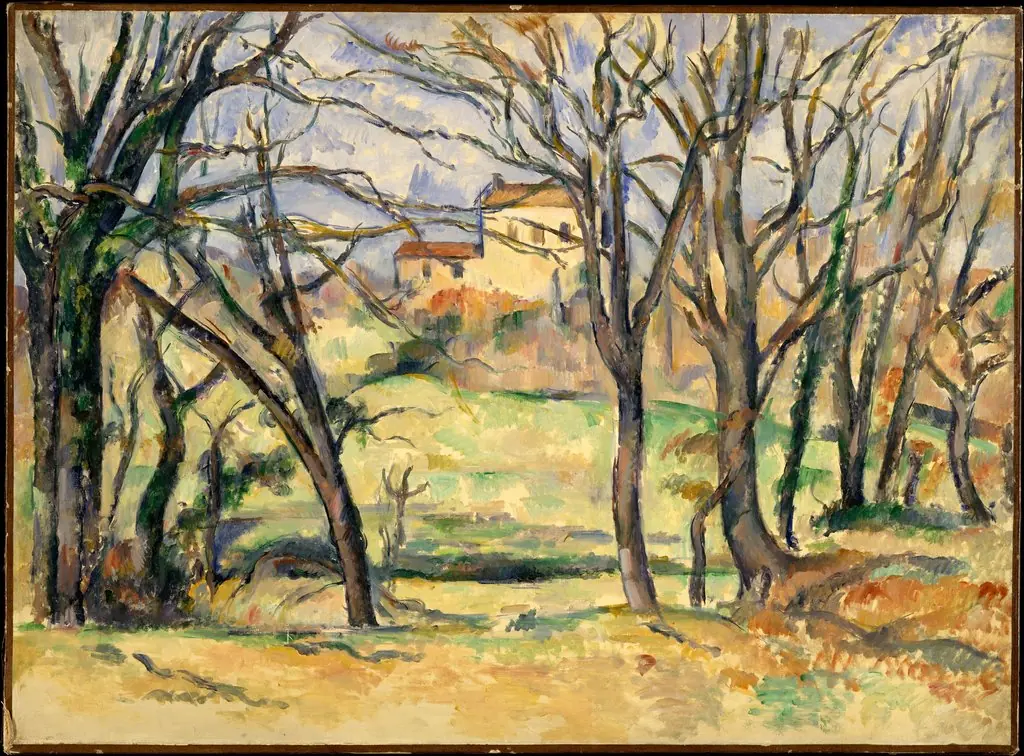
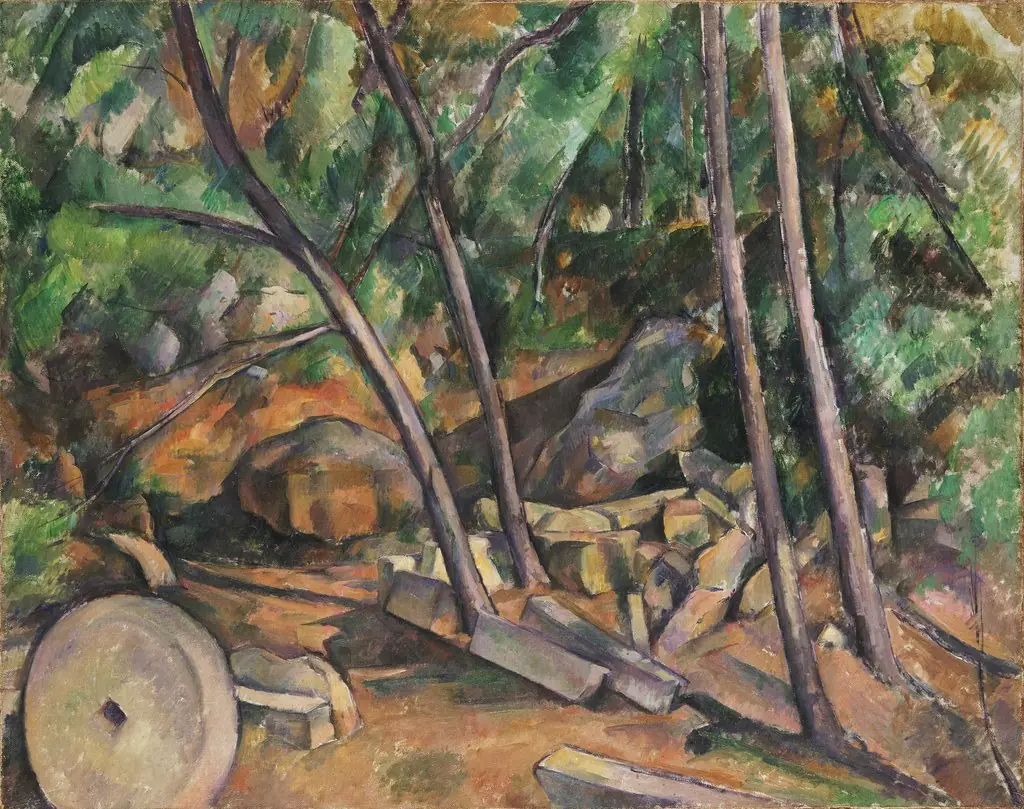
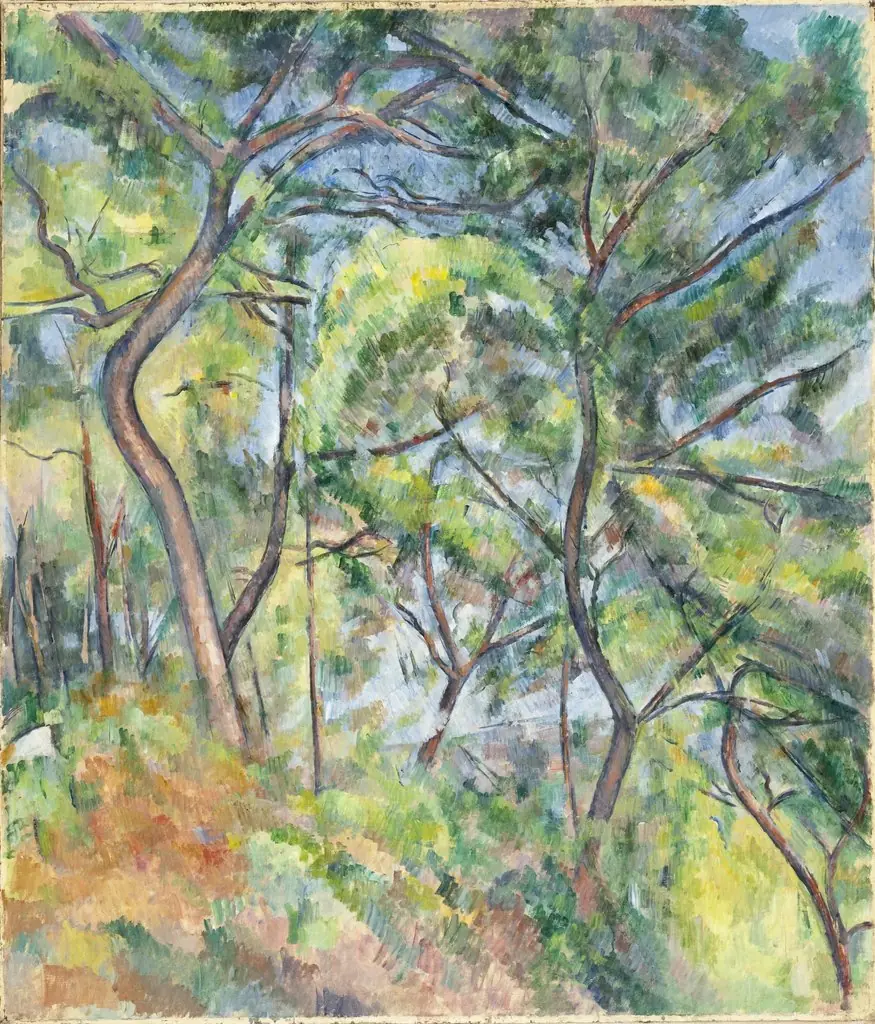
Undergrowth is an oil painting by the Post-Impressionist artist Paul Cezanne. It dates from 1890 and is held in the collection of the Fitzwilliam Museum.
About this work
Overview
Created in 1890, *Undergrowth* is an oil painting by Paul Cézanne that resides in the Fitzwilliam Museum. Executed during the artist’s mature Post‑Impressionist phase, the work exemplifies his systematic investigation of landscape, balancing observation of nature with a developing compositional order.
Subject & Meaning
The canvas depicts a wooded scene where tall trees recede into the background and a thicket of lower shrubs occupies the foreground. The muted greens, browns and grays convey a quiet, natural atmosphere, inviting contemplation of the forest’s layered space and the subtle interplay of foliage and ground.
Technique & Style
The palette and handling reflect a transition from Impressionist light studies toward a more analytical, Cubist sensibility.
Cézanne applies loose, expressive brushwork that conveys movement while maintaining a structural rhythm. His handling of color and texture builds a sense of depth, and the contrast of light and shadow—an echo of chiaroscuro—enhances the volumetric impression of trunks and leaves. The palette and handling reflect a transition from Impressionist light studies toward a more analytical, Cubist sensibility.
History & Provenance
Painted at a time when Cézanne was redefining the relationship between observation and abstraction, *Undergrowth* entered the Fitzwilliam Museum’s collection through acquisition in the early twentieth century. The work’s provenance traces back to the artist’s own studio, marking it as a representative example of his late‑period exploration of natural form.
Artist & collection
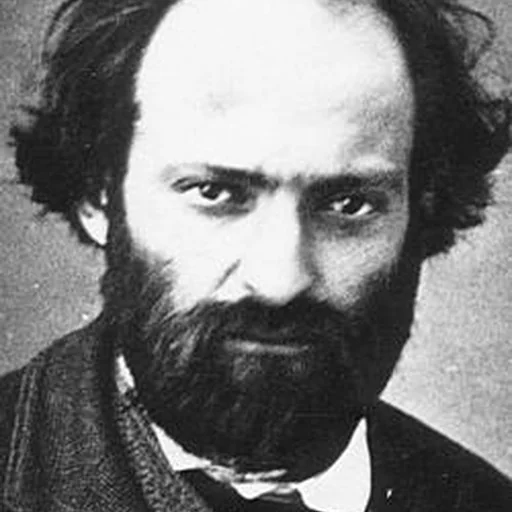
Artist
Paul Cézanne was born on January 19, 1839, in Aix-en-Provence, the son of a hatter turned wealthy banker.

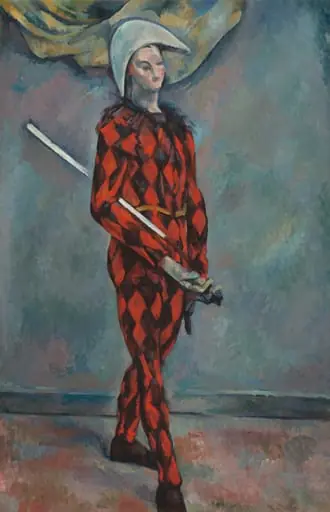 Harlequin
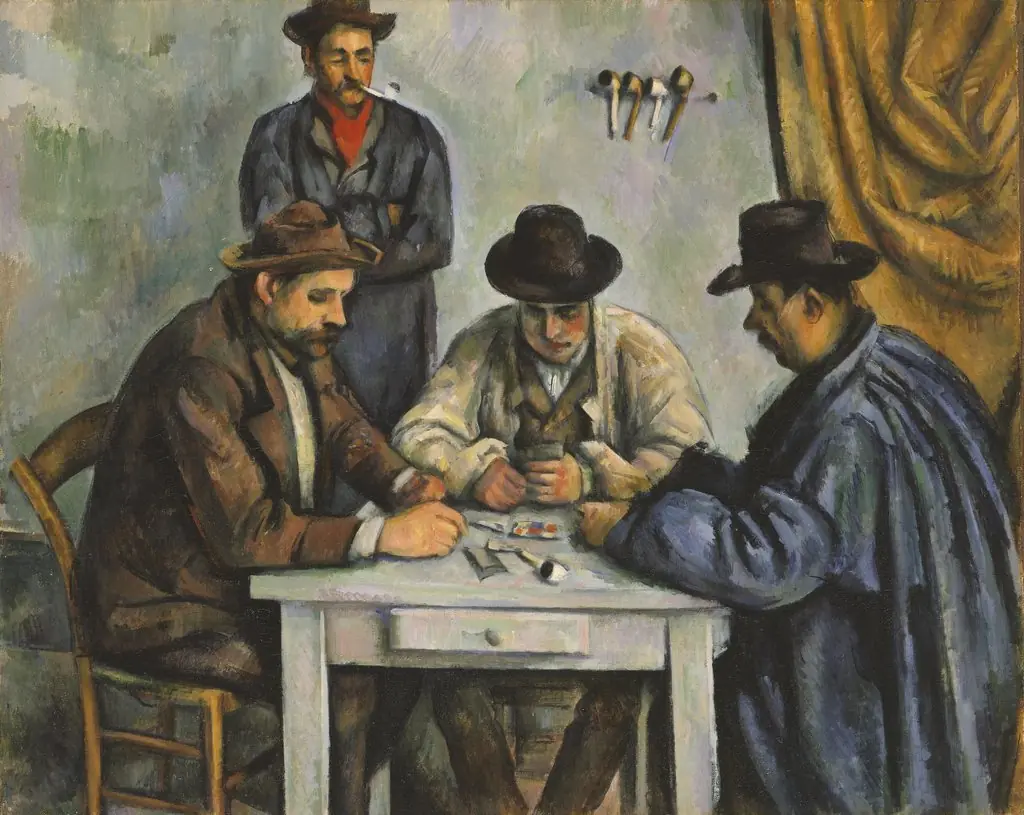 The Card Players
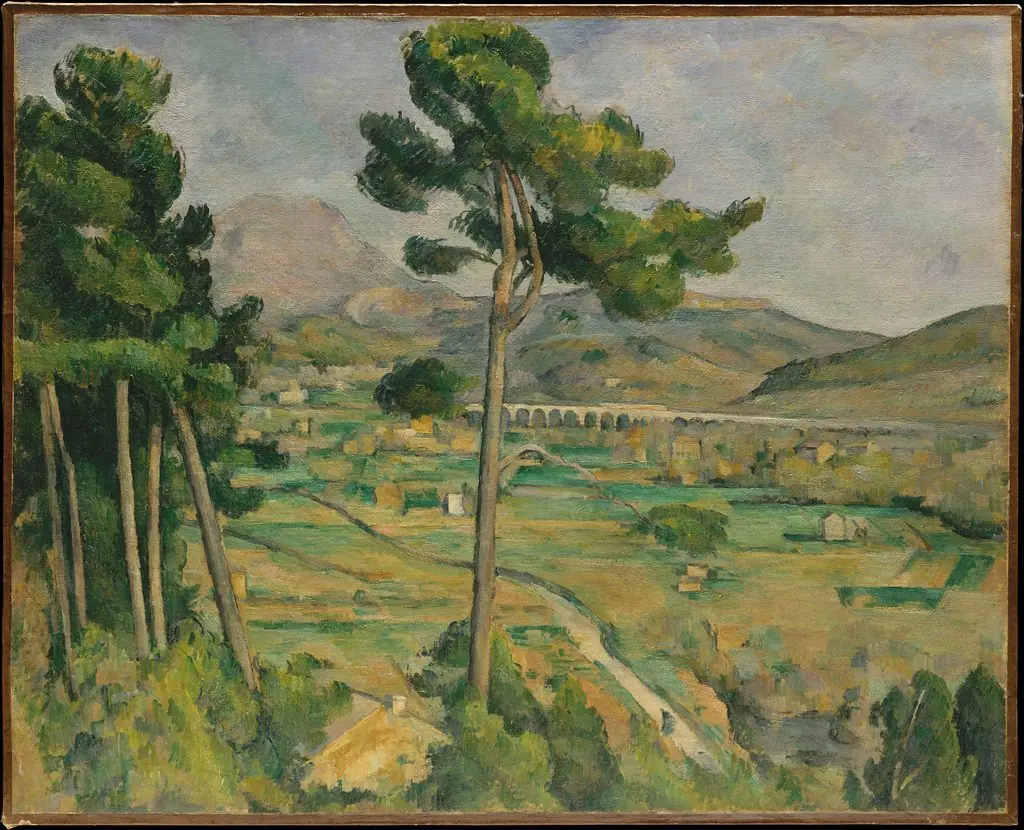 Mont Sainte-Victoire and the Viaduct of the Arc River Valley
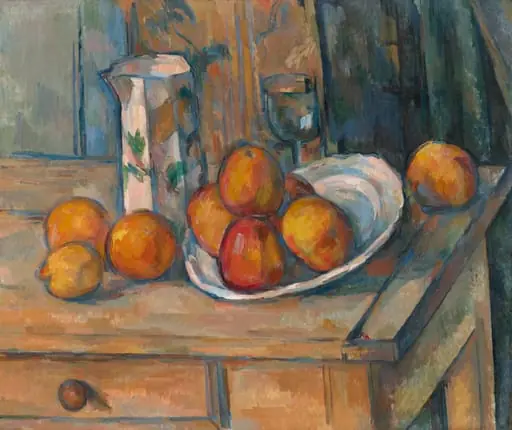 Still Life with Milk Jug and Fruit
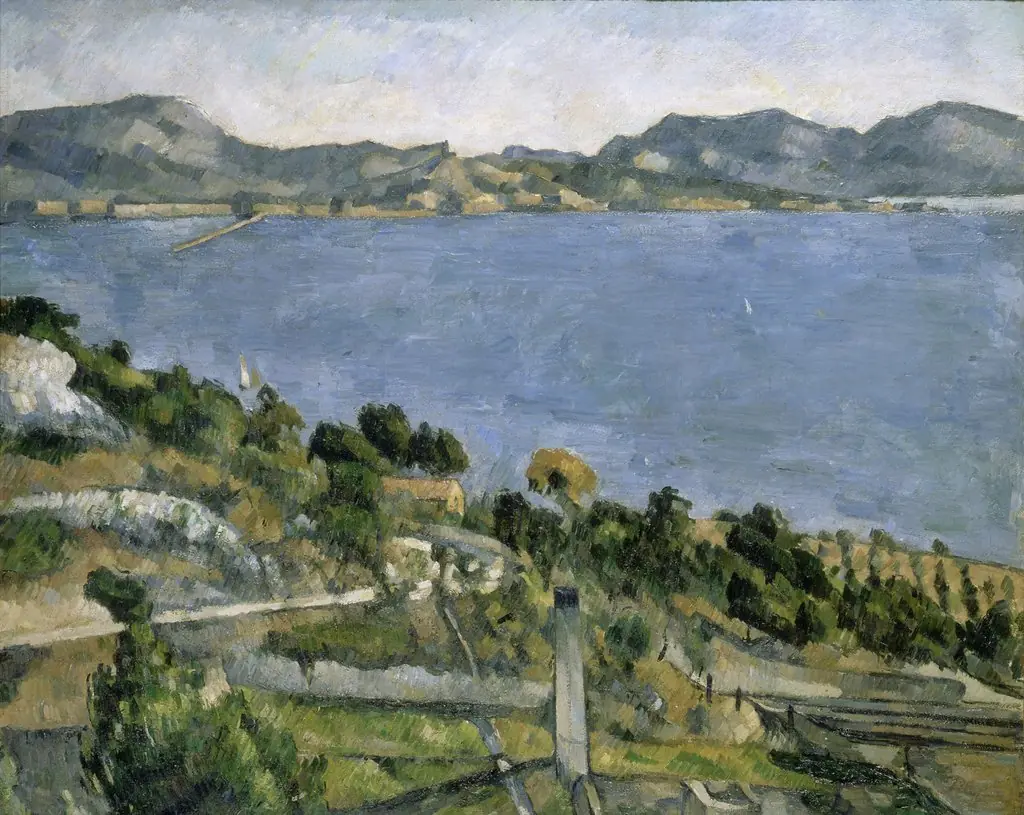 Le Golfe de Marseille vu de l'Estaque (The Gulf of Marseille Seen from L'Estaque)
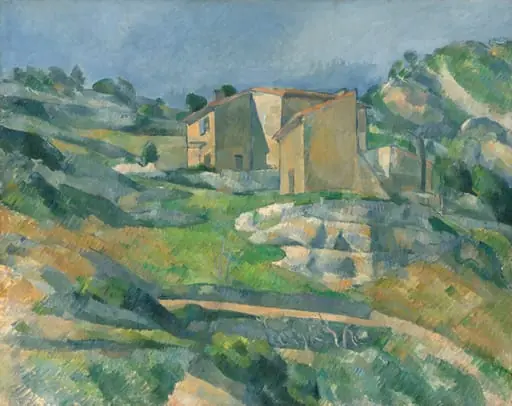 Houses in Provence: The Riaux Valley near L'Estaque
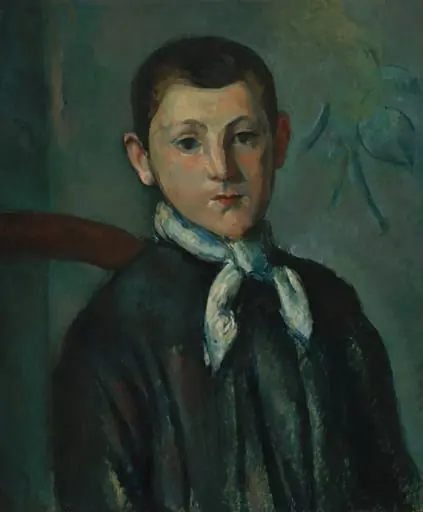 Louis Guillaume
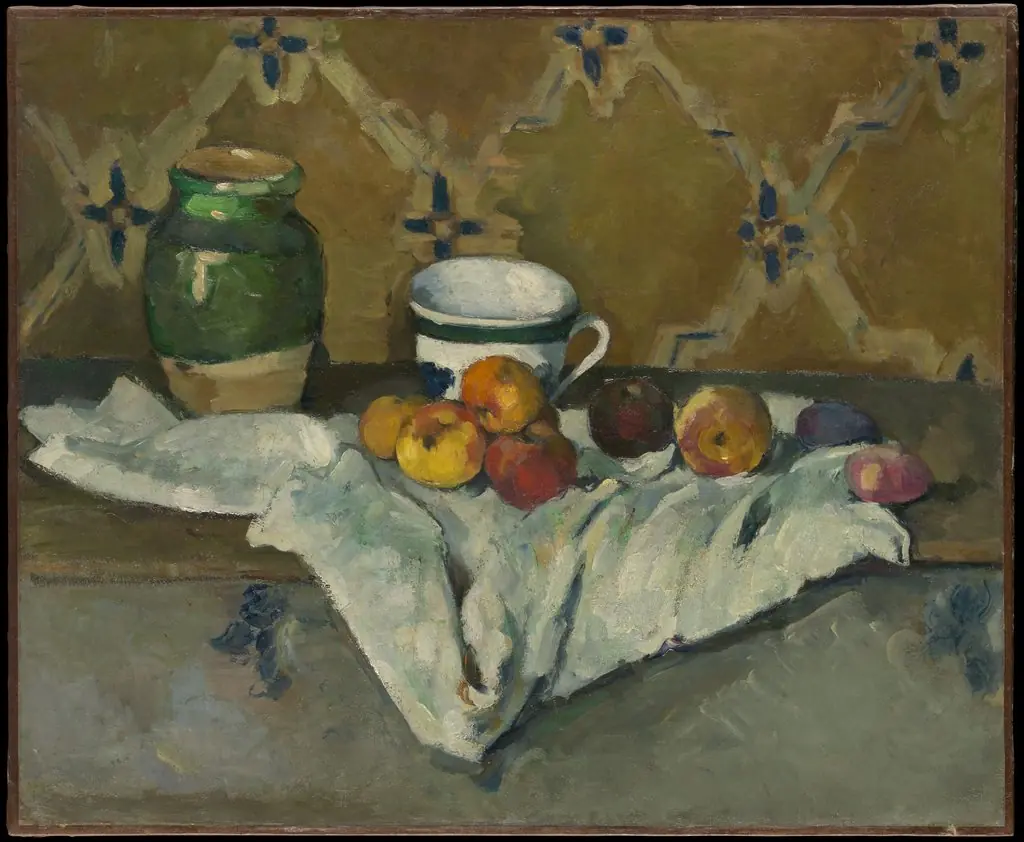 Still Life with Jar, Cup, and Apples