Artwork
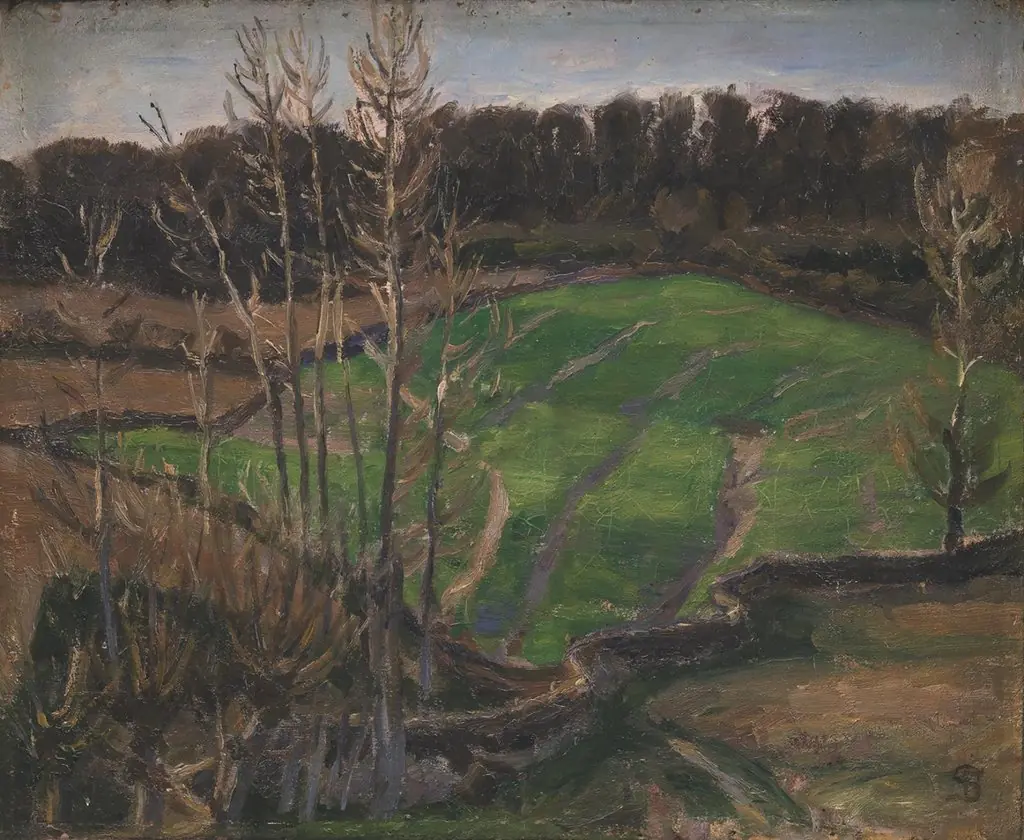
The Bare Trees at Jas de Bouffan
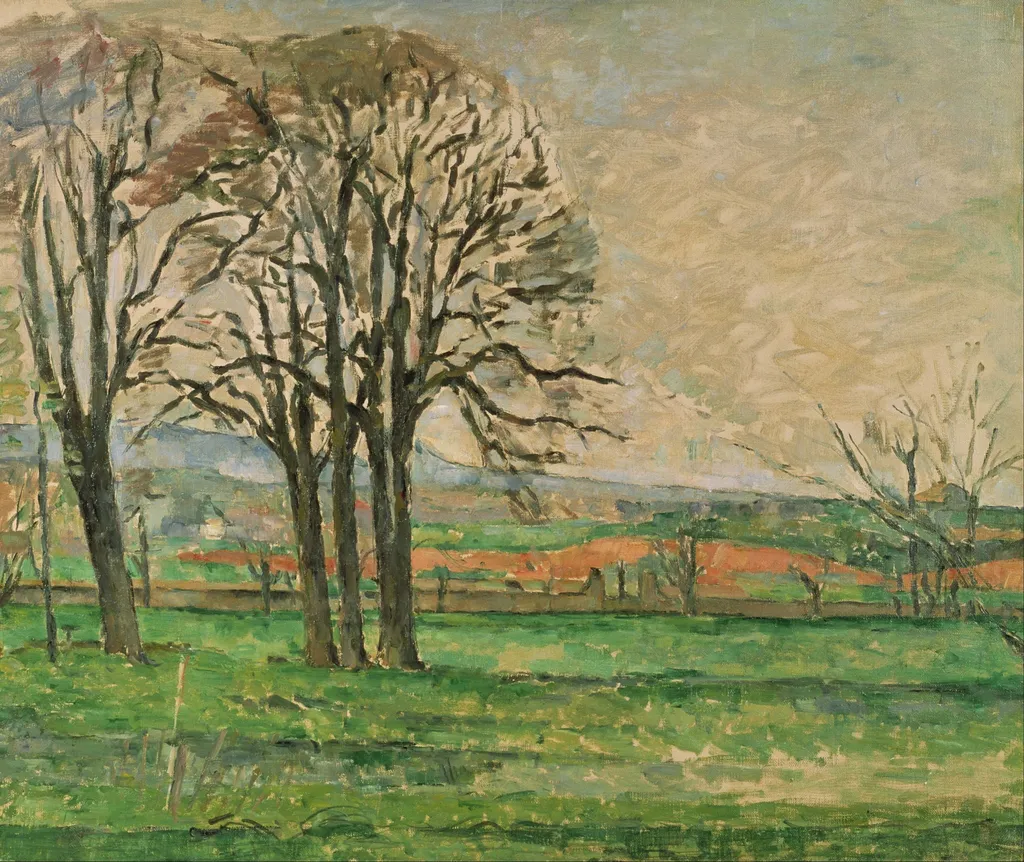
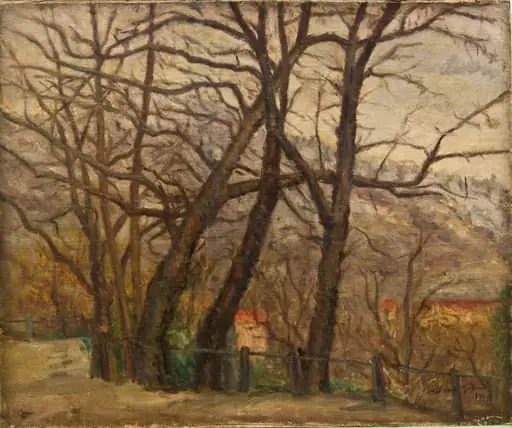
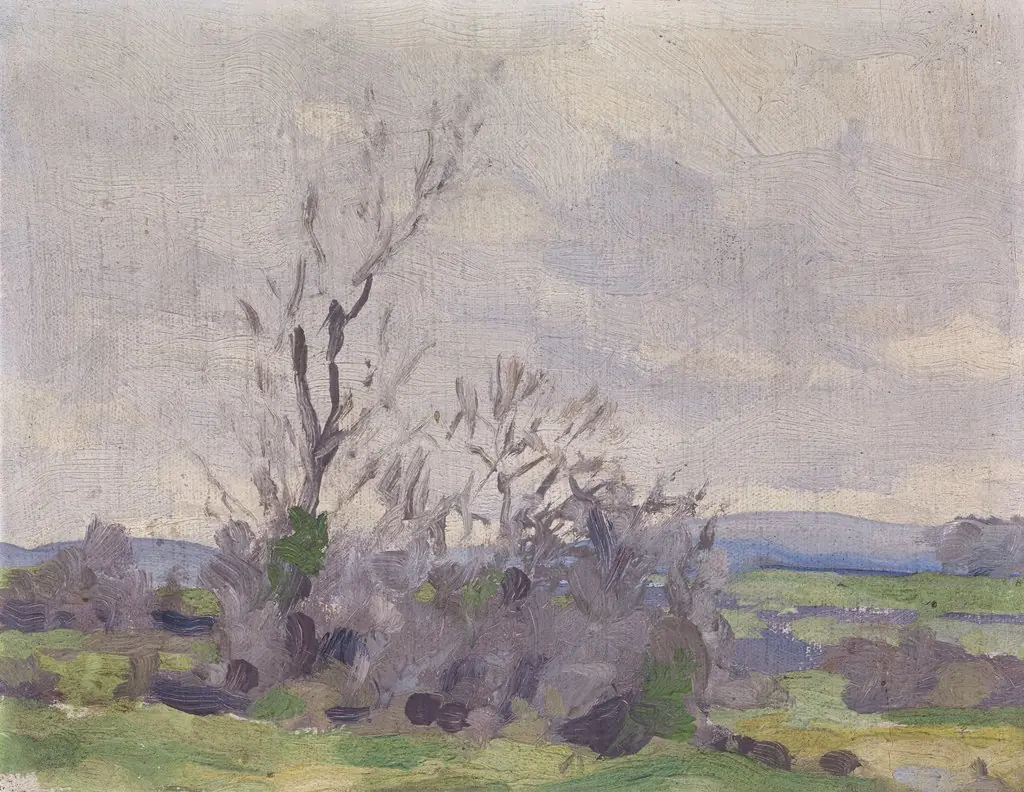
The Bare Trees at Jas de Bouffan is an oil painting by the Post-Impressionist artist Paul Cezanne. It dates from 1890 and is held in the collection of the National Museum of Western Art. Created in 1890, this oil painting portrays a quiet countryside scene centered on a group of leaf‑less trees.
About this work
Overview
Created in 1890, this oil painting portrays a quiet countryside scene centered on a group of leaf‑less trees. The composition places the dark trunks in the foreground against a lighter, rolling landscape and a pale sky, establishing a clear spatial recession. The work exemplifies Cézanne’s late‑period focus on structural arrangement over fleeting impression.
Subject & Meaning
The canvas depicts a modest, perhaps familiar, view of the Jas de Bouffan estate, where the artist spent much of his life. The stark, barren trees convey a sense of seasonal transition, while the softened hills and sky suggest an atmospheric calm, inviting contemplation of the landscape’s underlying form rather than narrative detail.
Technique & Style
Cézanne employs a post‑Impressionist palette, contrasting deep, muted tones of the trees with the brighter, pastel hues of the background. Brushwork is deliberate, building planes that hint at volume and depth. The treatment of color and shape reflects his move away from pure Impressionism toward a more analytical construction of space.
History & Provenance
The painting belongs to the series Cézanne produced while revisiting his family property at Jas de Bouffan, a setting that informed many of his later works. Created during the artist’s mature phase, it illustrates his ongoing exploration of form that would later influence early 20th‑century movements such as Cubism.
Own this work as a print
Artist & collection
Artist
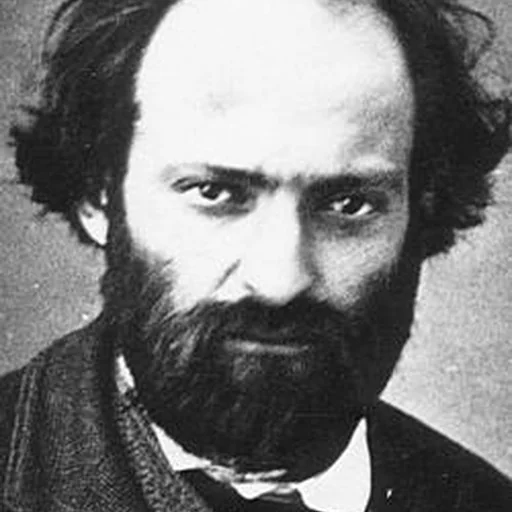
Paul Cézanne was born on January 19, 1839, in Aix-en-Provence, the son of a hatter turned wealthy banker.

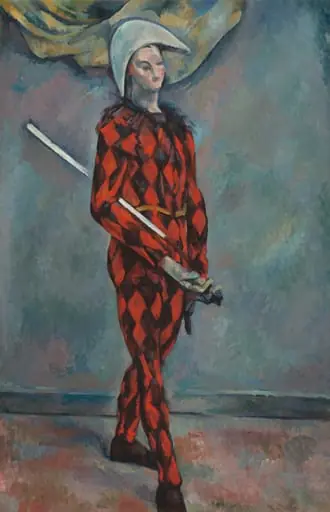 Harlequin
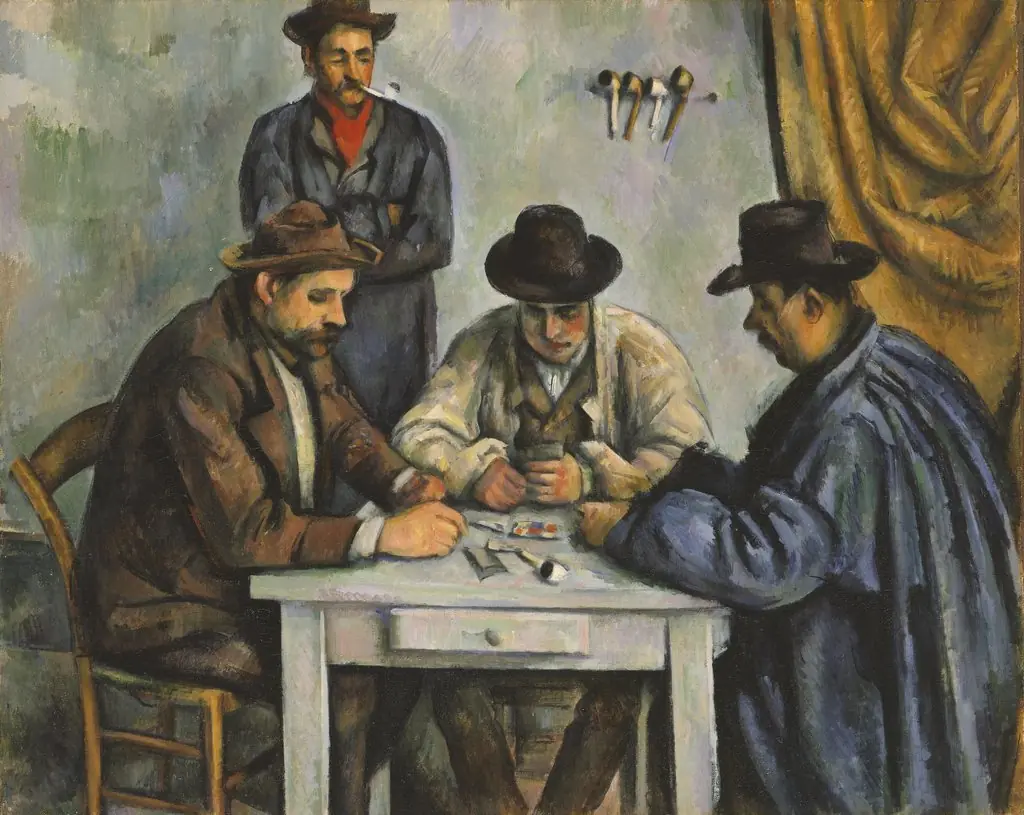 The Card Players
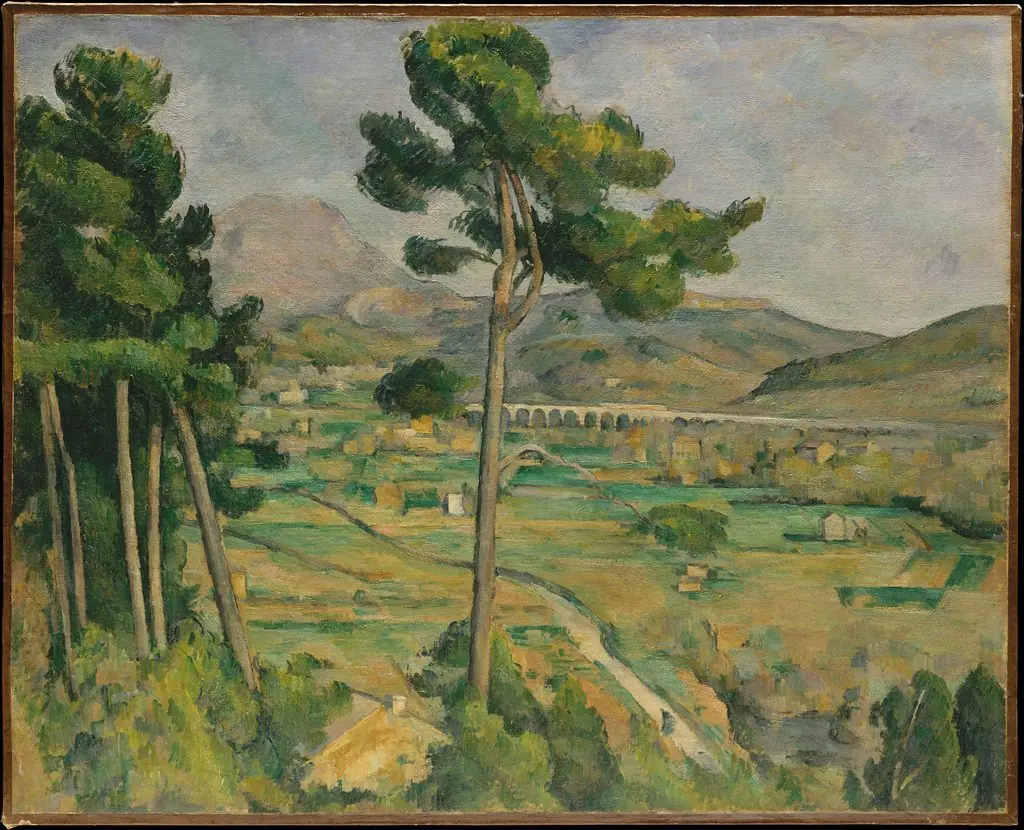 Mont Sainte-Victoire and the Viaduct of the Arc River Valley
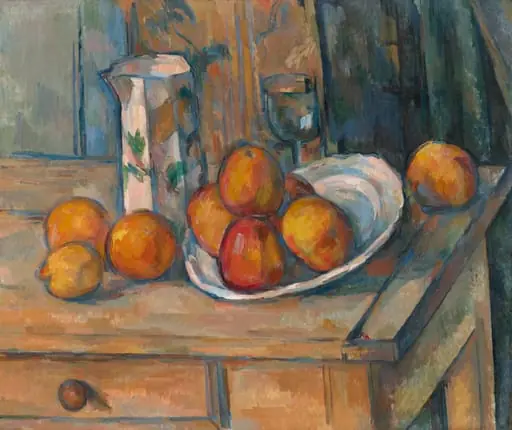 Still Life with Milk Jug and Fruit
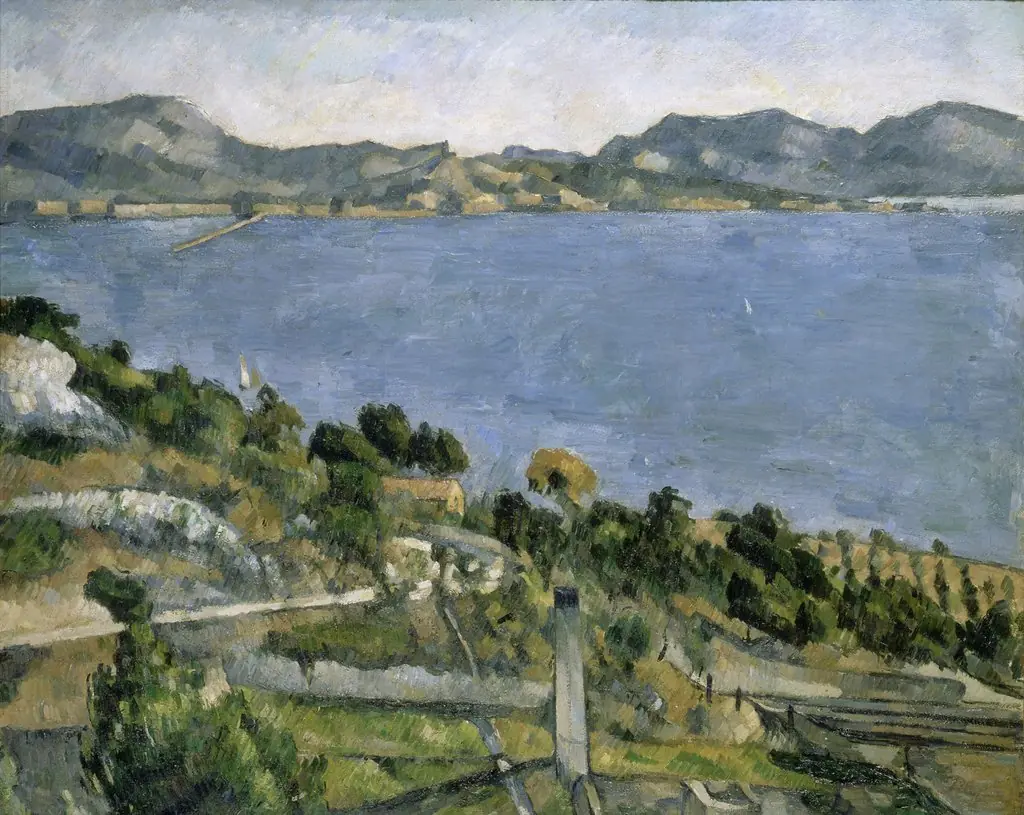 Le Golfe de Marseille vu de l'Estaque (The Gulf of Marseille Seen from L'Estaque)
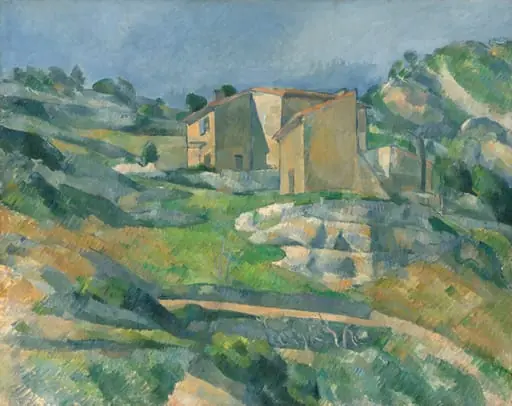 Houses in Provence: The Riaux Valley near L'Estaque
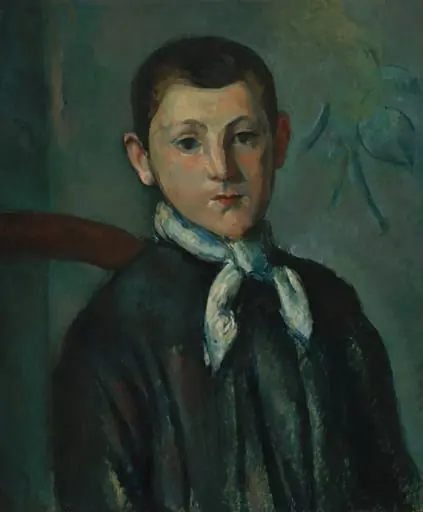 Louis Guillaume
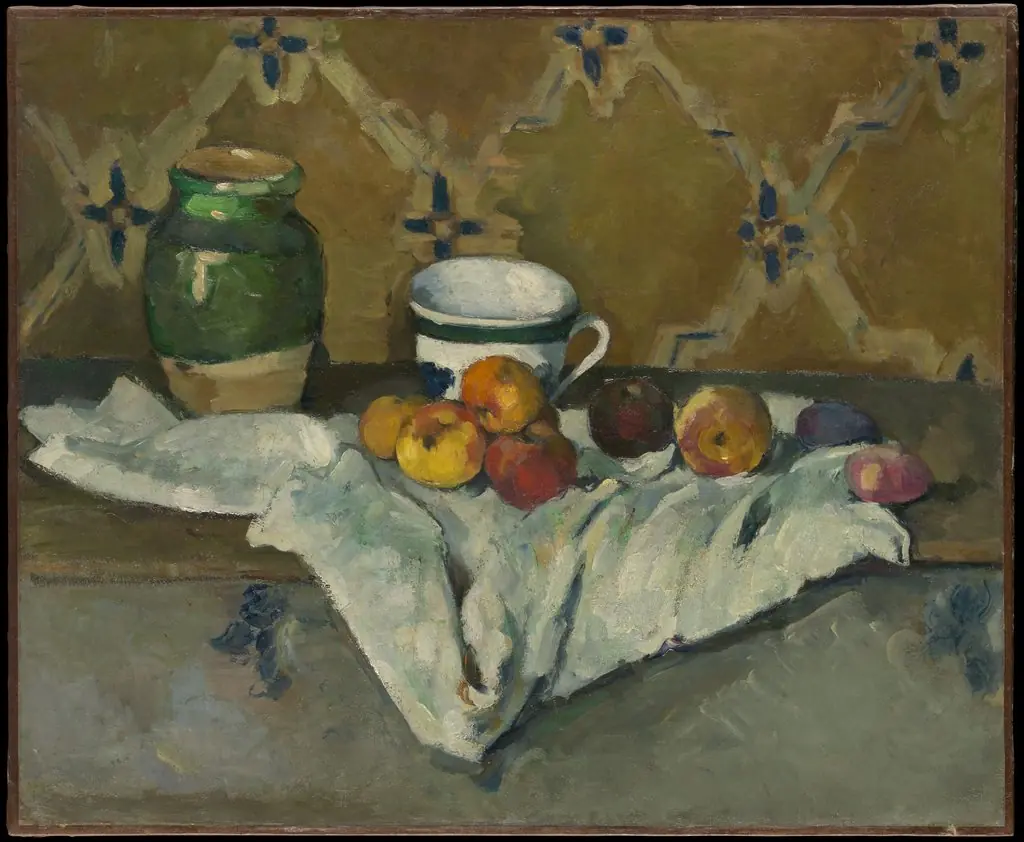 Still Life with Jar, Cup, and Apples