Artwork
Untitled
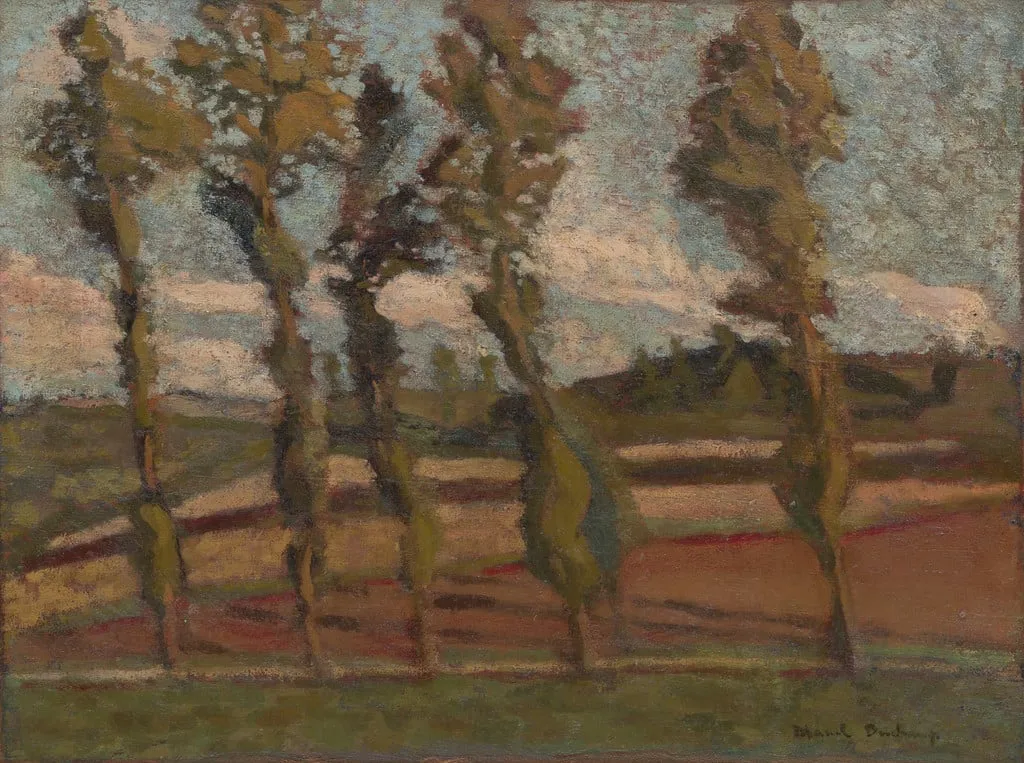
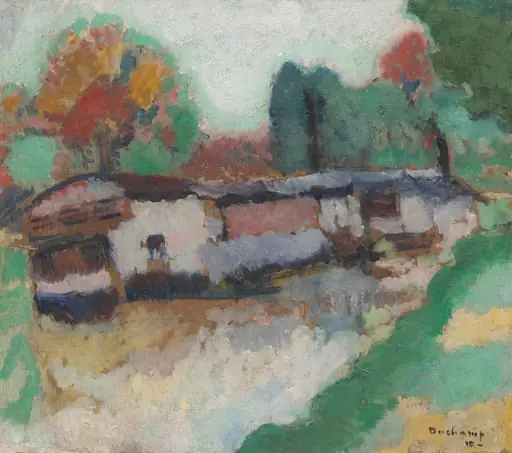
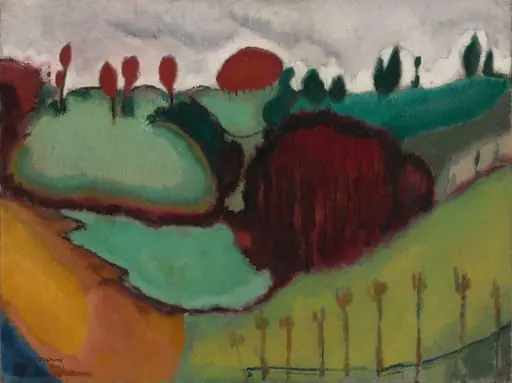
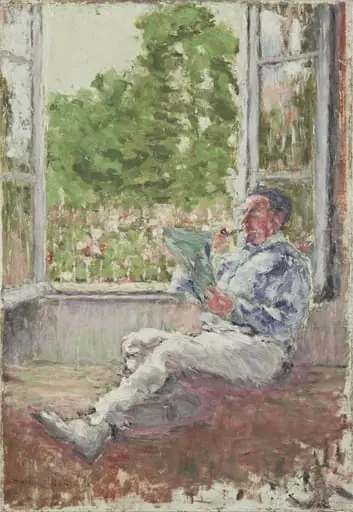
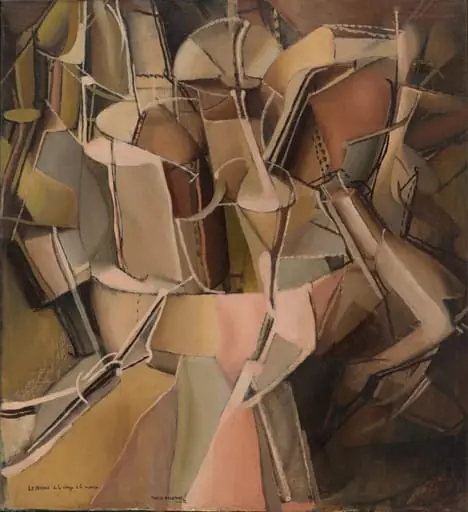
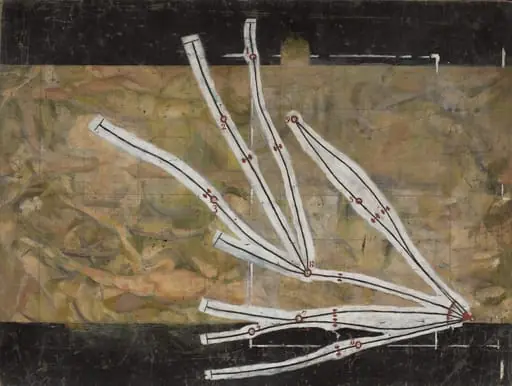
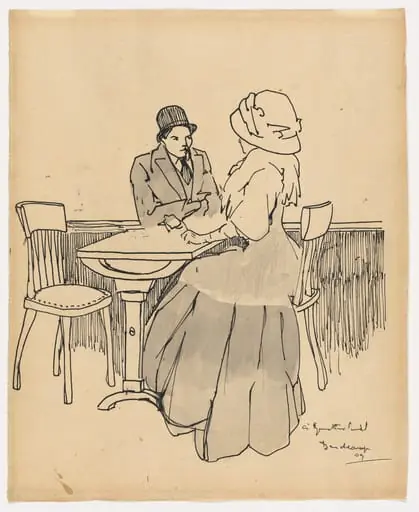
Untitled is an oil painting by the American Impressionist artist Marcel Duchamp. It dates from 1908 and is held in the collection of the Museum of Modern Art.
About this work
Overview
Though he would later be associated with Dada and Surrealism, this work reflects his engagement with the prevailing American Impressionist style of the time.
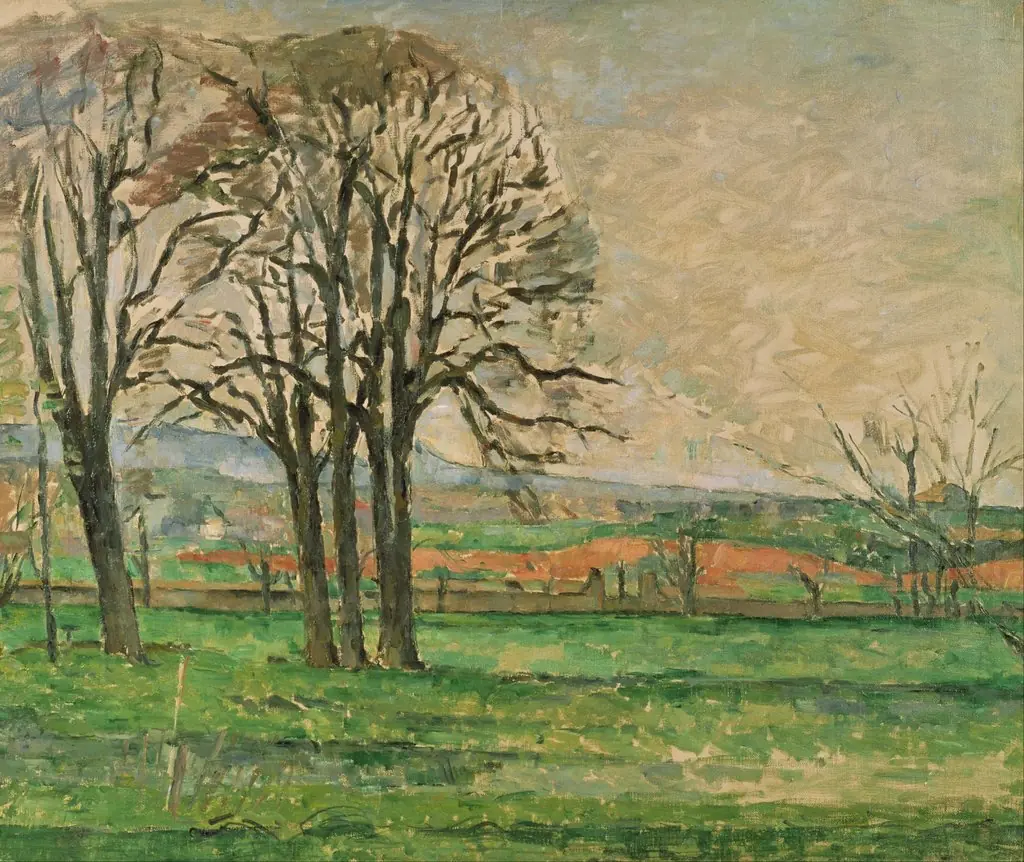
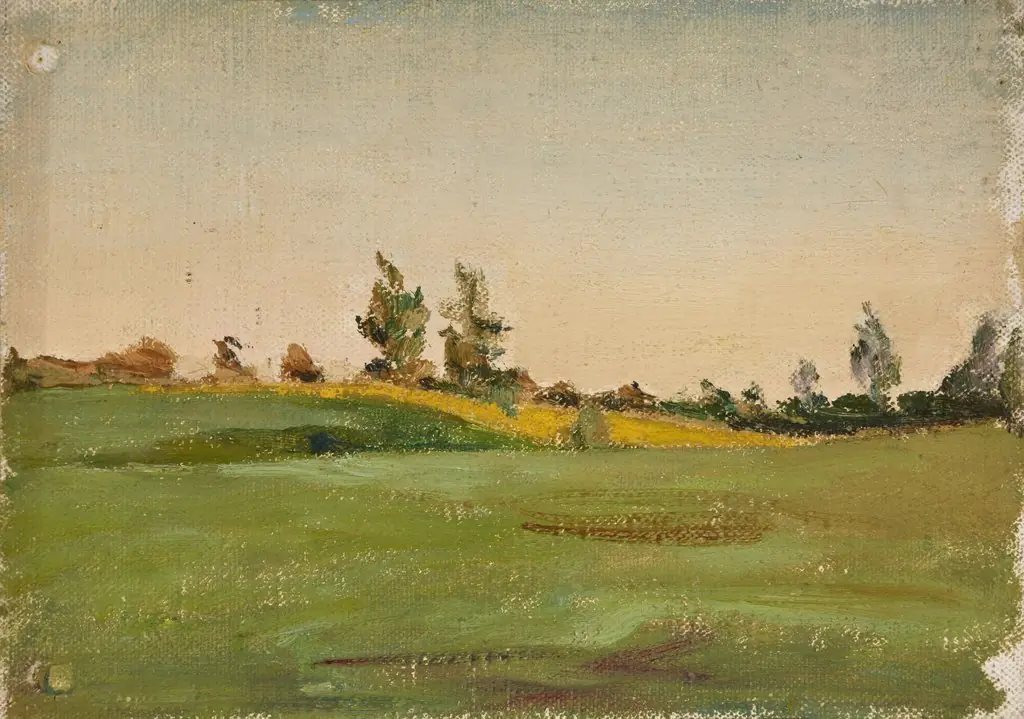
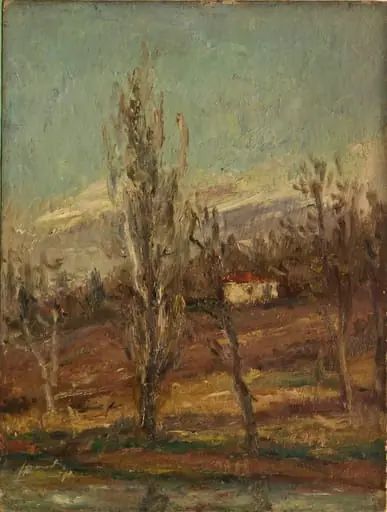
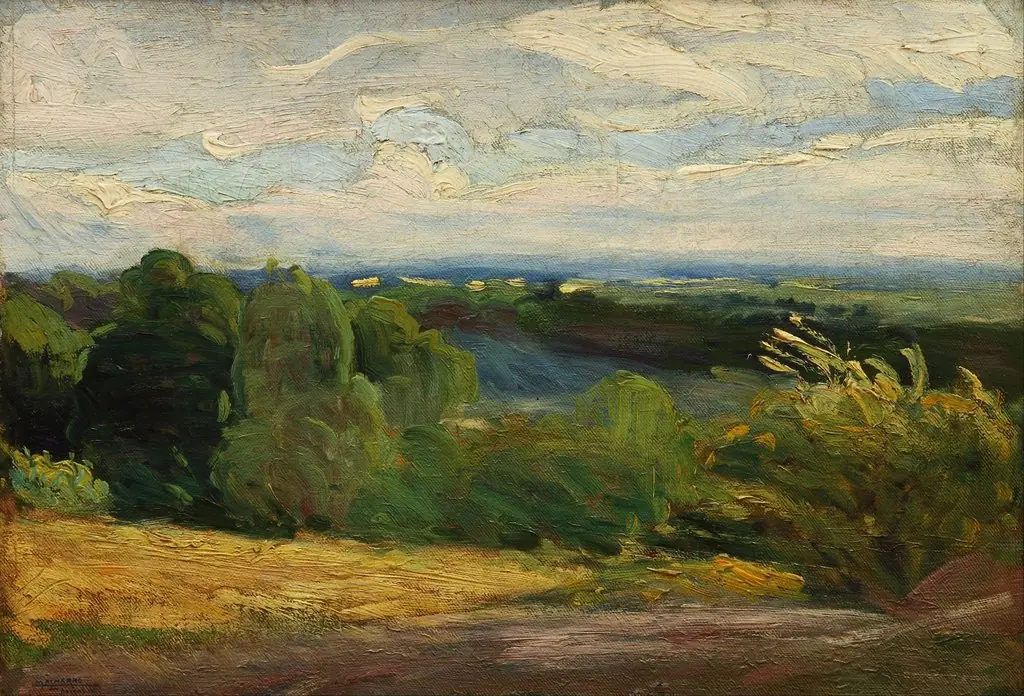
Marcel Duchamp created this oil-on-canvas landscape in 1908, early in his career before his shift toward conceptual art. Though he would later be associated with Dada and Surrealism, this work reflects his engagement with the prevailing American Impressionist style of the time. The painting captures a quiet rural scene, rendered with sensitivity to natural light and atmospheric tone, and remains part of The Museum of Modern Art’s permanent collection.
Subject & Meaning
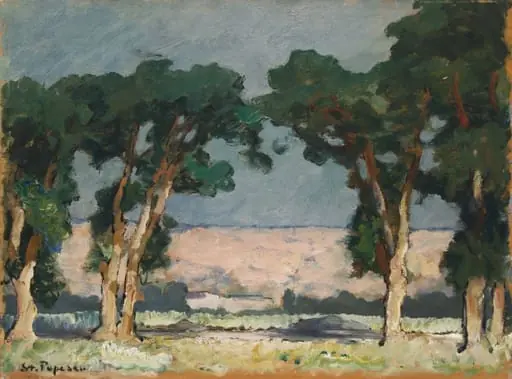
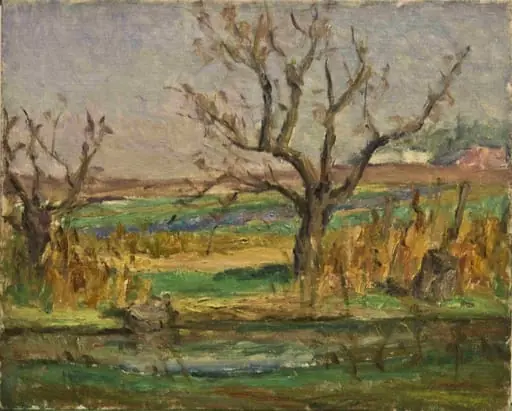
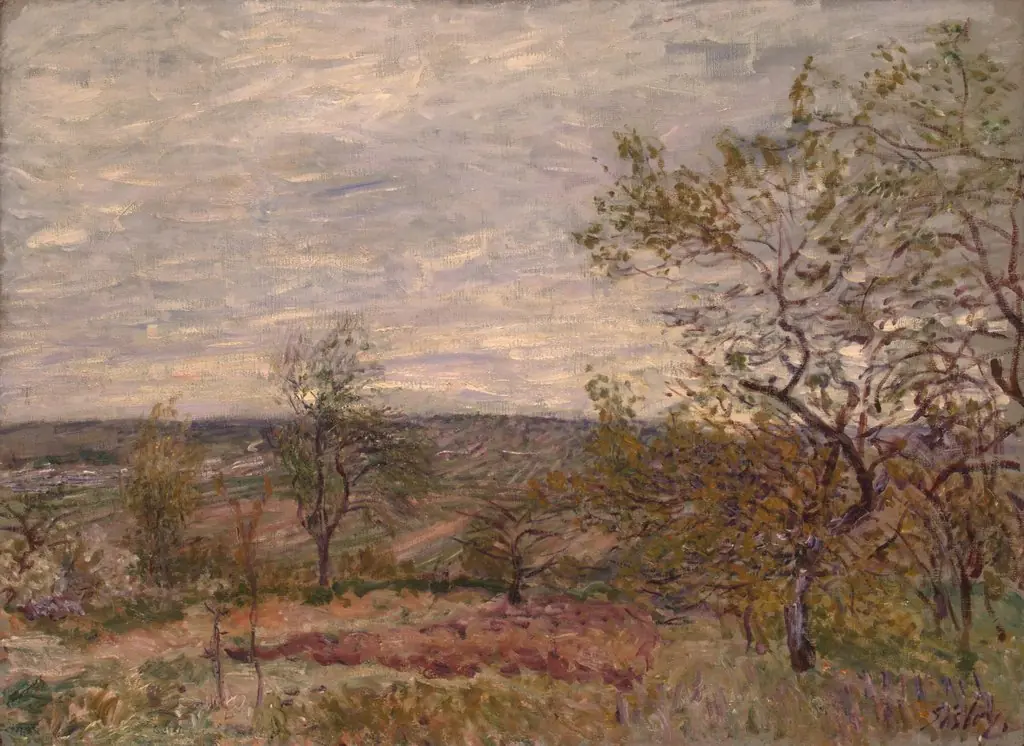
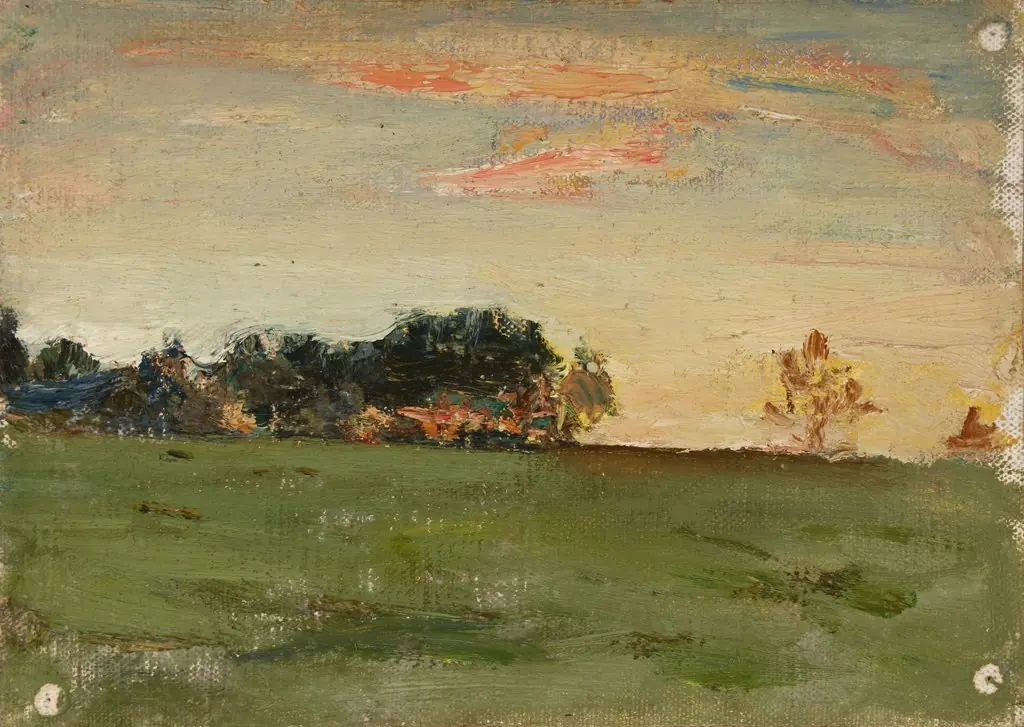
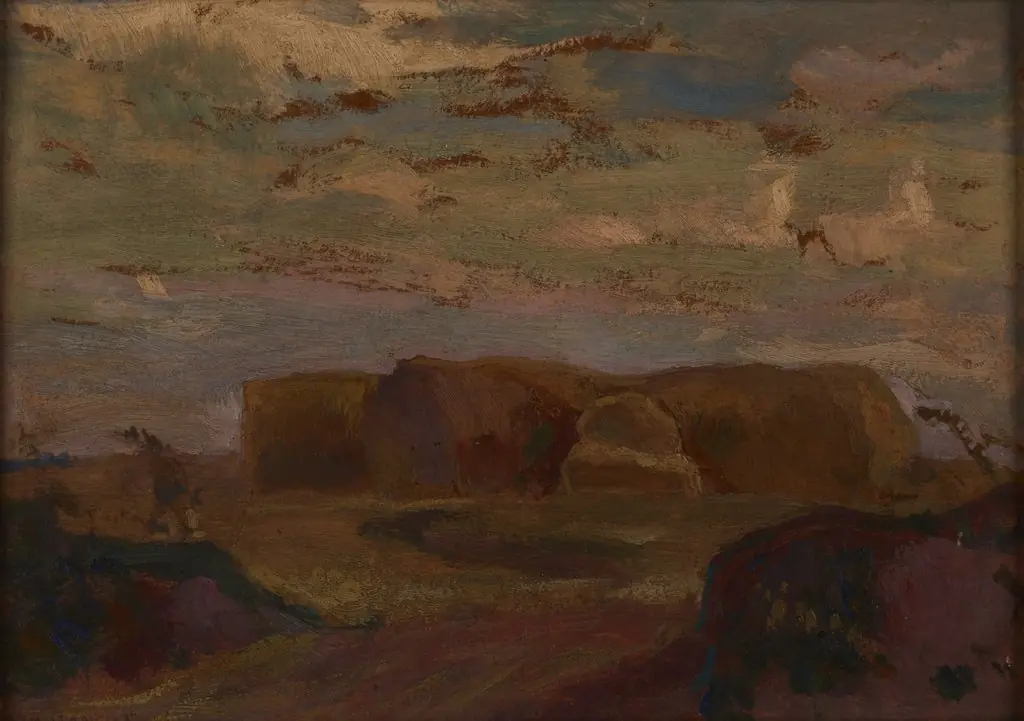
The painting presents a tranquil countryside: tall trees frame a distant field under a pale blue sky streaked with clouds. There is no human presence or narrative event—only the stillness of nature. The absence of dramatic action suggests an interest in mood over storytelling, aligning with Impressionist concerns for fleeting light and quiet observation. It reflects Duchamp’s early fascination with sensory experience before his later rejection of aesthetic contemplation.
Technique & Style
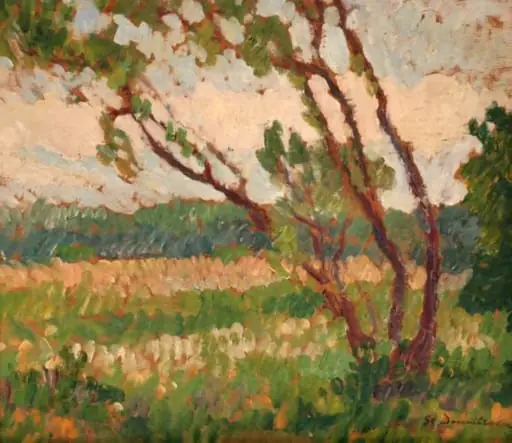
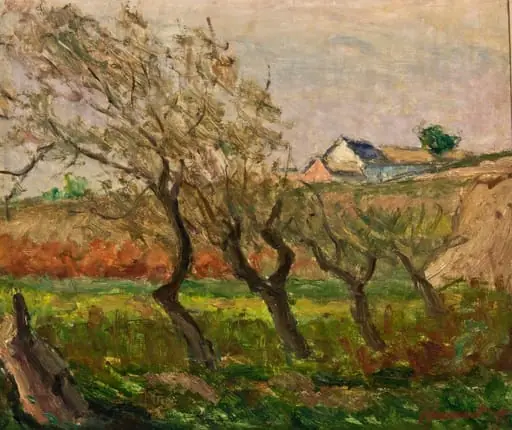
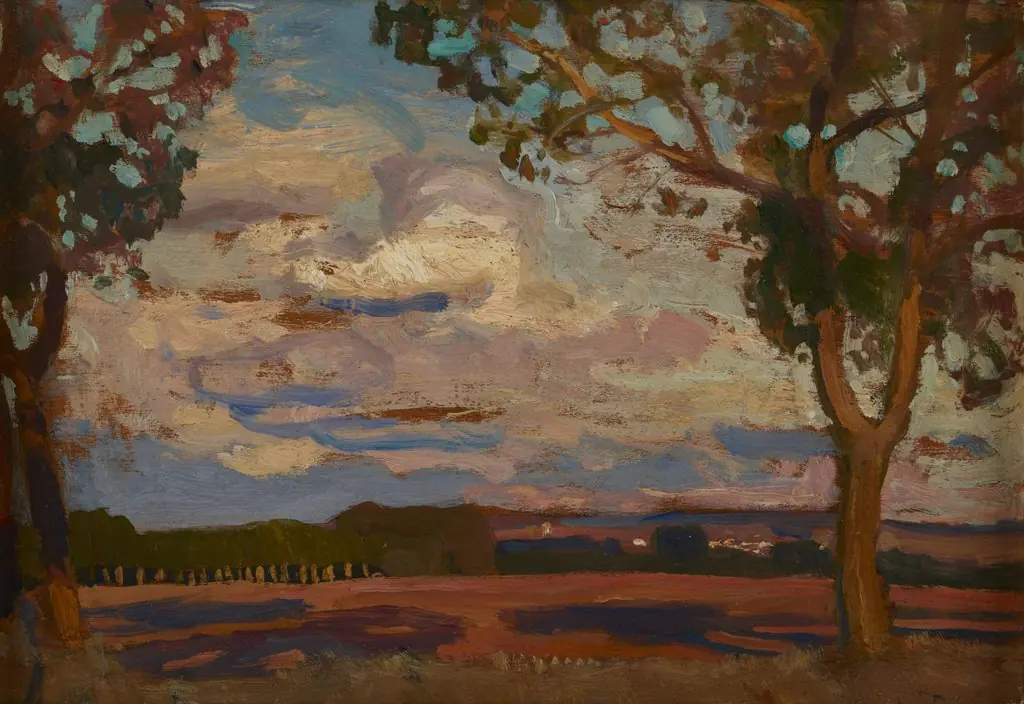
Brushwork is loose and fluid, with layered strokes suggesting texture in foliage and the soft diffusion of light across the field. Colors are muted yet harmonious—cool blues and greens contrast gently with warm earth tones. The composition avoids sharp detail, favoring atmospheric blending to convey depth. This approach aligns with Impressionist methods, emphasizing perception over precision, and reveals Duchamp’s technical grounding before his radical conceptual turn.
History & Provenance
Painted during Duchamp’s formative years in the United States, the work predates his move toward avant-garde experimentation. It remained in private hands until acquired by The Museum of Modern Art, where it entered the collection as part of a broader effort to document the artist’s early development. Its preservation offers insight into the stylistic trajectory of an artist who would later redefine the boundaries of art itself.
Context
In 1908, Duchamp was immersed in the American art scene, influenced by Impressionist and Post-Impressionist trends circulating in New York. While European modernism was gaining momentum, this landscape reflects a more conventional engagement with nature, typical of artists training outside academic institutions. The work stands as a quiet counterpoint to the radical innovations he would pursue within a decade.
Legacy
Though overshadowed by Duchamp’s later conceptual works, this painting remains a significant marker of his artistic origins. It demonstrates his capacity for traditional technique and his sensitivity to natural form before he abandoned aesthetics for intellectual inquiry. As such, it provides essential context for understanding the evolution of his radical approach to art-making.
Artist & collection
Artist
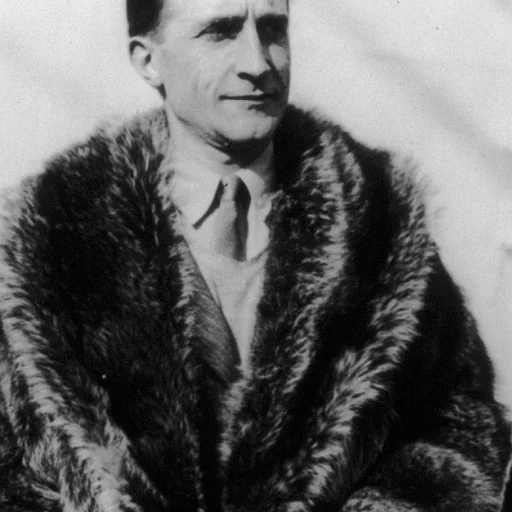
Henri-Robert-Marcel Duchamp (UK: , US: ; French: ; 28 July 1887 – 2 October 1968) was a French American artist, chess player, and inventor who played a key role in the development of the avant-garde in the United States…