Artwork
The Buffet
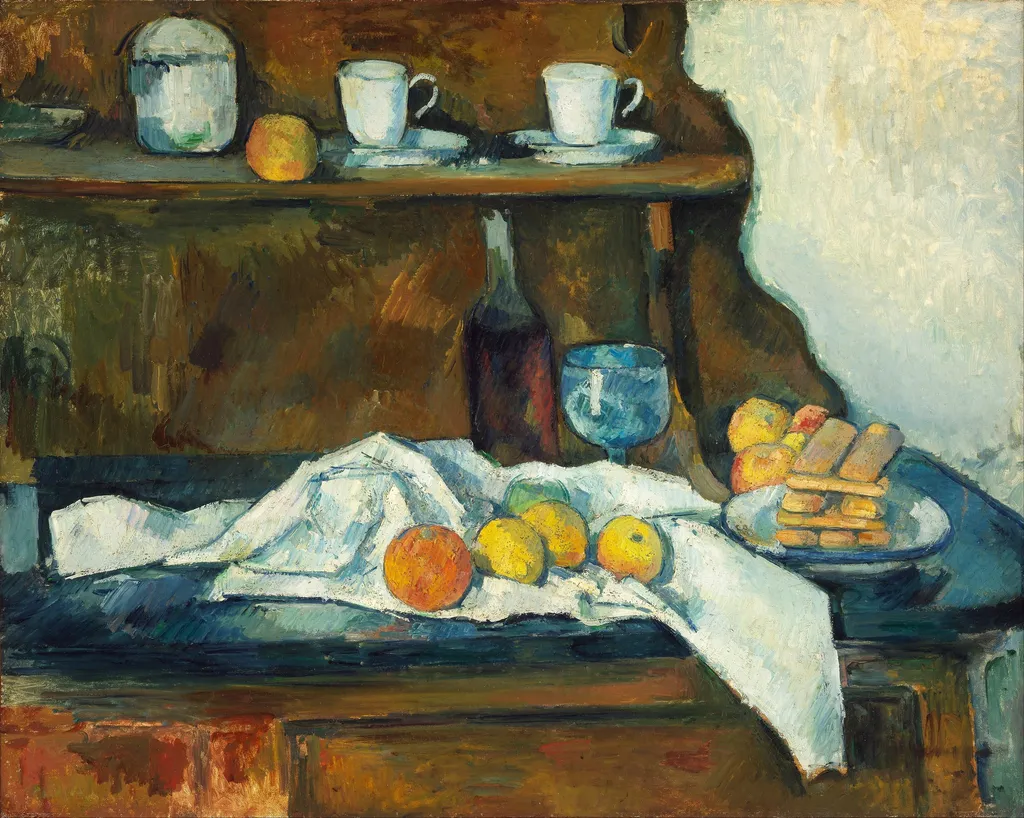
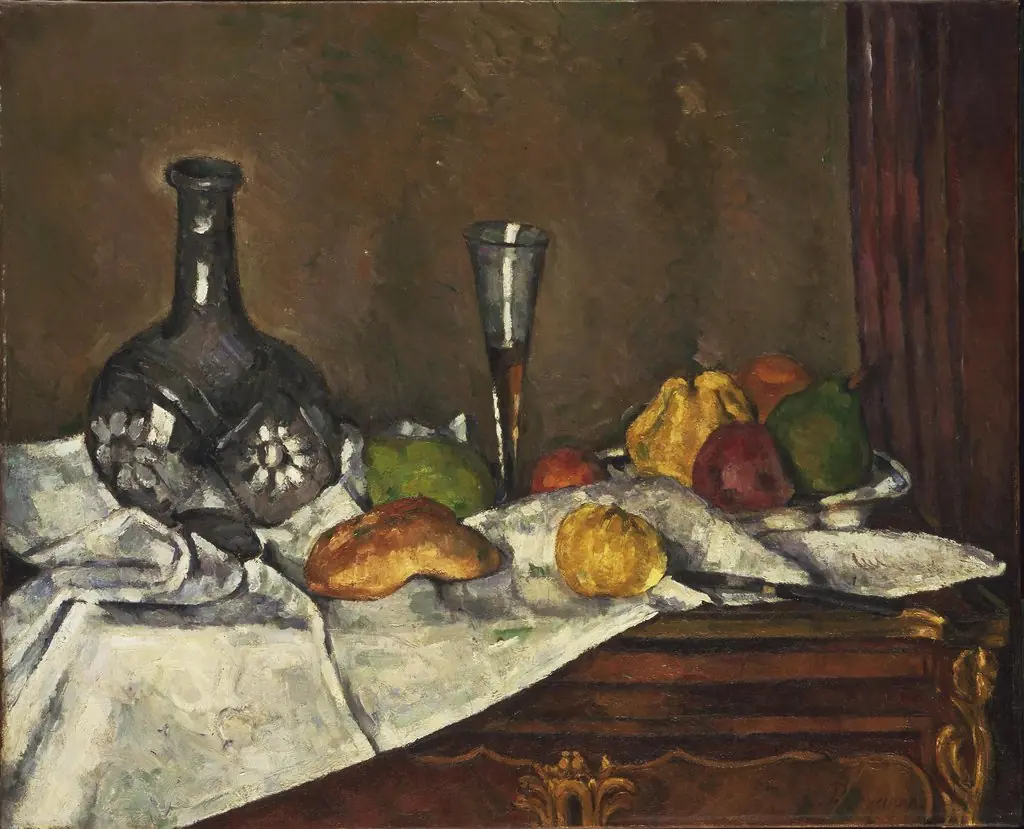
The Buffet is an oil painting by the Post-Impressionist artist Paul Cezanne. It dates from 1889 and is held in the collection of the Hungarian National Gallery.
About this work
Overview
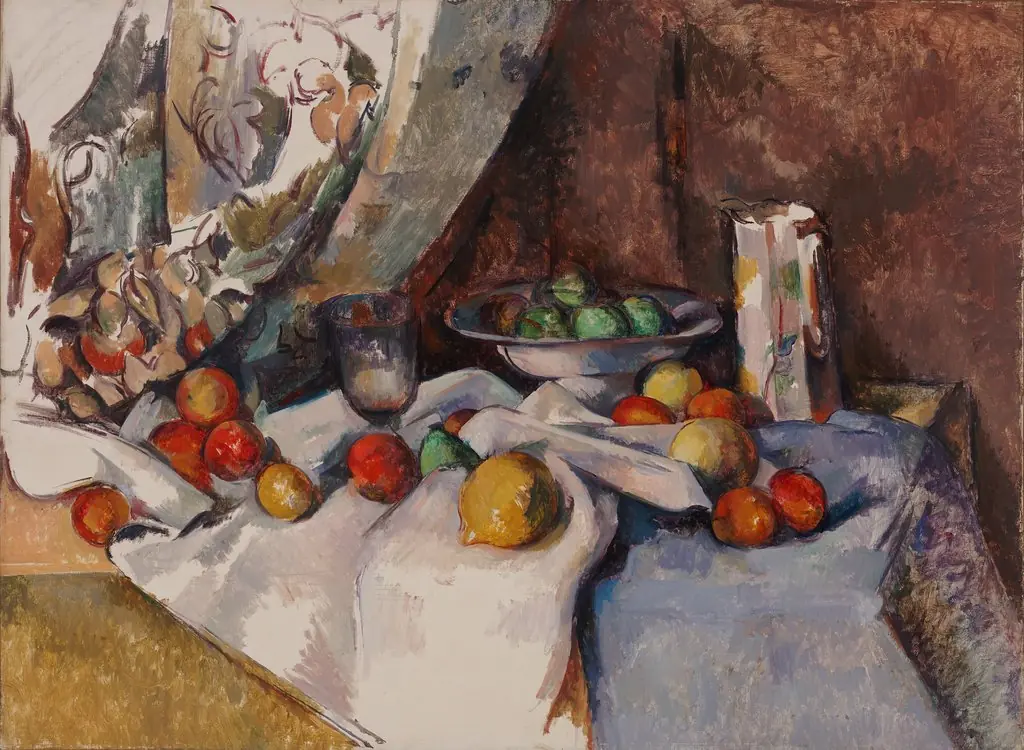
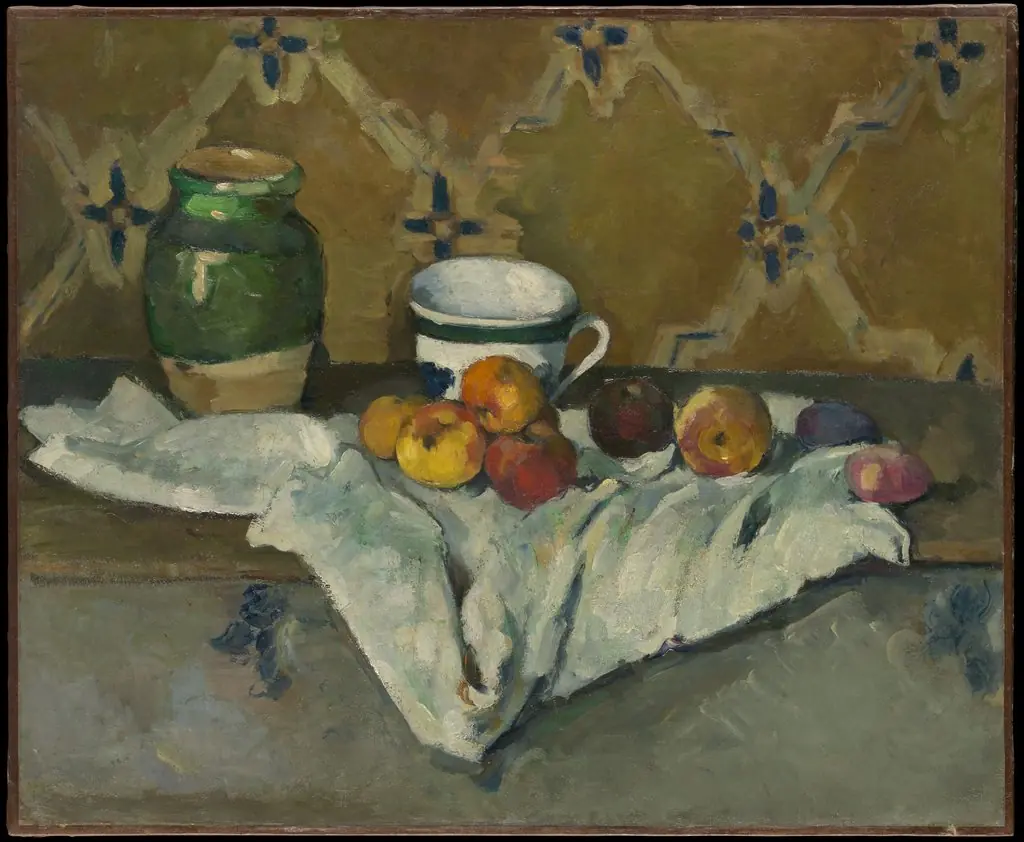
Created in 1889, *The Buffet* is an oil painting by Paul Cézanne that belongs to the still‑life tradition of the Post‑Impressionist period. Executed during the artist’s mature phase, the work exemplifies his systematic investigation of volume and spatial relationships, positioning everyday objects as subjects for formal analysis.
Subject & Meaning
The composition depicts a modest tabletop arrangement: a white‑draped surface supports a plate of fruit and a wine bottle, while a dark brown wall rises behind, topped by a shelf bearing additional objects. The ordinary setting invites contemplation of the material world, emphasizing the quiet presence of domestic items rather than narrative content.
Technique & Style
Cézanne employs a palette of muted earth tones punctuated by the bright hues of the fruit, allowing color to model form. Visible, short brushstrokes build texture and suggest subtle shifts in light across the cloth and objects. The painter’s emphasis on geometric simplification and layered planes anticipates the structural concerns of early Cubism.
History & Provenance
After its completion, the painting entered private collections before being acquired by the Hungarian National Gallery, where it remains on display. Its presence in a Central European institution reflects the broad diffusion of Cézanne’s work beyond France during the early twentieth century.
Own this work as a print
Artist & collection
Artist
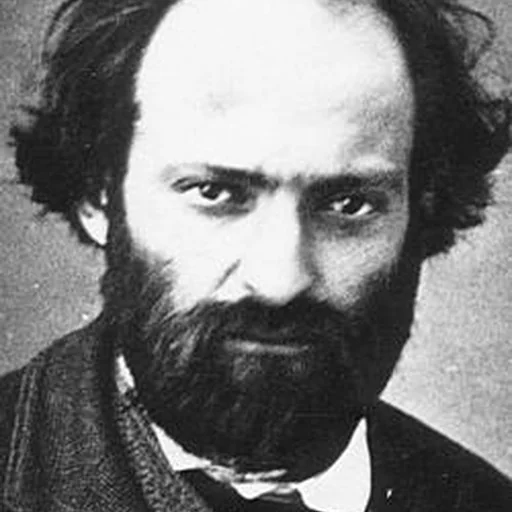
Paul Cézanne was born on January 19, 1839, in Aix-en-Provence, the son of a hatter turned wealthy banker.

 Harlequin
 The Card Players
 Mont Sainte-Victoire and the Viaduct of the Arc River Valley
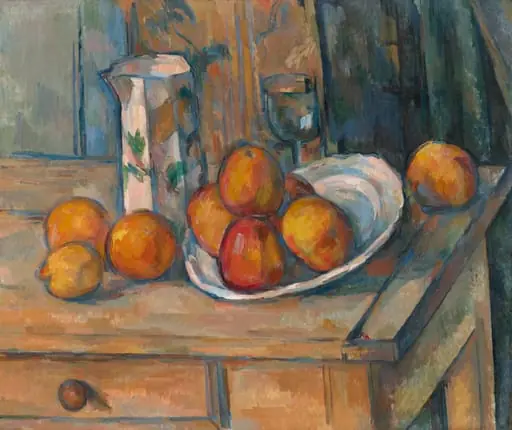 Still Life with Milk Jug and Fruit
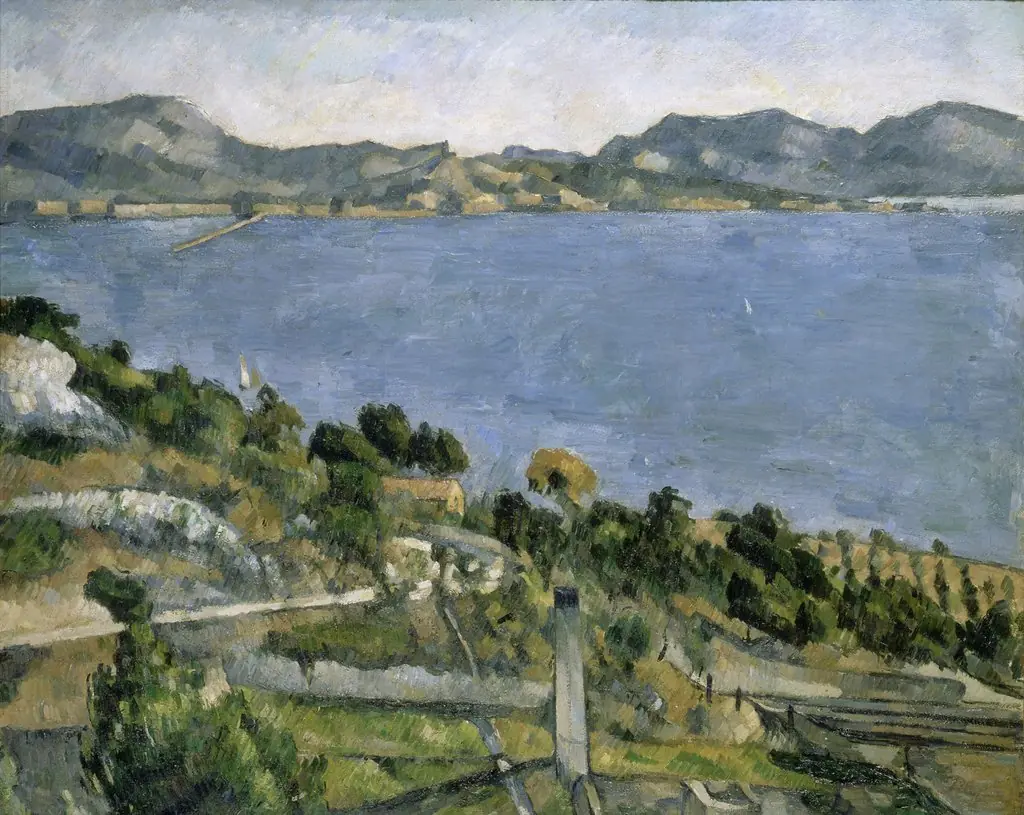 Le Golfe de Marseille vu de l'Estaque (The Gulf of Marseille Seen from L'Estaque)
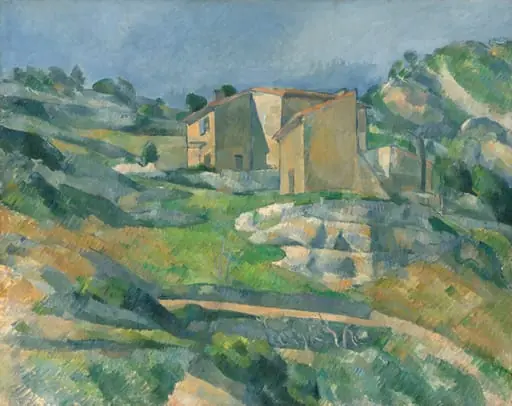 Houses in Provence: The Riaux Valley near L'Estaque
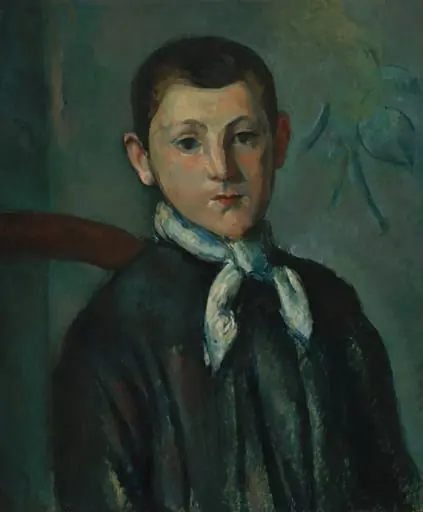 Louis Guillaume
 Still Life with Jar, Cup, and Apples