Artwork
Blue Landscape
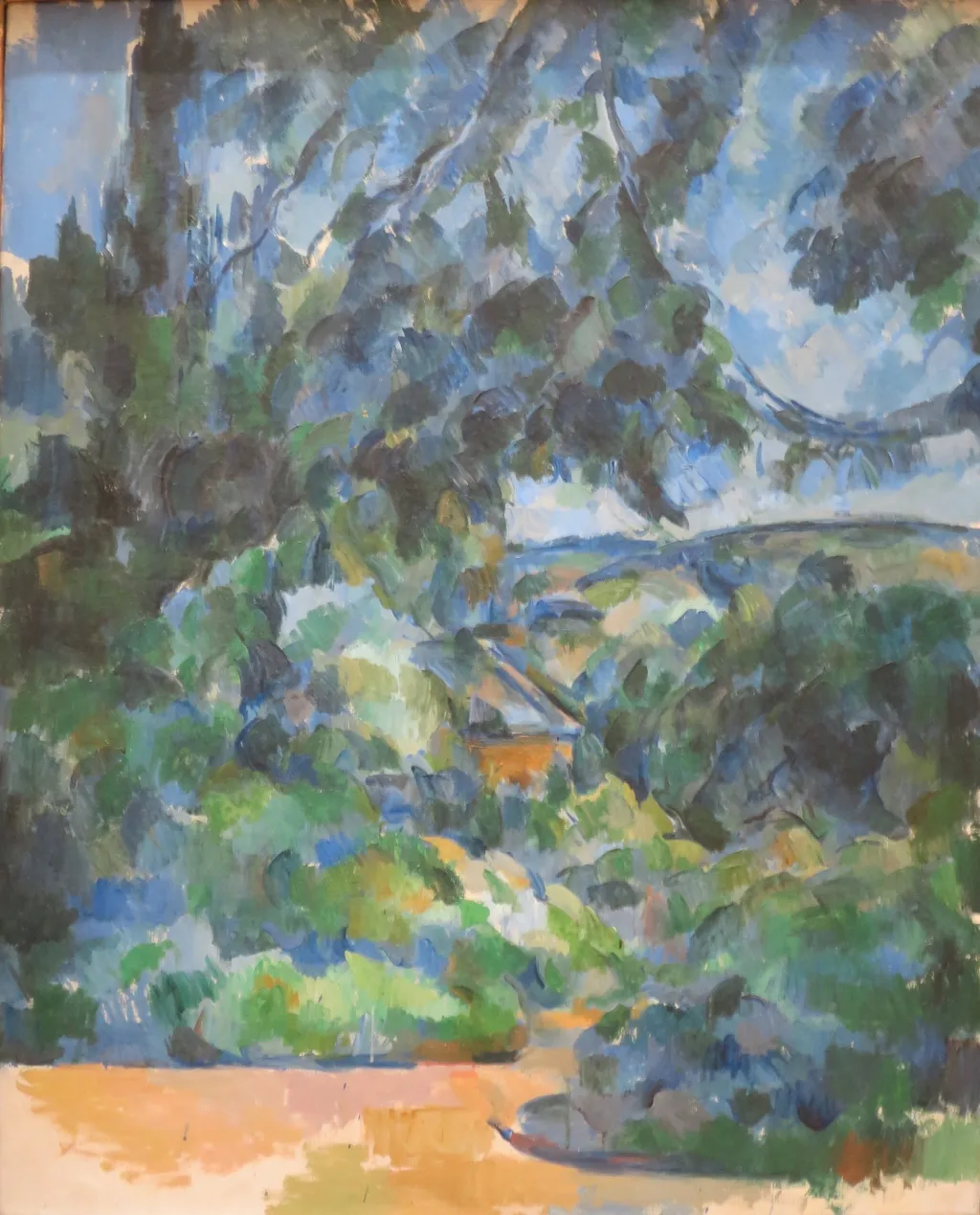
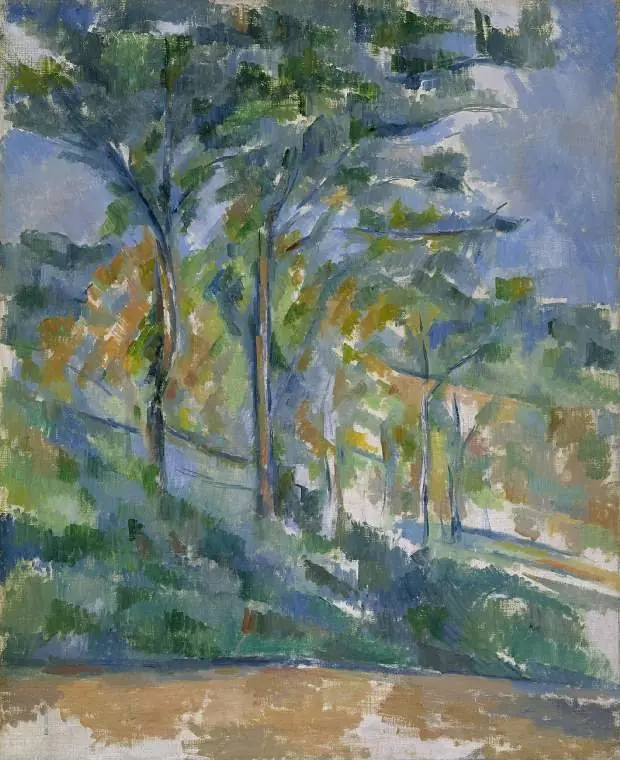
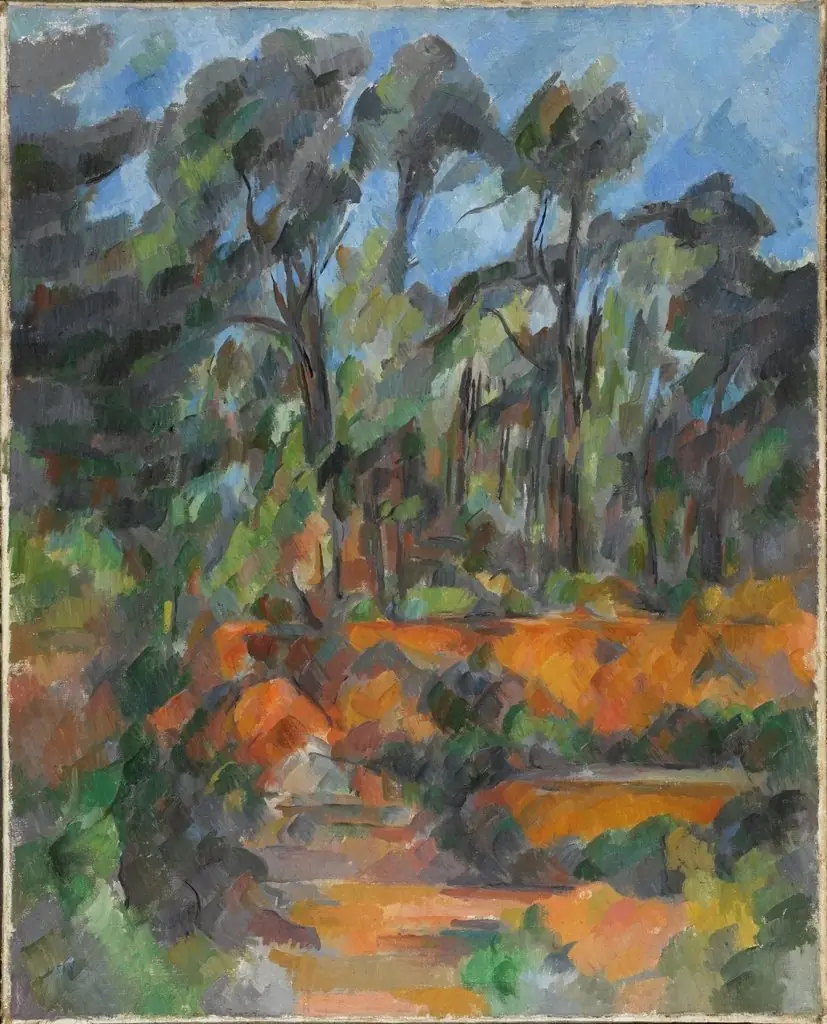
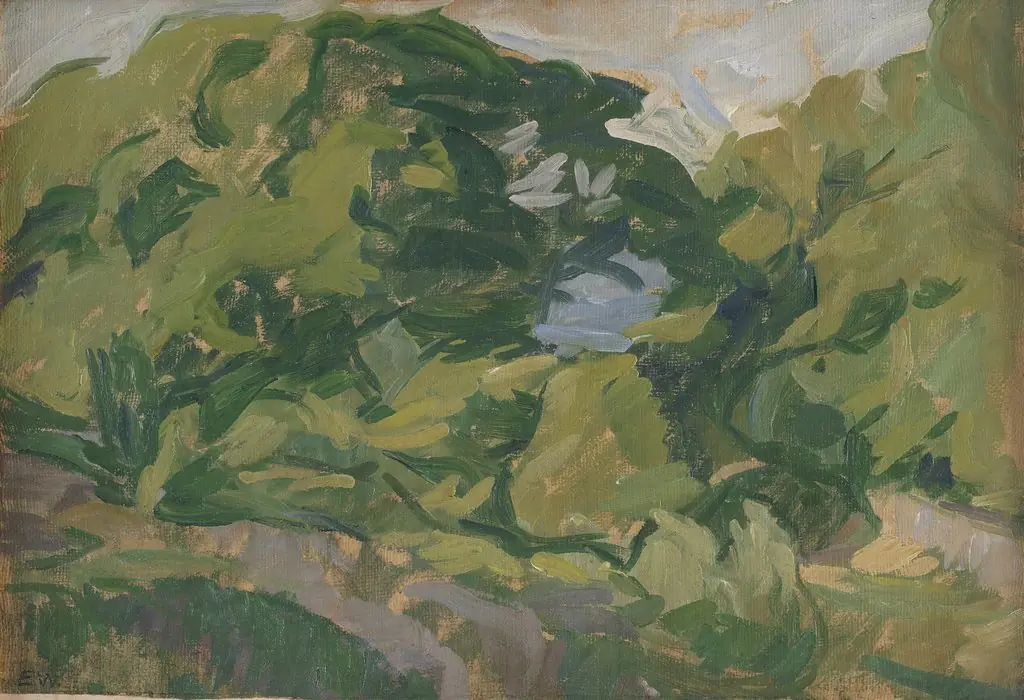
Blue Landscape is an oil painting by the Post-Impressionist artist Paul Cezanne. It dates from 1905 and is held in the collection of the Hermitage Museum.
About this work
Overview
Blue Landscape is a 1905 oil painting by Paul Cézanne, classified under the Post-Impressionist movement and the landscape genre. It is part of the collection at the State Hermitage Museum.
Subject & Meaning
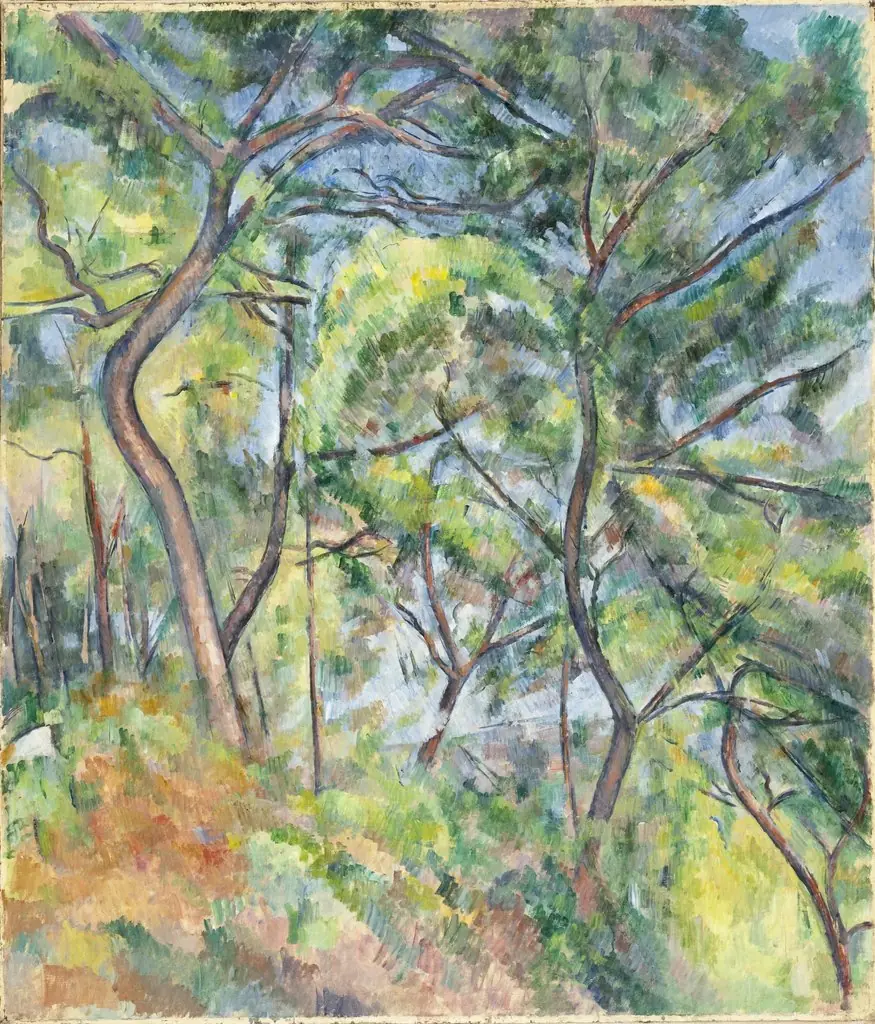
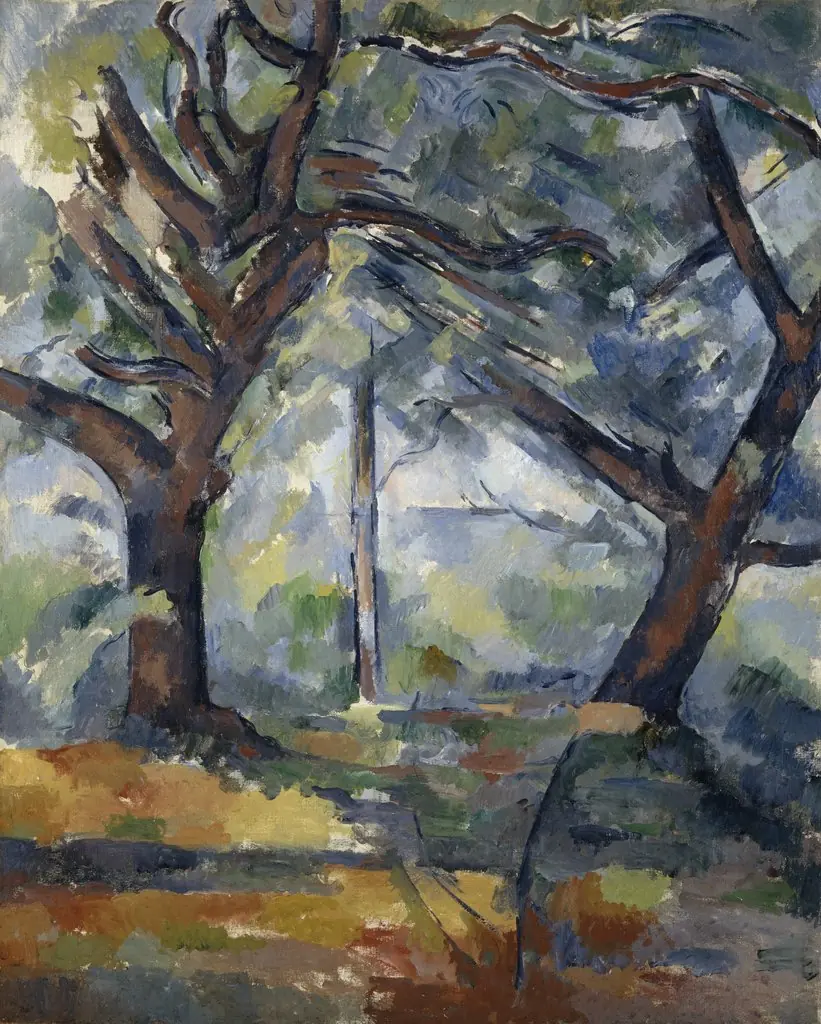
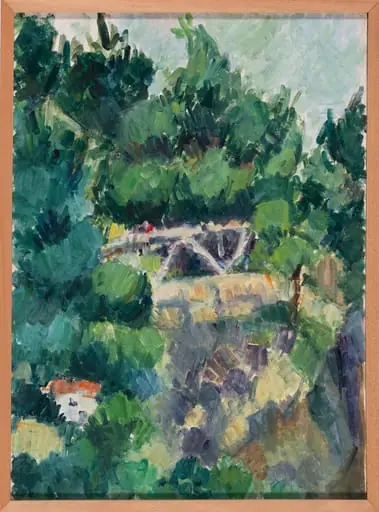
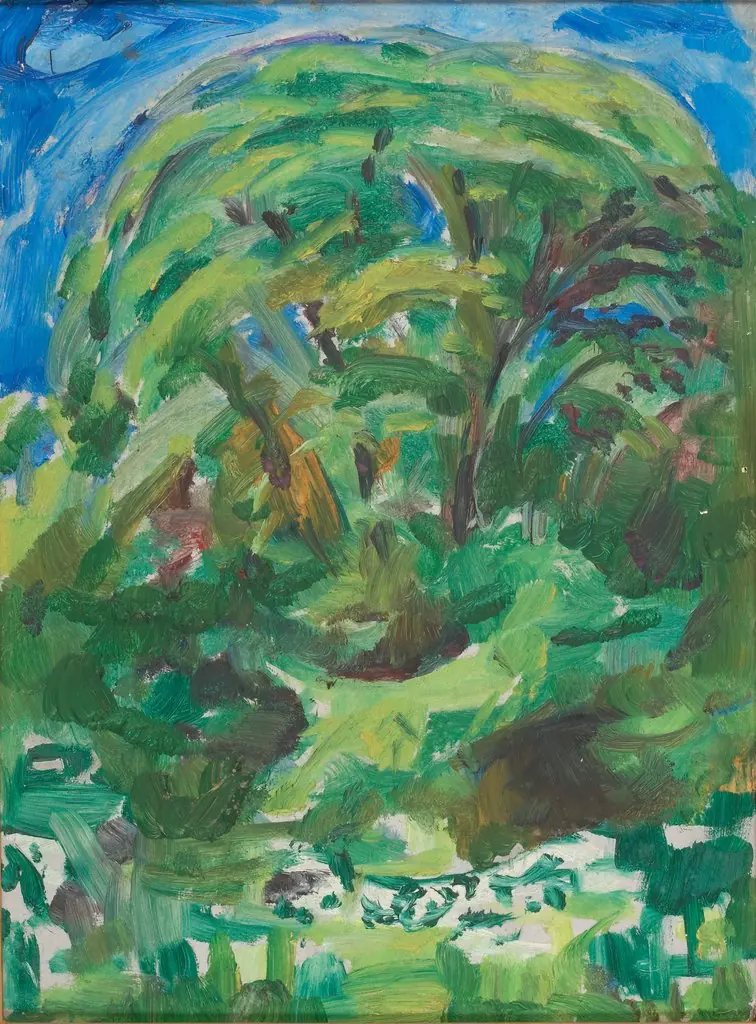
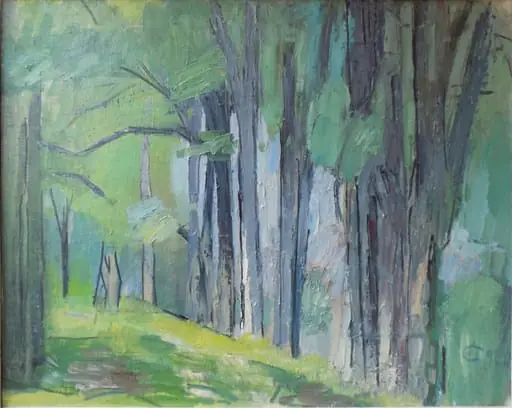
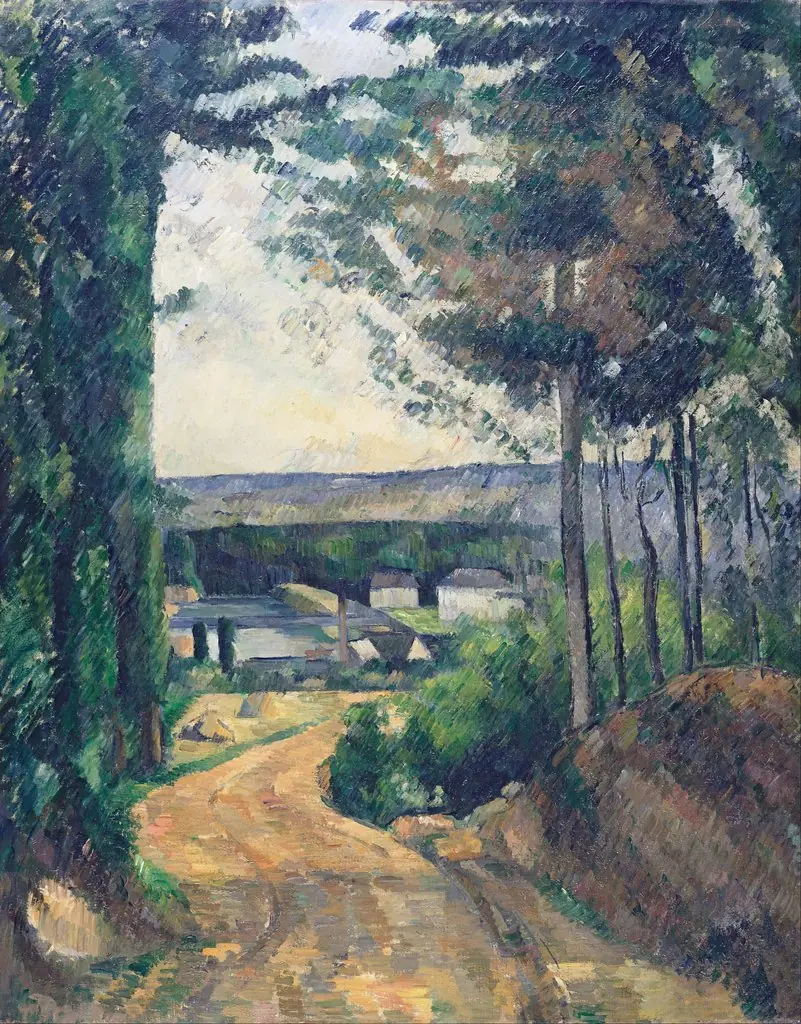
The painting depicts a natural scene of trees and sky, characterized by a dominant palette of greens, blues, and yellows. The emphasis on capturing light filtering through foliage suggests an exploration of outdoor ambiance.
Technique & Style
Cézanne employed thick, visible brushstrokes and impasto, where paint is applied in heavy layers, to achieve a textured, dynamic appearance. This approach contributes to the work's energetic and rough-hewn quality.
History & Provenance
Created in 1905, Blue Landscape reflects Cézanne's transitional style, moving beyond earlier Romantic and Realist influences towards a precursor to Cubism. The piece is now housed at the State Hermitage Museum.
Context
Within the broader art historical context, Blue Landscape sits at the cusp of modern artistic movements, bridging Impressionism's focus on light and color with the more structured forms that would evolve into Cubism.
Legacy
While specific legacy details of Blue Landscape are not highlighted, as a work by Cézanne, it contributes to the artist's overall influence on the development of 20th-century art, particularly in the evolution of Cubism and modern landscape painting.
Artist & collection
Artist
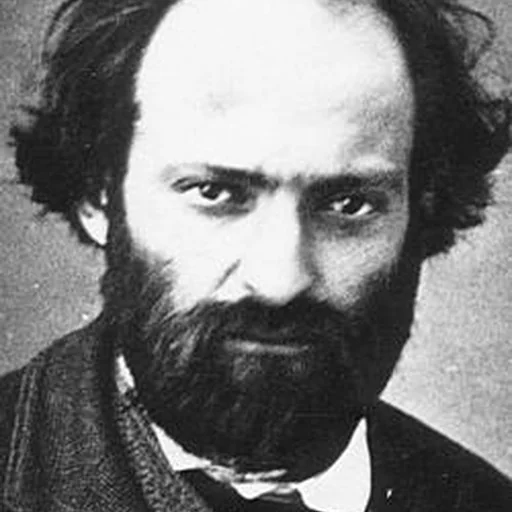
Paul Cézanne was born on January 19, 1839, in Aix-en-Provence, the son of a hatter turned wealthy banker.

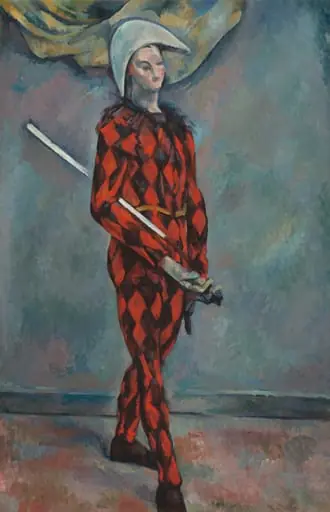 Harlequin
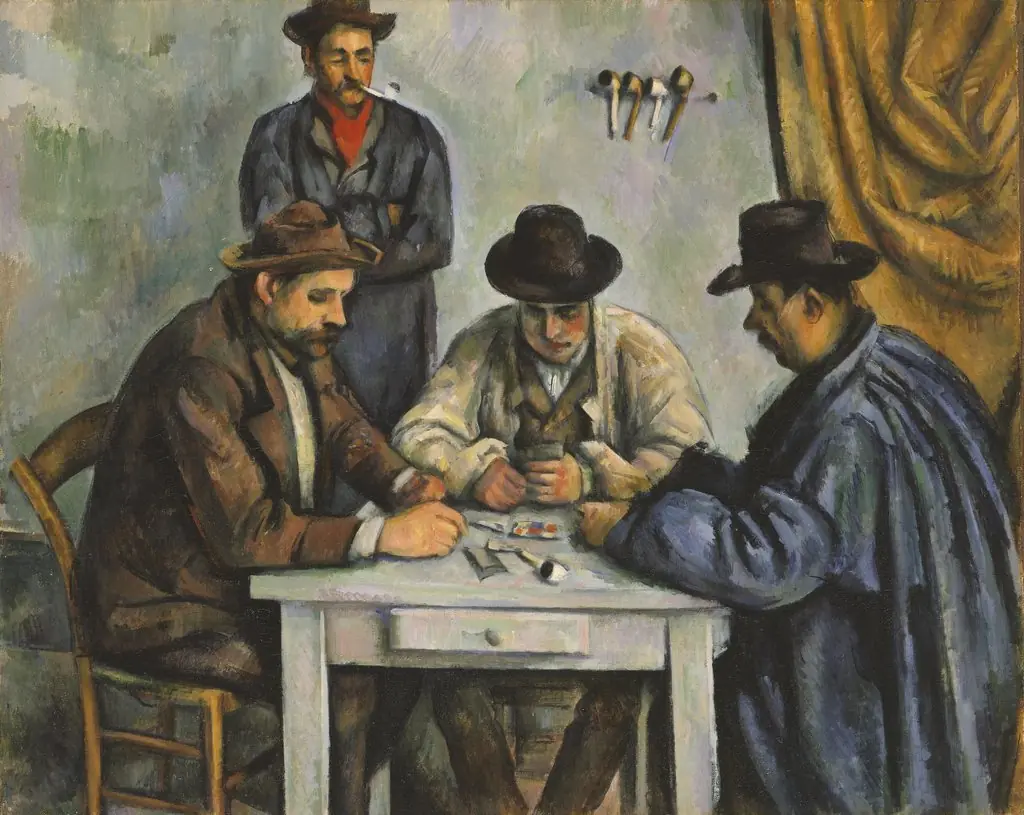 The Card Players
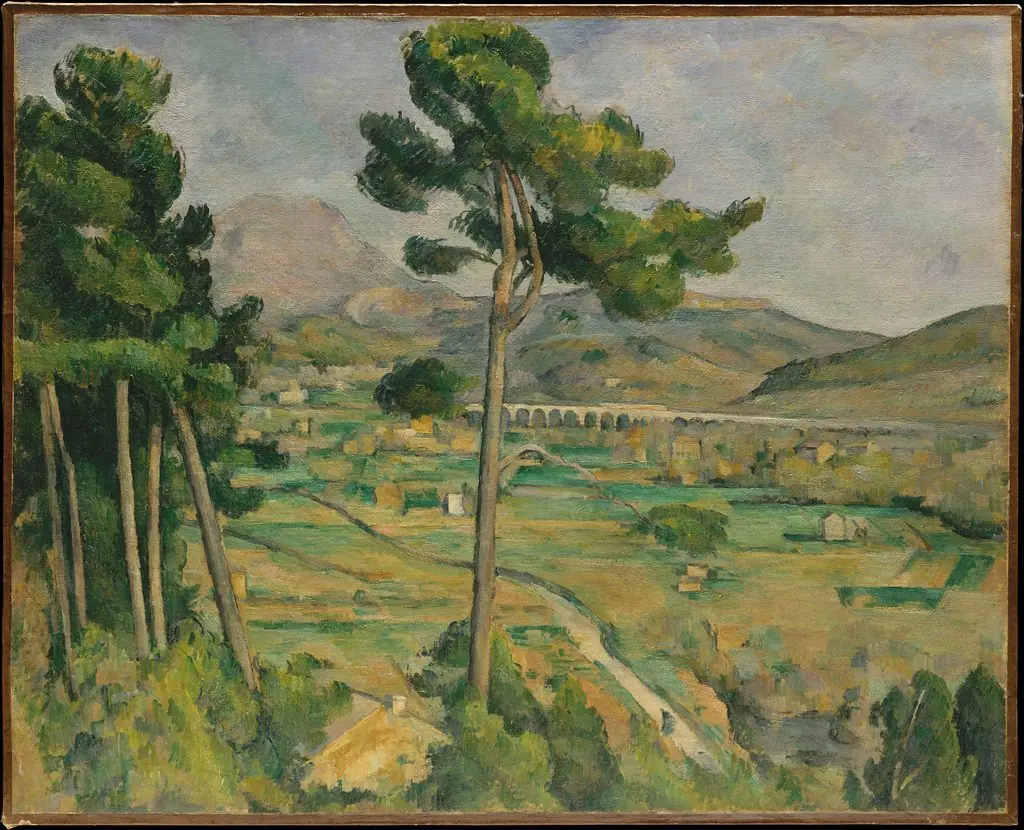 Mont Sainte-Victoire and the Viaduct of the Arc River Valley
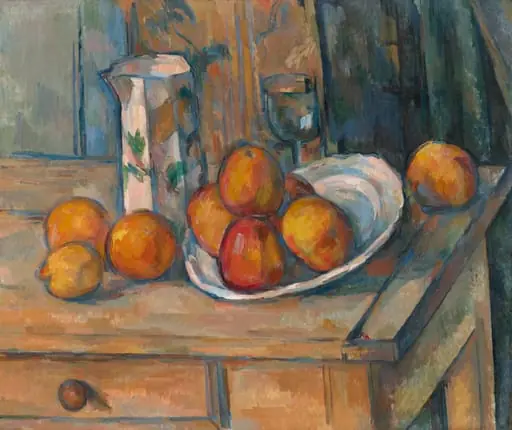 Still Life with Milk Jug and Fruit
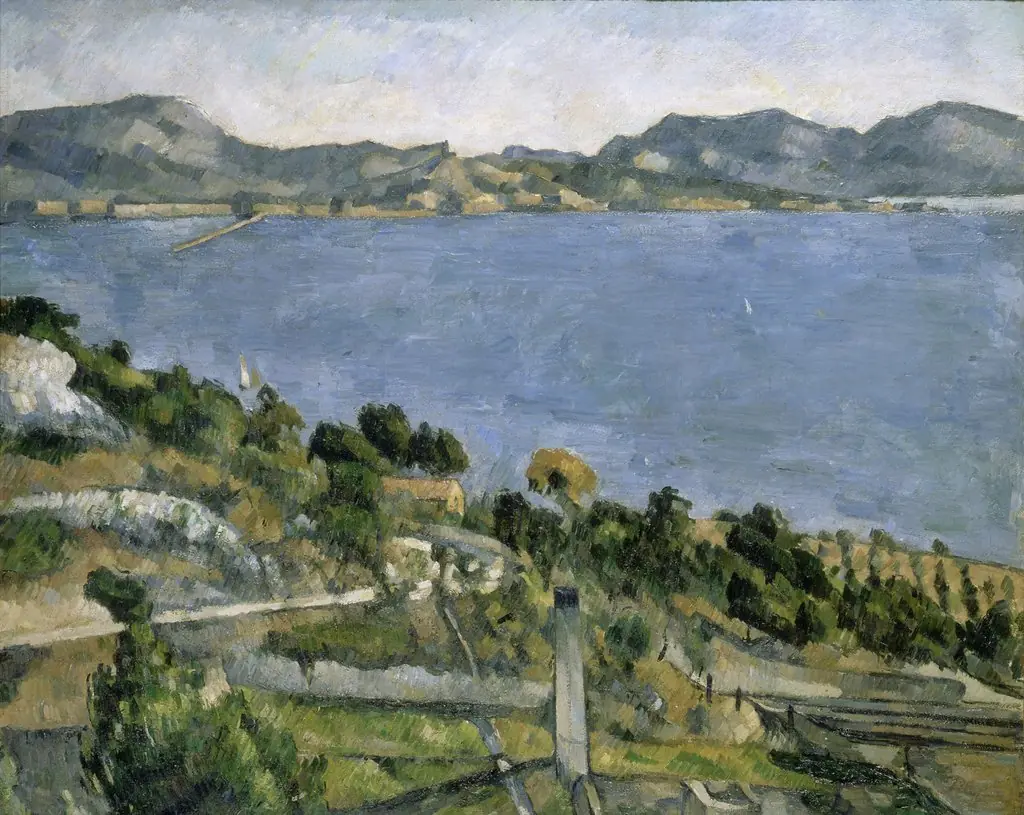 Le Golfe de Marseille vu de l'Estaque (The Gulf of Marseille Seen from L'Estaque)
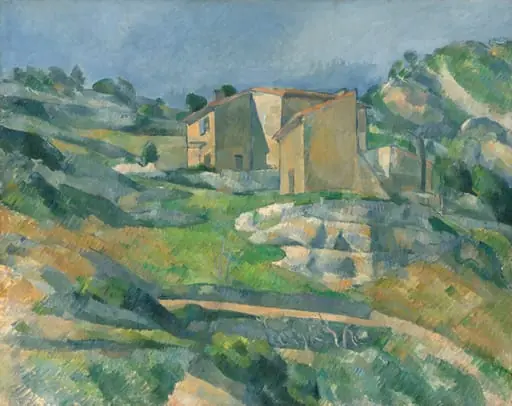 Houses in Provence: The Riaux Valley near L'Estaque
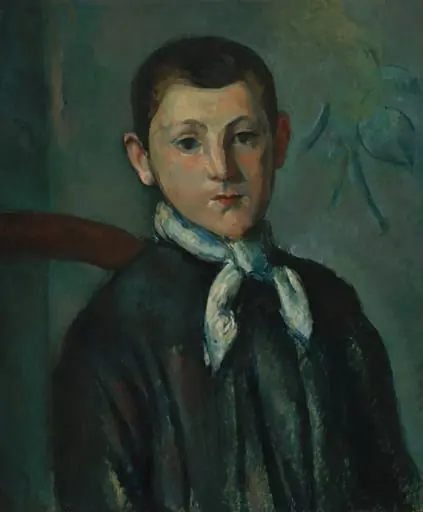 Louis Guillaume
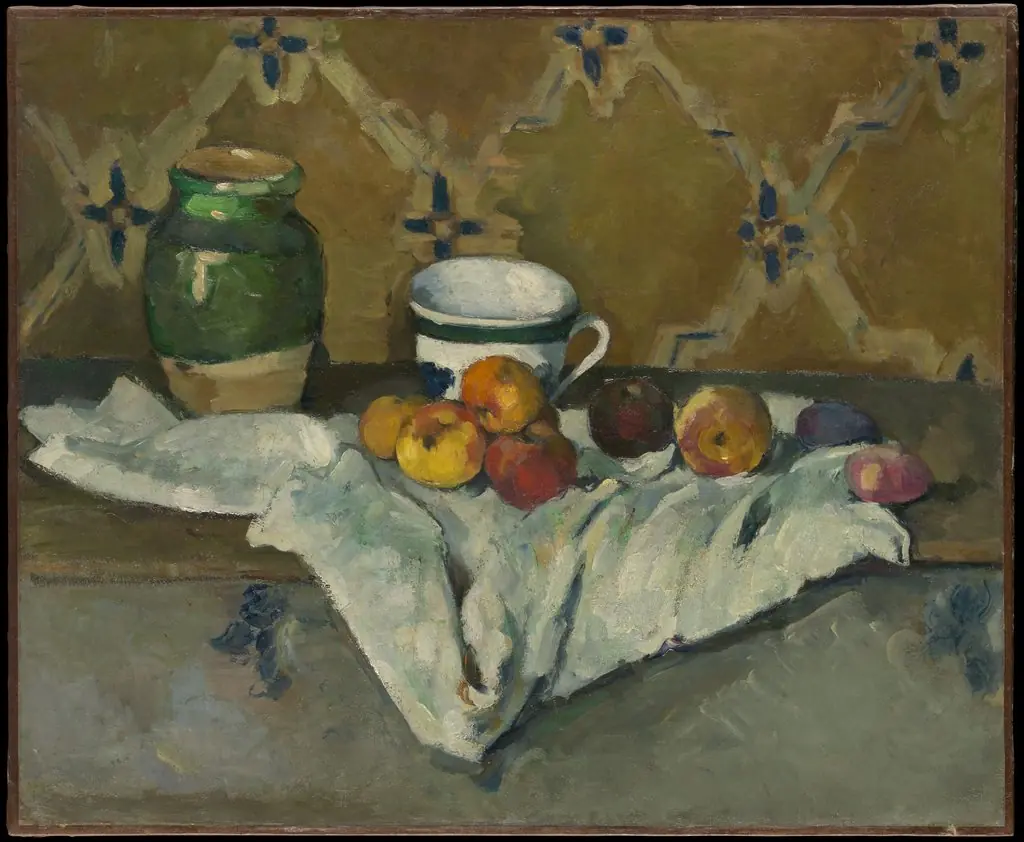 Still Life with Jar, Cup, and Apples