Artwork
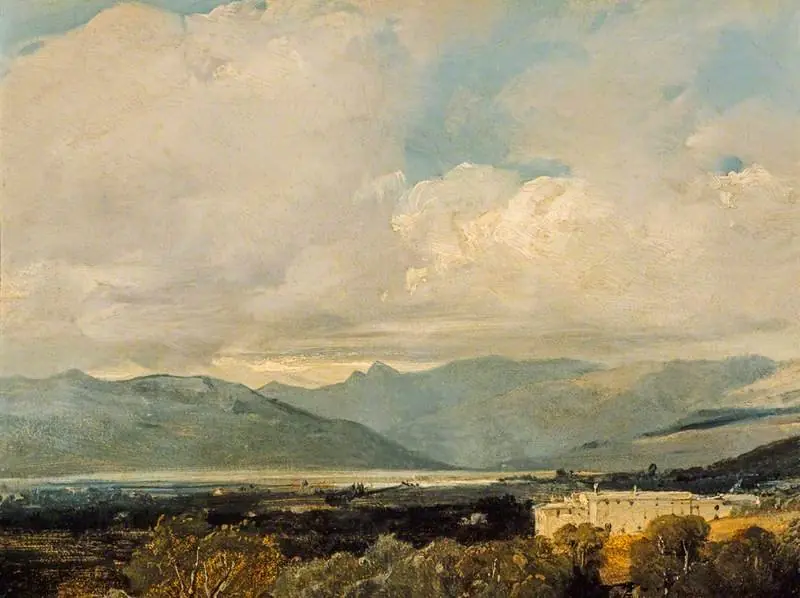
Village of Lauris, in Vaucluse on the Banks of the River Durance
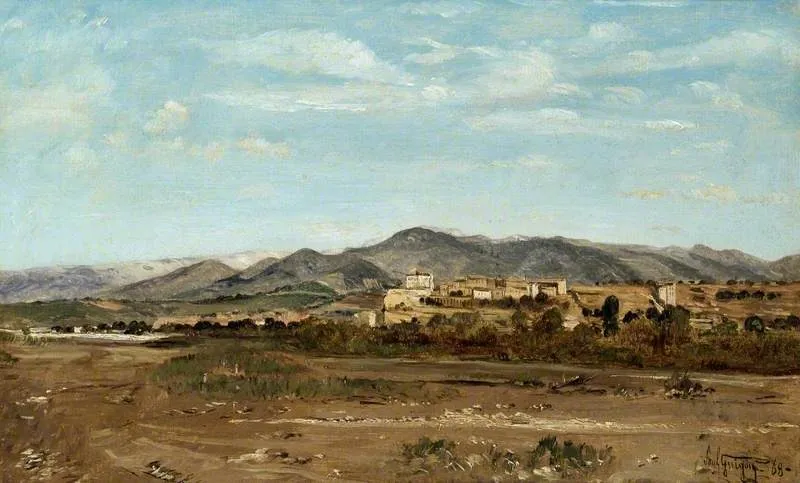
Village of Lauris, in Vaucluse on the Banks of the River Durance is an oil painting by the Realist artist Paul Guigou. It dates from 1868 and is held in the collection of the Ashmolean Museum.
About this work
Overview
Paul Guigou's *Village of Lauris, in Vaucluse on the Banks of the River Durance* (1868) is an oil painting depicting a serene rural landscape in Provence, the artist's native region in southern France.
Subject & Meaning
The painting captures a tranquil village scene nestled among trees, hills, and the gently flowing River Durance. The composition conveys a sense of peacefulness, inviting the viewer into an idyllic portrayal of rural life.
Technique & Style
Guigou, influenced by Realism, employs chiaroscuro to create depth and atmosphere. His use of light and shadow guides the viewer's eye through the winding dirt path, into the village, and towards the distant hills.
History & Provenance
Created in 1868, the work reflects Guigou's consistent focus on Provence's landscapes. Trained in Apt and Marseille, then associated with Parisian artistic circles (notably around Café Guerbois from 1863), Guigou's style blends regional subject matter with broader Realist tendencies.
Context
As a member of a prosperous family, Guigou's choice of rural themes may have been driven by a personal connection to the land rather than socio-economic commentary, characteristic of some Realist works.
Legacy
While specific legacy details of *Village of Lauris* are not provided, the piece contributes to Guigou's reputation for capturing the essence of Provence's landscapes, potentially influencing subsequent regional or Realist artists.
Artist & collection
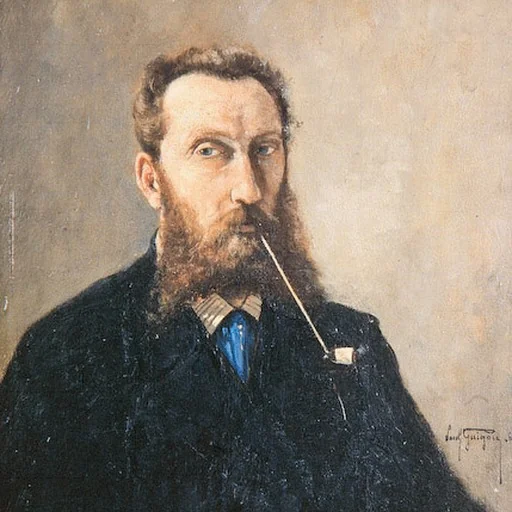
Artist
Paul Camille Guigou (15 February 1834 – 21 December 1871) was a French landscape painter.

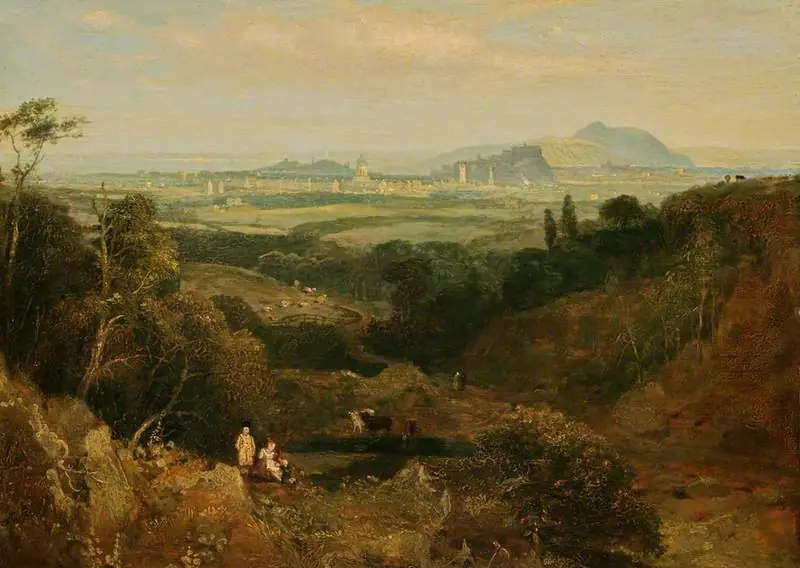 Edinburgh from Corstorphine Hill
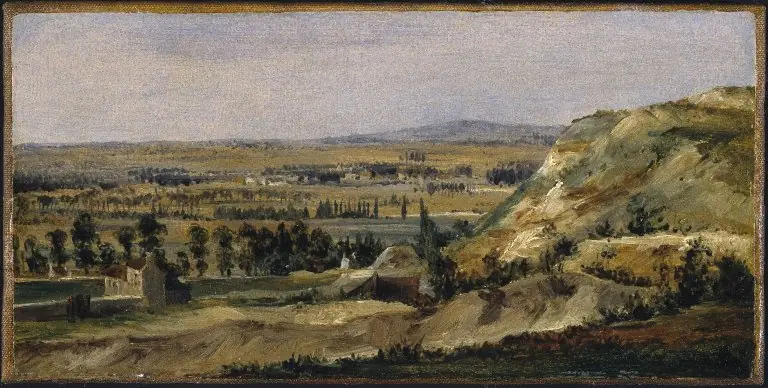 Panoramic Landscape
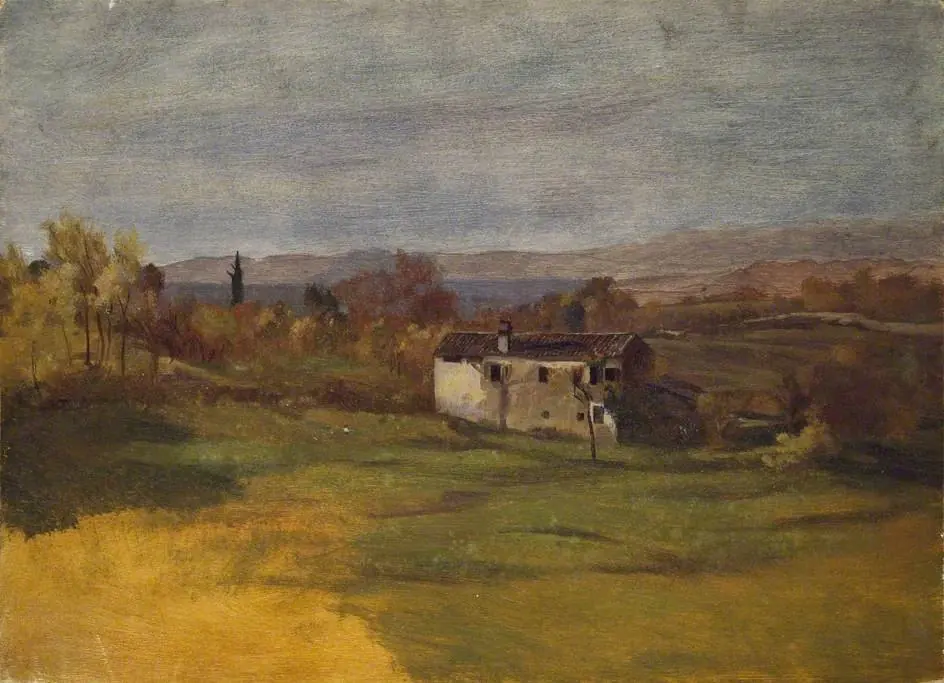 Asolo
Asolo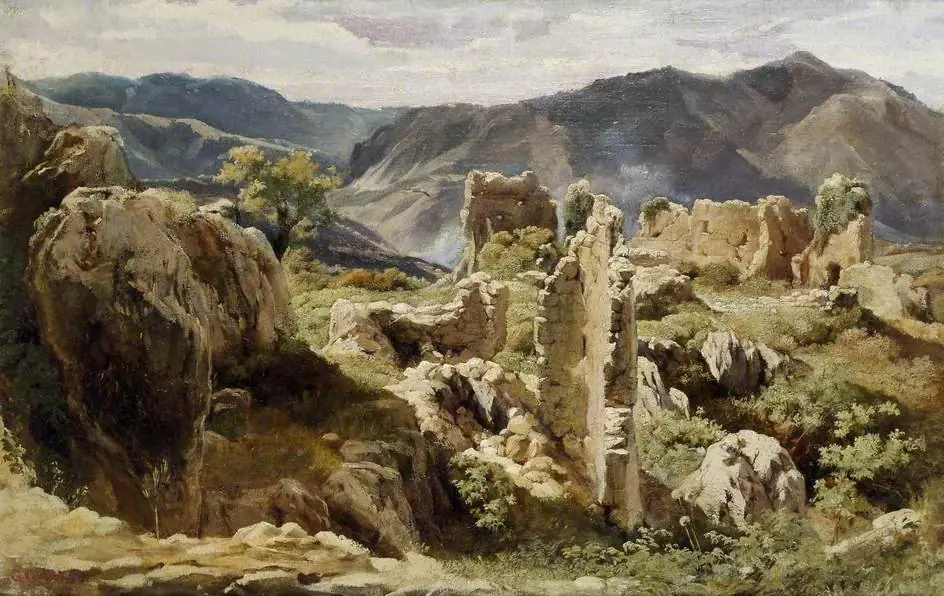 Ruins in the Colli Albani
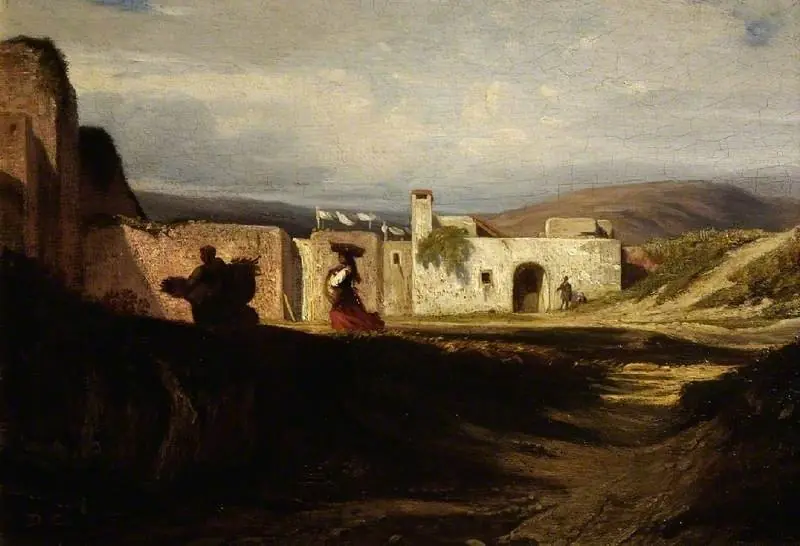 Scene in the Near East
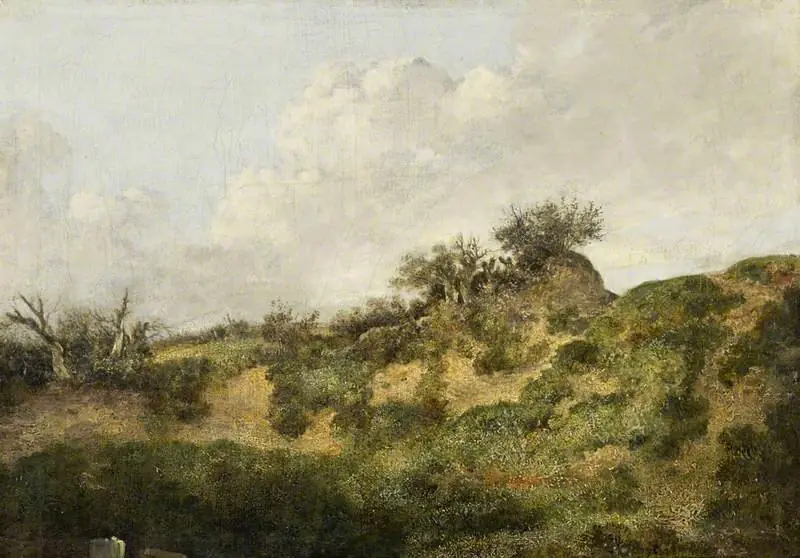 A Sandy Bank
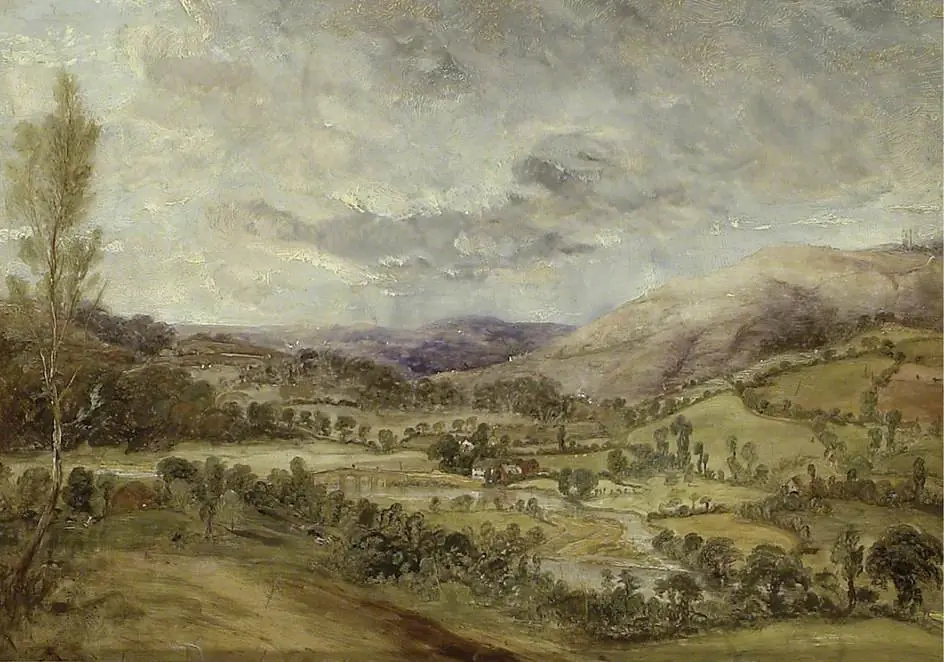 Landscape with a River Valley
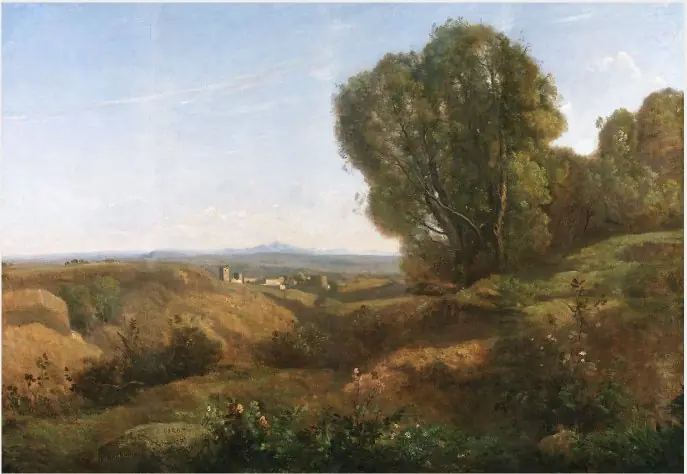 Souvenir of Roquemaure in the Gard
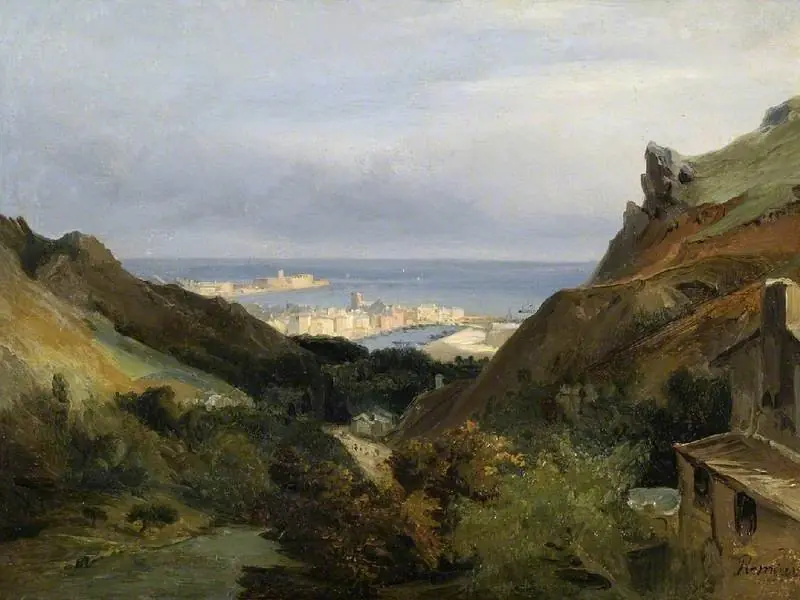 Italian landscape with a view of a harbour
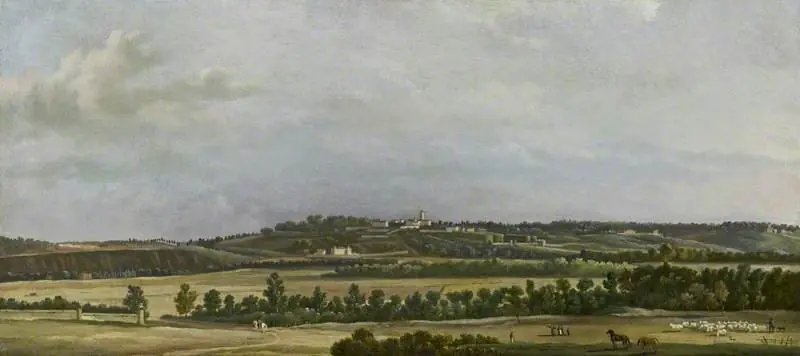 The Heights of Sannois Seen from the Plain of Argenteuil
 View near Sarzana, Val di Magra