Artwork
Paysage provençale, 1869
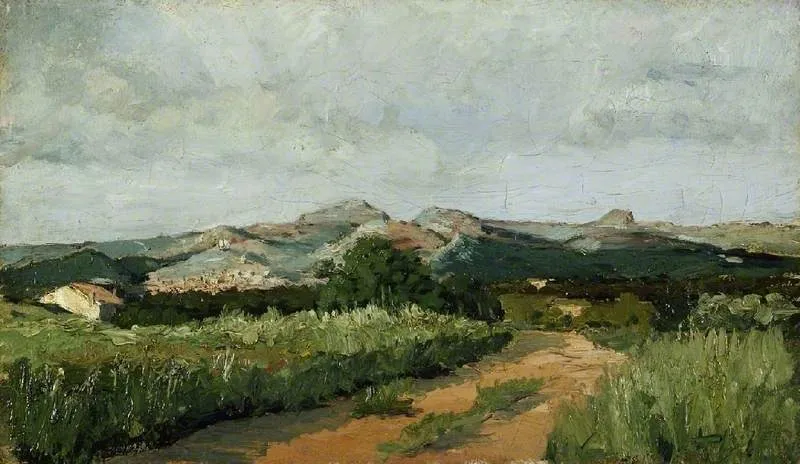
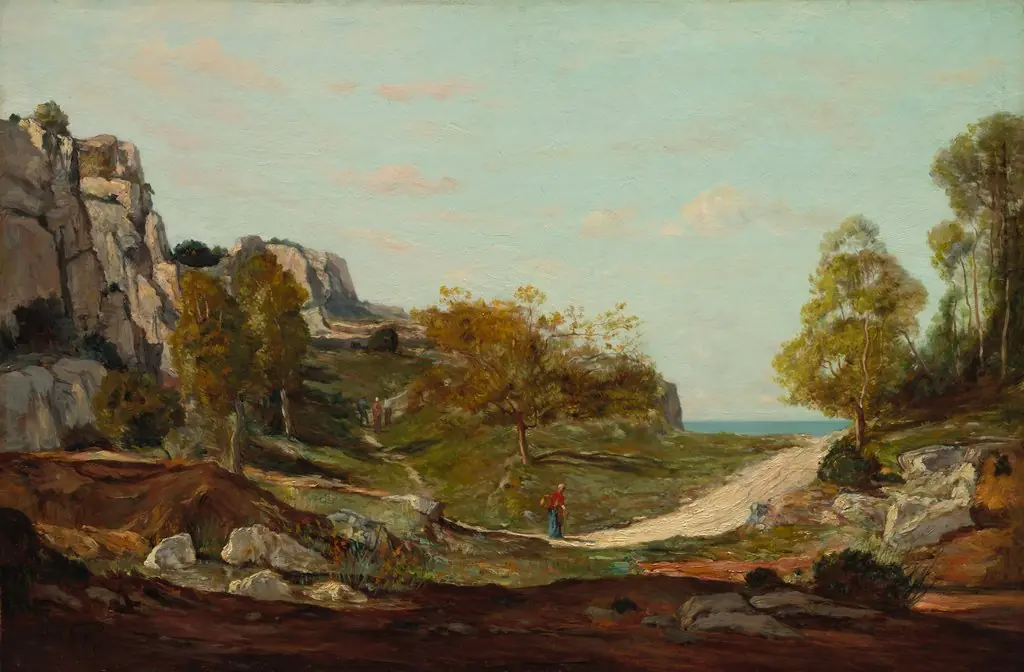
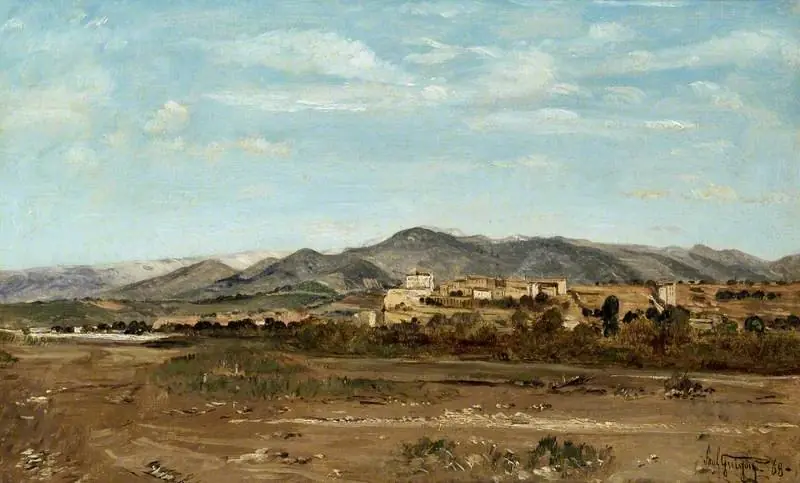
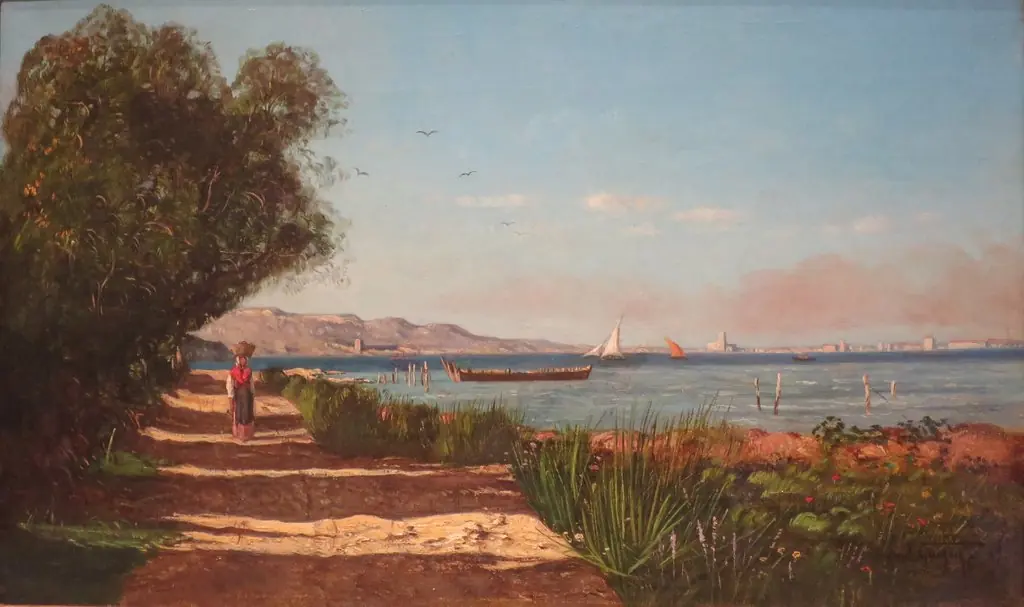
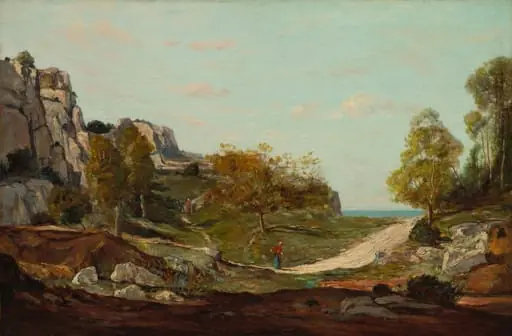
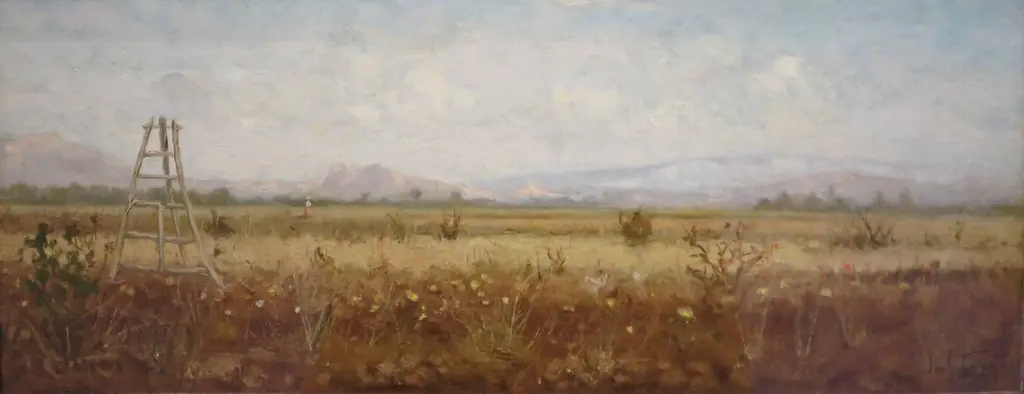
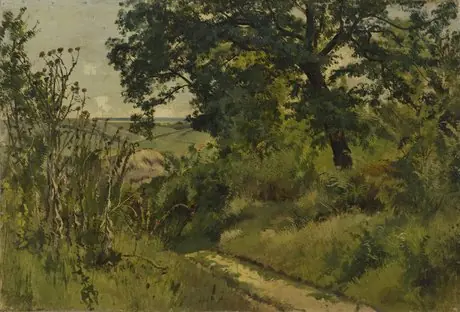
Paysage provençale, 1869 is an oil painting by the Realist artist Paul Guigou. It dates from 1869 and is held in the collection of the Fitzwilliam Museum. Created in 1869, *Paysage provençale* is an oil on canvas that captures a tranquil Provençal valley.
About this work
Overview
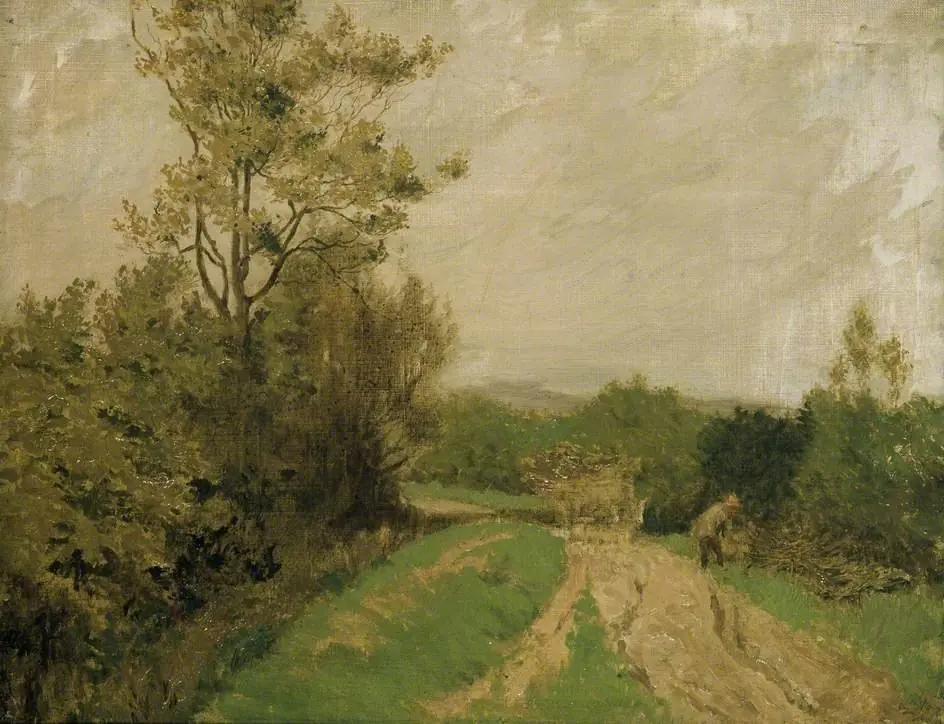
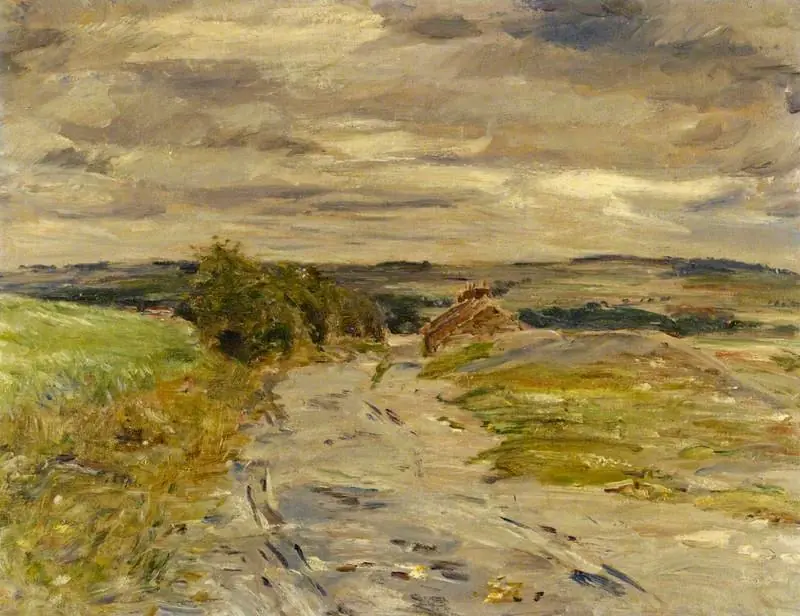
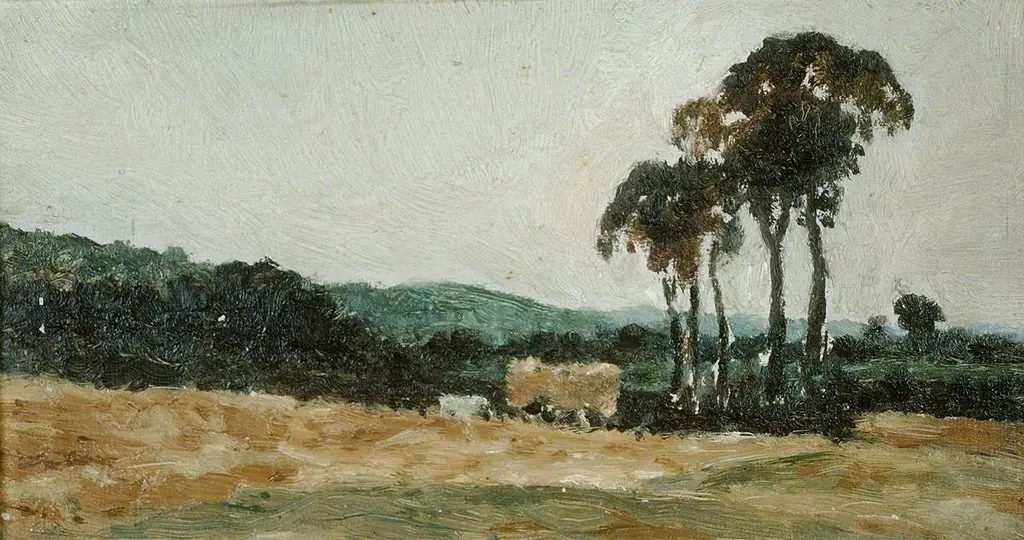
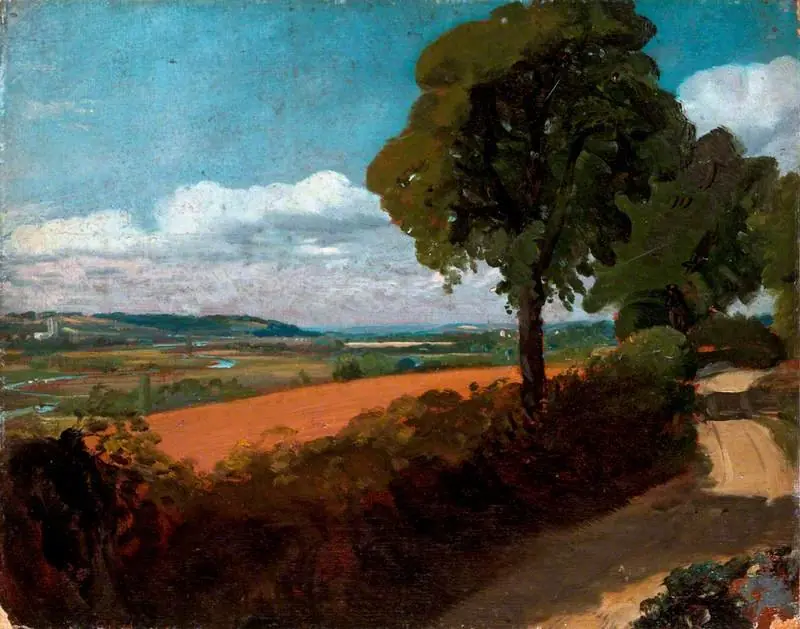
Created in 1869, *Paysage provençale* is an oil on canvas that captures a tranquil Provençal valley. A meandering path draws the eye inward, bordered by gentle hills and a few isolated trees. The composition balances foreground foliage with distant terrain, offering a quiet glimpse of southern France’s countryside.
Subject & Meaning
The work reflects Guigou’s lifelong interest in regional scenery, focusing on the everyday landscape of Provence rather than grand historical narratives. By emphasizing ordinary natural elements—a winding track, verdant fields, modest trees—the painting underscores the artist’s commitment to portraying the inherent beauty of his native environment.
Technique & Style
Guigou employs a palette ranging from pale mint to deep emerald, layering greens to suggest depth and texture. His brushwork is loose and energetic, imparting a sense of movement across the foliage and sky. The approach aligns with mid‑19th‑century realism, favoring direct observation over idealized representation.
History & Provenance
Born in 1834 to a prosperous family in Villars, Vaucluse, Guigou trained with Émile Loubon in Marseille before relocating to Paris in 1863. *Paysage provençale* was produced during his early Parisian period, a time when he was consolidating his reputation as a landscape painter devoted to the Provençal milieu.
Artist & collection
Artist
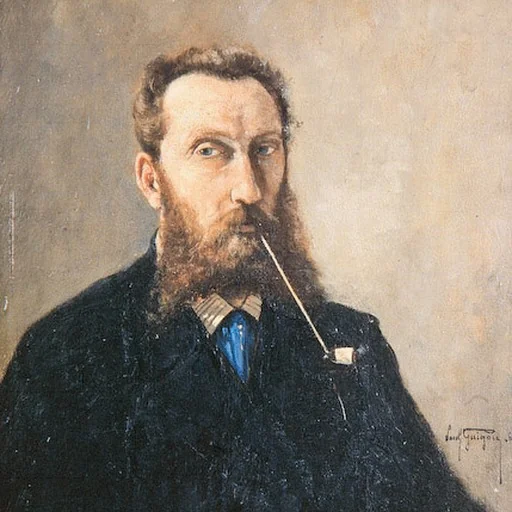
Paul Camille Guigou (15 February 1834 – 21 December 1871) was a French landscape painter.