Artwork
Study of Hands (recto); Sketch of a Hand (verso)
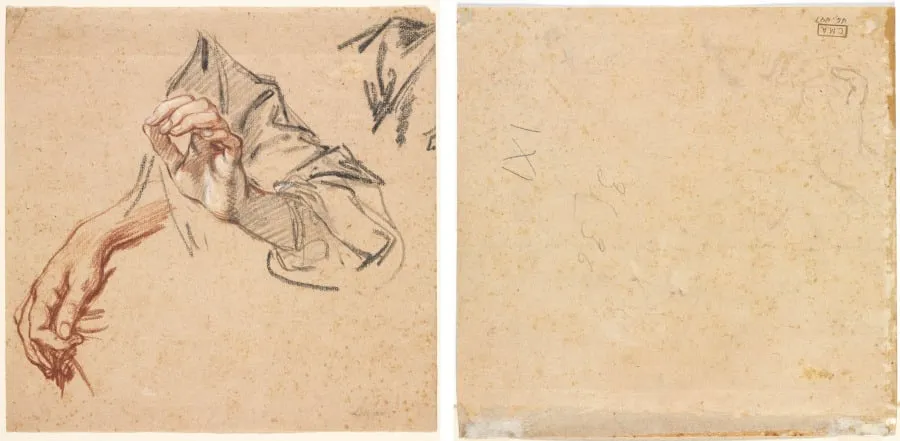
Study of Hands (recto); Sketch of a Hand (verso) is a drawing by the Baroque artist Pierre L'Enfant. It dates from 1704 and is held in the collection of the Cleveland Museum of Art.
About this work
Overview
The work reflects Lenfant’s transition from battlefield documentation to quiet, domestic observation within the royal workshop.
This double-sided drawing by Pierre Lenfant features two delicate studies of hands executed in colored chalks, created during his residence at the Gobelins Manufactory. One side presents a detailed depiction of a hand engaged in thread manipulation; the reverse holds a looser, rapid sketch. Both were made on the same sheet, suggesting intimate, repeated observation. The work reflects Lenfant’s transition from battlefield documentation to quiet, domestic observation within the royal workshop.
Subject & Meaning
The hands likely belong to a weaver at work, manipulating silk or gold threads in the production of royal tapestries. The focused gesture on the recto implies concentration and labor, while the verso’s sketch captures a fleeting moment of rest or preparation. Neither image is idealized; instead, they convey the physicality of craft. The subject elevates anonymous labor, grounding royal patronage in the tangible effort of unseen artisans.
Technique & Style
Lenfant employed soft pastel chalks with subtle layering to model form through gentle gradations. Edges are blurred, creating a sense of warmth and movement akin to sfumato, where contours dissolve into ambient tone. The chalk’s texture mimics the softness of thread and skin, enhancing tactile realism. The contrast between the refined recto and the spontaneous verso reveals a shift from deliberate study to instinctive notation, both governed by keen observation.
History & Provenance
After serving as a battlefield artist for Louis XV during the War of the Austrian Succession, Lenfant and his family were granted lifelong housing at the Gobelins Manufactory. This drawing was produced during his tenure there, likely between the late 1740s and 1760s. Its survival suggests it was retained as a personal record rather than a commissioned piece, offering rare insight into the daily rhythms of the royal workshop beyond official tapestry designs.
Context
At Gobelins, artists and artisans collaborated under royal patronage to produce luxury textiles for the court. While tapestry cartoons were meticulously planned, preparatory drawings like this one reveal the quiet, repetitive labor behind grand commissions. Lenfant’s focus on hands—rather than finished works—shifts attention from royal spectacle to the skilled, physical acts sustaining it, aligning with a broader 18th-century interest in the dignity of craft.
Legacy
This drawing stands as a quiet testament to the overlooked labor within royal manufactories. Unlike grand tapestries, it survives not as a public monument but as a private artifact of observation. Its intimacy anticipates later 19th-century studies of labor, though rooted in the specific social structure of Bourbon France. It endures as a record of unseen hands shaping the visual culture of an era.
Artist & collection
Artist
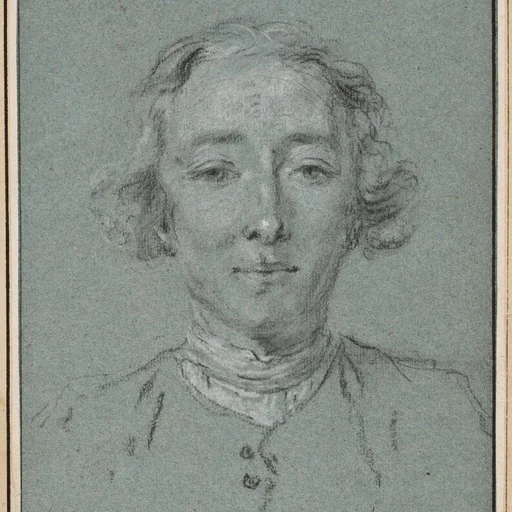
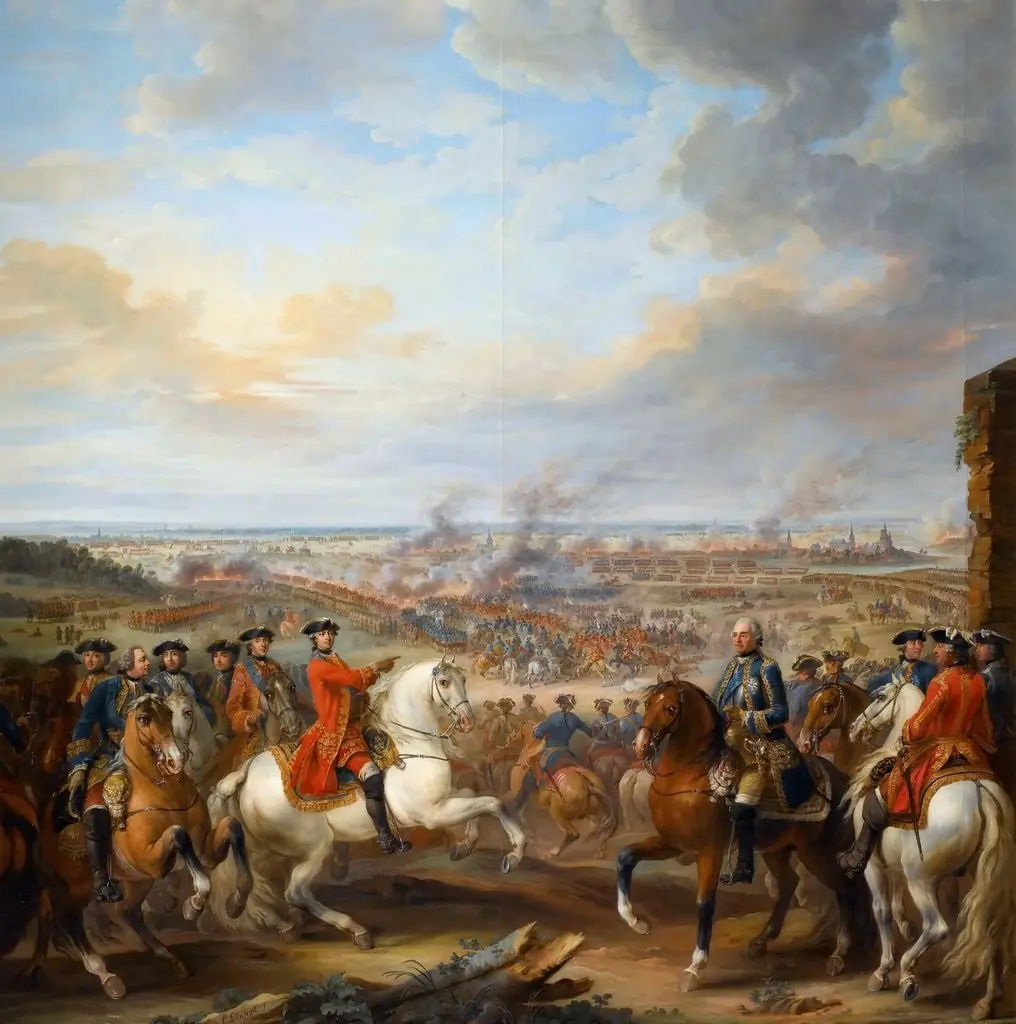
Pierre L'Enfant (August 26, 1704 – June 23, 1787) was an 18th-century French artist who was known for his battle scene paintings in the court of Louis XV.


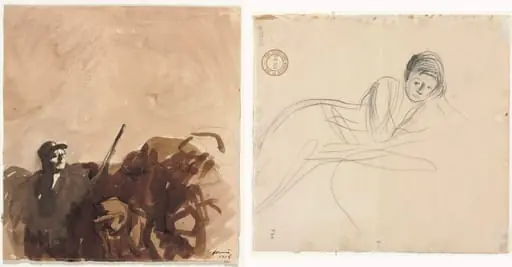 Soldier in a Trench (recto) Reclining Woman (verso)
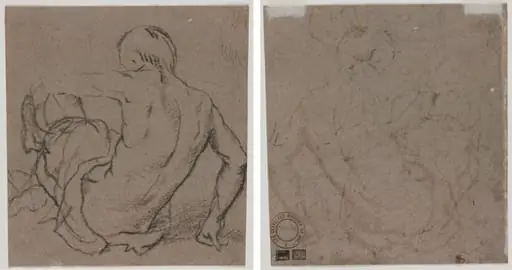 Man Seated on the Ground, Seen from Behind (recto); Sketch (verso)
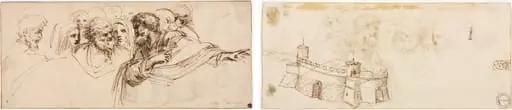 Study of Heads (recto); Crenelated Fortress (verso)
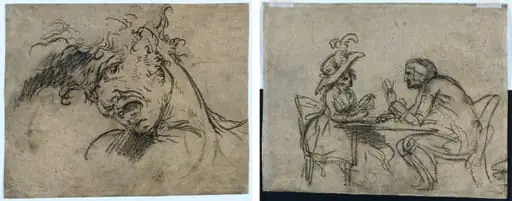 Head of a Screaming Man (recto); Woman and Man Playing Cards (verso)
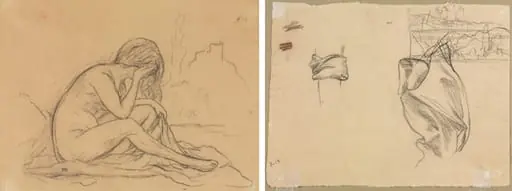 Study of a Female Nude (possibly for an unrealized allegorical painting) (recto); Studies of Drapery and Study of a Landscape (verso)
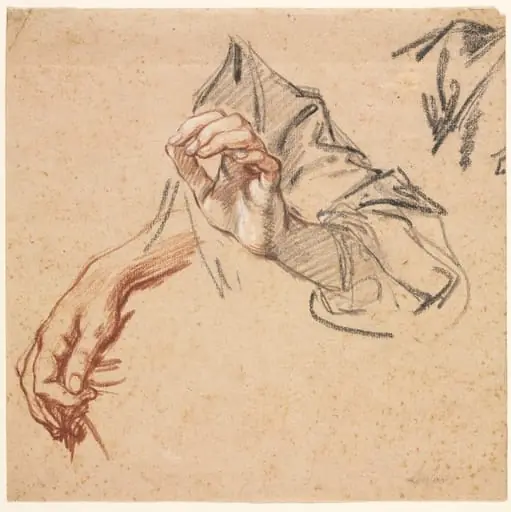
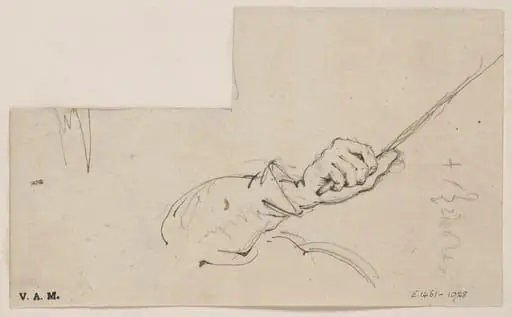 An arm and hand holding a stick
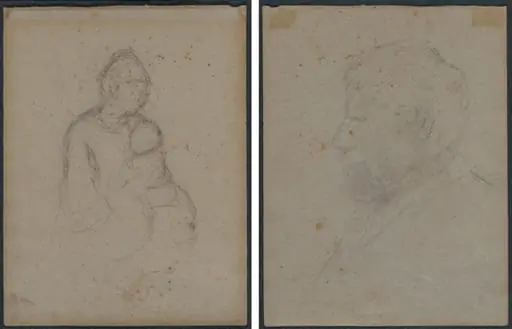 Mother and Child (recto); Profile Bust of a Man (verso)
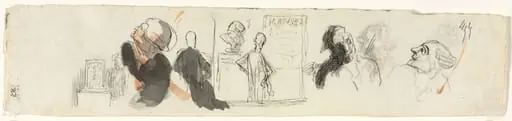 Sketches of Various Figures (verso)