Artwork
The Pigeon Tower at Bellevue
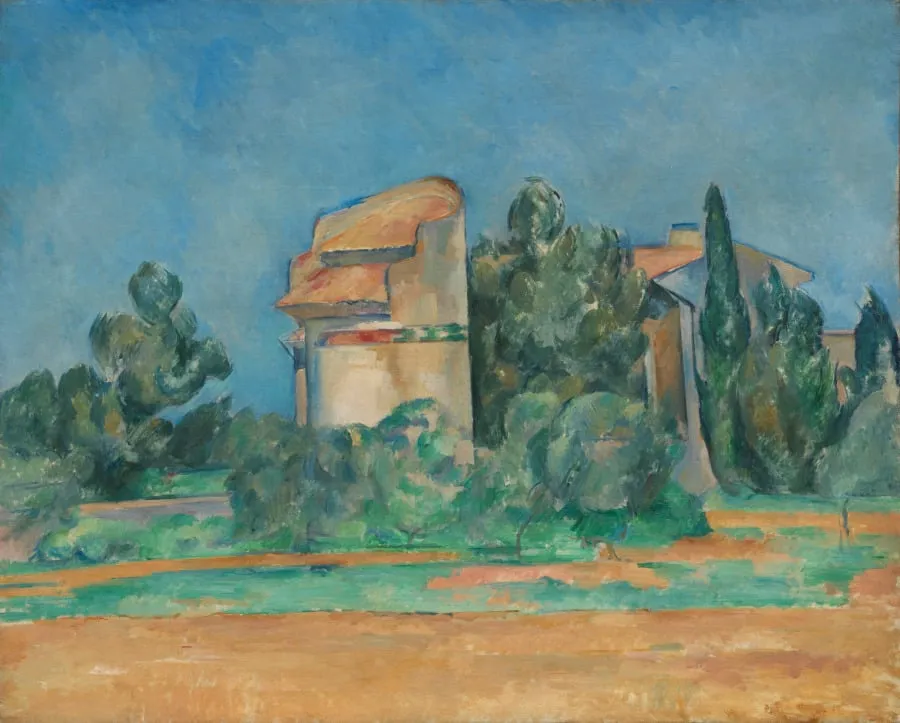
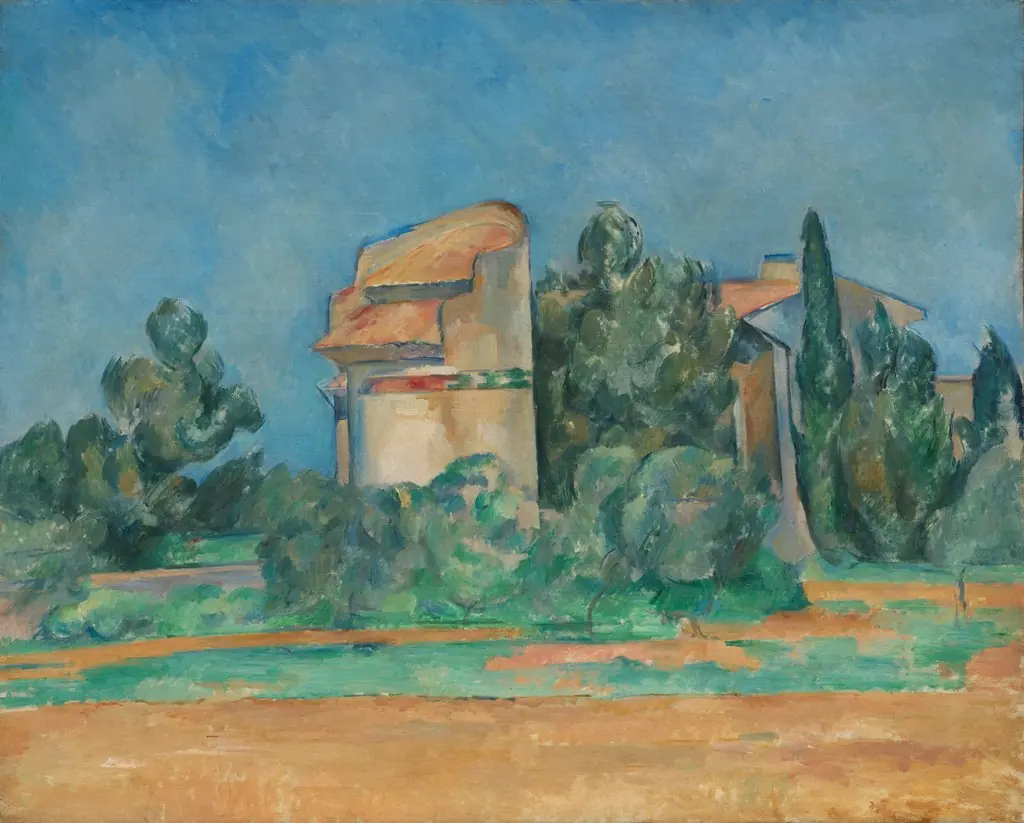
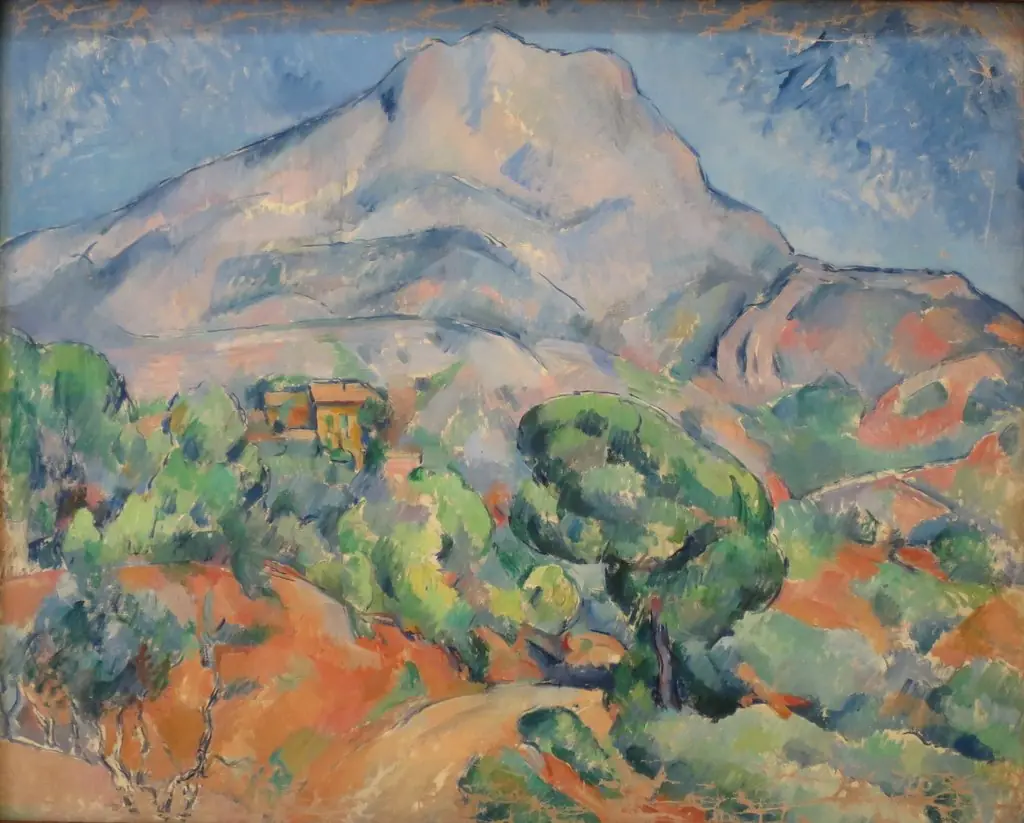
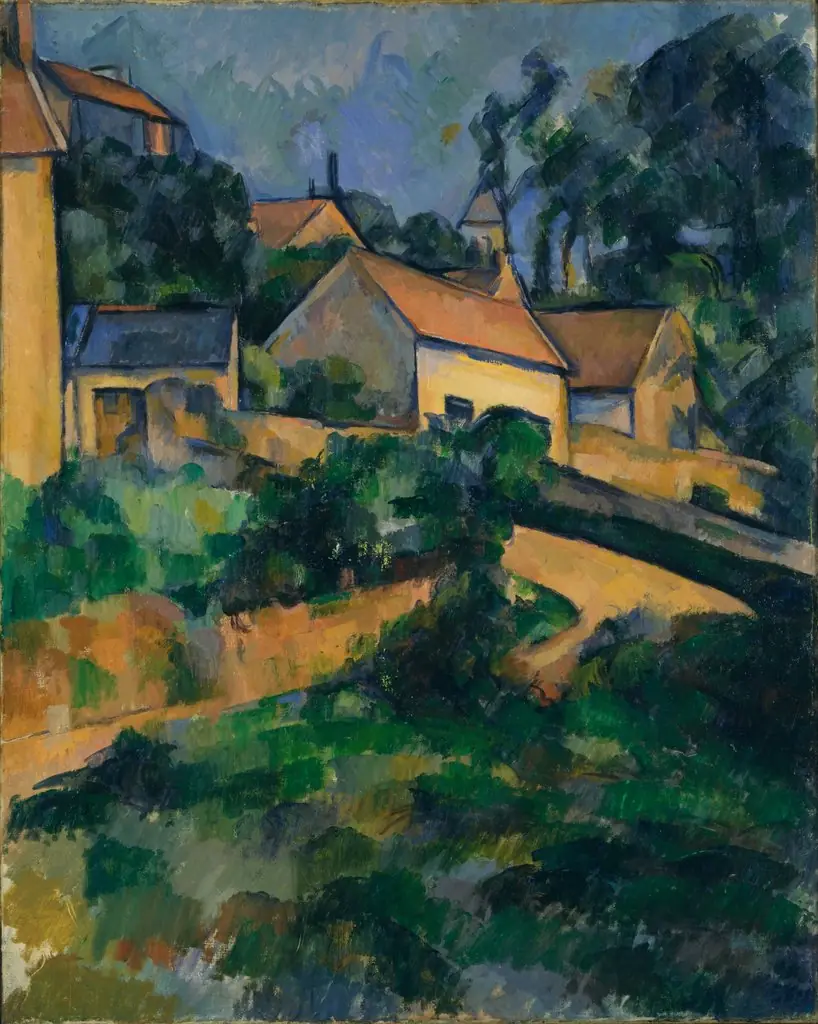
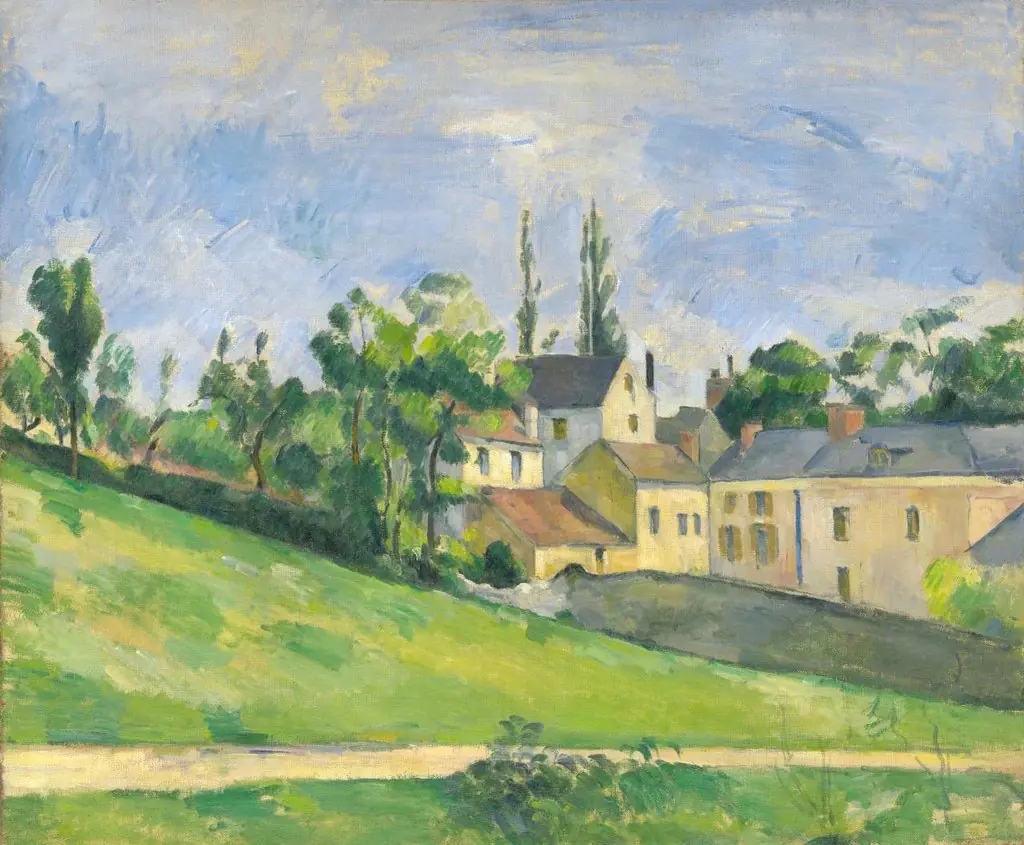
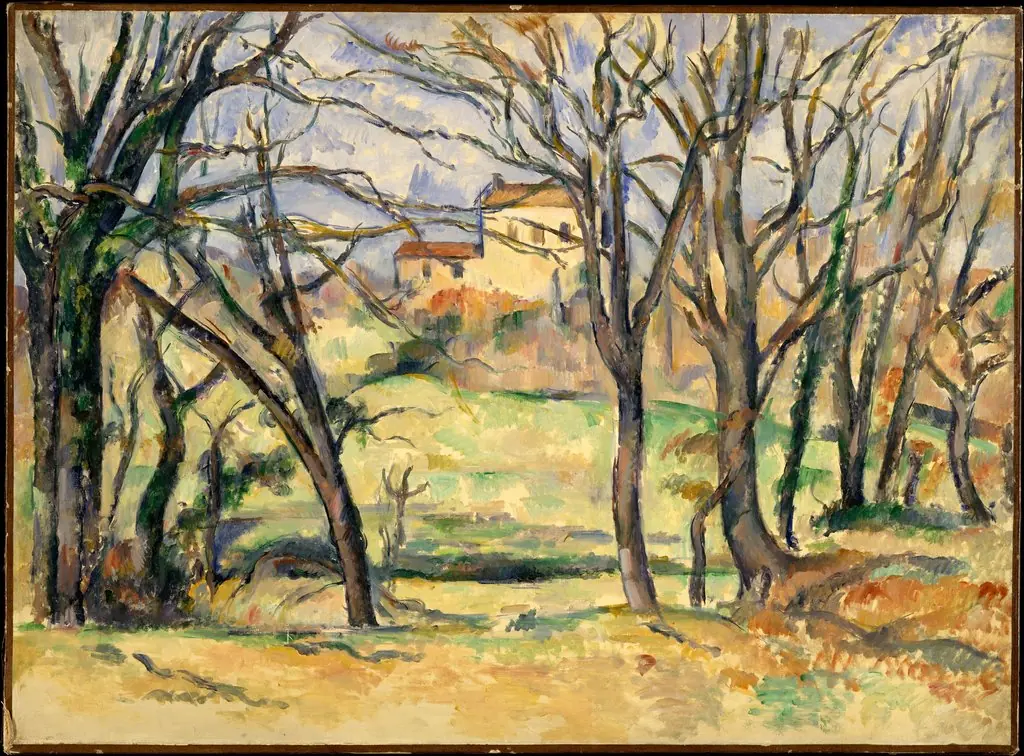
The Pigeon Tower at Bellevue is an unspecified painting by the Impressionist artist Paul Cezanne. It dates from 1890 and is held in the collection of the Cleveland Museum of Art. The canvas presents a solitary white pigeon tower perched on a rust‑colored plain, framed by olive trees and a clear blue sky.
About this work
Overview
The canvas presents a solitary white pigeon tower perched on a rust‑colored plain, framed by olive trees and a clear blue sky. The landscape is rendered in three distinct bands of hue: a sky of pale azure, a luminous tower and surrounding structures, and a foreground of burnt‑orange earth that reflects the iron‑rich soils of southern France.
Subject & Meaning
The work isolates the tower and its immediate surroundings, removing narrative detail to focus on the relationship between built form and terrain. By reducing the scene to its essential shapes, the artist emphasizes the permanence of the structure against the mutable landscape, echoing his stated aim to create art that endures like museum pieces.
Technique & Style
The painter applied thick, textured brushstrokes (impasto) to build solid planes of color, allowing each horizontal layer to stand out while still interacting visually. Greens of cypress and olive foliage punctuate the middle ground, while the orange earth and white tower are rendered with luminous, almost sculptural solidity, illustrating his progressive simplification of detail.
History & Provenance
The motif of the pigeon tower recurs throughout the artist’s career, each version progressively stripped of ornamentation. The repeated treatment of this Provençal site demonstrates his long‑term engagement with the region’s light and soil, a subject he returned to repeatedly during the later phases of his practice.
Artist & collection
Artist
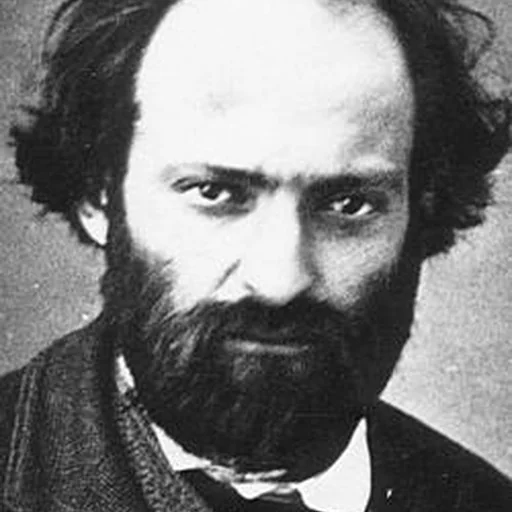
Paul Cézanne was born on January 19, 1839, in Aix-en-Provence, the son of a hatter turned wealthy banker.

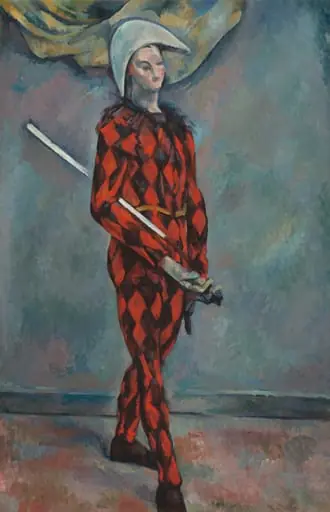 Harlequin
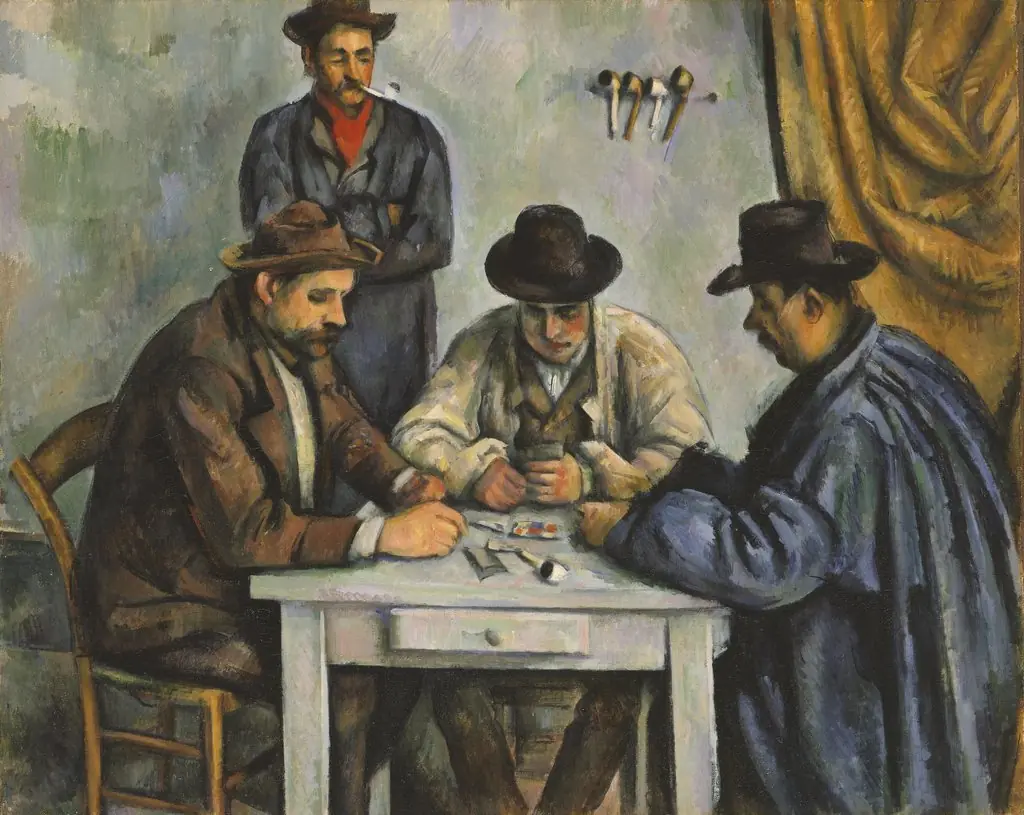 The Card Players
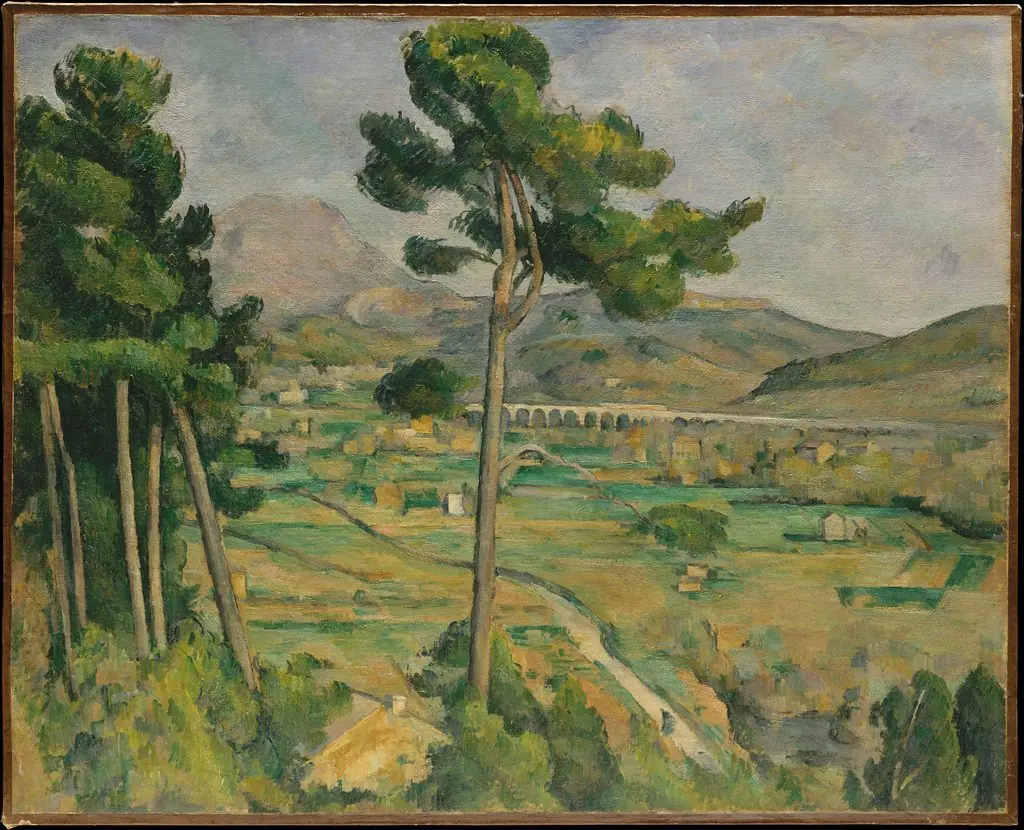 Mont Sainte-Victoire and the Viaduct of the Arc River Valley
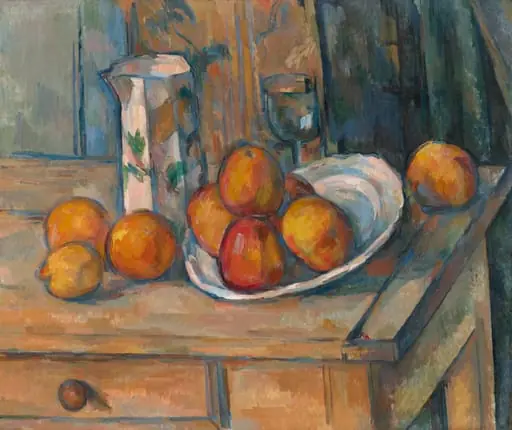 Still Life with Milk Jug and Fruit
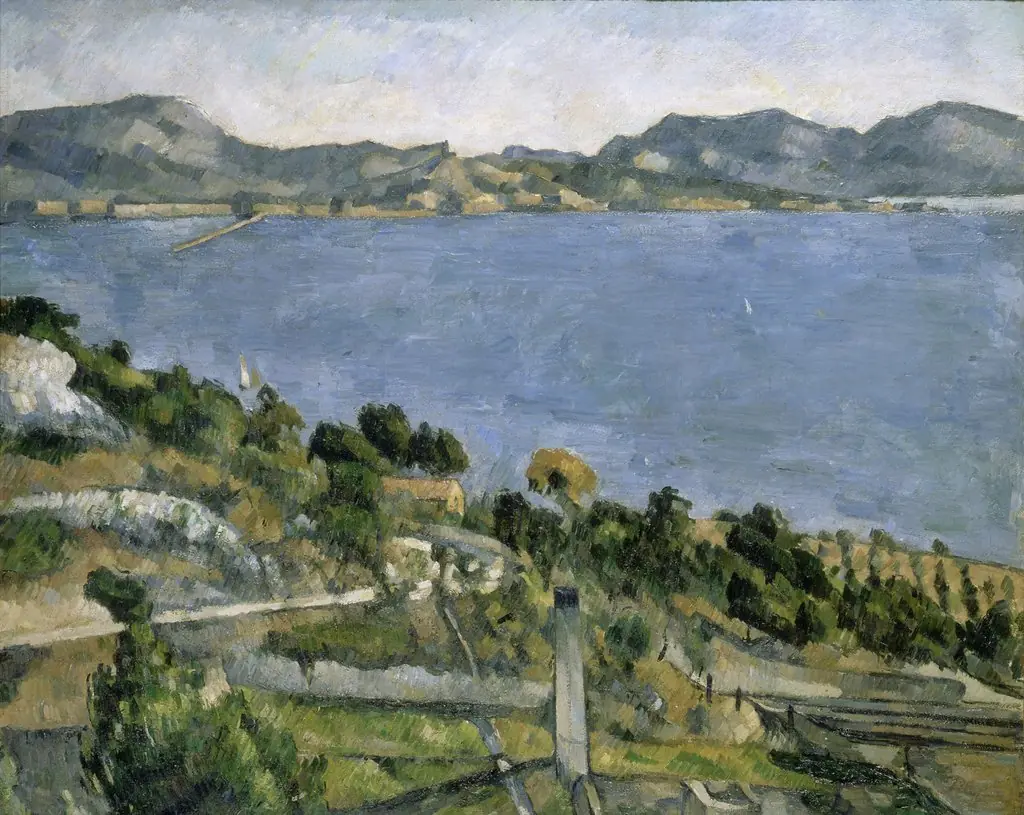 Le Golfe de Marseille vu de l'Estaque (The Gulf of Marseille Seen from L'Estaque)
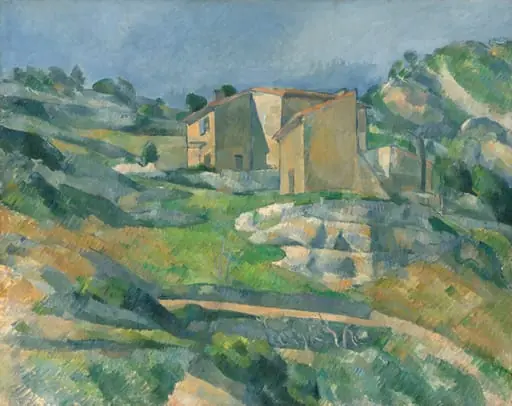 Houses in Provence: The Riaux Valley near L'Estaque
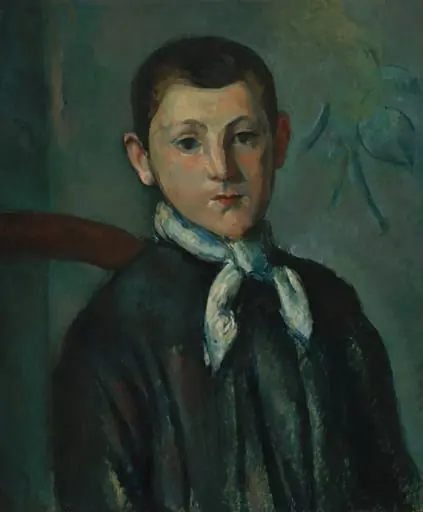 Louis Guillaume
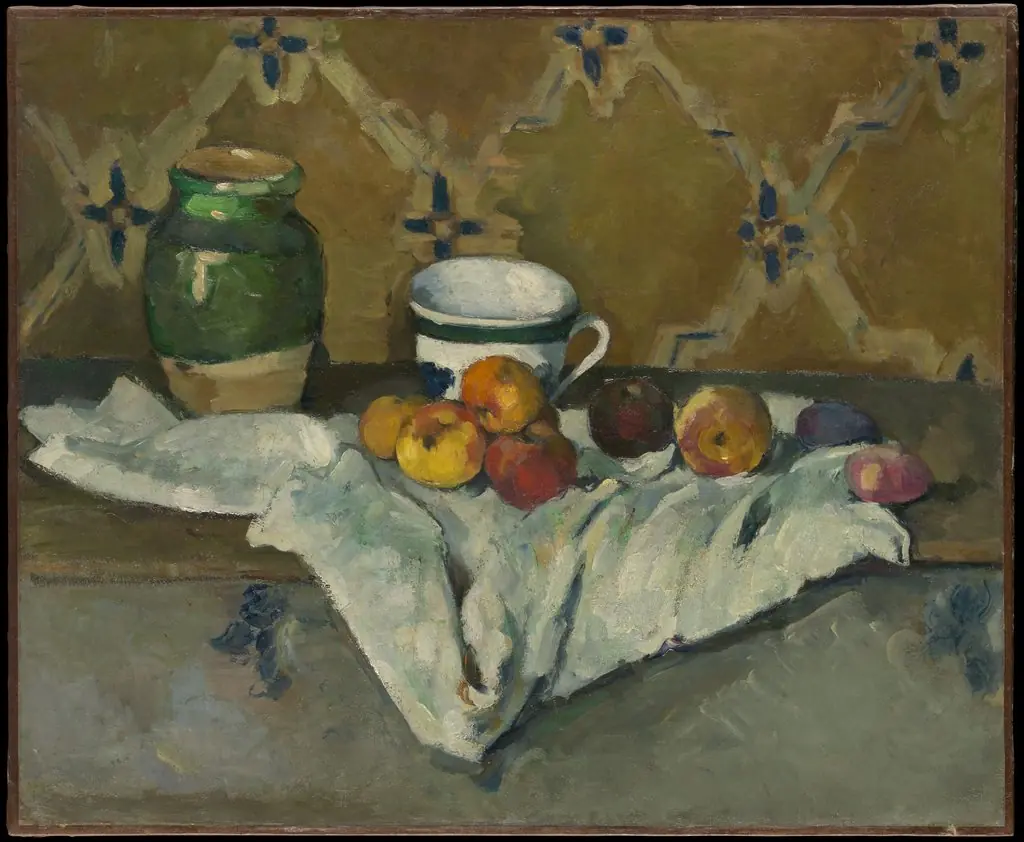 Still Life with Jar, Cup, and Apples