Artwork
Portret van Maria Coutteau
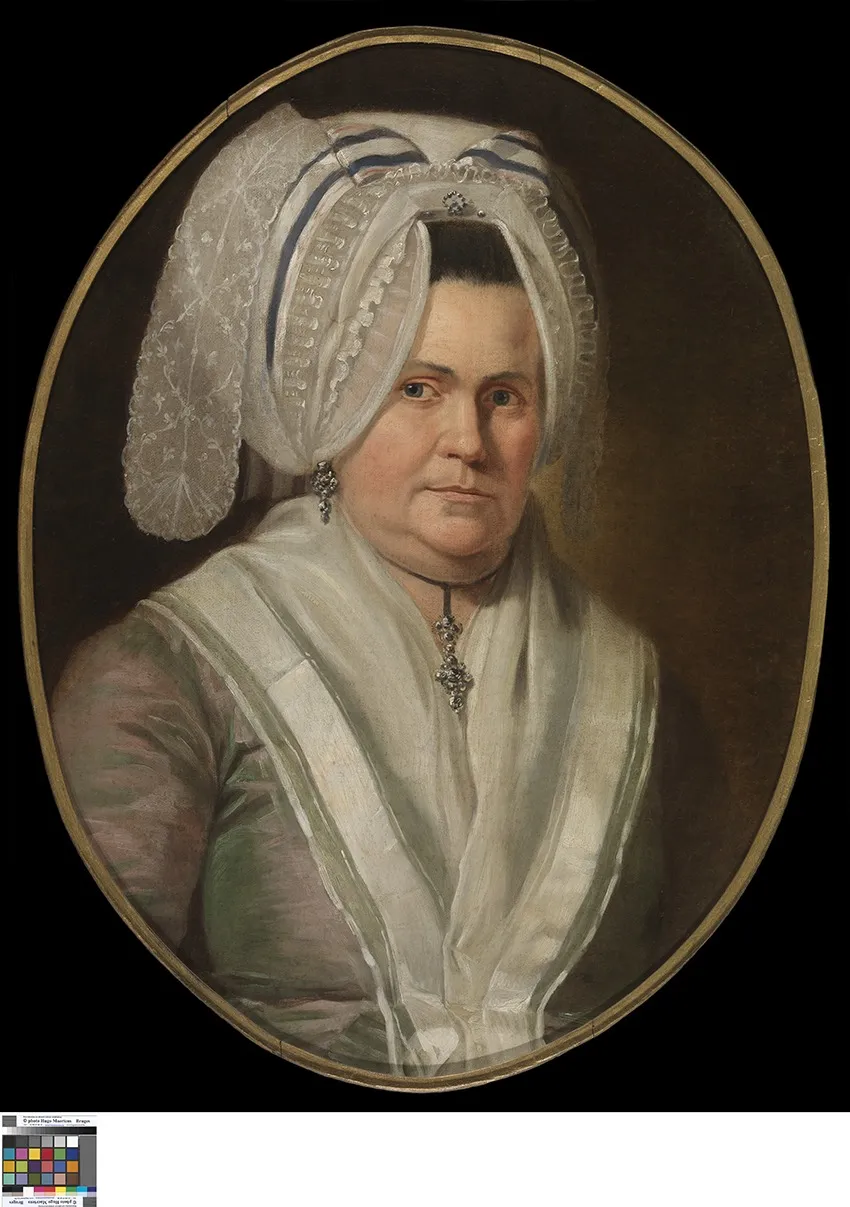
Portret van Maria Coutteau is an oil painting by the Rococo painting artist Paul de Cock. It dates from 1770 and is held in the collection of the Groeningemuseum.
About this work
Overview
Painted in 1770 by Paul de Cock, this oil portrait captures Maria Coutteau in a quiet, intimate setting. The work is part of the Groeningemuseum’s collection and exemplifies 18th-century Flemish portraiture. Its restrained composition and focus on the sitter’s attire reflect the period’s emphasis on personal dignity and social status through dress rather than elaborate settings.
Subject & Meaning
Maria Coutteau is portrayed with modest elegance, her attire signaling middle- or upper-class status. The white lace cap and dark ribbon suggest propriety and refinement, while the prominent necklace may indicate personal or familial significance. The absence of symbolic objects or background elements directs attention to her presence, emphasizing individual identity over allegory.
Technique & Style
De Cock employs subtle chiaroscuro to model the sitter’s face and fabric, using soft transitions between light and shadow.
De Cock employs subtle chiaroscuro to model the sitter’s face and fabric, using soft transitions between light and shadow. The lace of her cap is rendered with delicate brushwork, capturing its texture and volume. Light catches the pendant on her necklace with precision, highlighting material richness without ostentation. The dark, unadorned background enhances the three-dimensionality of her form.
History & Provenance
The painting has remained in institutional care since at least the 19th century, entering the Groeningemuseum’s collection as part of its focus on regional portraiture. Its continuous preservation suggests early recognition of its artistic merit. No records indicate prior ownership outside public institutions, supporting its stable provenance within Flanders.
Context
In late 18th-century Flanders, portraiture often served to document personal and familial identity within a growing urban middle class. De Cock’s approach aligns with regional traditions that favored restrained realism over theatricality. The emphasis on textile detail reflects broader cultural interest in material culture and personal adornment as markers of social standing.
Legacy
The portrait stands as a representative example of Flemish domestic portraiture from the late Enlightenment. While not widely exhibited beyond regional collections, it contributes to scholarly understanding of how ordinary individuals were visually represented in a period transitioning from aristocratic to bourgeois values. Its quiet precision continues to inform studies of 18th-century visual culture.
Artist & collection

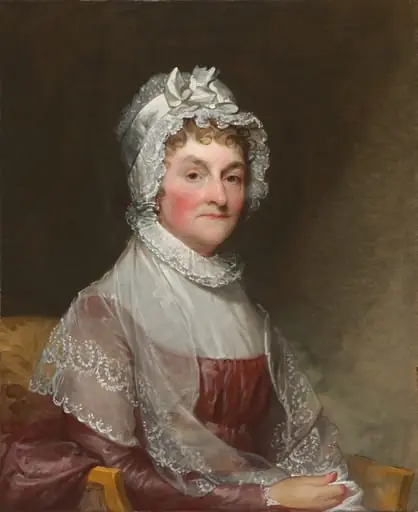 Abigail Smith Adams (Mrs. John Adams)
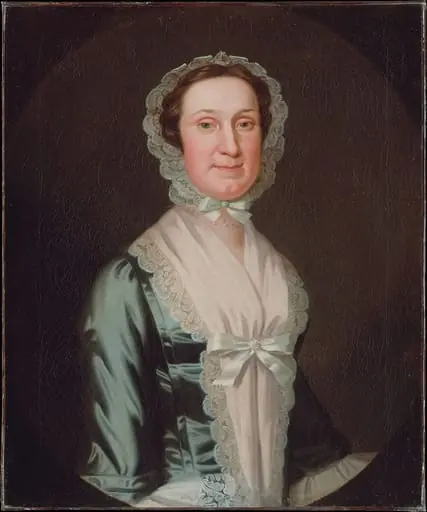 Mrs. Joseph Reade
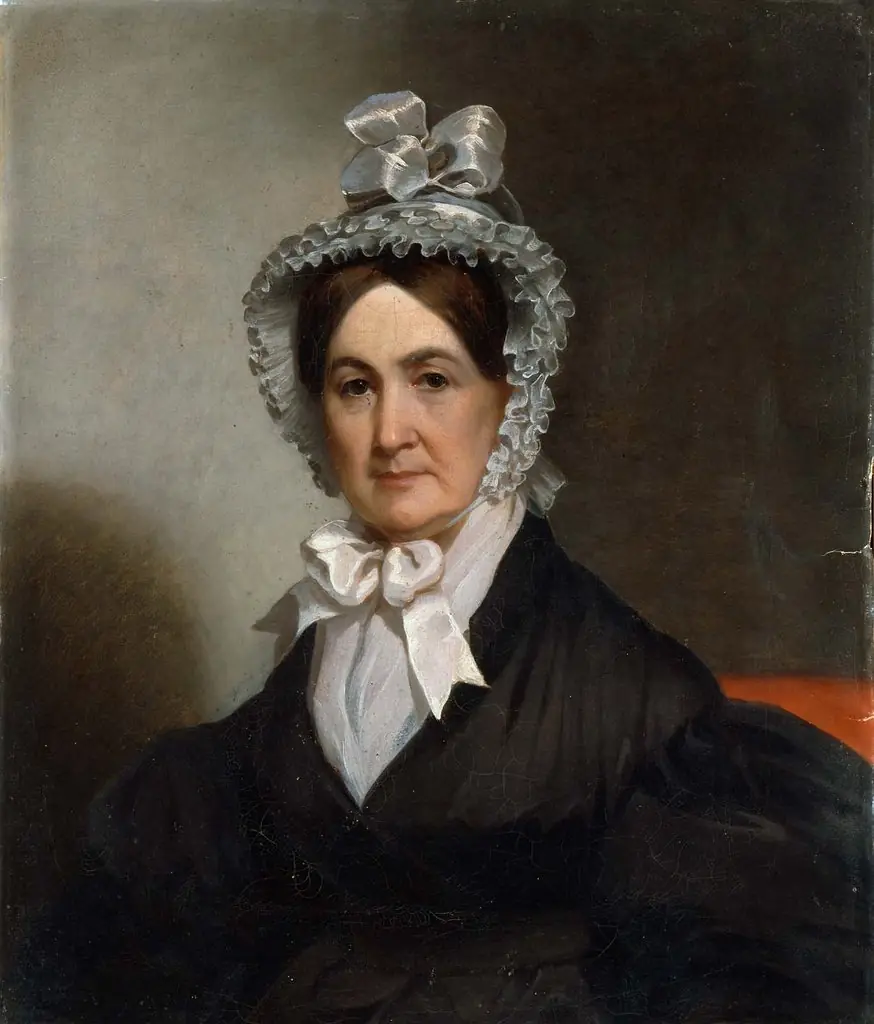 Mrs. Robert Jenkins (Catharine Carmichael)
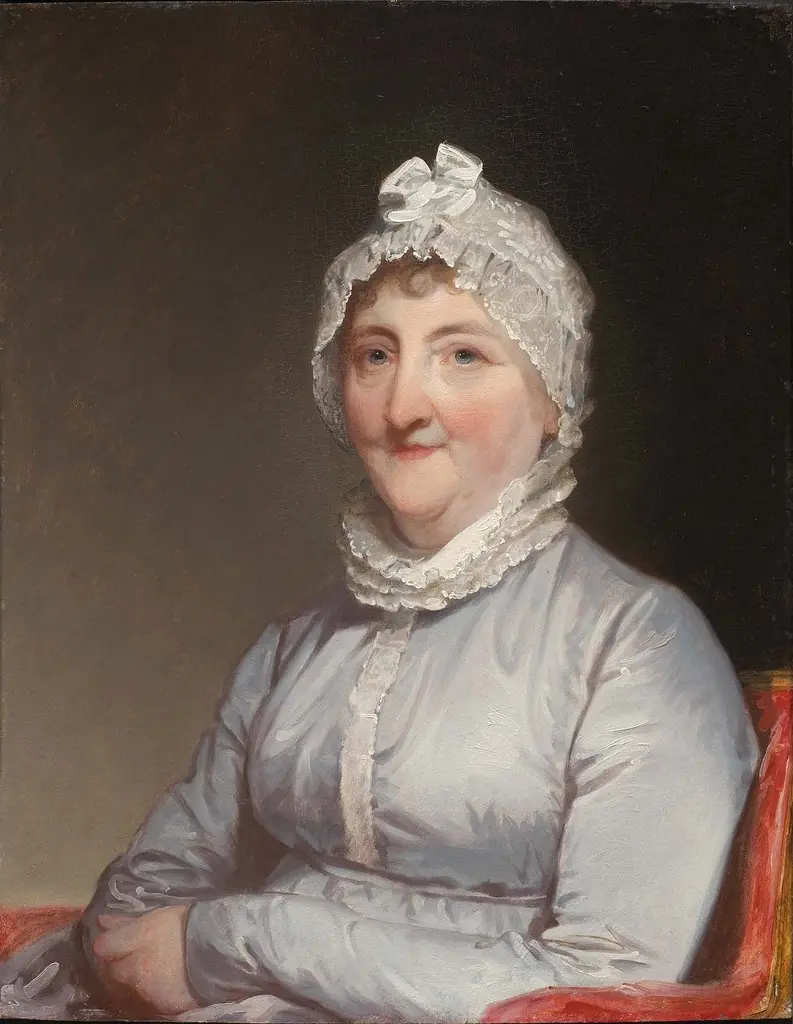 Mrs. Paul Revere (Rachel Walker)
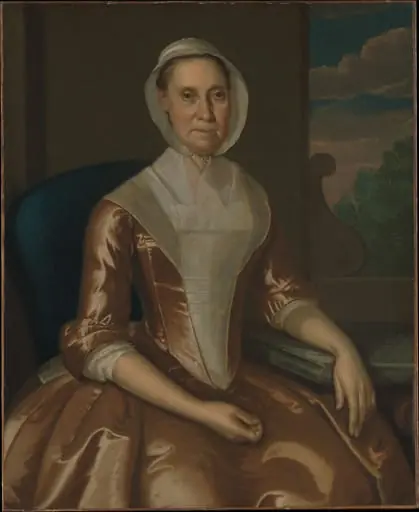 Mrs. Richard Galloway
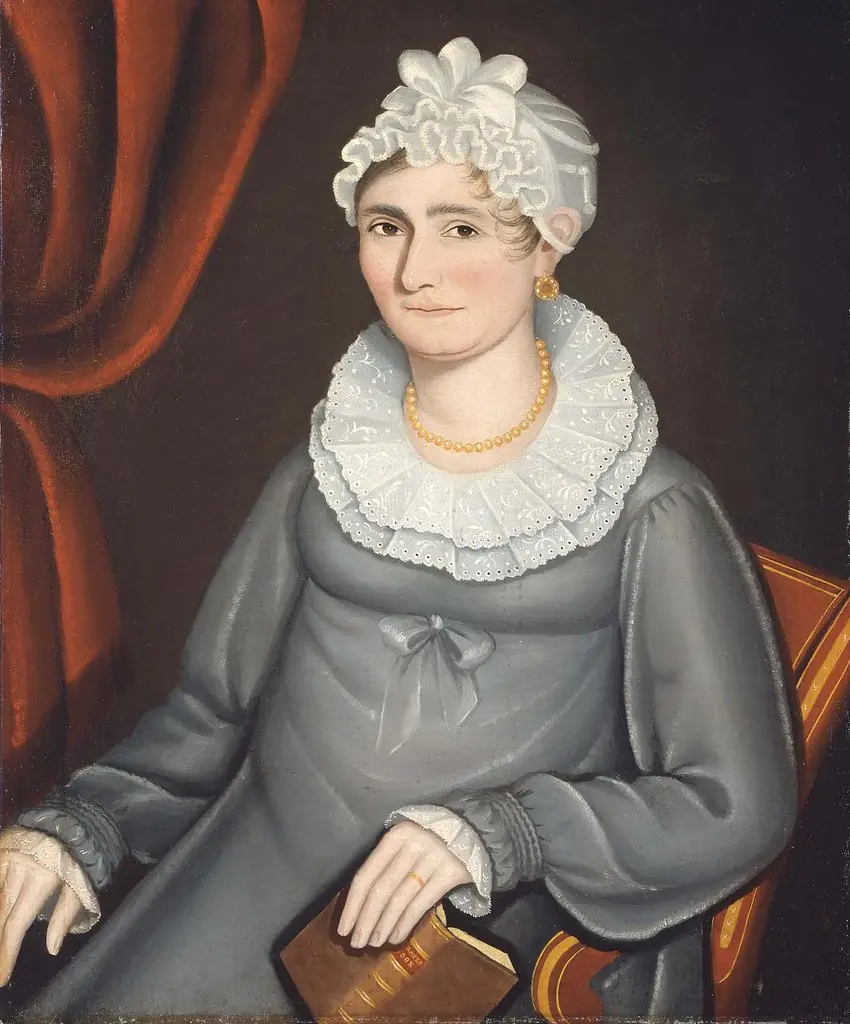 Jane Daney Smith
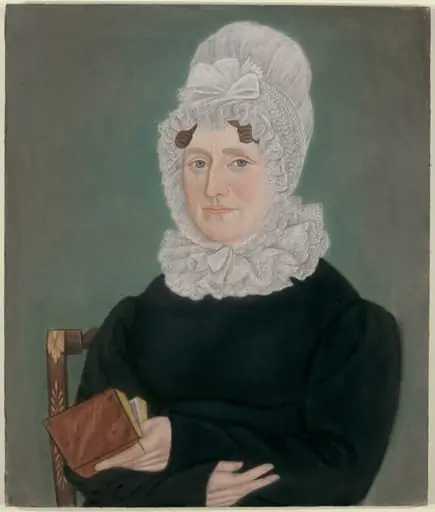 Portrait of a Woman with a Lace Cap
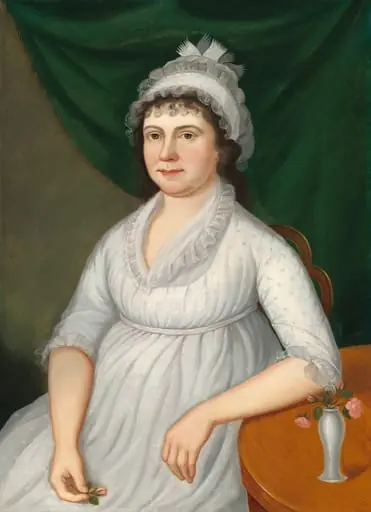 Hannah Lemmon Corcoran (Mrs. Thomas Corcoran)
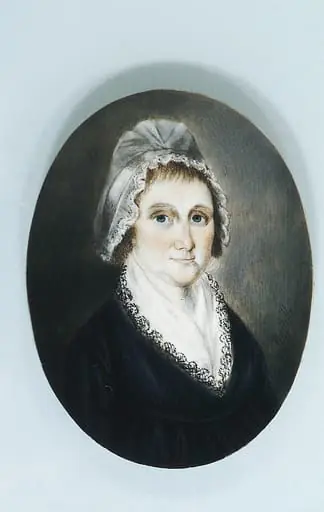 Mrs. Joseph White (Elizabeth Stone)
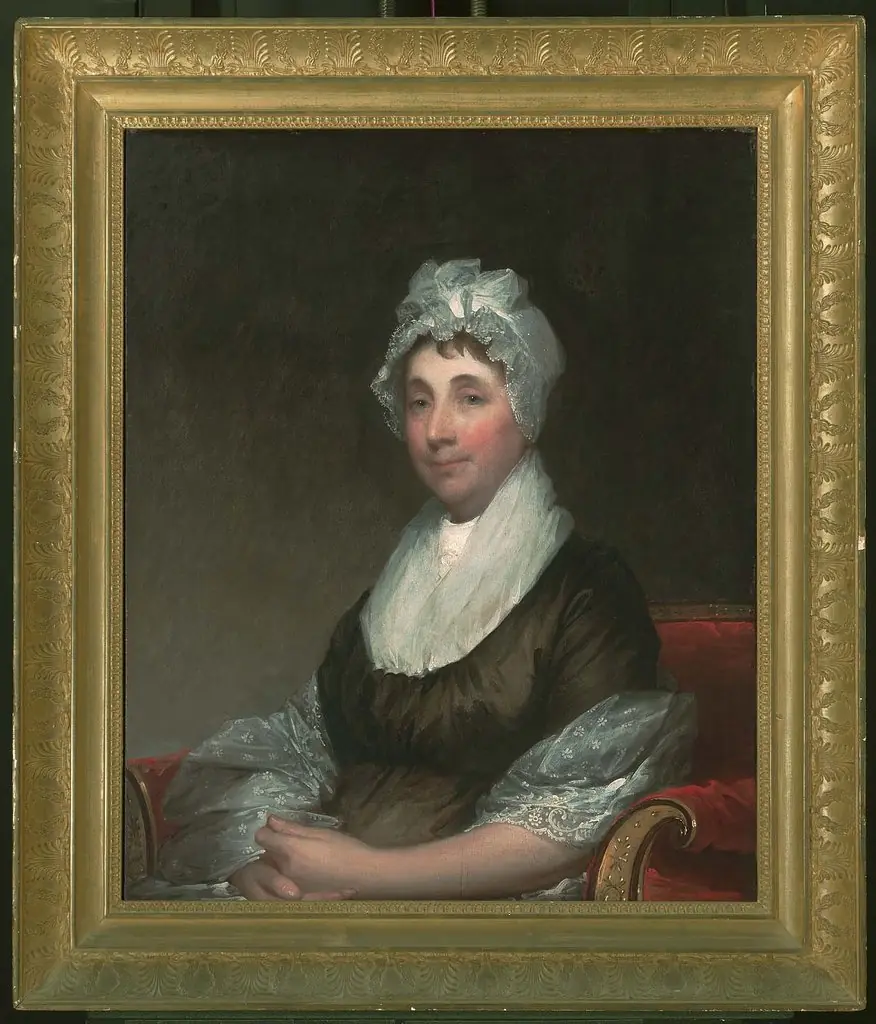 Mrs. Samuel Smith
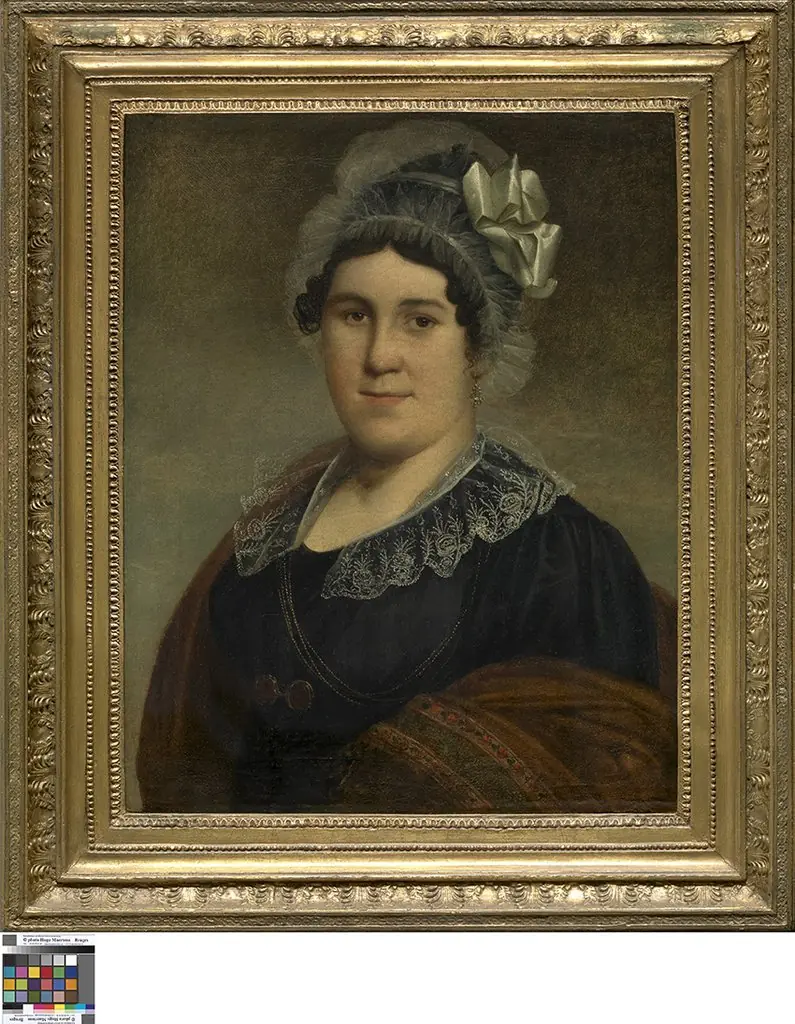 Portret van Isabella van Lutsenborgh, echtgenote van Jacobus Dumery
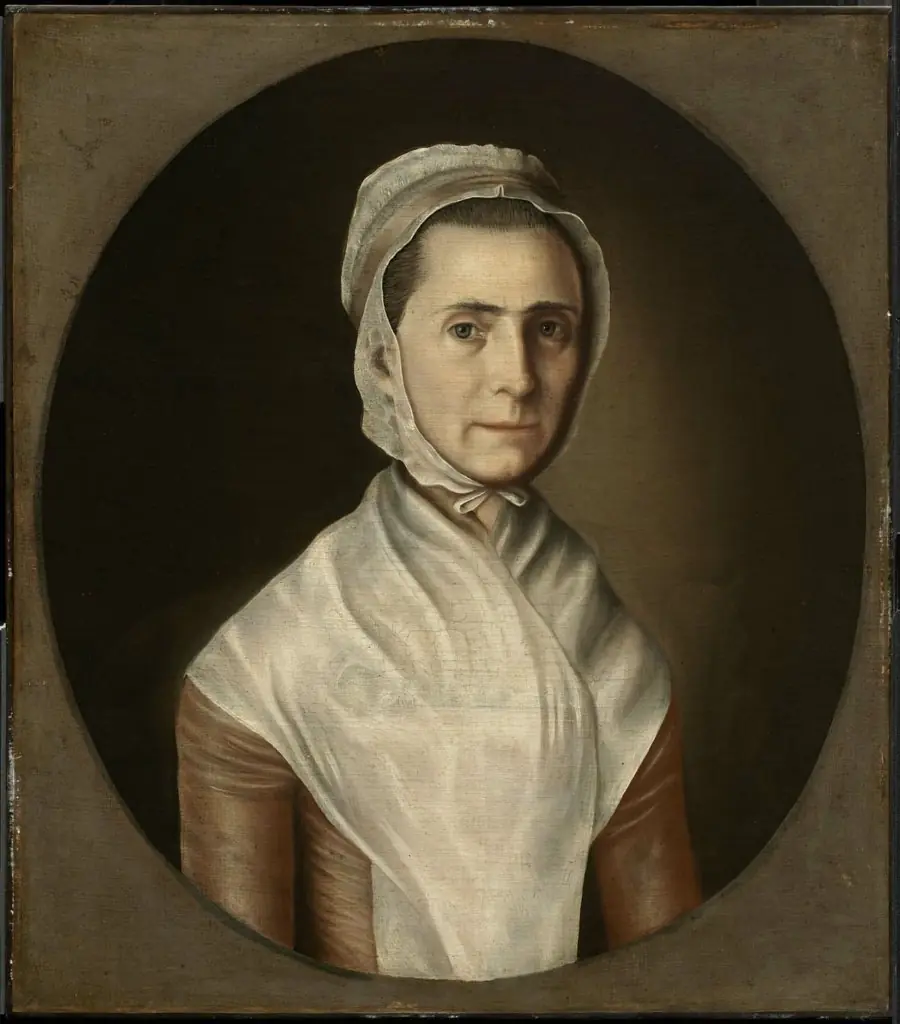 Mrs. Levi Willard (Catherine Chandler)