Artwork
Eberjagd
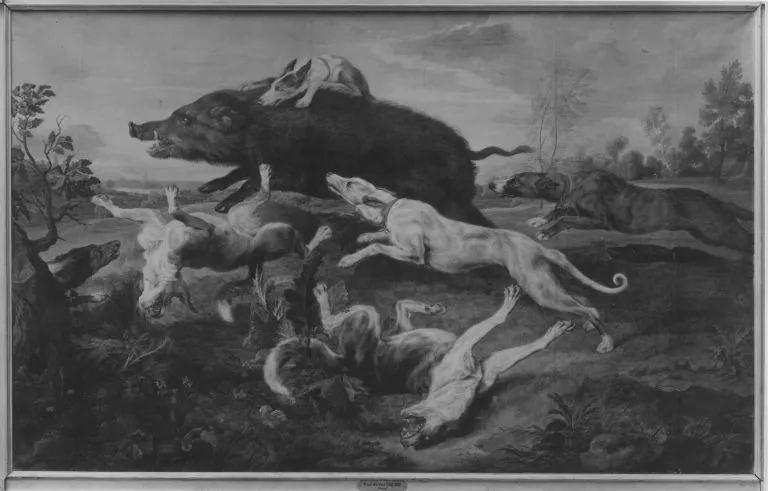
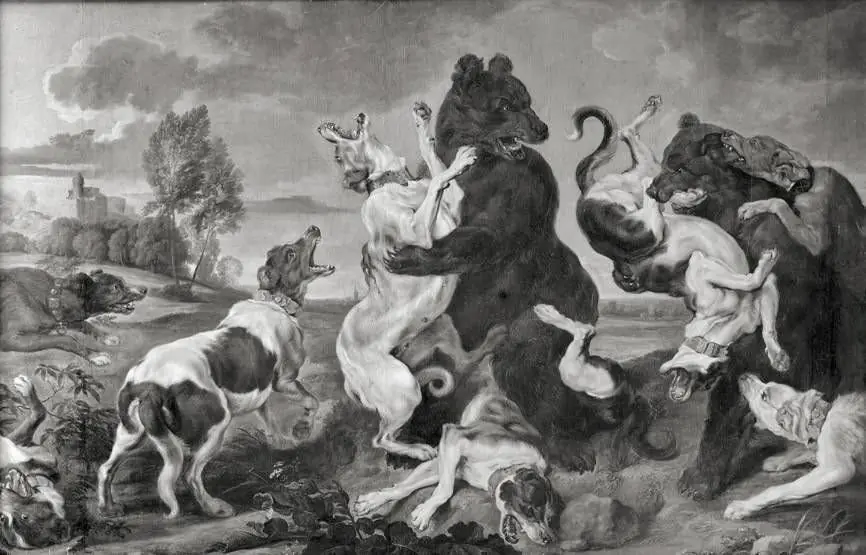
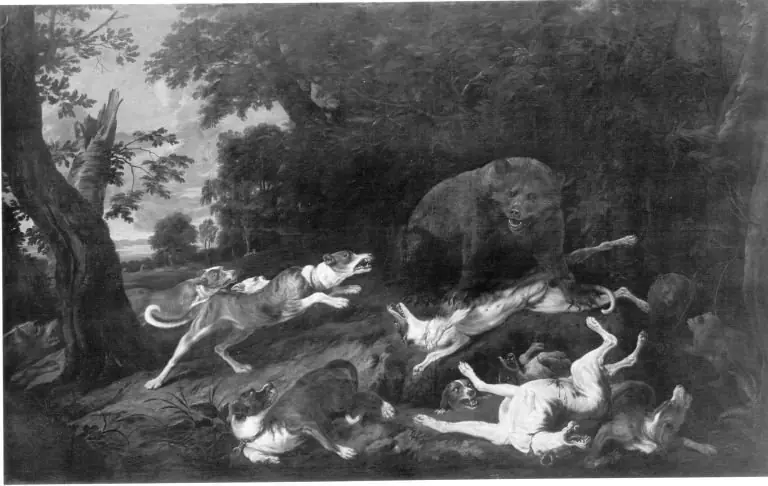
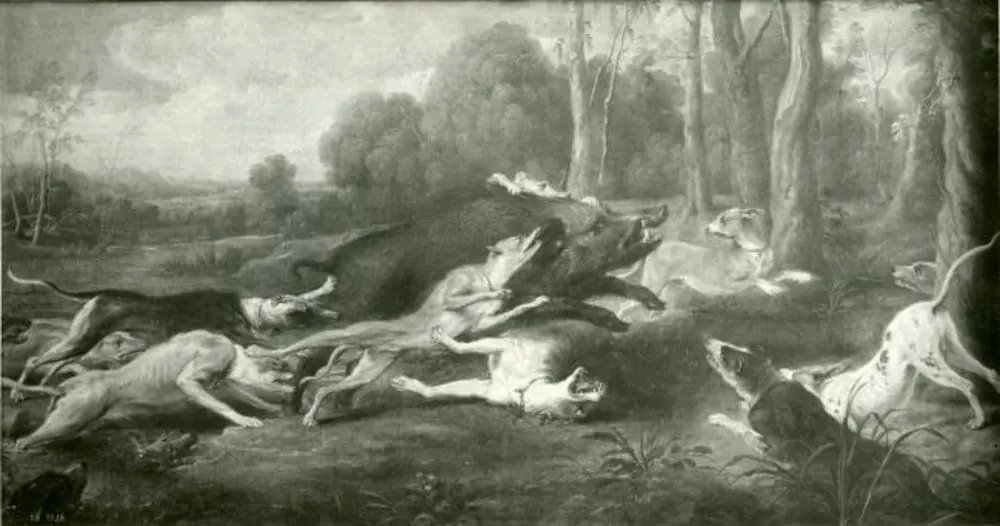
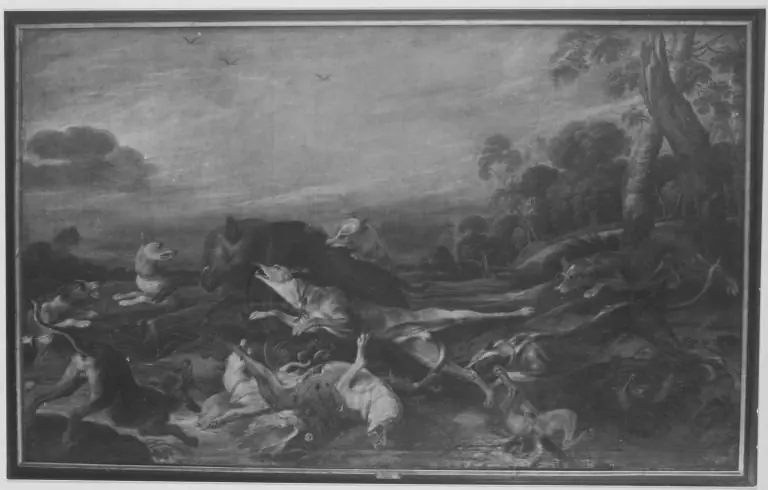
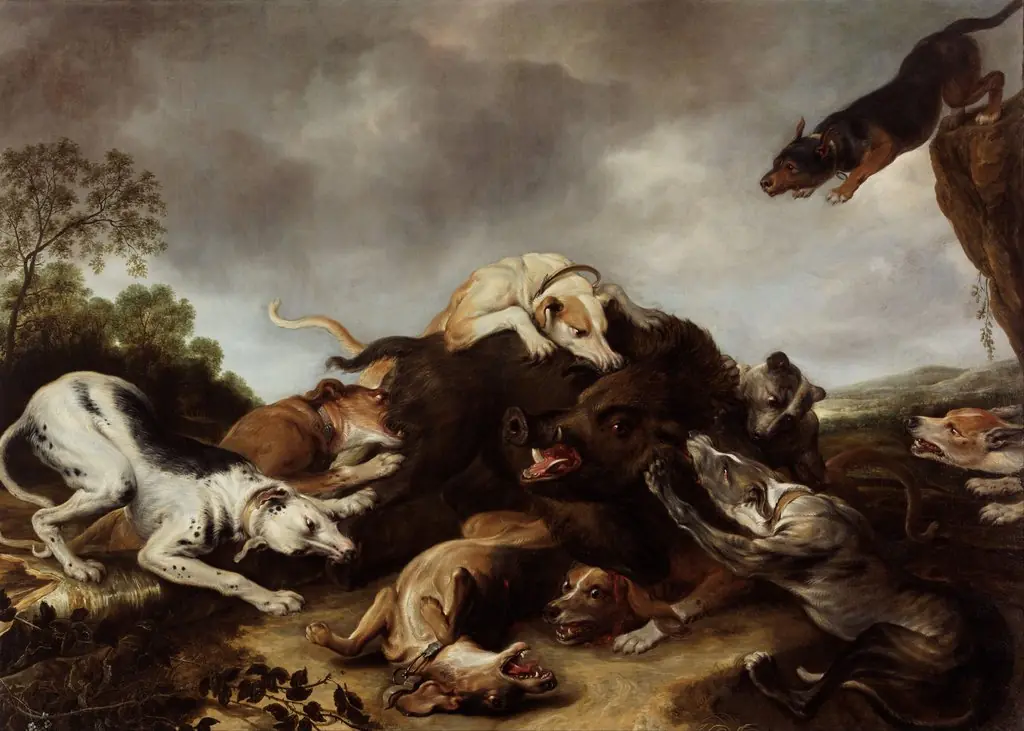
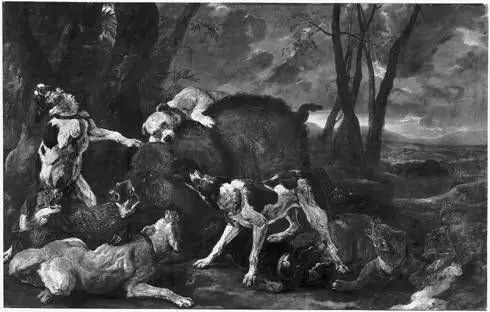
Eberjagd is an unspecified painting by the Flemish Baroque painting artist Paul de Vos. It dates from 1637 and is held in the collection of the Bavarian State Painting Collections.
About this work
Overview
De Vos, active in Antwerp, focused on animal subjects and hunting themes, often integrating them into larger collaborative works.
Painted in 1637 by Paul de Vos, *Eberjagd* is a Flemish Baroque oil painting depicting a vigorous boar hunt. De Vos, active in Antwerp, focused on animal subjects and hunting themes, often integrating them into larger collaborative works. The painting is part of the Alte Pinakothek’s collection in Munich, where it remains a representative example of 17th-century Northern European wildlife imagery.
Subject & Meaning
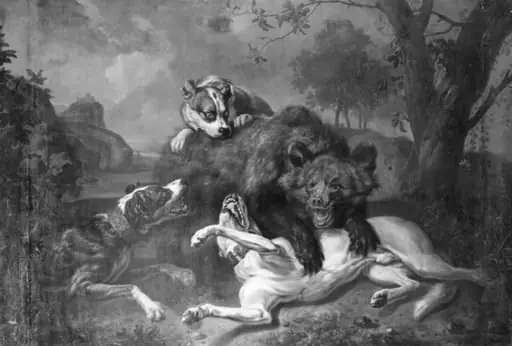
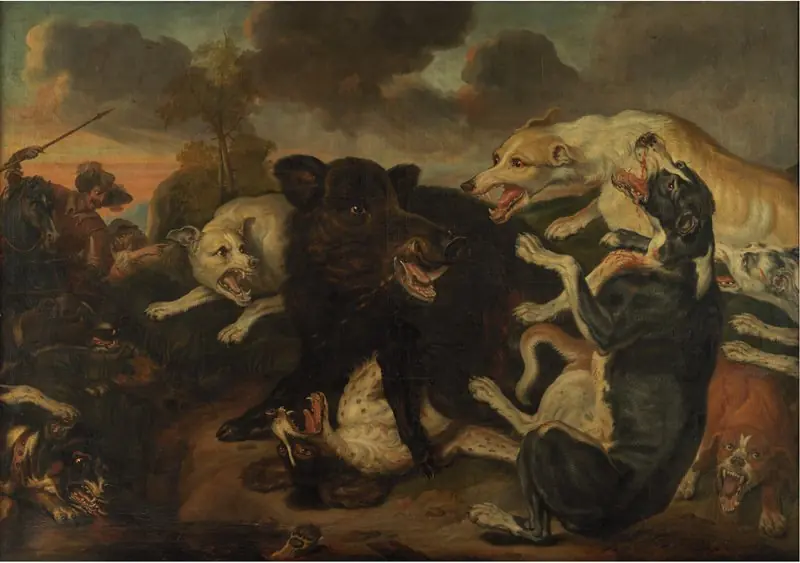
The scene centers on a wild boar under attack by hounds and hunters, capturing the tension and chaos of the chase. Rather than glorifying nobility, the painting emphasizes the raw energy of nature and the struggle between predator and prey. The boar, a symbol of ferocity and resilience, dominates the composition, suggesting a respect for the animal’s power even within the context of its demise.
Technique & Style
De Vos employed dynamic brushwork and dramatic lighting to convey motion and texture, characteristic of Flemish Baroque conventions. Fur, foliage, and weaponry are rendered with meticulous detail, while the composition’s diagonal energy guides the viewer’s eye through the fray. His approach blends naturalism with theatrical intensity, reflecting influences from contemporaries like Rubens without direct imitation.
History & Provenance
Commissioned during the height of Antwerp’s artistic activity, the painting entered the Bavarian royal collection in the 18th century and was later transferred to the Alte Pinakothek. Its attribution to de Vos is supported by stylistic comparisons with his signed works and documented collaborations. No significant alterations or restorations are recorded, preserving its original condition.
Context
In early 17th-century Flanders, hunting scenes were popular among aristocratic patrons who valued displays of skill, control, and connection to the natural world. De Vos’s work emerged alongside a broader trend in Antwerp where artists specialized in niche subjects—animals, still lifes, or landscapes—often contributing to multi-figure compositions led by masters like Rubens.
Legacy
Though less widely known than his collaborators, de Vos helped establish a visual language for animal subjects in Baroque art. *Eberjagd* exemplifies the period’s fascination with naturalism and movement, influencing later genre painters in Northern Europe. Its continued presence in a major public collection underscores its role as a document of both artistic practice and cultural attitudes toward nature.
Artist & collection
Artist
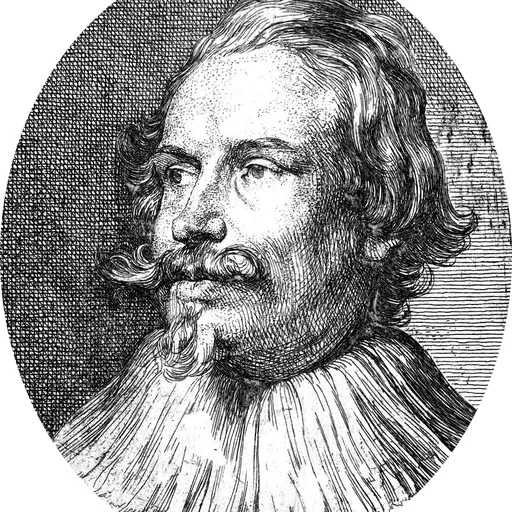
Paul de Vos (1591/92, or 1595 in Hulst – 30 June 1678 in Antwerp) was a Flemish Baroque painter who specialized in mainly in compositions of animals, hunting scenes and still lifes.