Artwork
Arlésiennes (Mistral)
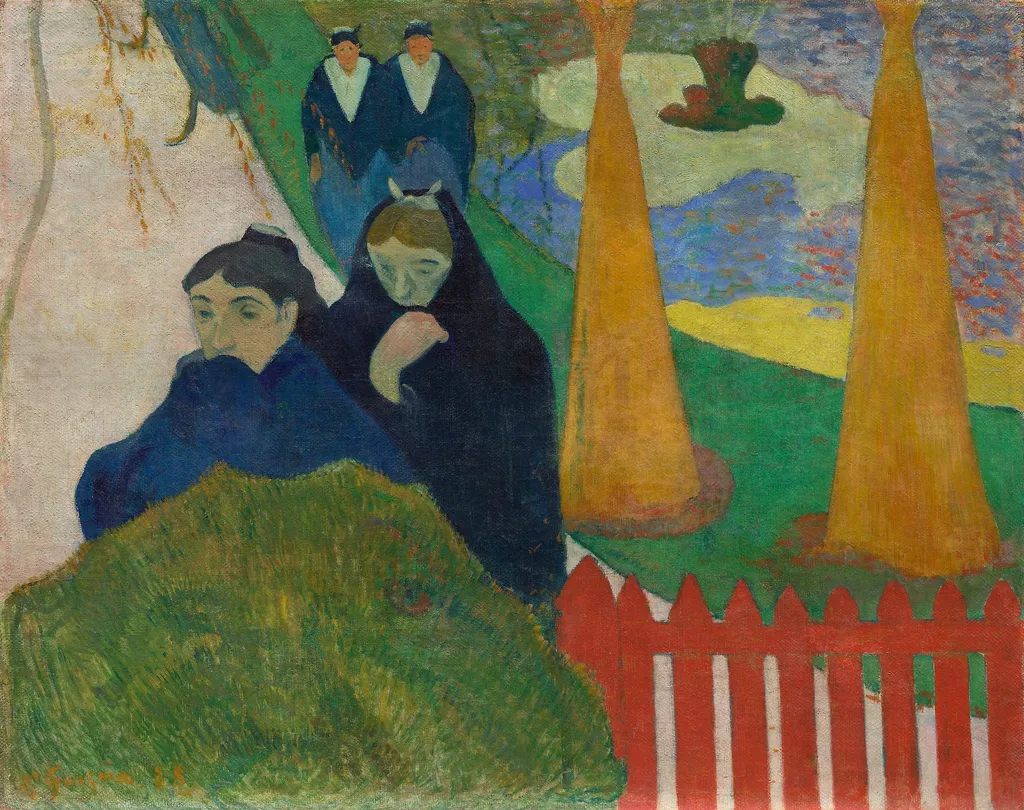
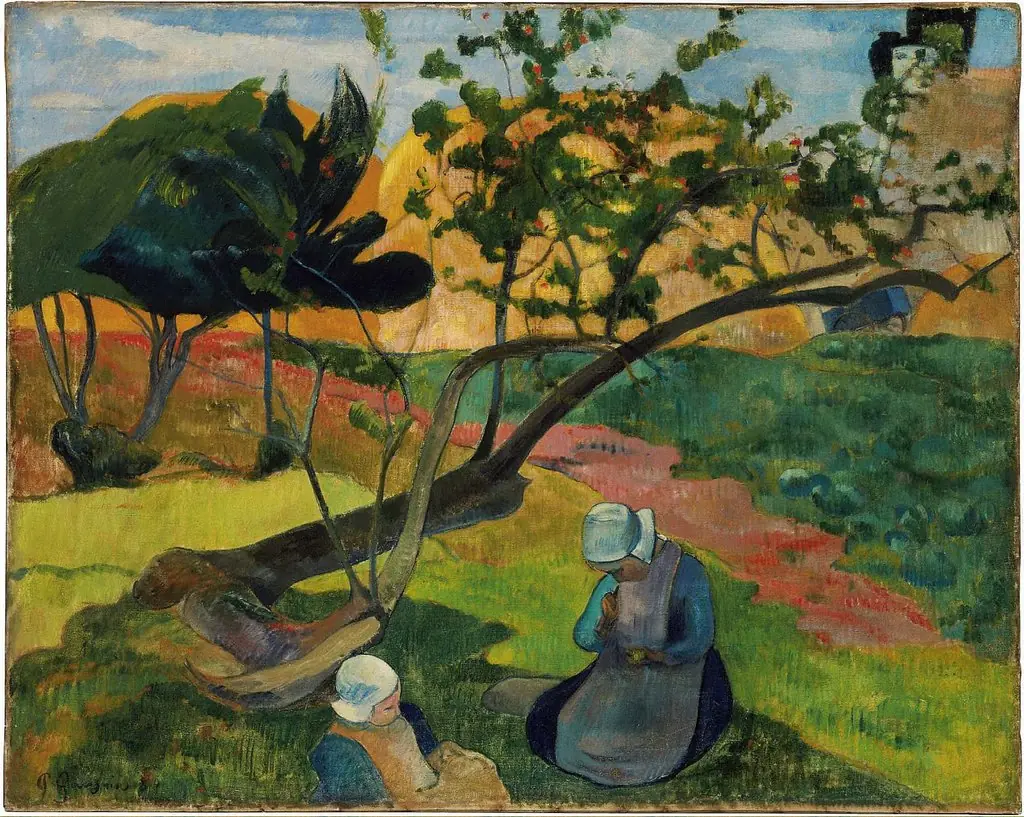
Arlésiennes (Mistral) is an oil painting by the Post-Impressionist artist Paul Gauguin. It dates from 1894 and is held in the collection of the Art Institute of Chicago.
About this work
Overview
Created in 1894, *Arlésiennes (Mistral)* is a work on jute by Paul Gauguin, positioned within the Post‑Impressionist period. The composition presents three women seated on a grassy slope, framed by a vivid red fence, yellowed poles, and a distant townscape that includes a church tower and a windmill.
Subject & Meaning
The figures represent women from Arles, some linked to the local Hôtel‑Dieu, set against the atmospheric presence of the mistral wind that sweeps the region. Their bundled coats and hats suggest the chill of the wind, while the stark landscape underscores the harsh, breezy environment.
Technique & Style
Gauguin employs a Synthetist approach, using bold, unmodulated colors—greens, reds, blues—and thick, impasto brushwork that renders the faces almost mask‑like. The flatness of the forms and the lack of smooth shading mark a deliberate departure from Impressionist softness.
History & Provenance
Although Gauguin was already known for his experimental palette during his lifetime, *Arlésiennes (Mistral)* achieved wider acknowledgment only after his death, reflecting the gradual reassessment of his contributions to modern art.
Context
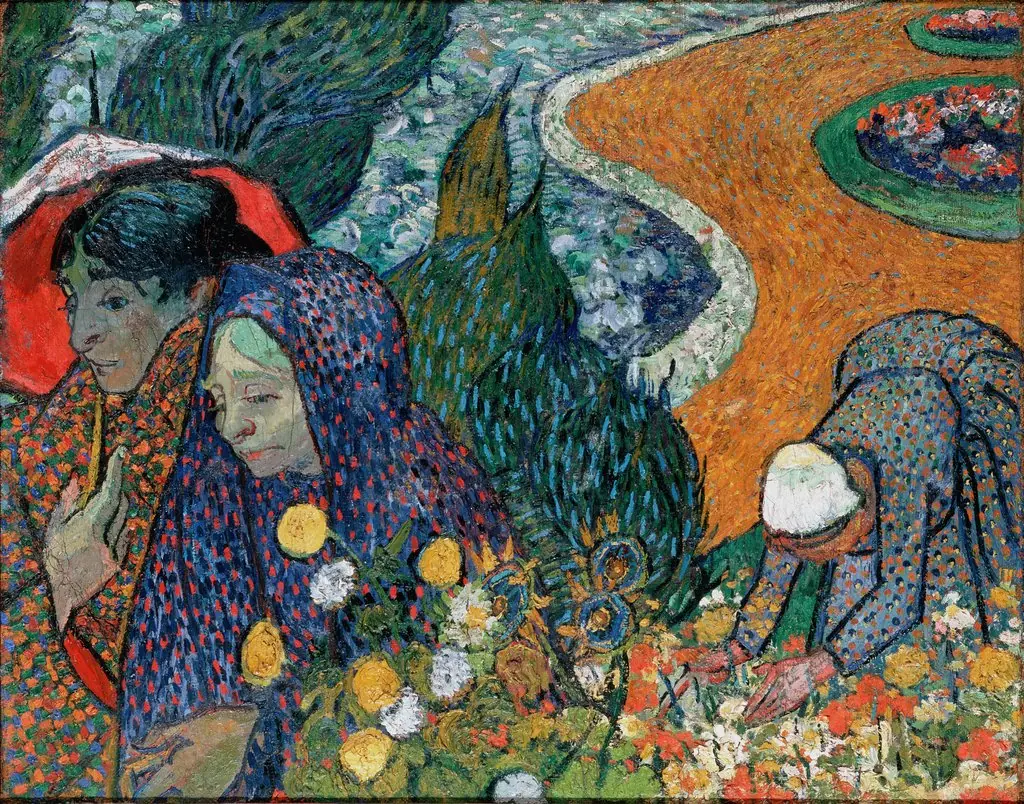
The painting emerges from Gauguin’s broader interest in regional French life and his exploration of non‑naturalistic color. Its focus on Arles connects it to the artistic milieu that also attracted contemporaries such as Vincent van Gogh, who worked in the same town a few years earlier.
Own this work as a print
Artist & collection
Artist
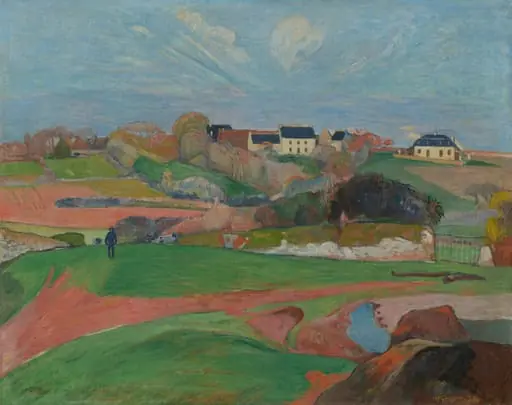
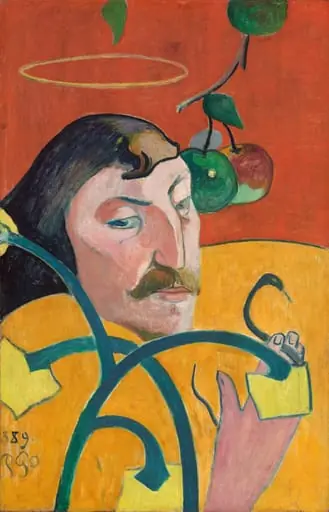
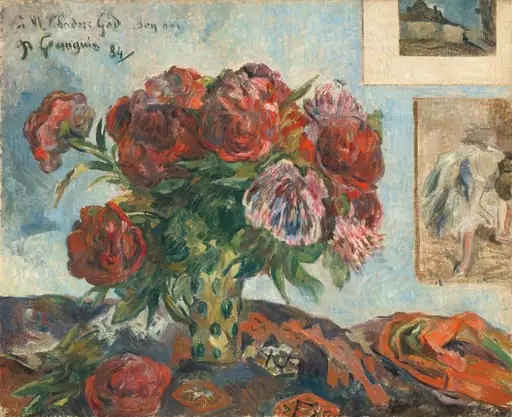
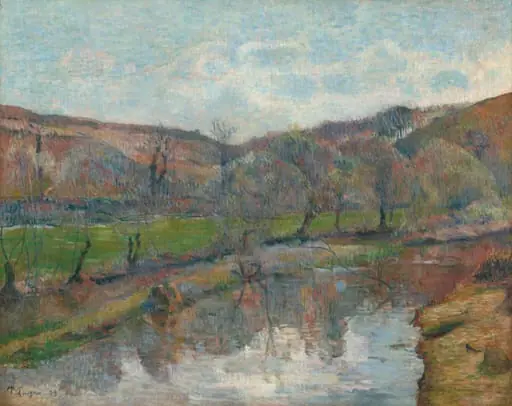
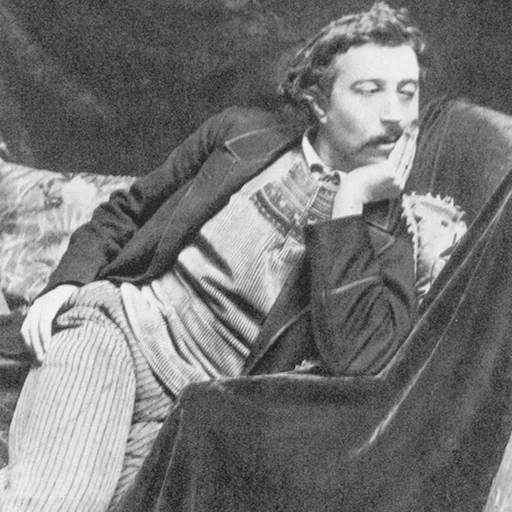
Eugène Henri Paul Gauguin (; French: ; 7 June 1848 – 8 May 1903) was a French painter, sculptor, printmaker, ceramist, and writer, whose work has been primarily associated with the Post-Impressionist and Symbolist movements.