Artwork
Vision After the Sermon
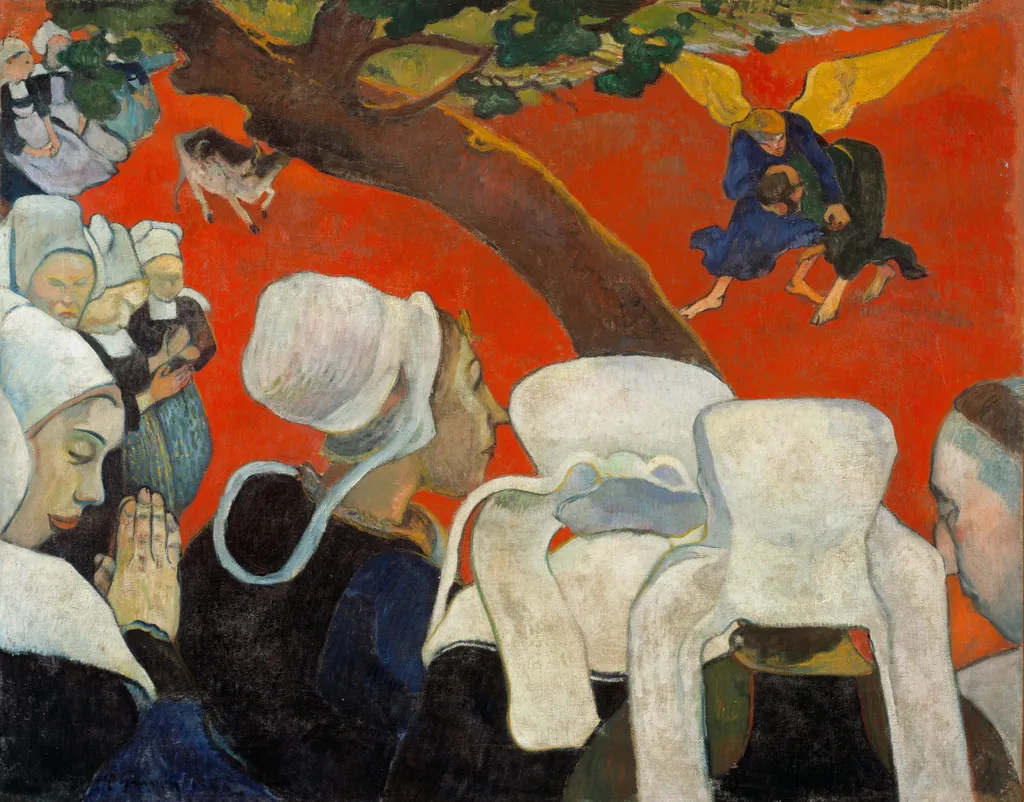
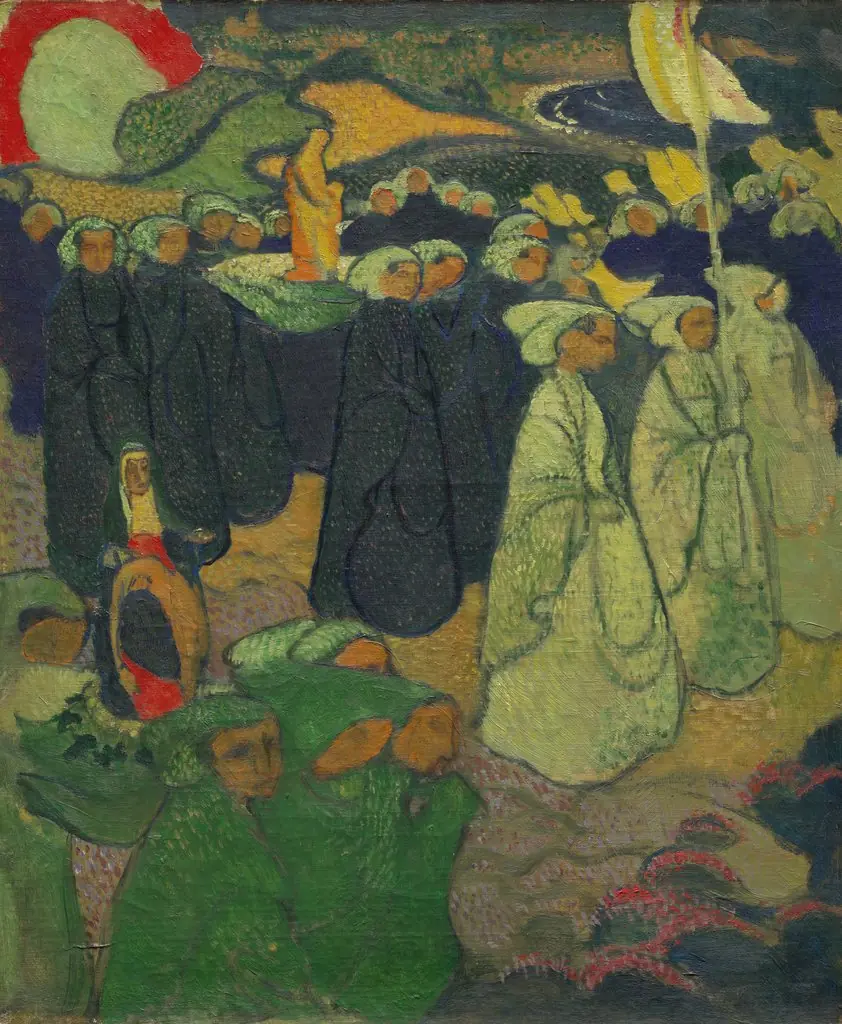
Vision After the Sermon is an oil painting by the Post-Impressionist artist Paul Gauguin. It dates from 1894 and is held in the collection of the National Galleries Scotland.
About this work
Overview
Completed in 1888, Paul Gauguin’s oil painting Vision After the Sermon (Jacob Wrestling with the Angel) is held by the Scottish National Gallery in Edinburgh. The work presents a post‑sermon interior where a group of women experience a collective vision of the biblical episode in which Jacob grapples with an angel.
Subject & Meaning
Rather than depicting the biblical struggle directly, Gauguin shows the women’s imagined scene: a luminous, ethereal figure of Jacob locked in combat with a radiant angel. The contrast between the sober, dark‑clad congregation and the vivid, otherworldly vision underscores the tension between earthly routine and spiritual revelation.
Technique & Style
Executed in oil on canvas, the painting employs Gauguin’s characteristic bold palette and flattened forms. The women’s black lace caps and dark dresses are rendered with precise detail, while the vision itself is composed of simplified, luminous shapes that convey a dreamlike atmosphere typical of his Pont‑Aven period.
History & Provenance
Gauguin painted the work while residing in the Breton village of Pont‑Aven, a hub for artists seeking new approaches to colour and form. After changing hands several times, the painting entered the collection of the Scottish National Gallery, where it remains on display.
Context
The piece reflects Gauguin’s interest in religious subject matter filtered through contemporary life. By placing ordinary parishioners at the center of a biblical vision, he merges traditional narrative with the modern, rural setting of late‑19th‑century Brittany, aligning with the broader goals of the Pont‑Aven School.
Own this work as a print
Artist & collection
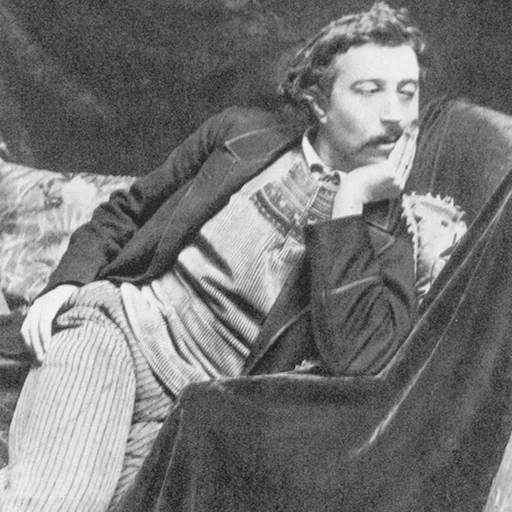
Artist
Eugène Henri Paul Gauguin (; French: ; 7 June 1848 – 8 May 1903) was a French painter, sculptor, printmaker, ceramist, and writer, whose work has been primarily associated with the Post-Impressionist and Symbolist movements.