Artwork
Be Be (The Nativity)
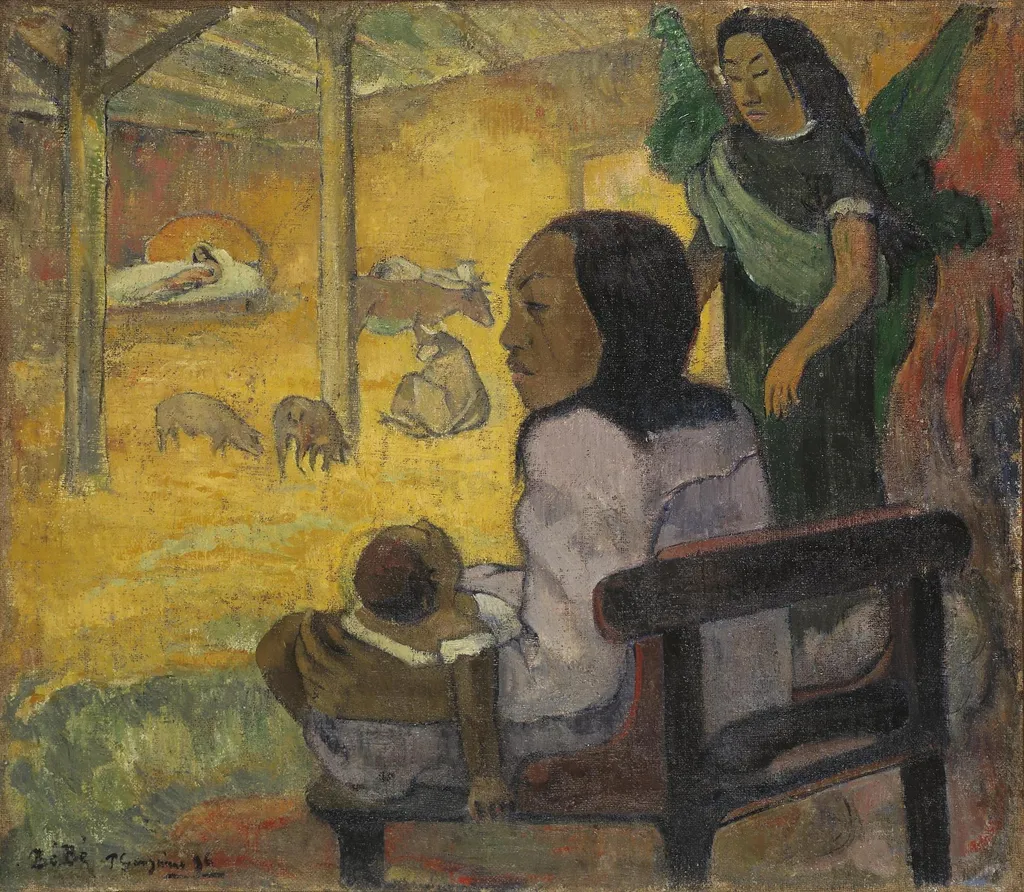
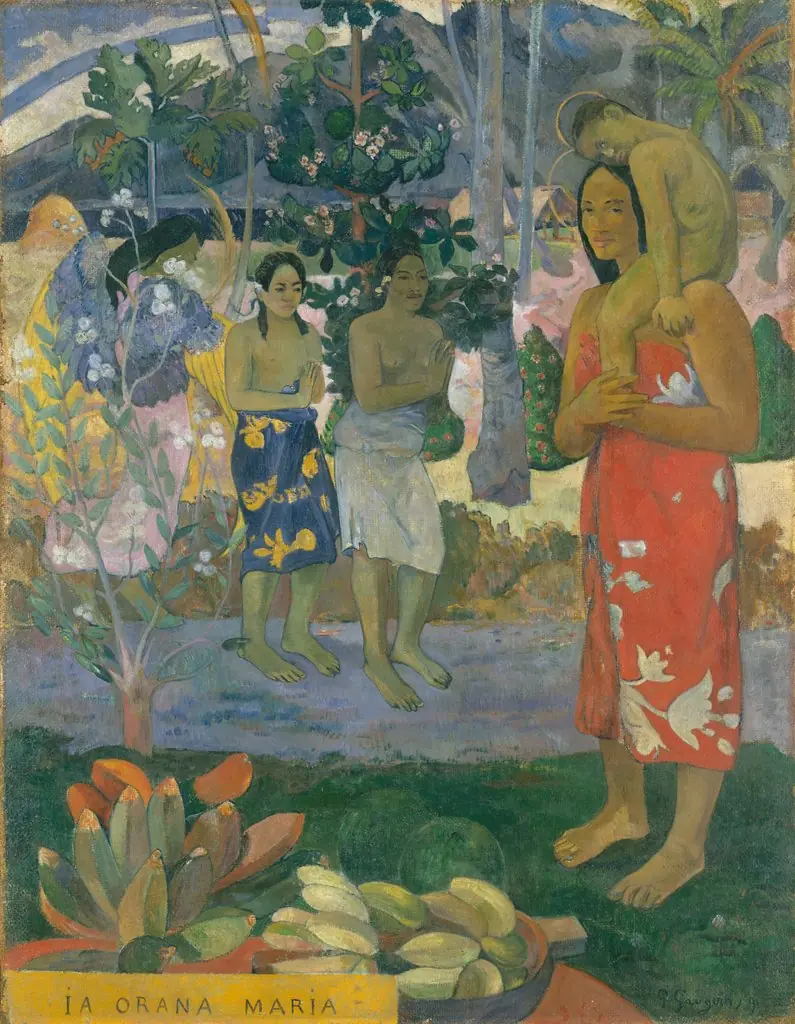
Be Be (The Nativity) is an oil painting by the Post-Impressionist artist Paul Gauguin. It dates from 1898 and is held in the collection of the Hermitage Museum.
About this work
Overview
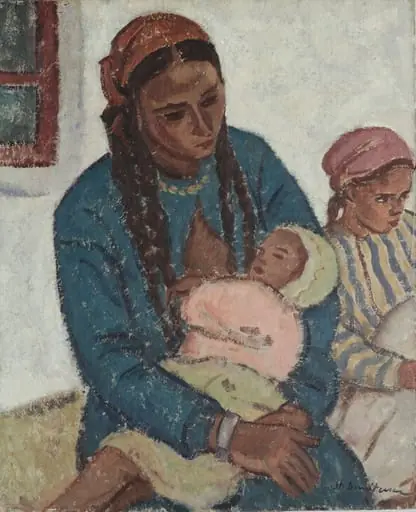
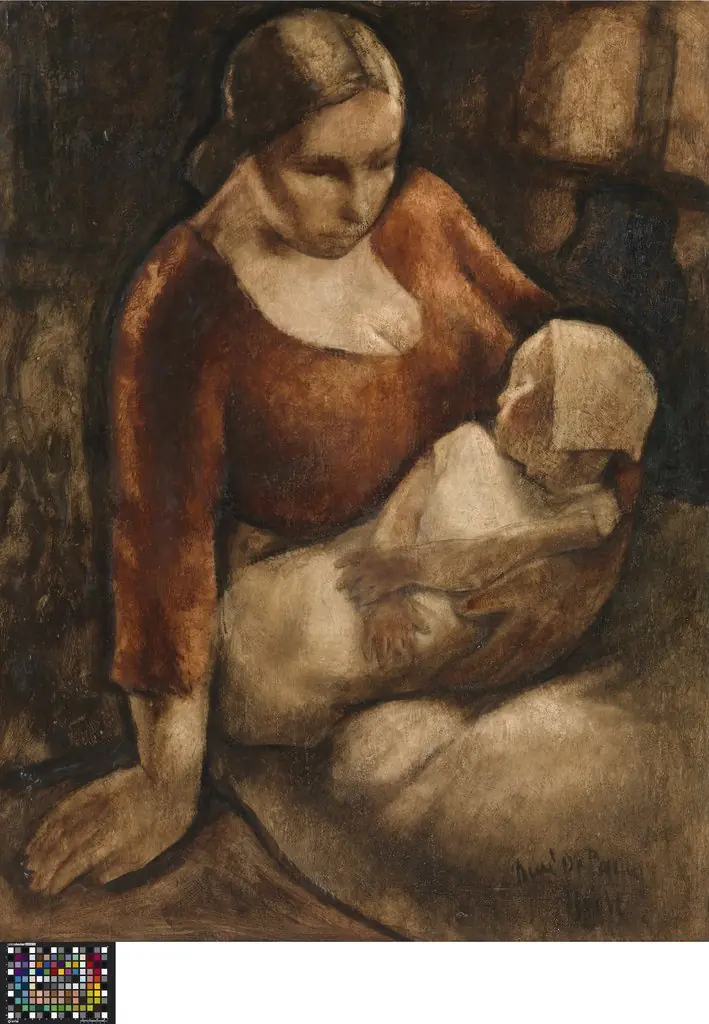
Created in 1898, *Be Be (The Nativity)* is an oil painting by Paul Gauguin that resides in the State Hermitage Museum. The work presents an intimate interior scene in which three dark‑skinned figures are gathered around a newborn child, while a distant landscape of grazing sheep and a bright sky is visible through a window.
Subject & Meaning
The central figure is a woman cradling an infant, evoking the biblical Nativity of Jesus. A second woman leans nearby, suggesting a communal caretaking atmosphere. The juxtaposition of the enclosed, protective interior with the open, sun‑lit exterior hints at a dialogue between the sacred event and everyday life, inviting contemplation of protection and vulnerability.
Technique & Style
Executed in Gauguin’s post‑Impressionist idiom, the painting employs bold, saturated hues of yellow, green, and earth tones. Thick, expressive brushstrokes give the surface a tactile quality, while the flattened forms and simplified contours reflect the artist’s Synthetist approach, emphasizing color and shape over naturalistic detail.
History & Provenance
Paul Gauguin, a French painter noted for his departure from Impressionism, completed the work toward the end of his career. After changing hands several times, the canvas entered the collection of the State Hermitage Museum, where it remains on display as part of the museum’s European painting holdings.
Context
The painting belongs to a period when Gauguin explored non‑Western subjects and sought to reinterpret Christian iconography through a tropical lens. By portraying the Nativity with dark‑skinned figures, the work challenges conventional European representations and aligns with the artist’s broader interest in cultural synthesis and symbolic narrative.
Own this work as a print
Artist & collection
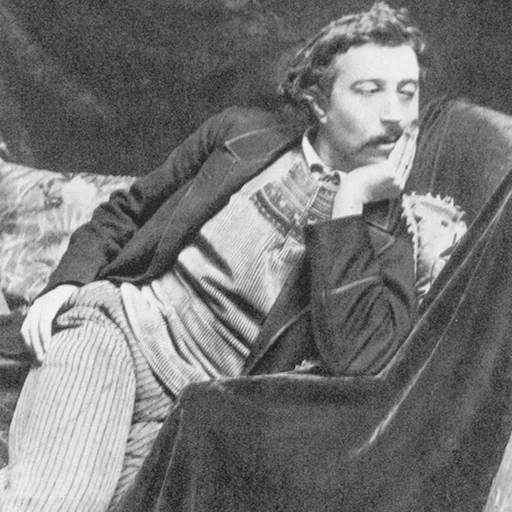
Artist
Eugène Henri Paul Gauguin (; French: ; 7 June 1848 – 8 May 1903) was a French painter, sculptor, printmaker, ceramist, and writer, whose work has been primarily associated with the Post-Impressionist and Symbolist movements.