Artwork
Le sorcier d'Hiva-Oa
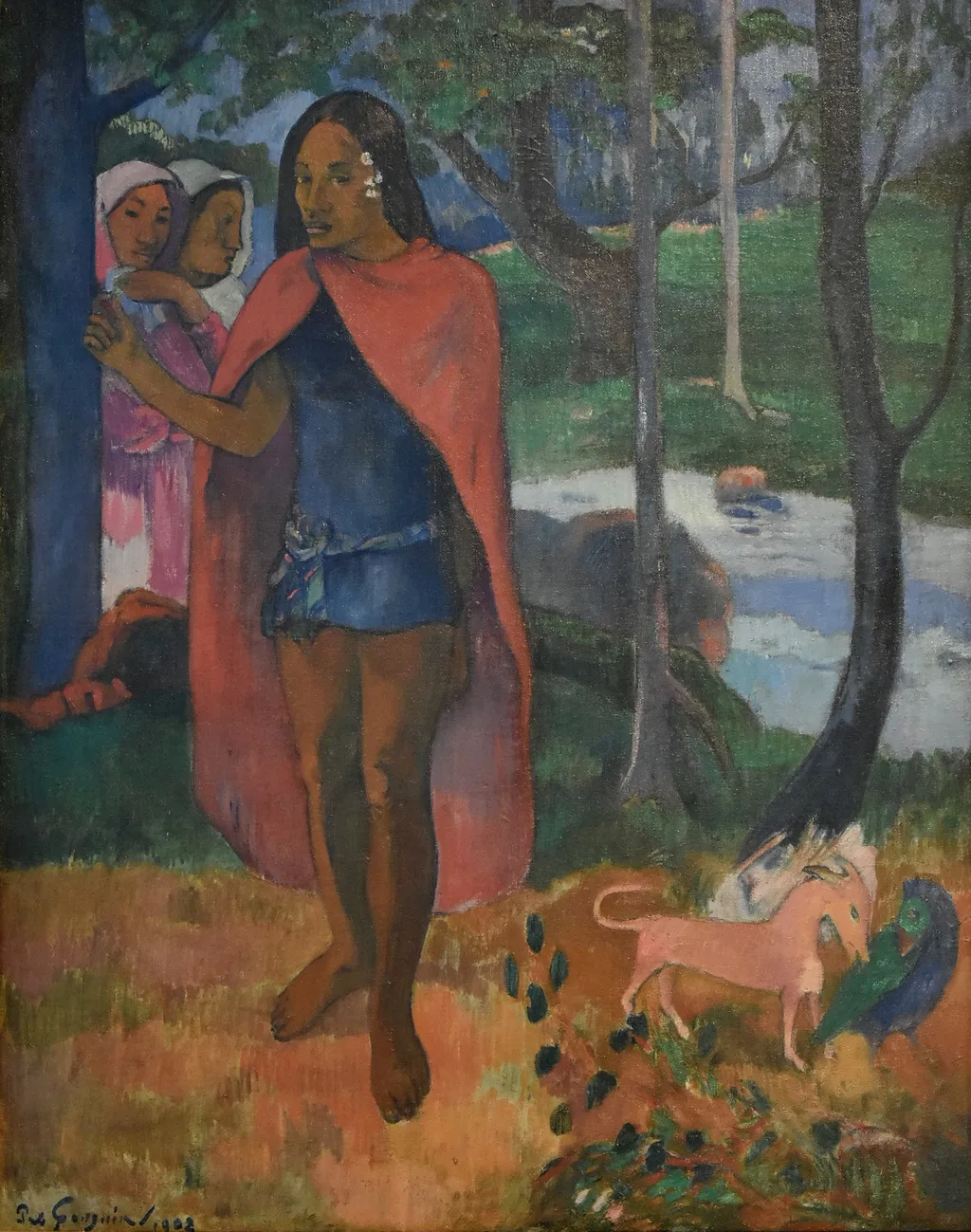
Le sorcier d'Hiva-Oa is an oil painting by the Post-Impressionist artist Paul Gauguin. It dates from 1902 and is held in the collection of the Liege Fine Arts Museum.
About this work
Overview
Created in 1902, *Le sorcier d'Hiva-Oa* is an oil painting by Paul Gauguin executed during his residence in the Marquesas Islands, part of French Polynesia. The work belongs to Gauguin’s post‑Impressionist period, when he moved away from the fleeting light of Impressionism toward a more symbolic and color‑driven language.
Subject & Meaning
The canvas presents a solitary male figure, cloaked in a red cape and blue tunic, standing barefoot amid a forested landscape. Flanking him are two women—one in a pink dress, the other wearing a white headscarf—and a reclining figure on the ground. A dog and a bird appear in the foreground, suggesting a tranquil, everyday scene within a Polynesian setting.
Technique & Style
Gauguin employs bold, flat areas of saturated color to delineate forms, a hallmark of his later style. The composition balances foreground details—such as the animal figures—with a receding backdrop of trees and water, creating depth without relying on linear perspective. The palette’s contrast between reds, blues, and pinks emphasizes the symbolic over the naturalistic.
History & Provenance
The painting was produced while Gauguin lived among the Marquesas, a period marked by his fascination with non‑Western cultures and mythologies. After its creation, the work entered private collections before being acquired by a museum (specific ownership details remain undocumented in the available sources).
Own this work as a print
Artist & collection
Artist
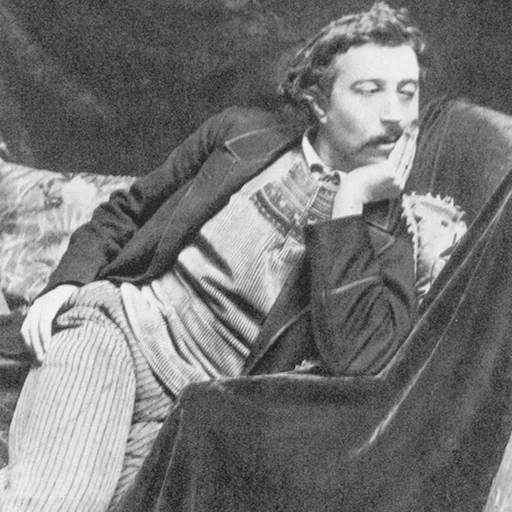
Eugène Henri Paul Gauguin (; French: ; 7 June 1848 – 8 May 1903) was a French painter, sculptor, printmaker, ceramist, and writer, whose work has been primarily associated with the Post-Impressionist and Symbolist movements.

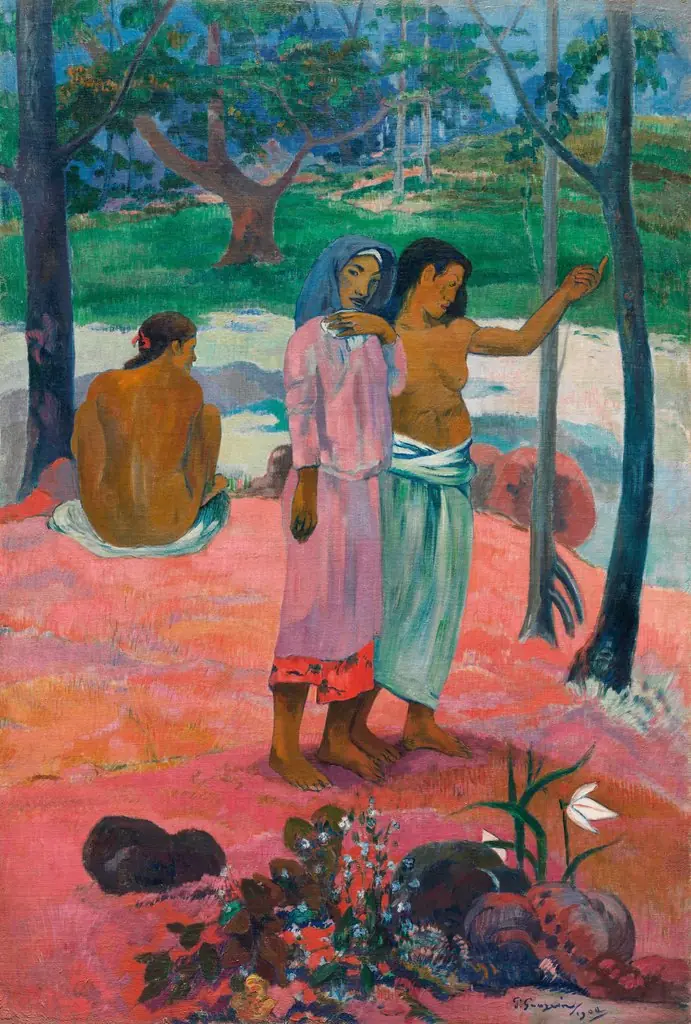 The Call
 The Call
 Memories of My California Childhood
 Pastorales tahitiennes
 Freshness of the Wounded
 Landscape with Two Goats (Tarari Maruru)
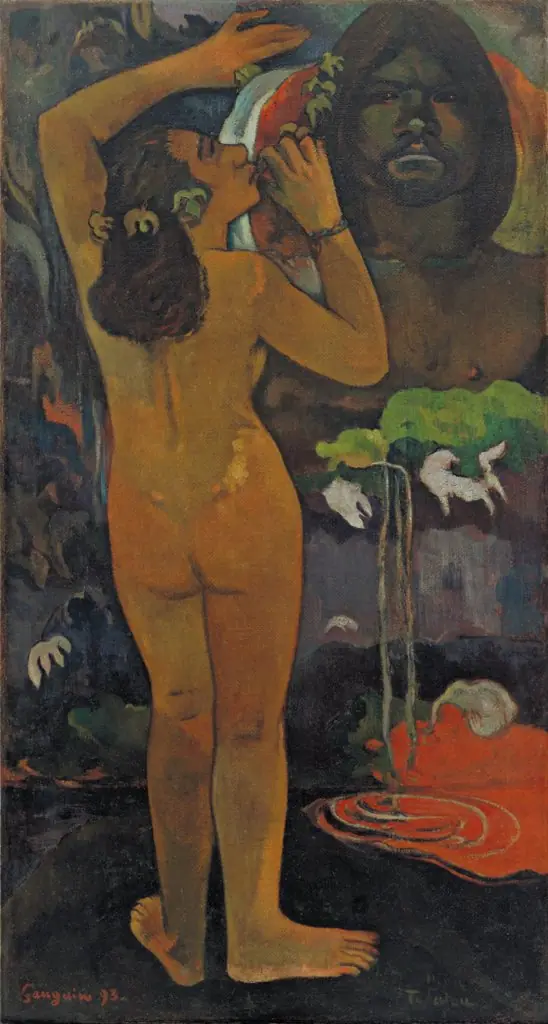 The Moon and the Earth
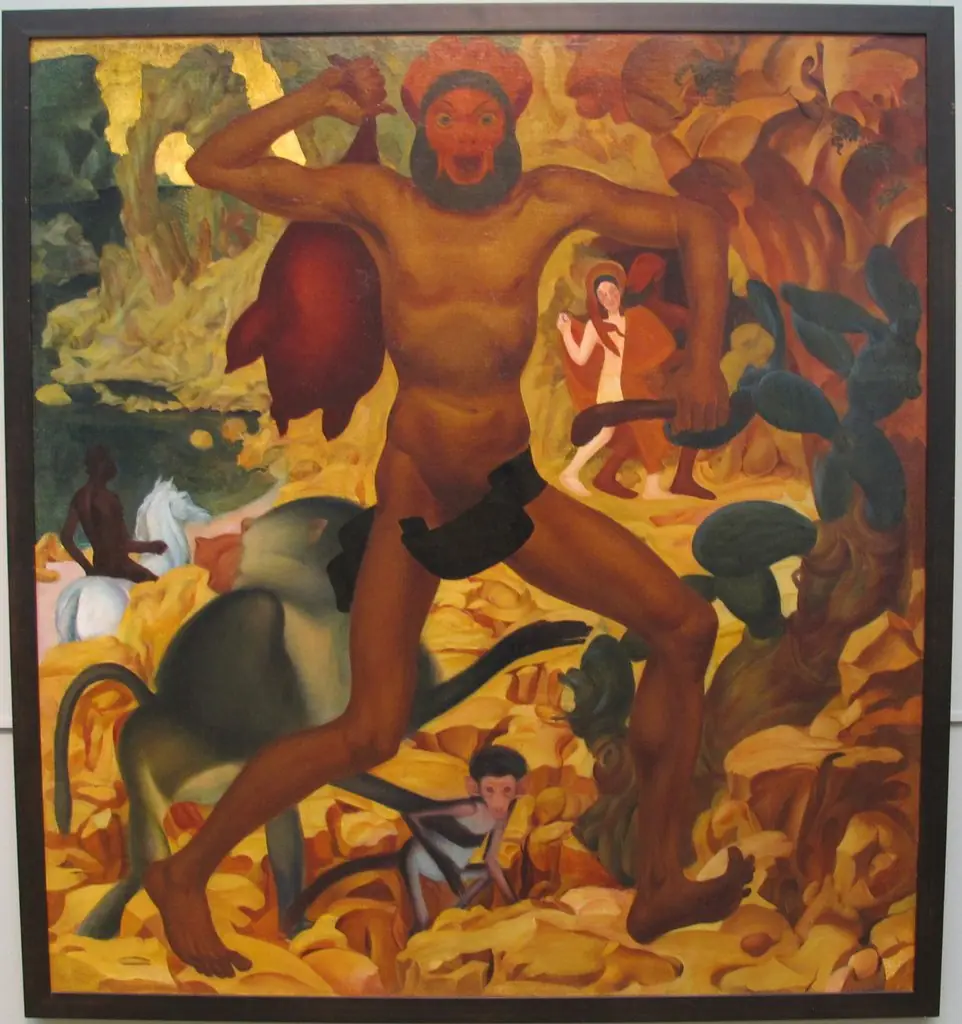 Uomo con un babbuino
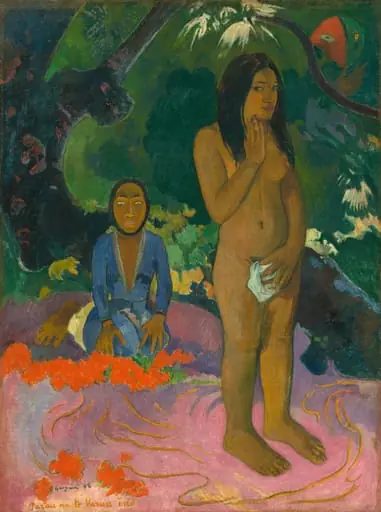 Parau na te Varua ino (Words of the Devil)
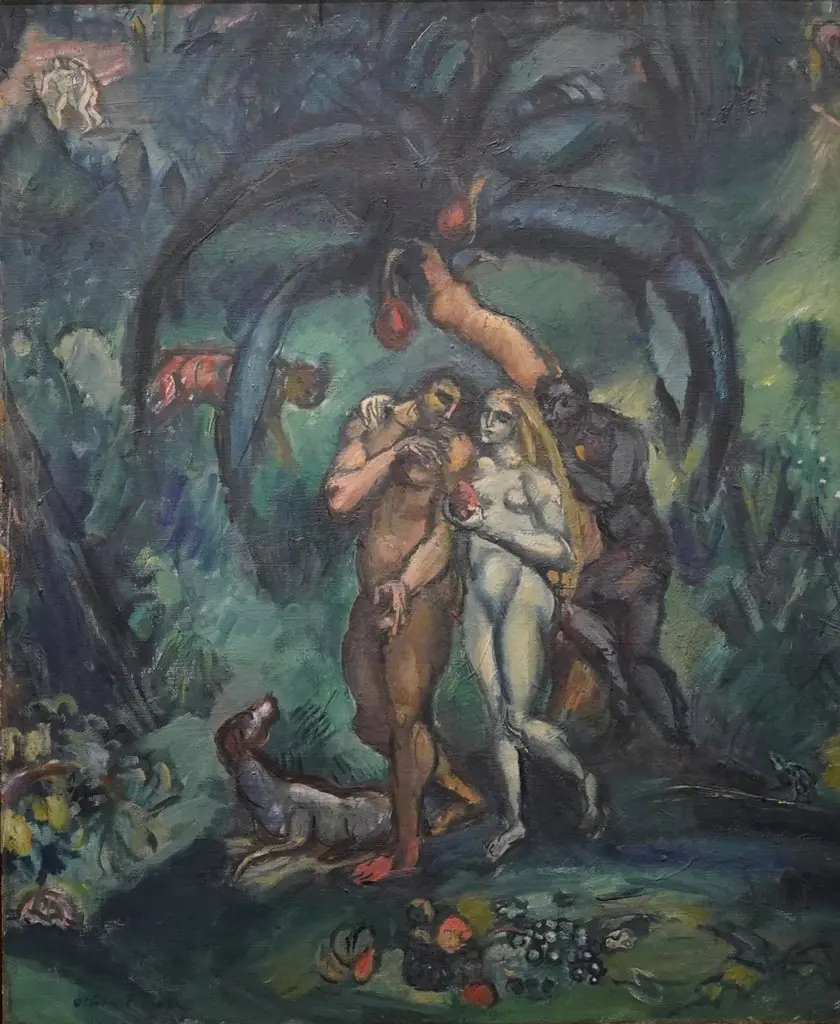 Temptation (Adam and Eve)
 Consolation in the Forest
 Marysia with the dog Burek on Ceylon