Artwork
The Moon and the Earth
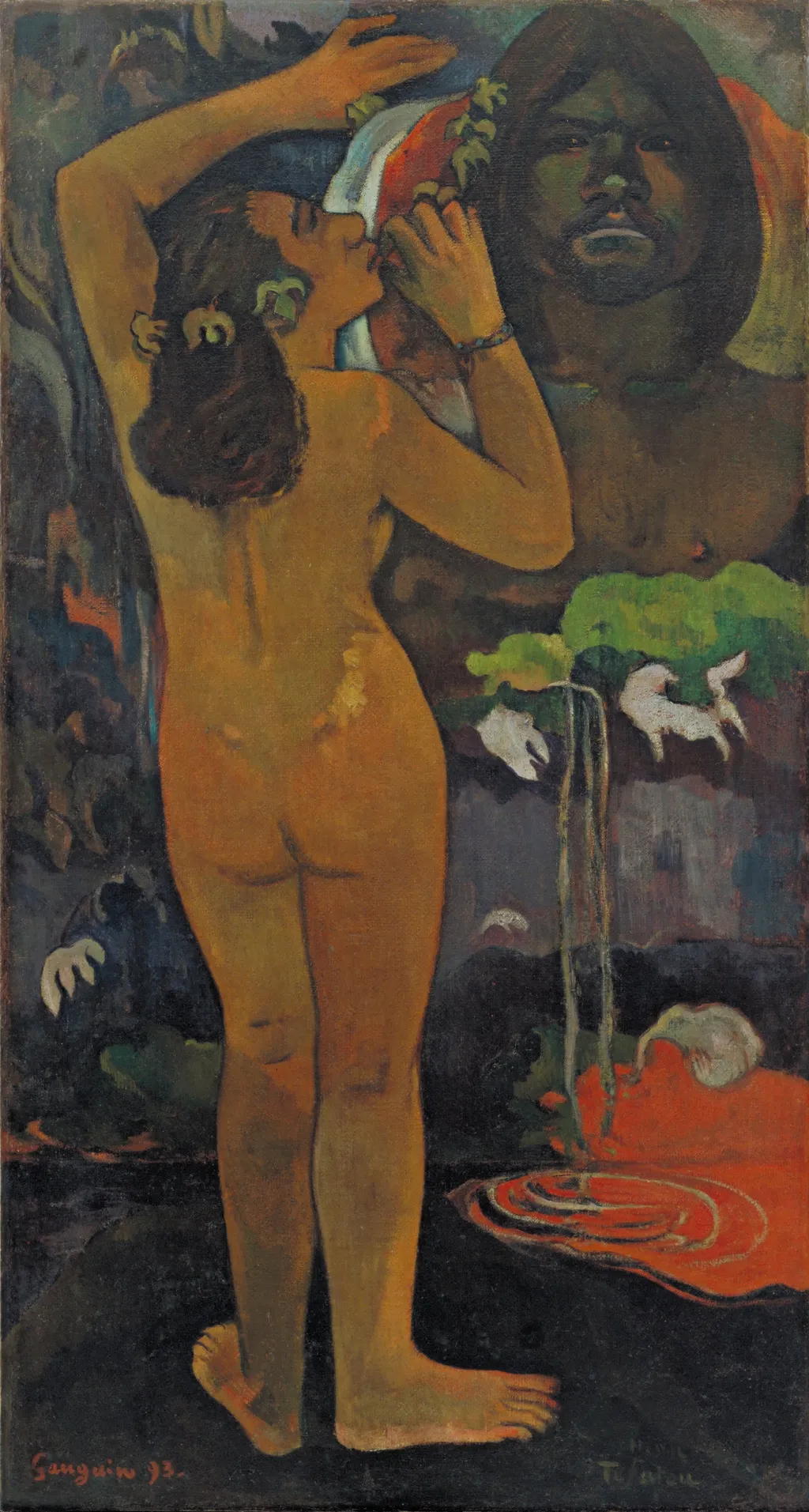
The Moon and the Earth is an oil painting by the Post-Impressionist artist Paul Gauguin. It dates from 1897 and is held in the collection of the Museum of Modern Art.
About this work
Overview
Painted in 1897, *The Moon and the Earth* is an oil work by Paul Gauguin that merges mythic symbolism with a quiet, intimate scene.
Painted in 1897, *The Moon and the Earth* is an oil work by Paul Gauguin that merges mythic symbolism with a quiet, intimate scene. It belongs to his later period, shaped by his time in French Polynesia, where he sought to express spiritual and cultural ideas through simplified forms and non-naturalistic color. The painting is part of the Museum of Modern Art’s collection, reflecting its significance in modern art’s evolution.
Subject & Meaning
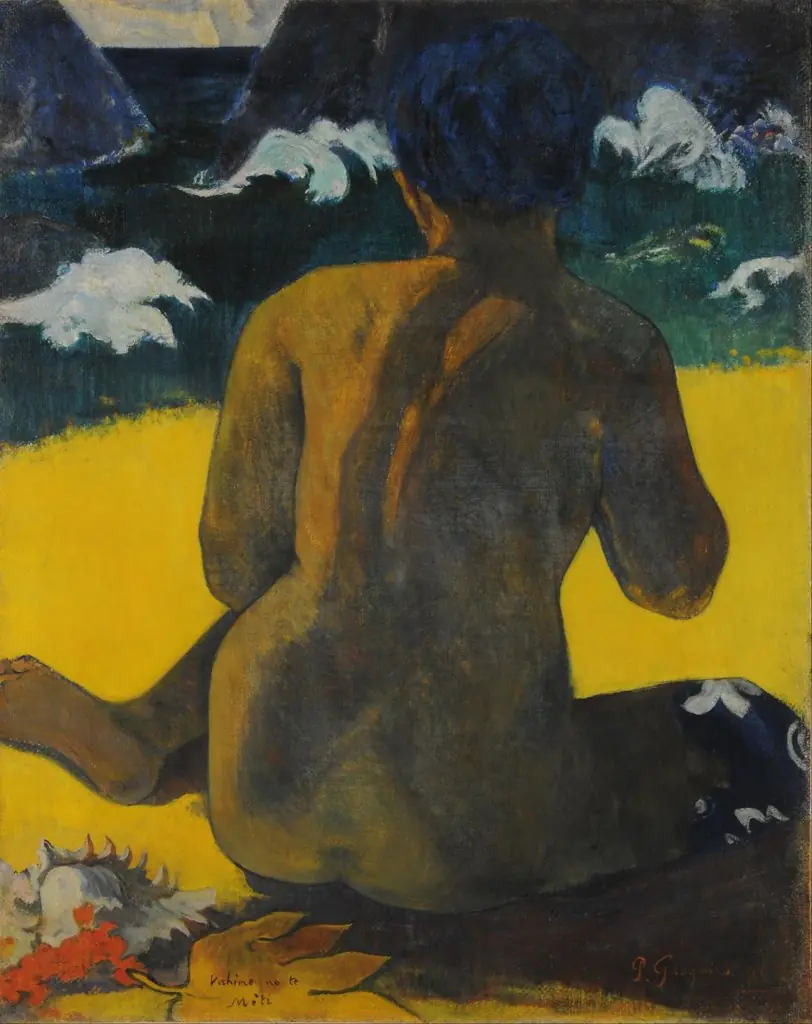
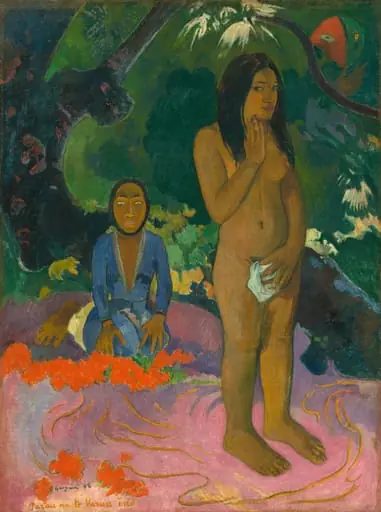
The central figure, a nude woman with flowers in her hair, is interpreted as Hina, the Polynesian lunar deity. Her gesture of washing her hair evokes ritual purity and cyclical renewal. Behind her, a faint, green-faced figure suggests a celestial presence, possibly representing the moon itself. Gauguin blends indigenous belief with personal symbolism, rejecting Western realism to convey a timeless, sacred atmosphere.
Technique & Style
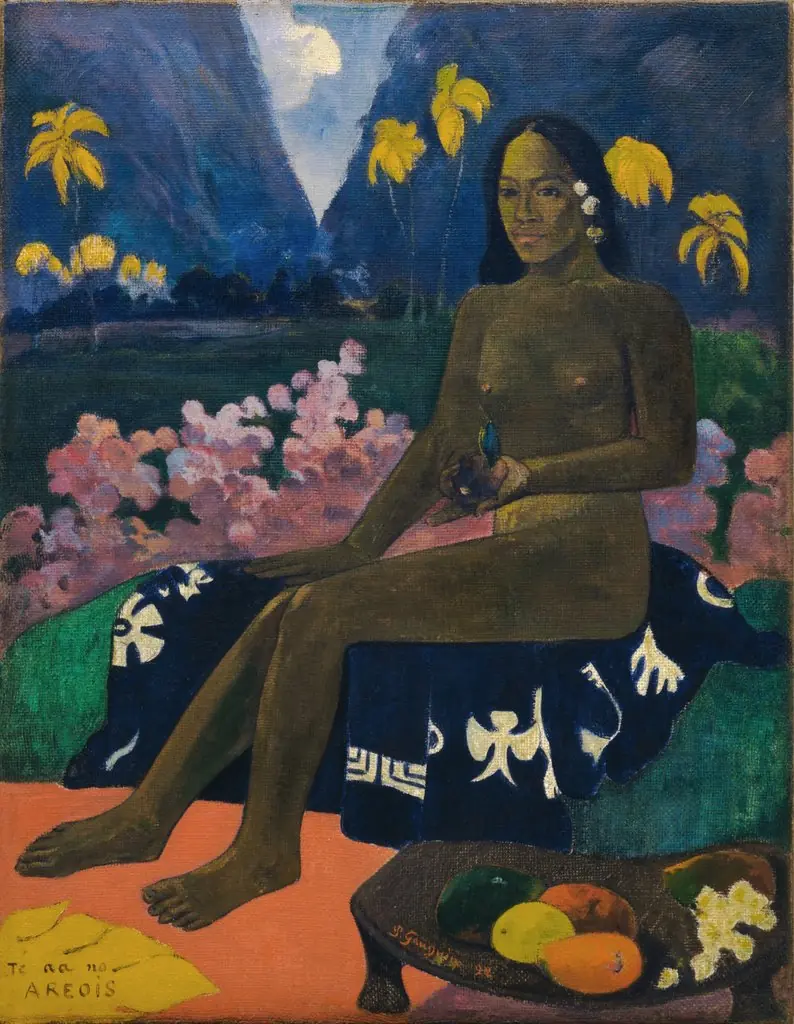
Gauguin employs Synthetist principles, reducing forms to flat planes and using bold, unnatural hues. The woman’s body glows in warm golds and ochres, contrasting with the cool, muted blues and greens of the background. Contour lines are soft, details are minimized, and brushwork is deliberate yet unobtrusive. This stylization prioritizes emotional resonance over optical accuracy.
History & Provenance
Created during Gauguin’s second stay in Tahiti, the painting reflects his deepening engagement with local mythology and his disillusionment with European society. It was acquired by the Museum of Modern Art in the 20th century, among other works that redefined modernism’s relationship with non-Western aesthetics. Its provenance traces back to Gauguin’s personal circle and early collectors of his Polynesian works.
Context
In the late 1890s, Gauguin distanced himself from Impressionism, embracing Symbolism and primitivism as tools to access deeper truths. His Polynesian works responded to colonial narratives by elevating indigenous cosmologies. *The Moon and the Earth* aligns with contemporaneous efforts by artists to challenge Western artistic norms through spiritual and cultural reorientation.
Legacy
The painting contributes to Gauguin’s complex legacy as a bridge between European modernism and non-Western visual traditions. While later critiques have addressed his appropriation of indigenous cultures, the work remains a key example of how Symbolist artists used myth and color to construct alternative realities. Its quiet intensity continues to inform discussions on representation and spirituality in modern art.
Own this work as a print
Artist & collection
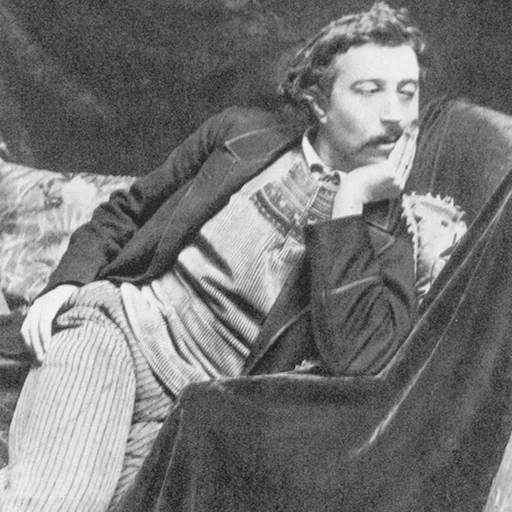
Artist
Eugène Henri Paul Gauguin (; French: ; 7 June 1848 – 8 May 1903) was a French painter, sculptor, printmaker, ceramist, and writer, whose work has been primarily associated with the Post-Impressionist and Symbolist movements.