Artwork
Self-Portrait
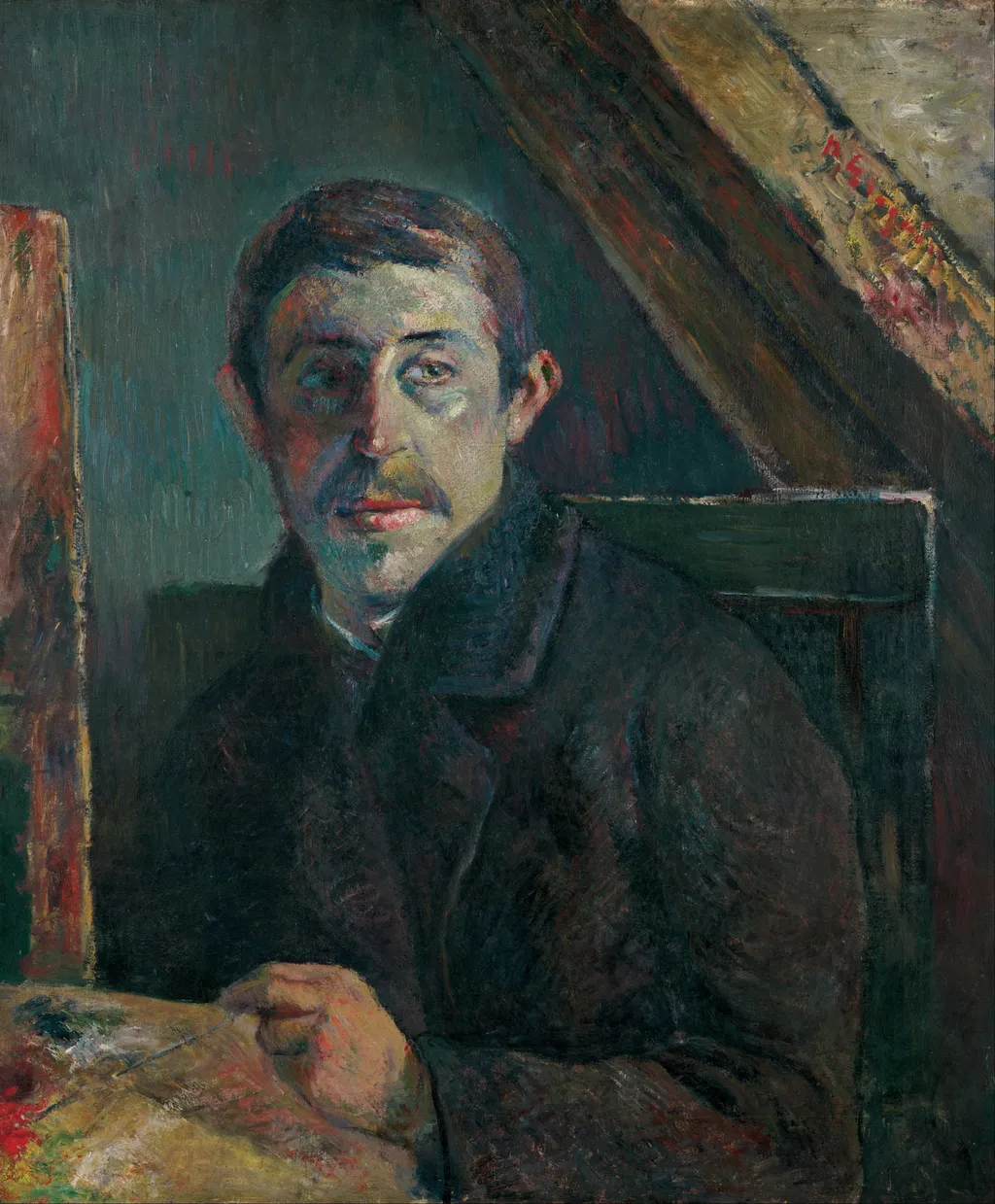
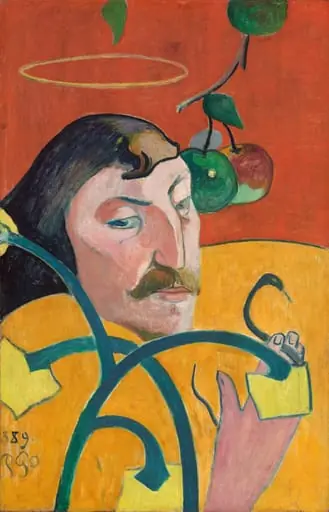
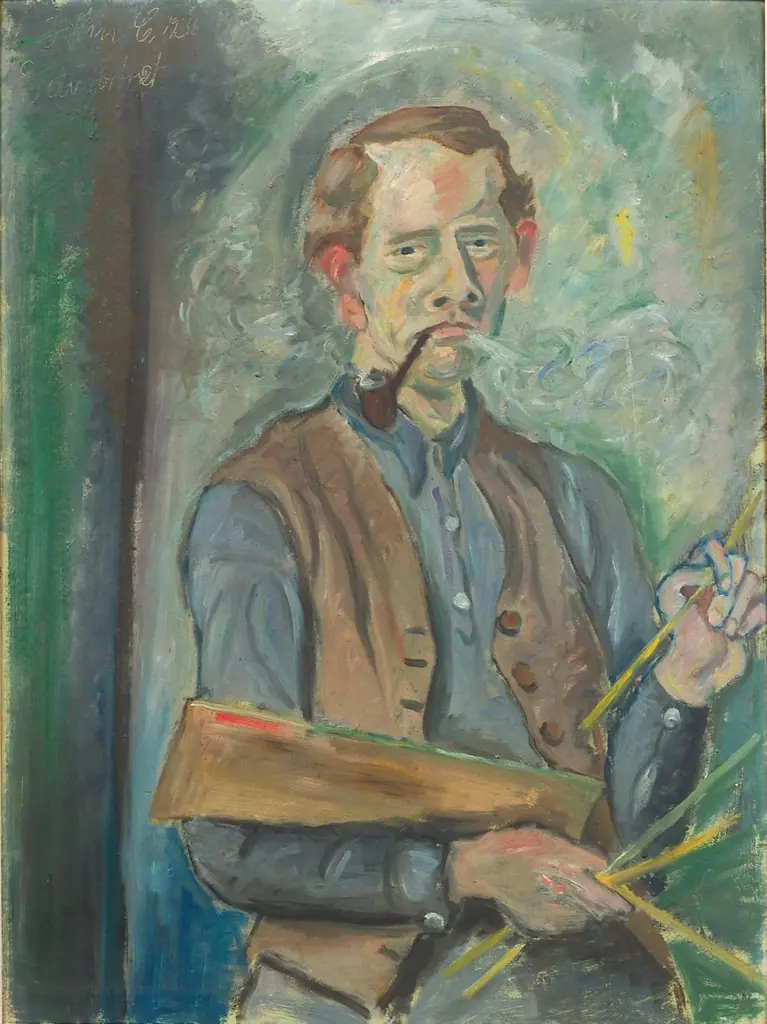
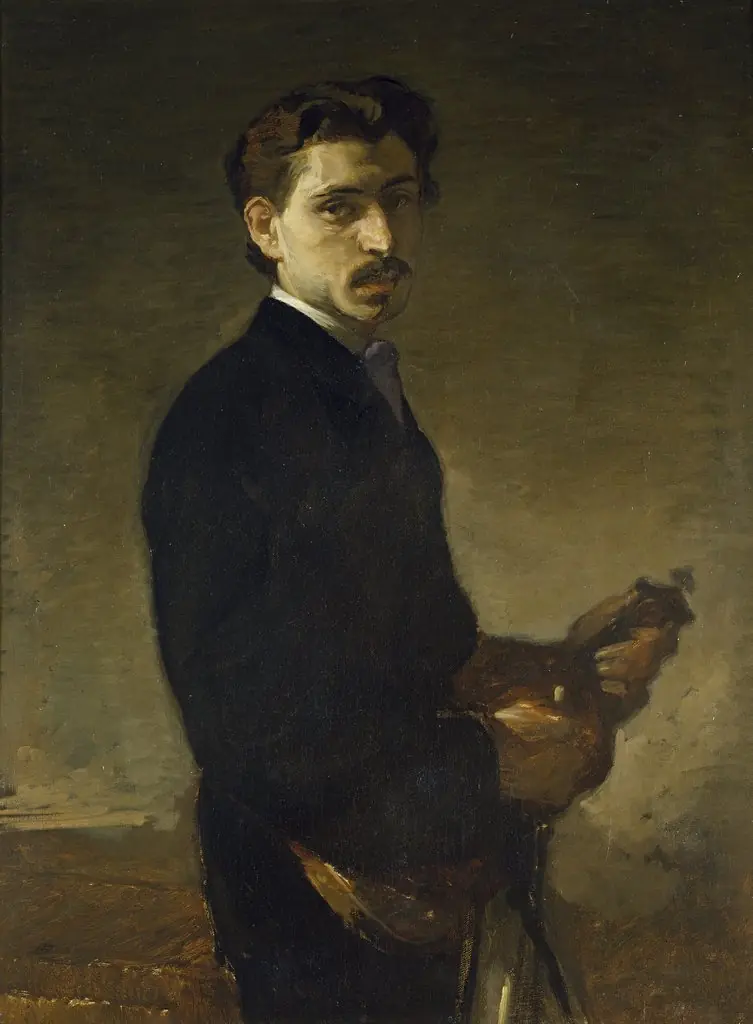
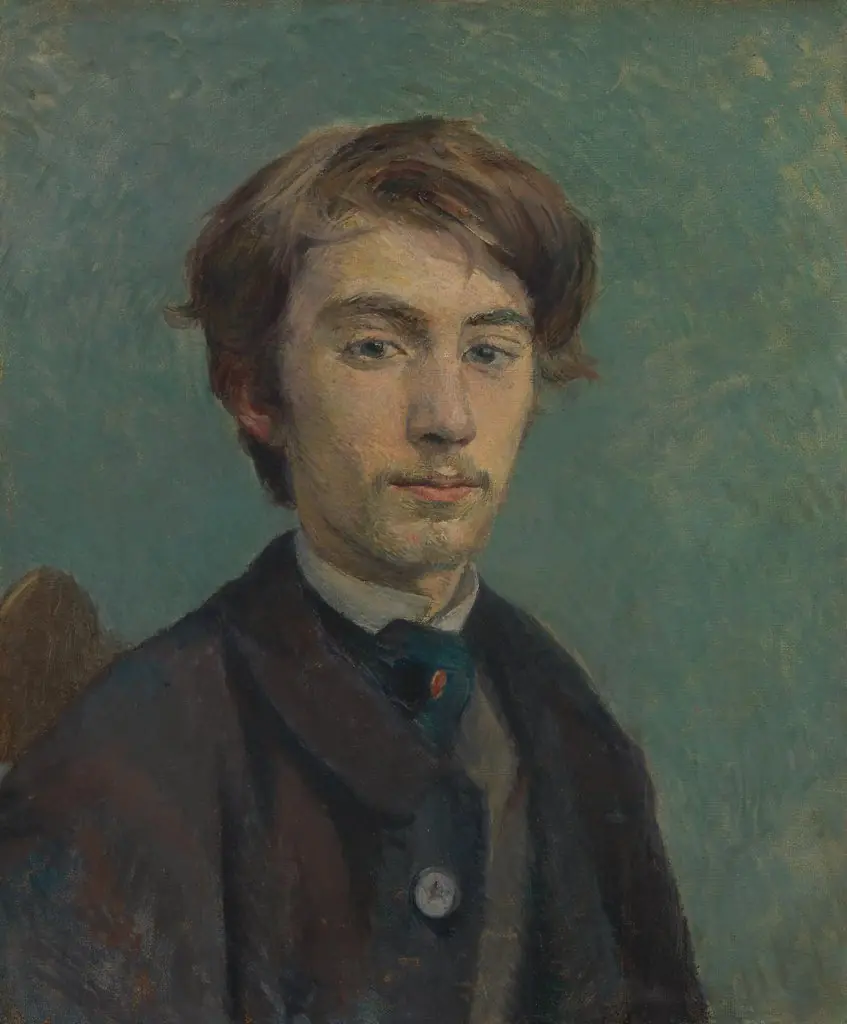
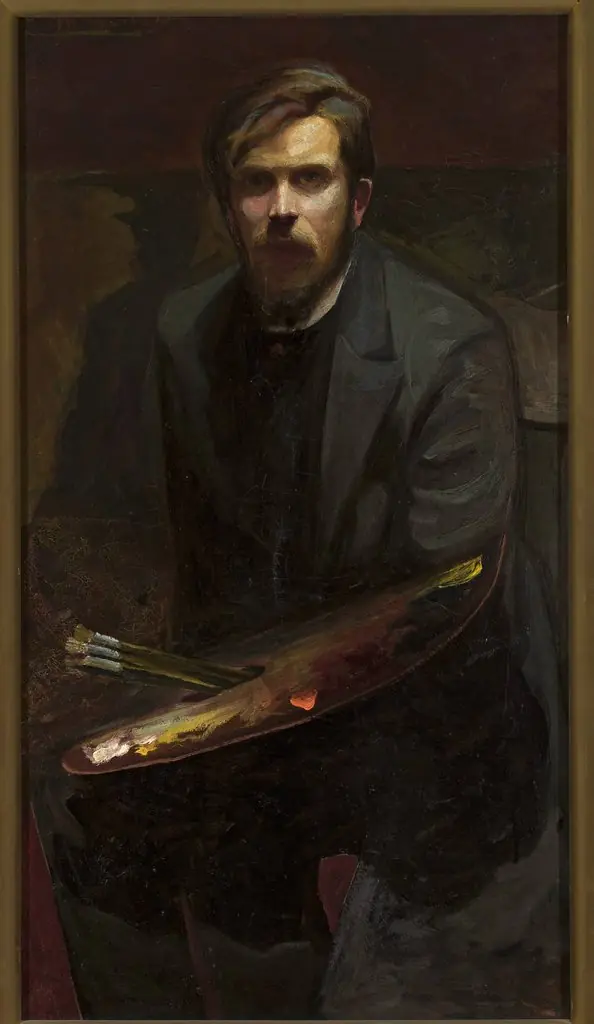
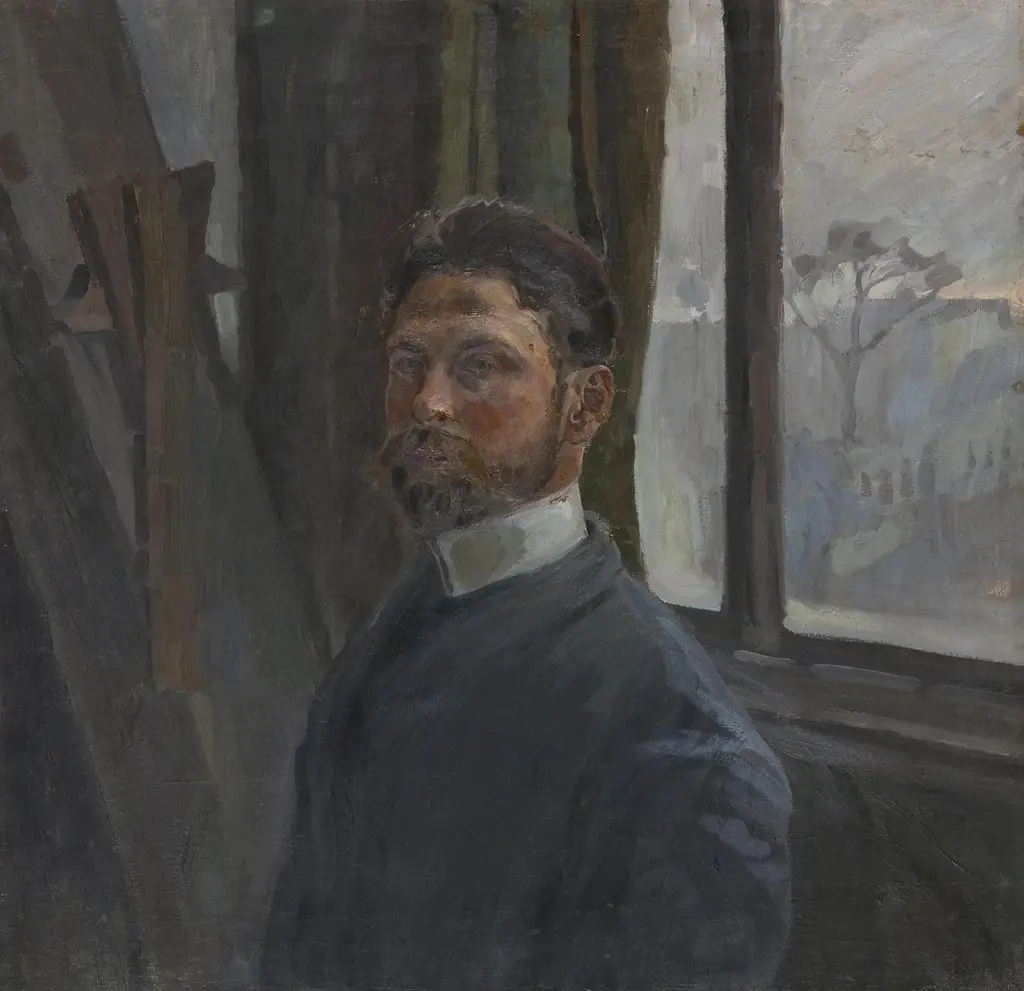
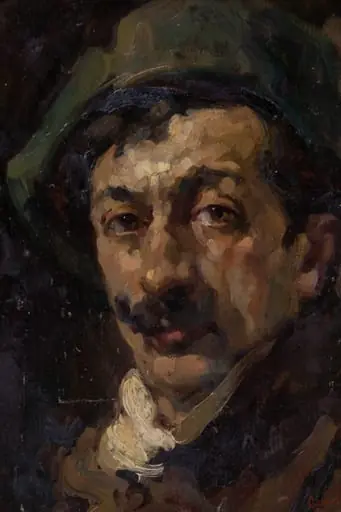
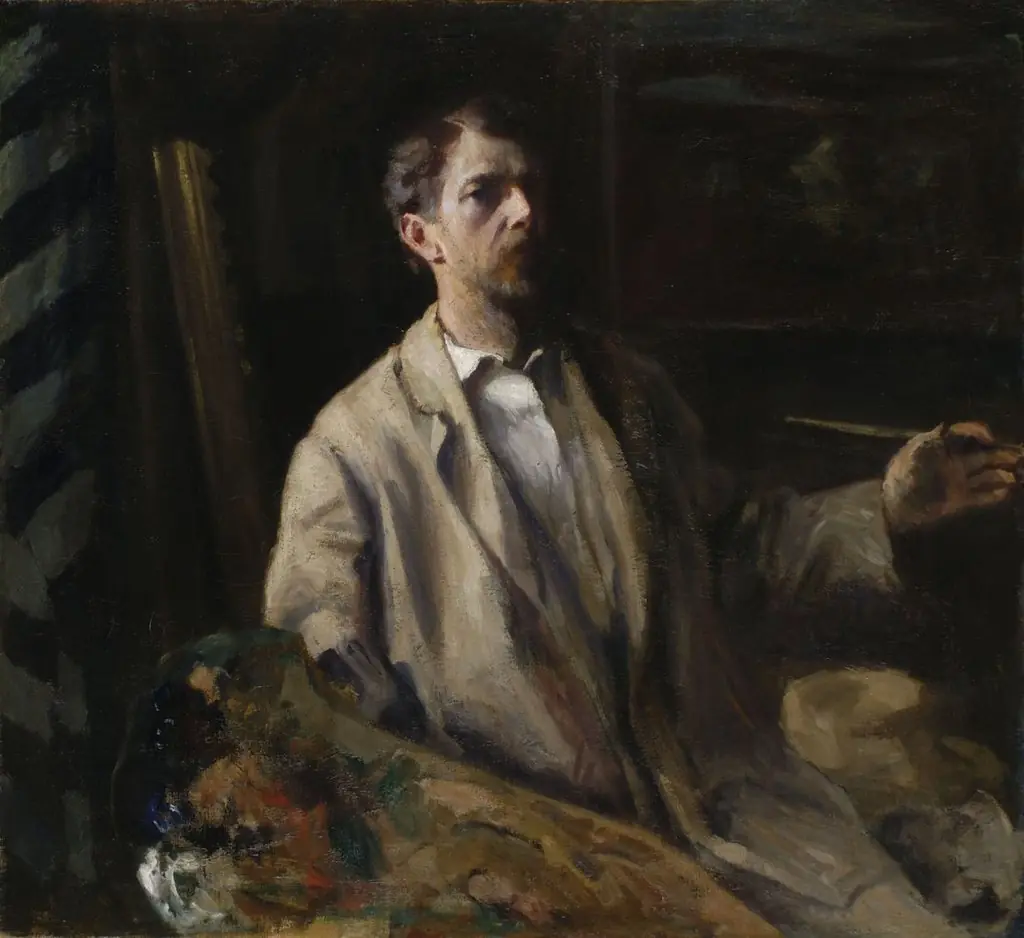
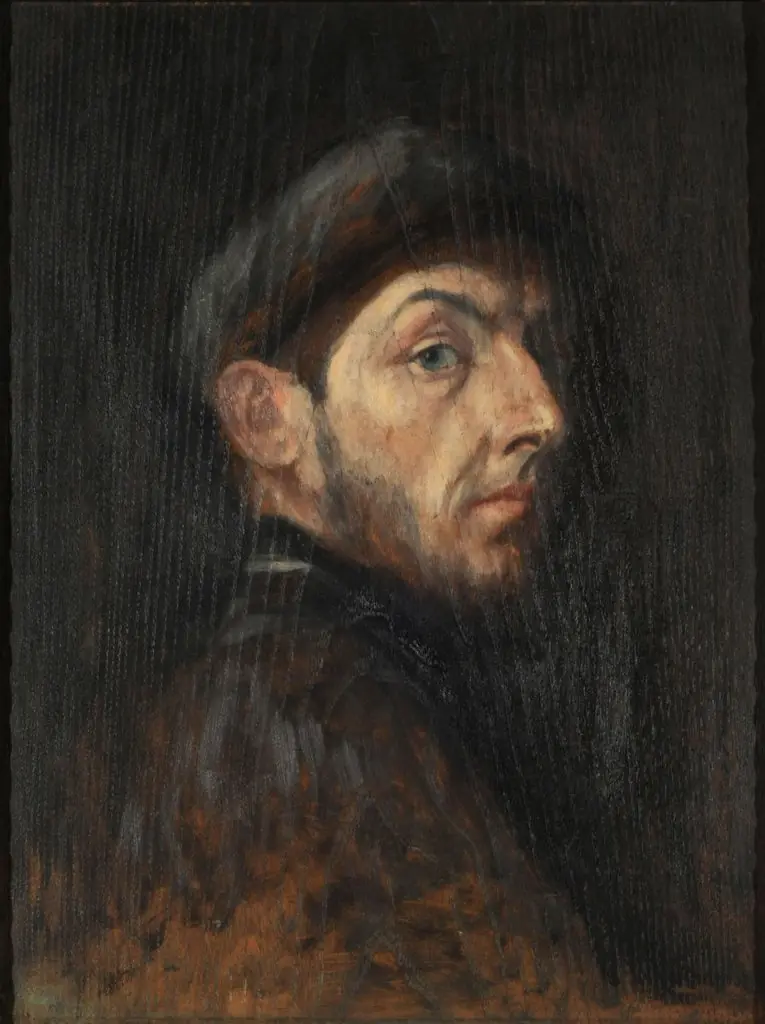
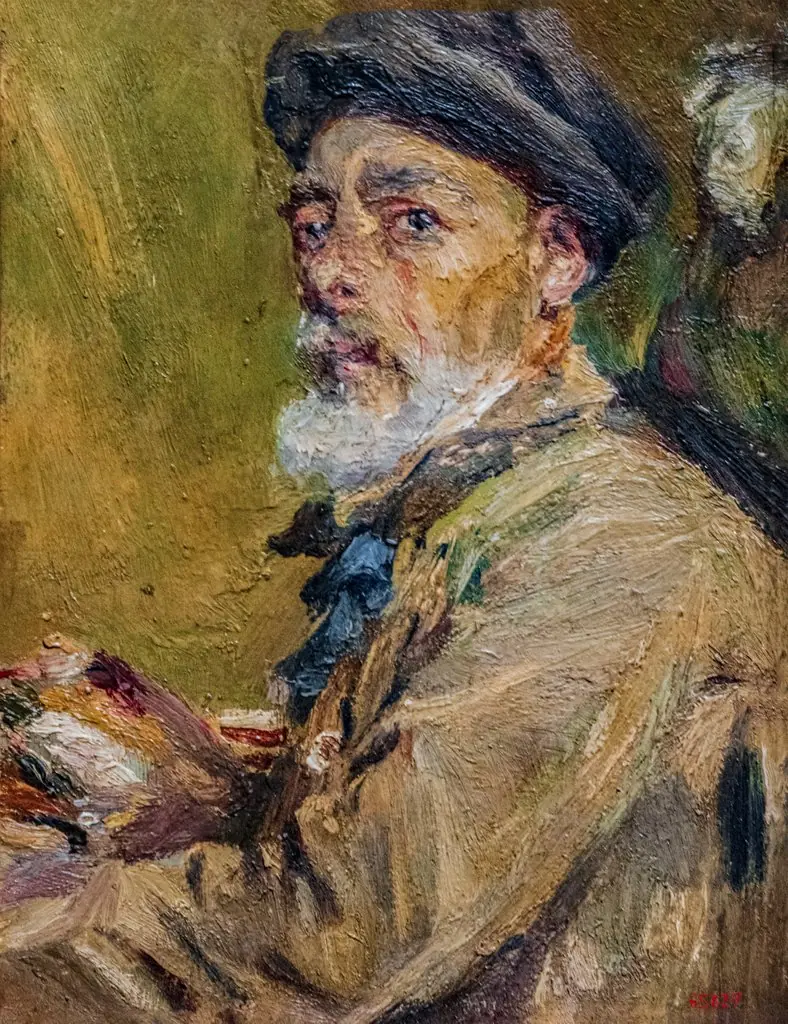
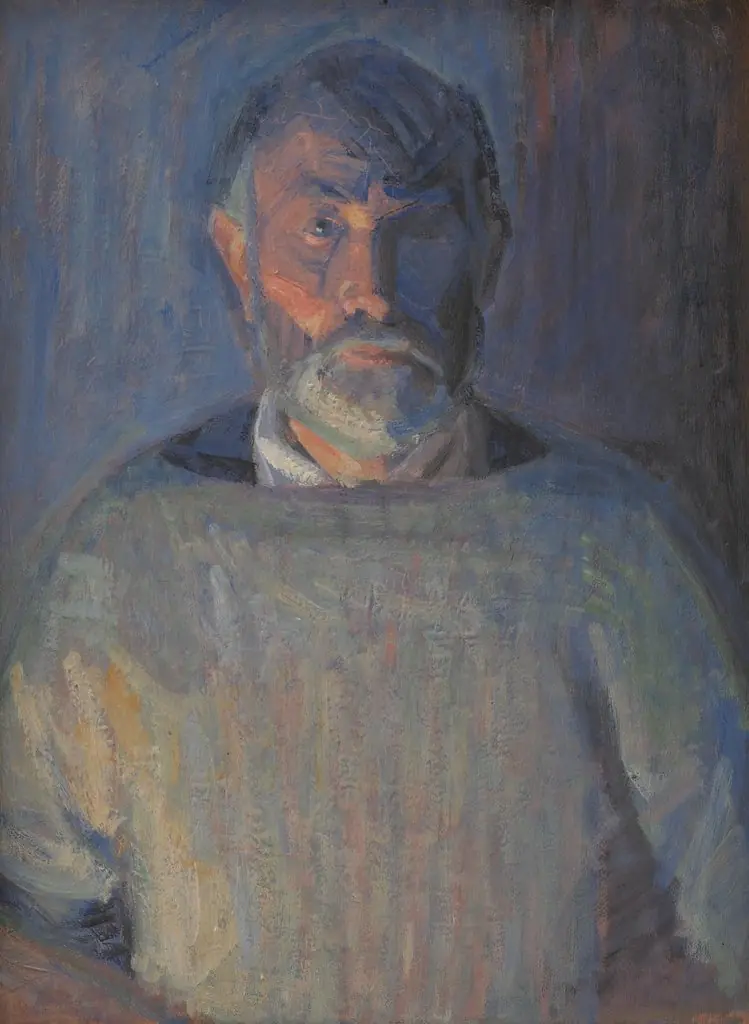
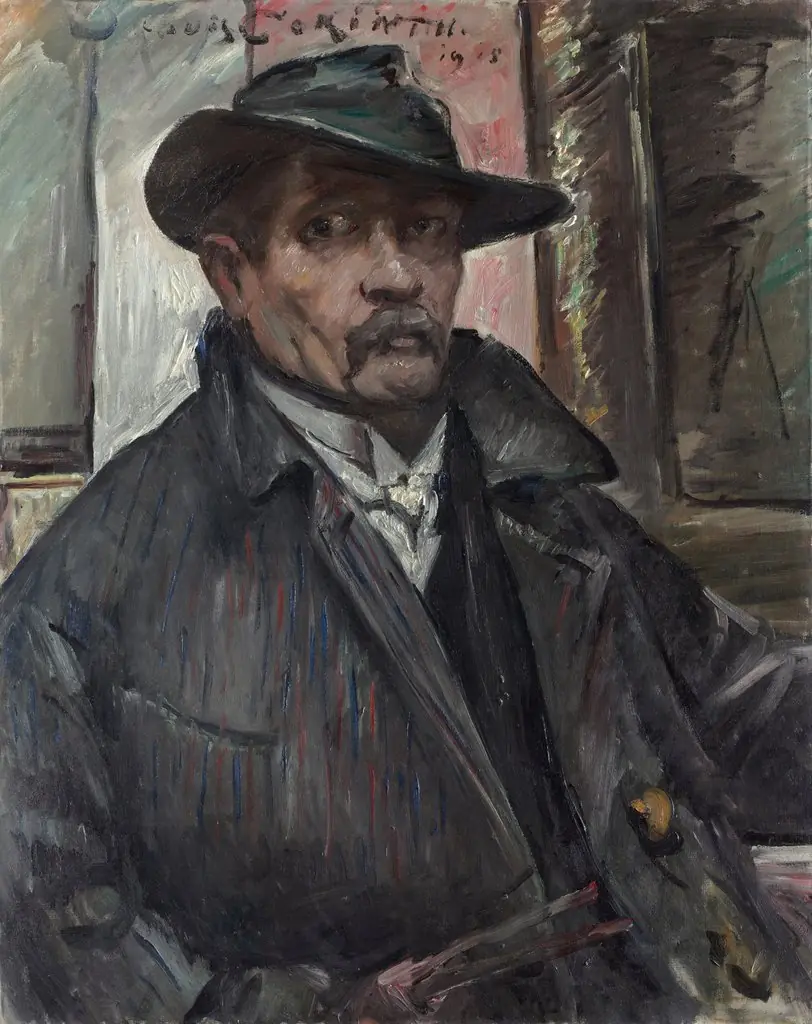
Self-Portrait is an oil painting by the Post-Impressionist artist Paul Gauguin. It dates from 1893 and is held in the collection of the Kimbell Art Museum.
About this work
Overview
In 1893 Paul Gauguin produced an oil self‑portrait that exemplifies his shift from Impressionist concerns toward a more symbolic visual language. The canvas shows the artist seated before a plain wall, a window or doorway hinted behind him, and is now part of the Kimbell Art Museum’s holdings.
Subject & Meaning
The work presents Gauguin as a middle‑aged man with short dark hair, a moustache, and a dark jacket. His gaze is direct and his expression sober, suggesting a contemplative self‑assessment. The sparse interior and subdued lighting focus attention on the figure, reinforcing the painting’s introspective tone.
Technique & Style
Gauguin employs bold, confident brushwork and a vivid palette that contrast with the more loosely rendered background. The facial features are rendered with careful detail, while the surrounding wall and implied window are suggested through visible, energetic strokes, creating a sense of depth and texture characteristic of his Synthetist approach.
History & Provenance
Created during Gauguin’s mature Post‑Impressionist period, the painting entered the collection of the Kimbell Art Museum, where it remains on view. Its acquisition reflects the museum’s interest in representing pivotal developments in late‑19th‑century French art.
Own this work as a print
Artist & collection
Artist
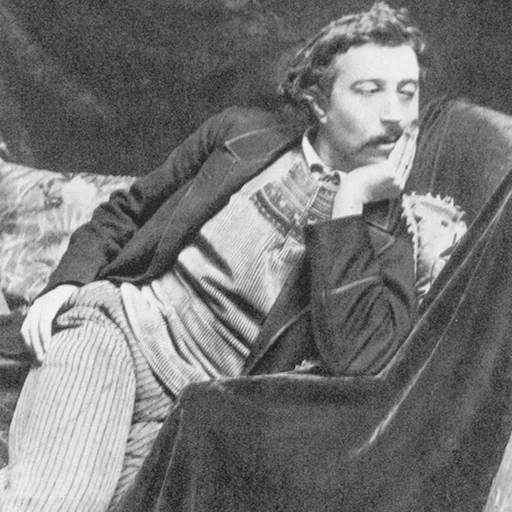
Eugène Henri Paul Gauguin (; French: ; 7 June 1848 – 8 May 1903) was a French painter, sculptor, printmaker, ceramist, and writer, whose work has been primarily associated with the Post-Impressionist and Symbolist movements.