Artwork
Tahitian Landscape
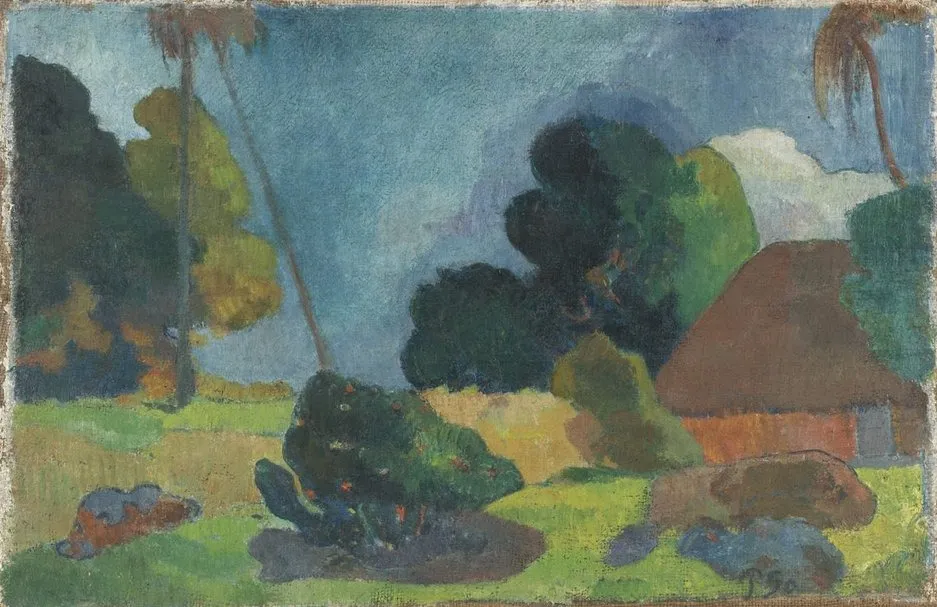
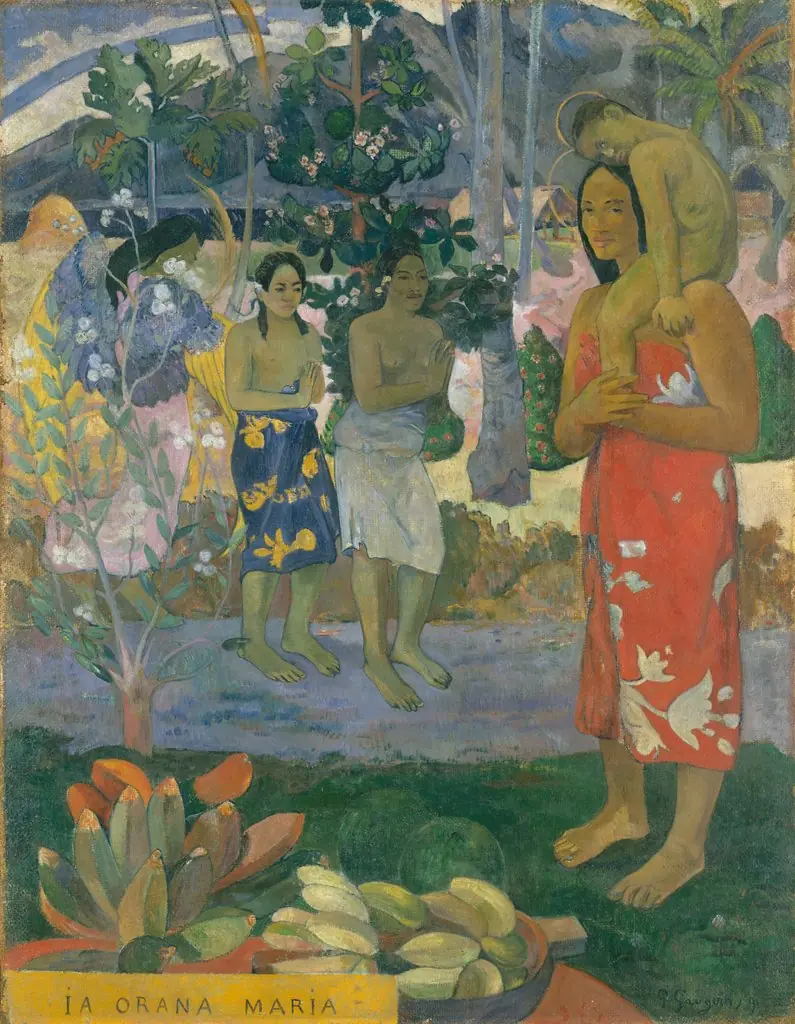
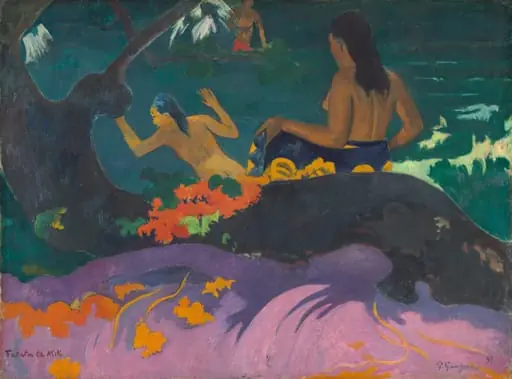
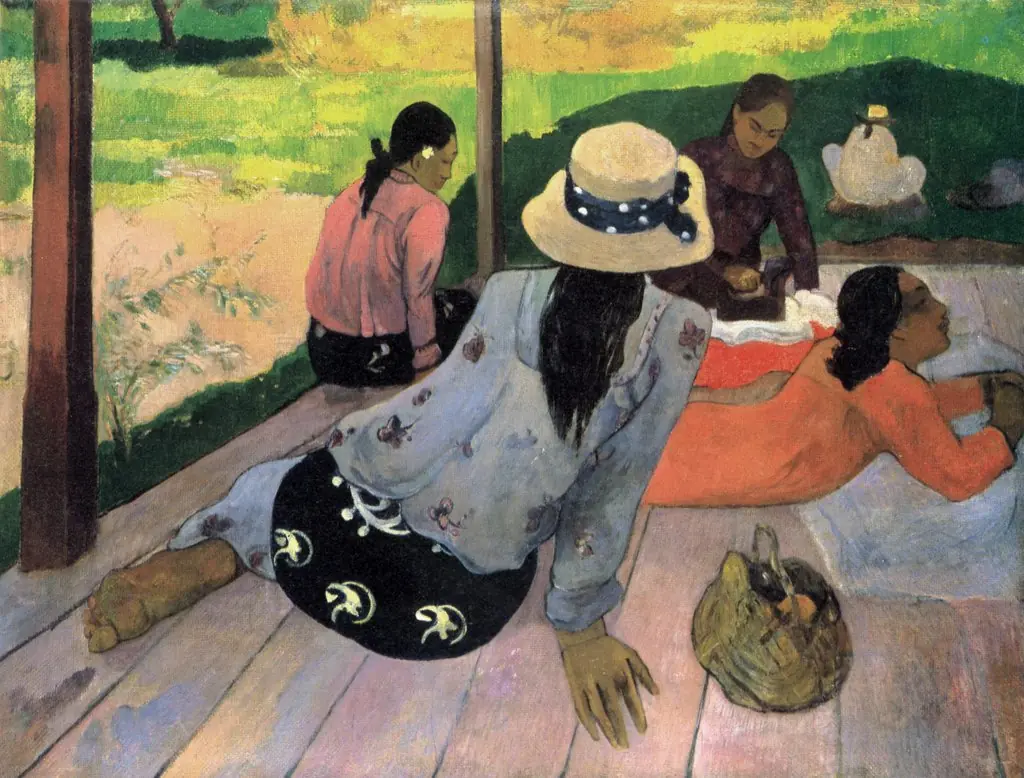
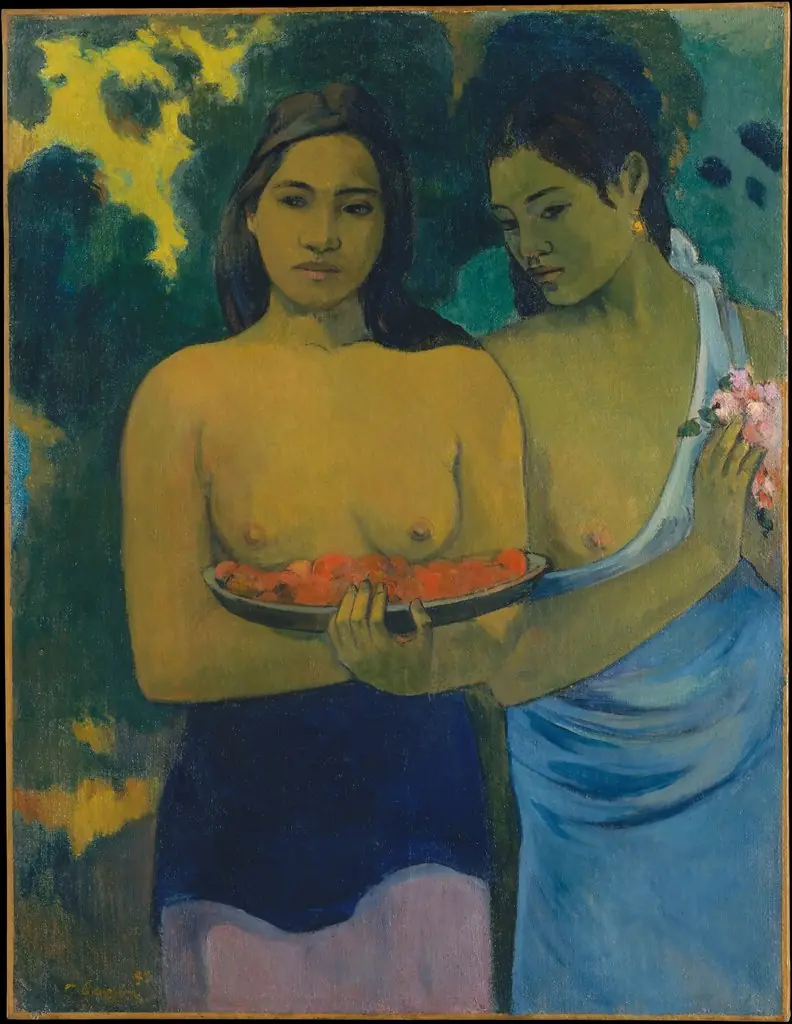
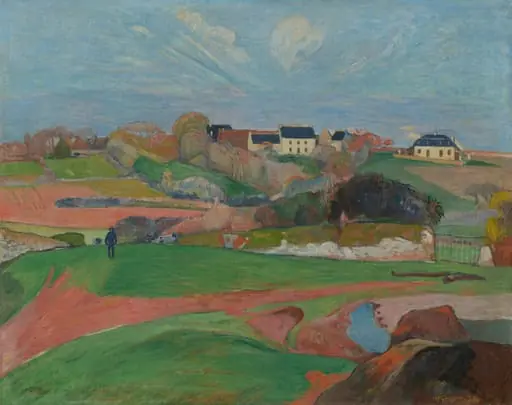
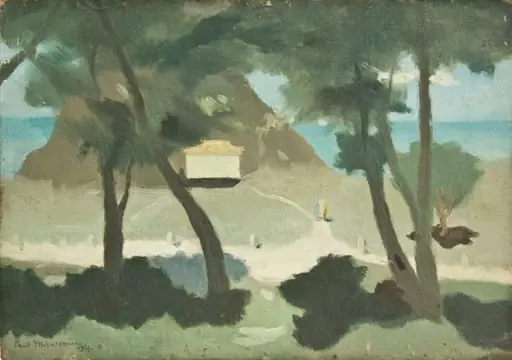
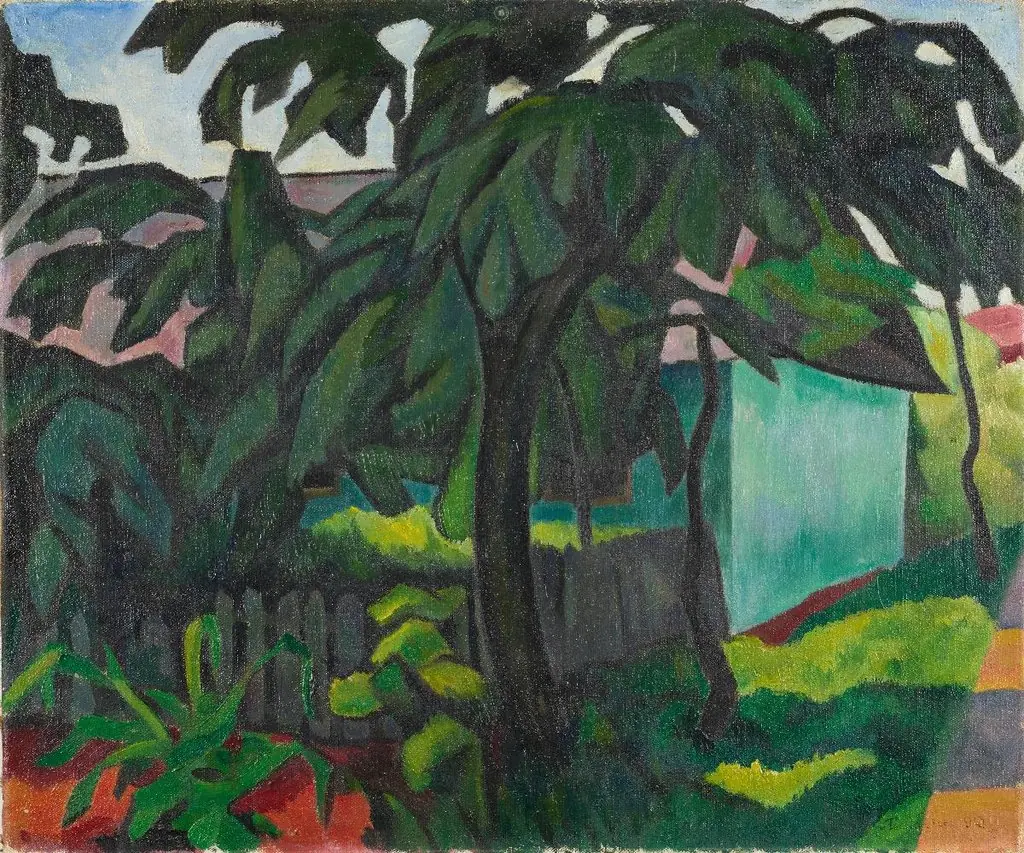
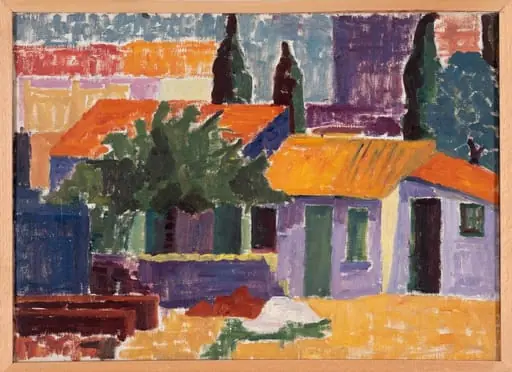
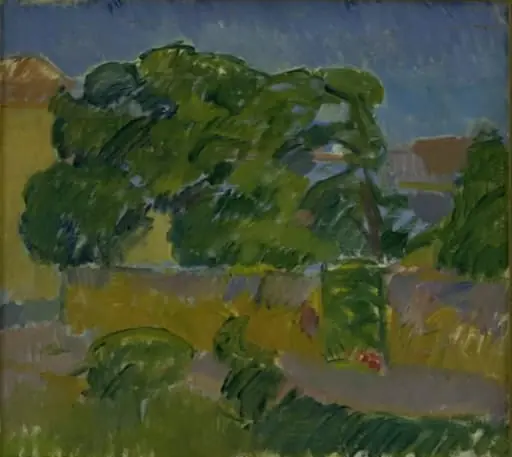
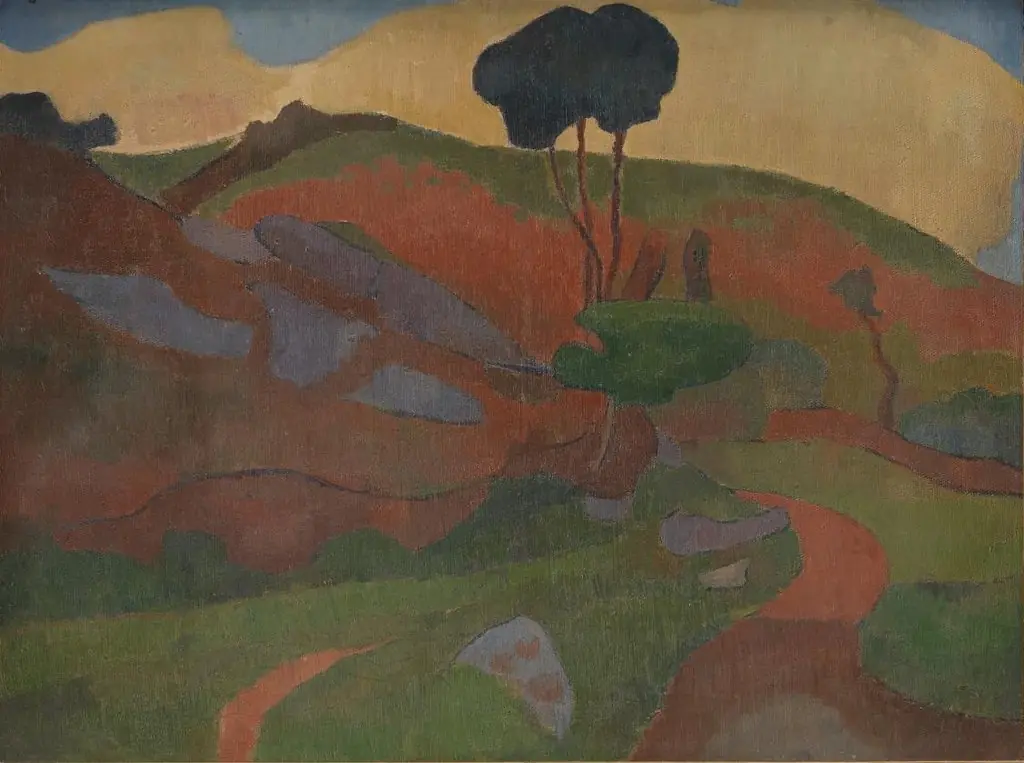
Tahitian Landscape is an oil painting by the Post-Impressionist artist Paul Gauguin. It dates from 1900 and is held in the collection of the Museum of Modern Art.
About this work
Overview
The painting captures a quiet tropical scene, rendered with heightened color and flattened perspective, characteristic of his mature style.
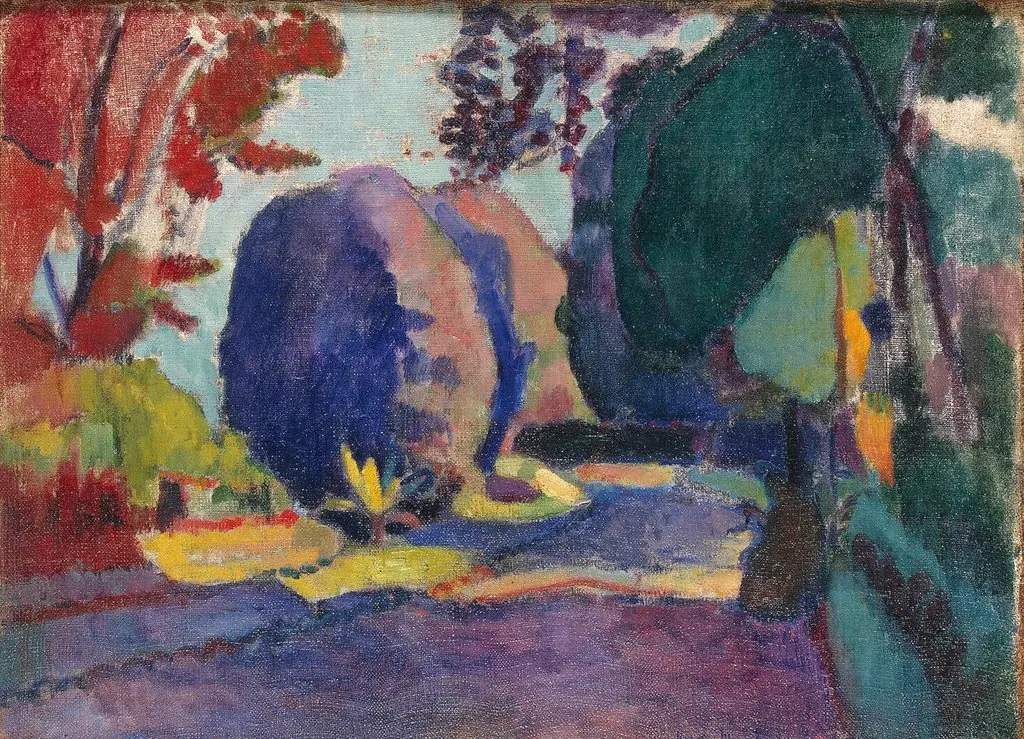
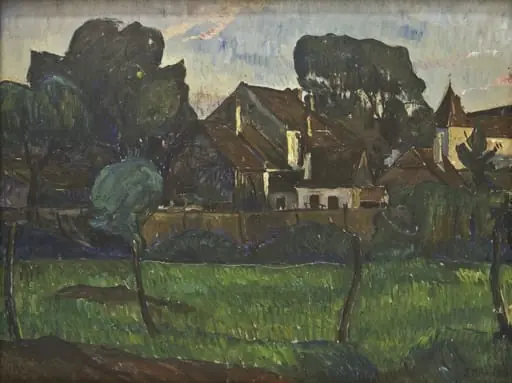
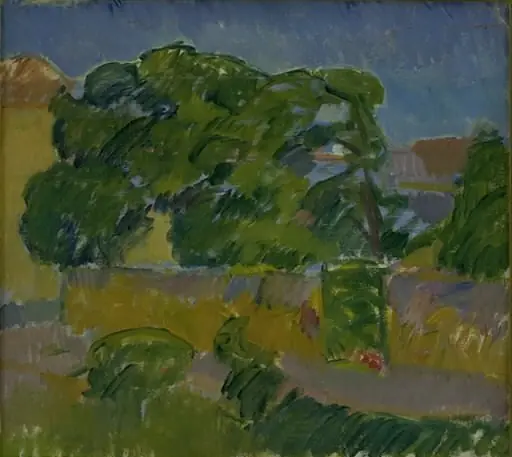
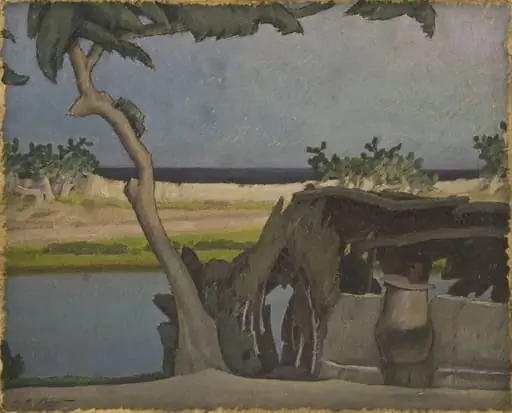
Painted in 1900, *Tahitian Landscape* is an oil on canvas work by French artist Paul Gauguin. Created during his second stay in French Polynesia, it reflects his departure from European artistic conventions toward a more personal, symbolic mode of representation. The painting captures a quiet tropical scene, rendered with heightened color and flattened perspective, characteristic of his mature style.
Subject & Meaning
The scene presents a tranquil Polynesian setting: dense foliage, a distant figure, and a simple dwelling nestled among palm trees. Gauguin avoided literal documentation, instead constructing an idealized vision of island life. The absence of narrative detail and the stillness of the figures suggest a contemplative, almost spiritual atmosphere, aligned with his search for primal harmony beyond Western modernity.
Technique & Style
Gauguin employed broad, unblended areas of color and loose, rhythmic brushwork to define forms rather than model them with light and shadow. Greens, blues, and earth tones are applied with deliberate flatness, reducing depth to decorative planes. The composition avoids linear perspective, favoring a patterned arrangement that emphasizes surface and emotional tone over naturalistic accuracy.
History & Provenance
Executed during Gauguin’s time in Tahiti, the painting emerged from a period of intense personal and artistic reinvention. He produced numerous landscapes during these years, often working outdoors but reworking compositions in his studio. The painting remained in his possession until his death in 1903, after which it entered private collections before being acquired by its current institution.
Context
Gauguin’s move to Tahiti was motivated by a desire to escape European industrial society and engage with what he perceived as uncorrupted indigenous cultures. His work from this period, including *Tahitian Landscape*, contributed to a broader European fascination with the 'exotic,' though his interpretations were deeply subjective and filtered through his own symbolic concerns.
Legacy
This painting exemplifies Gauguin’s influence on modern art’s turn toward abstraction and emotional expression. His use of color and form inspired later movements such as Fauvism and Expressionism. While his romanticized depictions of Polynesian life have been critically reassessed, his formal innovations remain central to the evolution of 20th-century painting.
Artist & collection
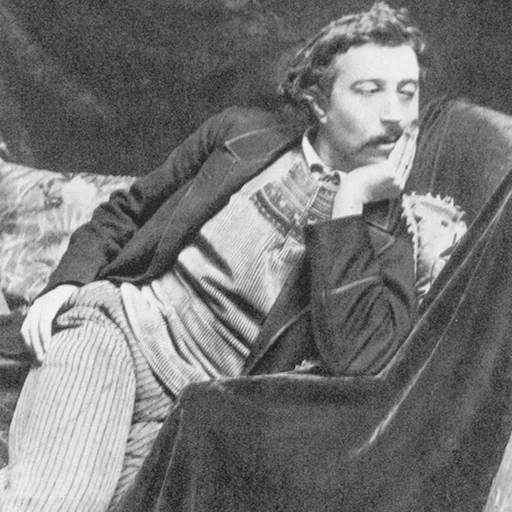
Artist
Eugène Henri Paul Gauguin (; French: ; 7 June 1848 – 8 May 1903) was a French painter, sculptor, printmaker, ceramist, and writer, whose work has been primarily associated with the Post-Impressionist and Symbolist movements.