Artwork
Tahitian Woman
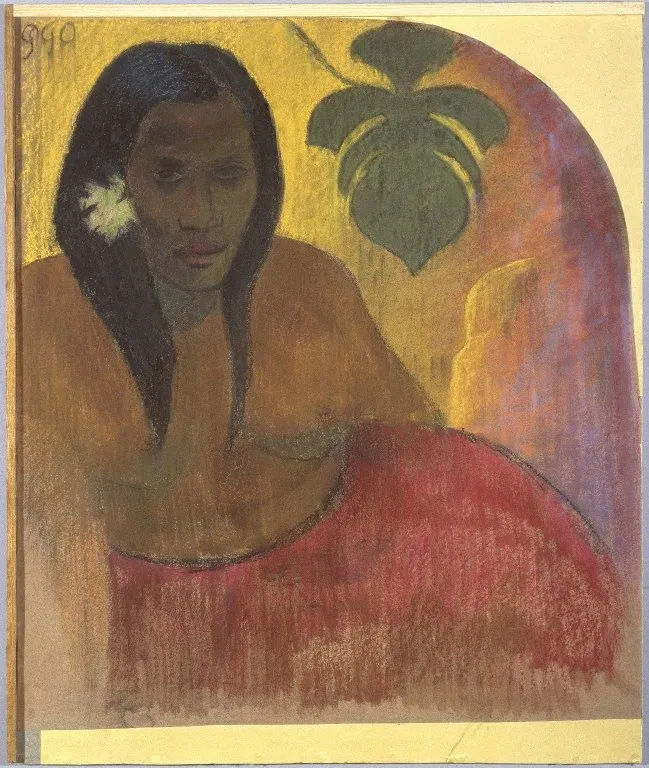
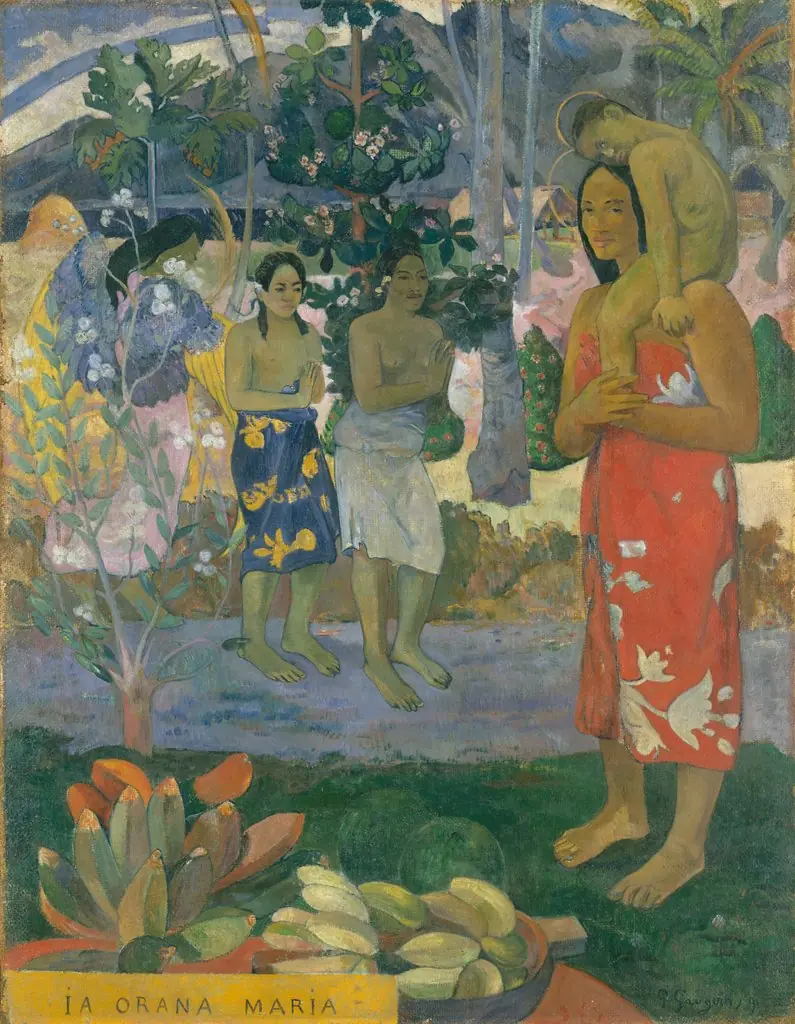
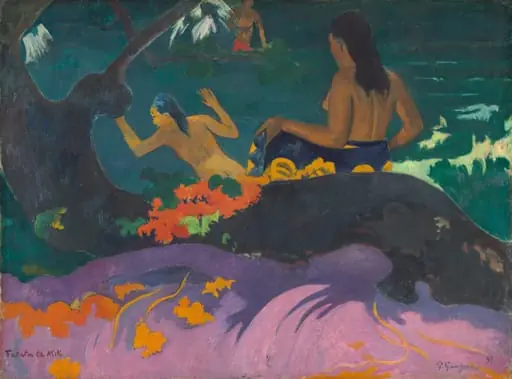
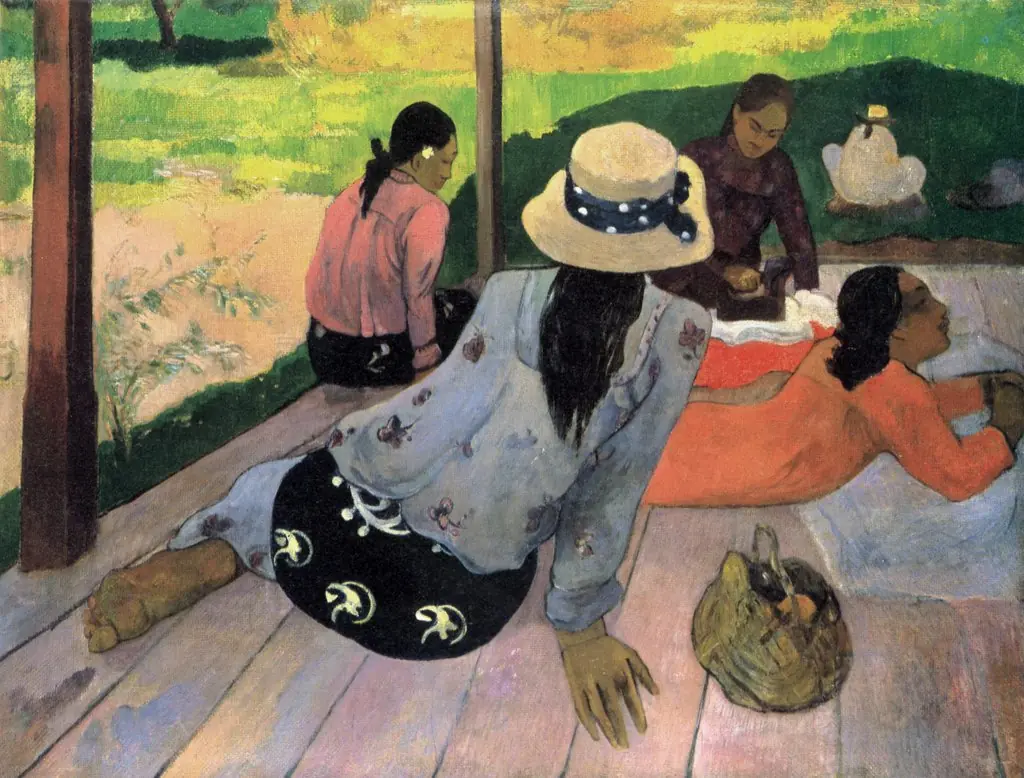
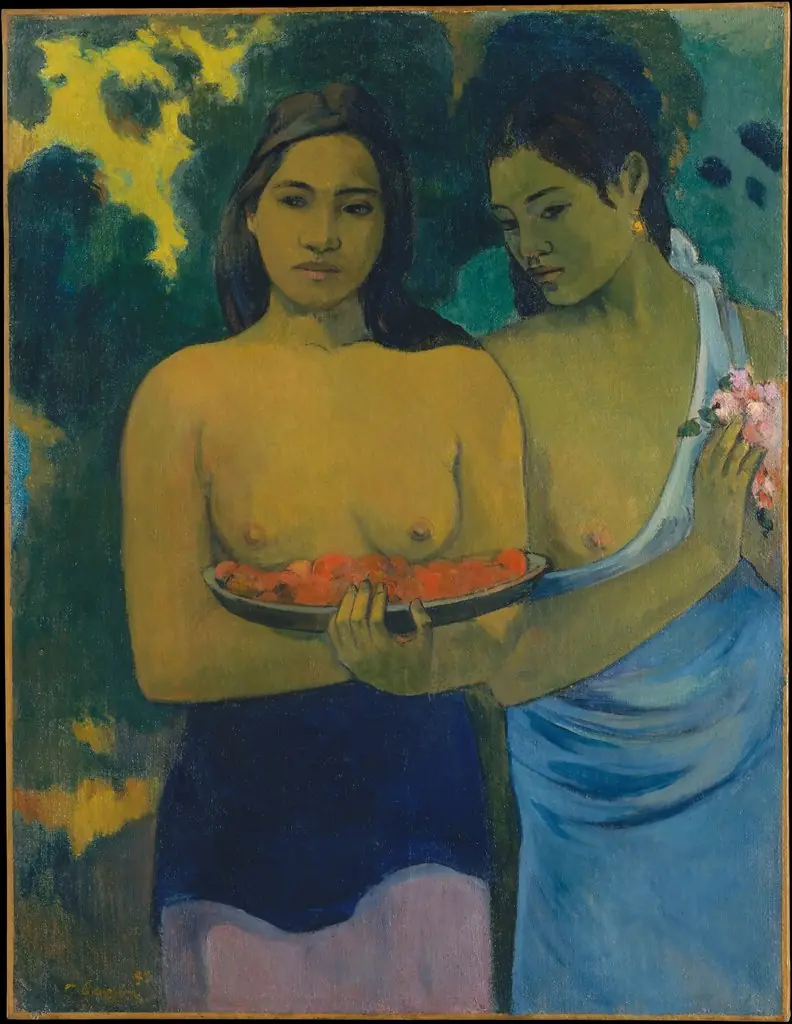
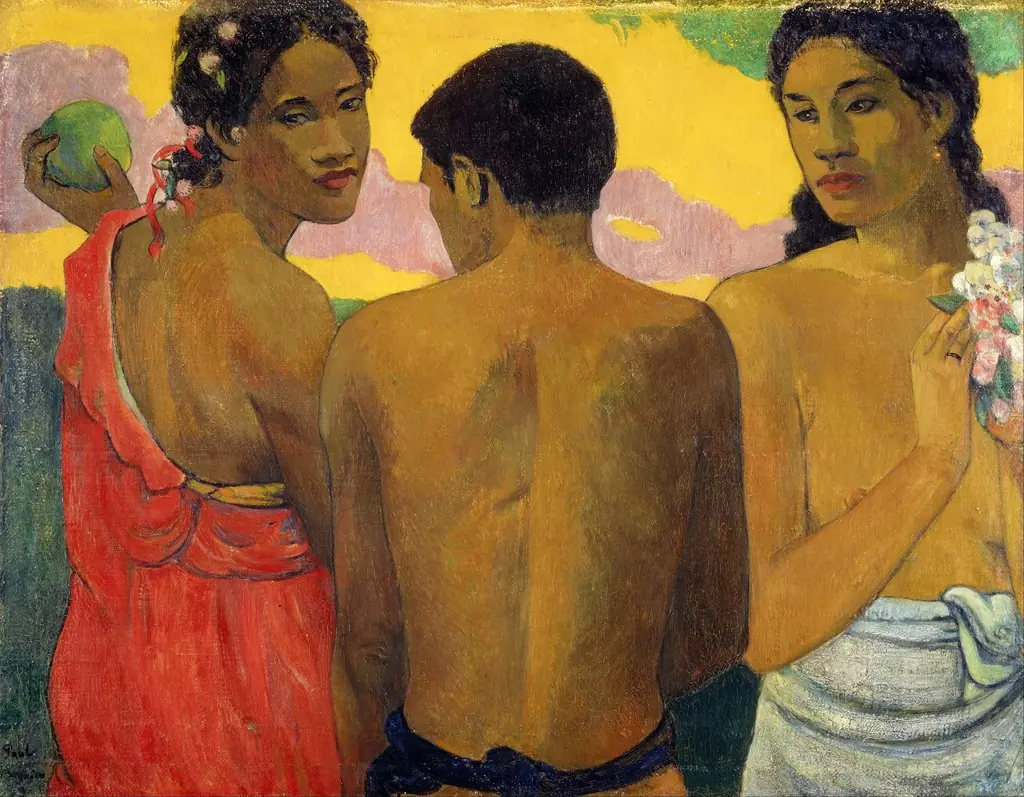
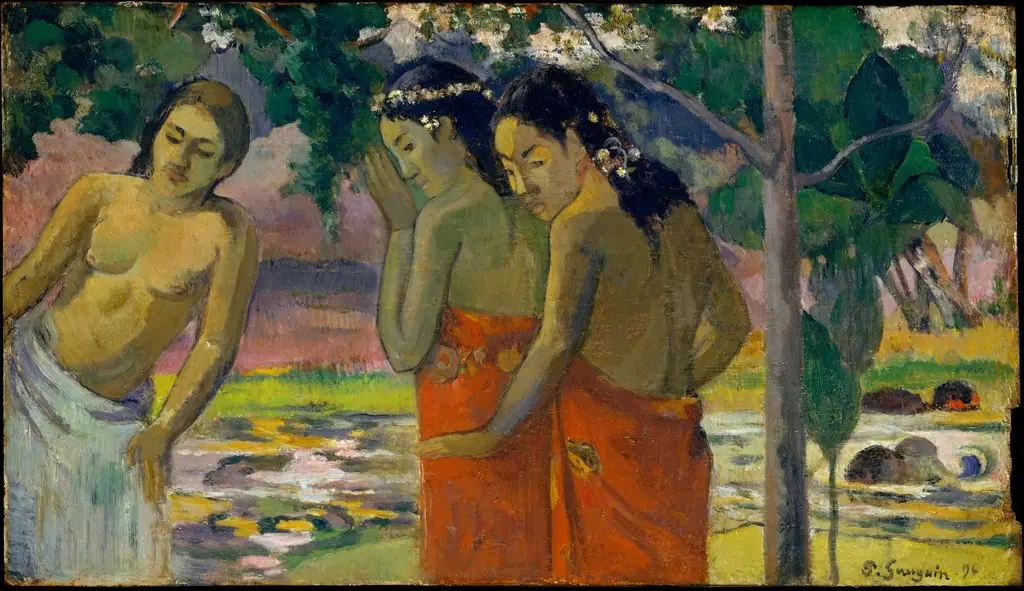
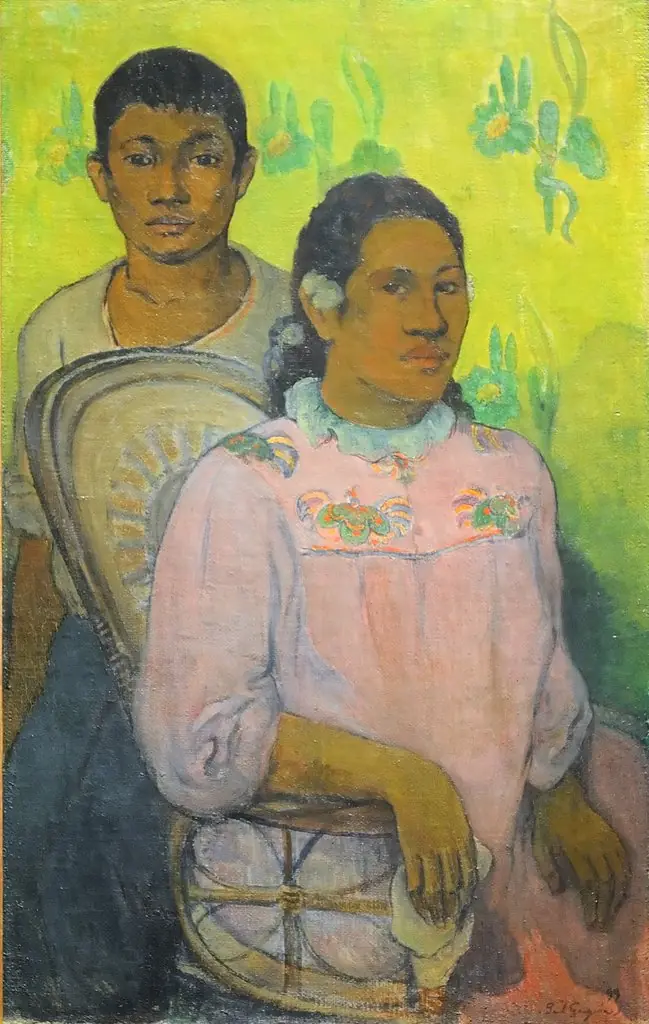
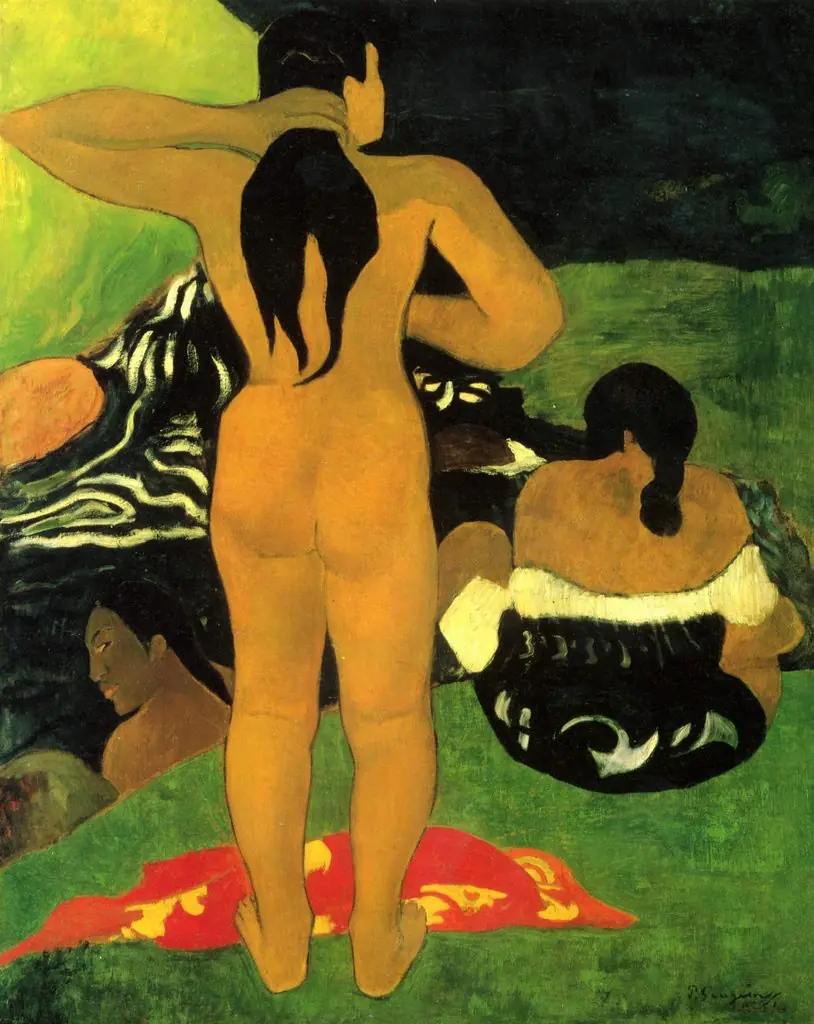
Tahitian Woman is an unspecified painting by the Post-Impressionist artist Paul Gauguin. It dates from 1898 and is held in the collection of the Brooklyn Museum.
About this work
Overview
Painted in 1898 during Paul Gauguin’s second stay in Tahiti, this work belongs to his mature period and reflects his move away from European artistic conventions. Executed in oil on canvas, it exemplifies his Synthetist approach—reducing forms to essential shapes and using flat, unmodulated color to convey emotional and spiritual resonance rather than optical realism.
Subject & Meaning
The figure is a Tahitian woman, depicted with quiet dignity, her dark hair adorned with a single white flower. Her gaze, directed away from the viewer, suggests introspection or detachment from the observer’s gaze. The absence of narrative detail and the stylized setting emphasize her symbolic role as an embodiment of an idealized, non-Western otherness, a recurring theme in Gauguin’s work.
Technique & Style
Gauguin employed broad areas of unblended color—red, yellow, and green—to construct form and space. Outlines are softly defined, and modeling is minimal, rejecting chiaroscuro in favor of decorative flatness. The background, though simple, is not neutral; its warm tones interact with the figure’s clothing, creating a harmonious yet artificial environment that prioritizes mood over realism.
History & Provenance
The painting entered the Brooklyn Museum’s collection in the early 20th century, likely acquired through the artist’s network of dealers or collectors familiar with his Tahitian output. It has remained in the museum’s holdings since, serving as a key example of Gauguin’s post-1890 work and his engagement with Pacific cultures during a period of colonial expansion.
Context
Created during Gauguin’s self-imposed exile in French Polynesia, the painting reflects his rejection of industrialized Europe and his search for what he perceived as an unspoiled, spiritual existence. His depictions of Tahitian life were shaped by romanticized notions and limited cultural understanding, filtered through a European lens that often ignored local complexities.
Legacy
This work contributed to the broader modernist shift toward abstraction and symbolic representation. While later critics have questioned Gauguin’s cultural appropriation, his use of color and form influenced generations of artists, particularly those in the Fauve and Expressionist movements, who embraced his departure from naturalism.
Artist & collection
Artist
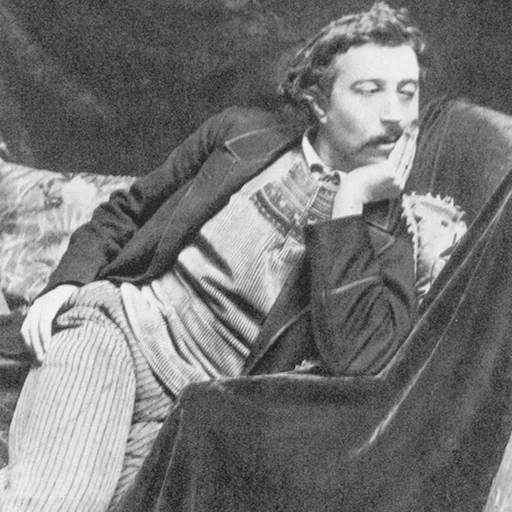
Eugène Henri Paul Gauguin (; French: ; 7 June 1848 – 8 May 1903) was a French painter, sculptor, printmaker, ceramist, and writer, whose work has been primarily associated with the Post-Impressionist and Symbolist movements.