Artwork
Te raau rahi (The Big Tree)
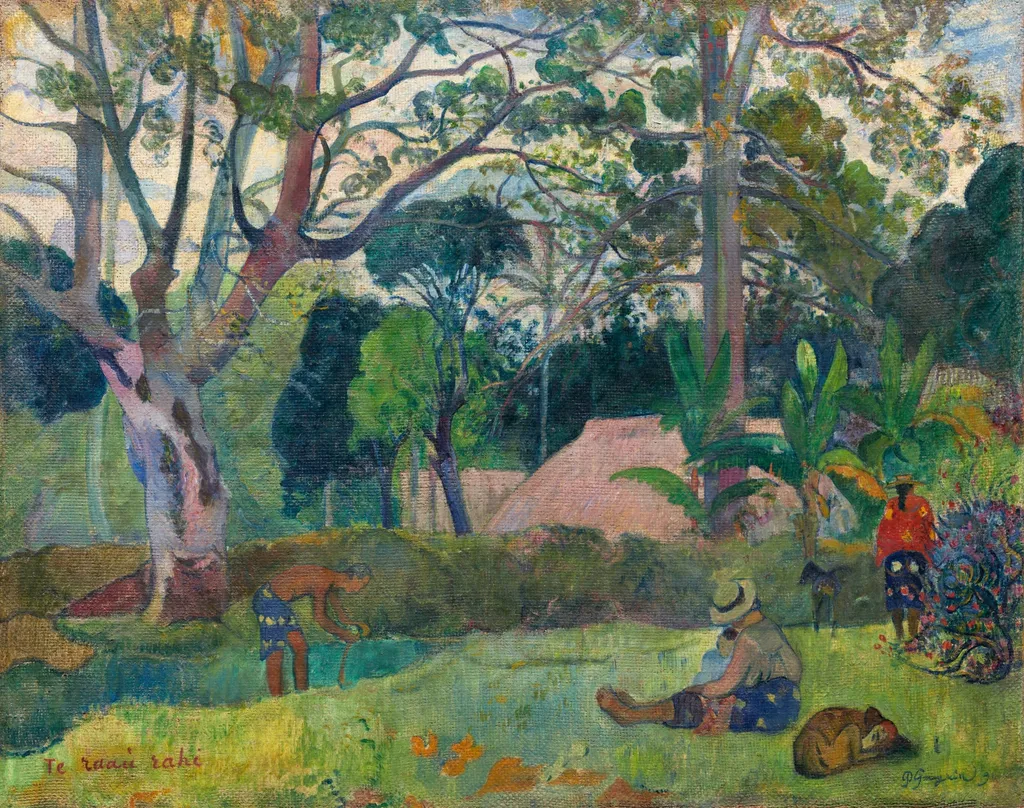
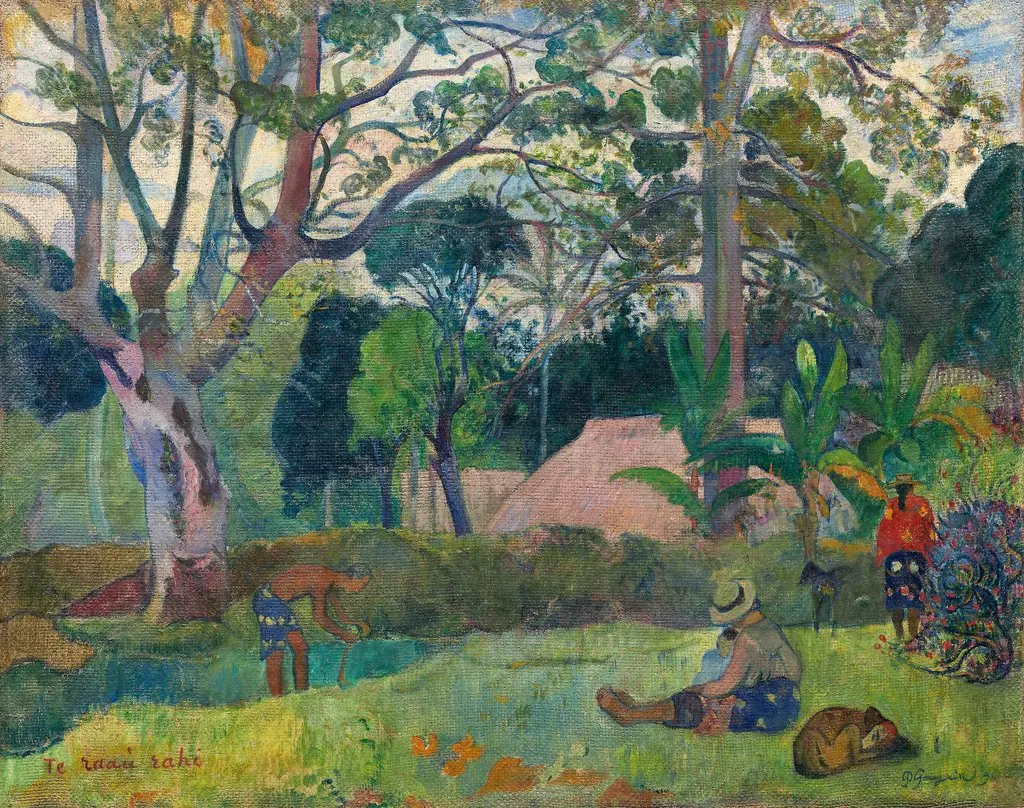
Te raau rahi (The Big Tree) is an oil painting by the Impressionist artist Paul Gauguin. It dates from 1891 and is held in the collection of the Art Institute of Chicago.
About this work
Overview
Te raau rahi (The Big Tree) is an oil painting on jute canvas by Paul Gauguin, depicting a vibrant Tahitian landscape. Dominated by various fruit trees, the scene also includes everyday human activity in the foreground.
Subject & Meaning
The painting showcases Tahiti's lush flora, featuring distinct tree species such as the violet hotu, mango, coconut trees, and banana plants. Human figures are integrated into the landscape: a man cracking a coconut and a resting family with a dog, highlighting daily life amidst natural abundance.
Technique & Style
Executed in oil on a coarsely woven jute canvas, the painting's texture is inherently rugged and organic due to the fibrous plant-based support. The visible canvas through the paint layer adds to the work's tactile quality, characteristic of Gauguin's approach to emphasizing materiality.
Context
Created during Gauguin's initial period in Tahiti, the work reflects his overwhelming sensory experience of the island's environment, as expressed in his writings. The use of jute canvas, cheaper and more accessible than traditional materials, may also speak to the artist's resourcefulness in a remote location.
Legacy
While the painting's legacy is intertwined with Gauguin's broader Post-Impressionist contributions, its specific techniques (such as the visible jute canvas) and subject matter have inspired later artists exploring texture and the human-nature interface. The work remains a notable example of Gauguin's Tahitian period, offering insights into his artistic and personal response to the island.
Own this work as a print
Artist & collection
Artist
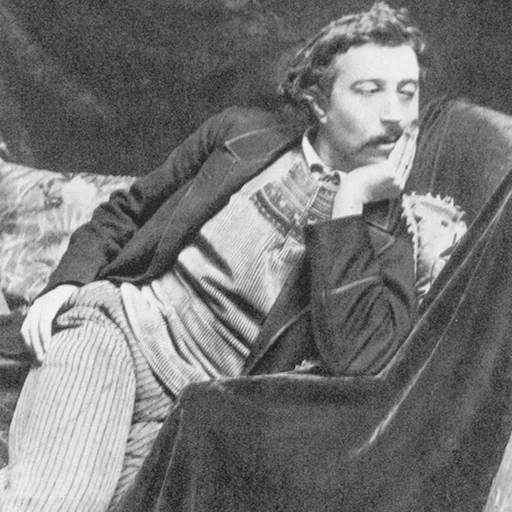
Eugène Henri Paul Gauguin (; French: ; 7 June 1848 – 8 May 1903) was a French painter, sculptor, printmaker, ceramist, and writer, whose work has been primarily associated with the Post-Impressionist and Symbolist movements.