Artwork
The Road
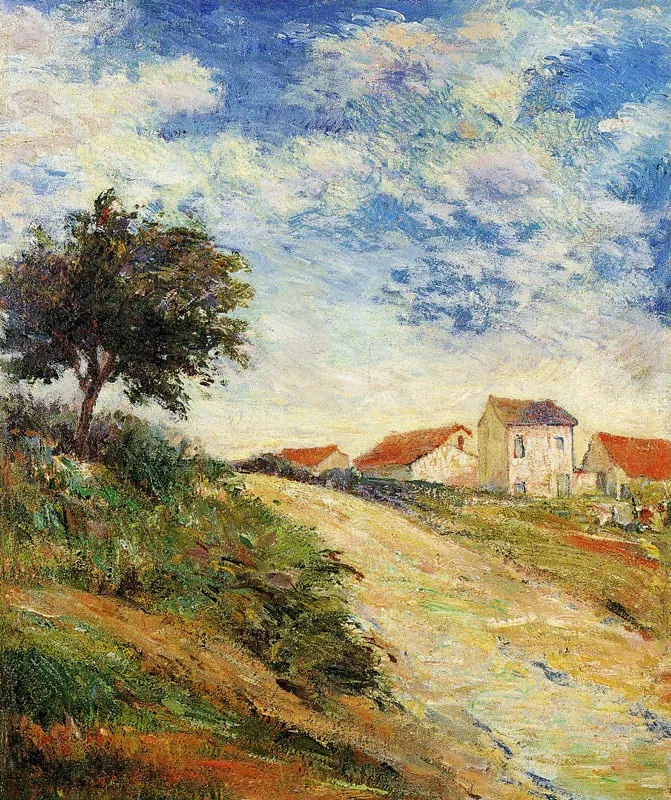
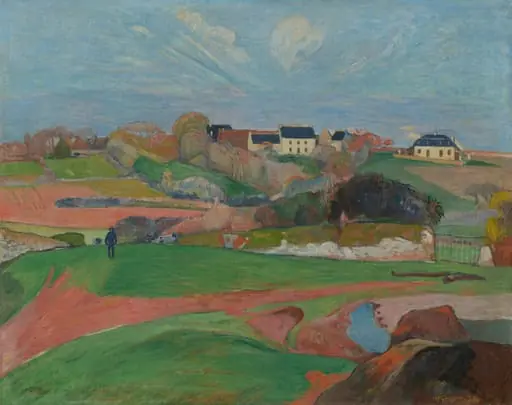
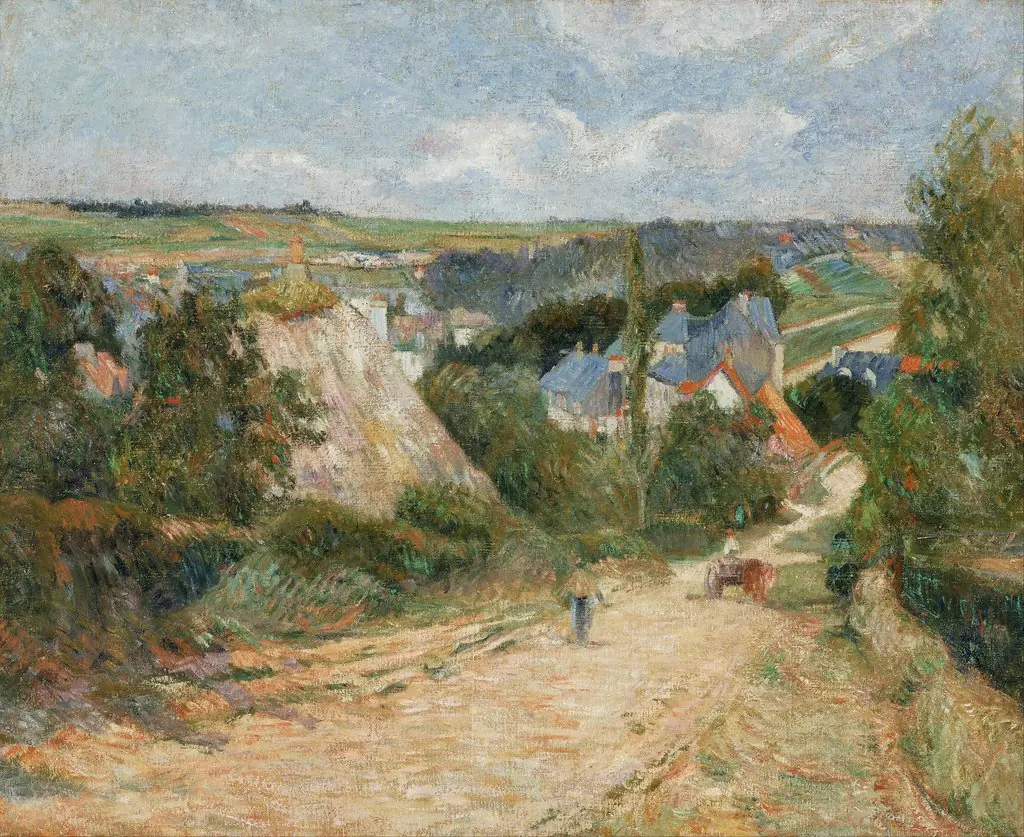
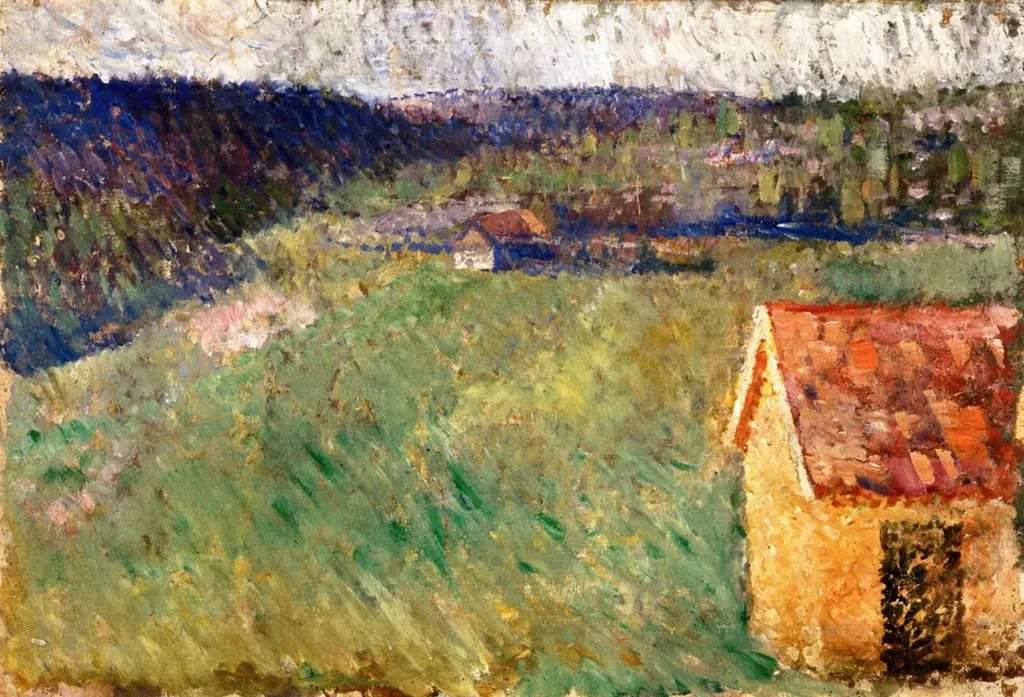
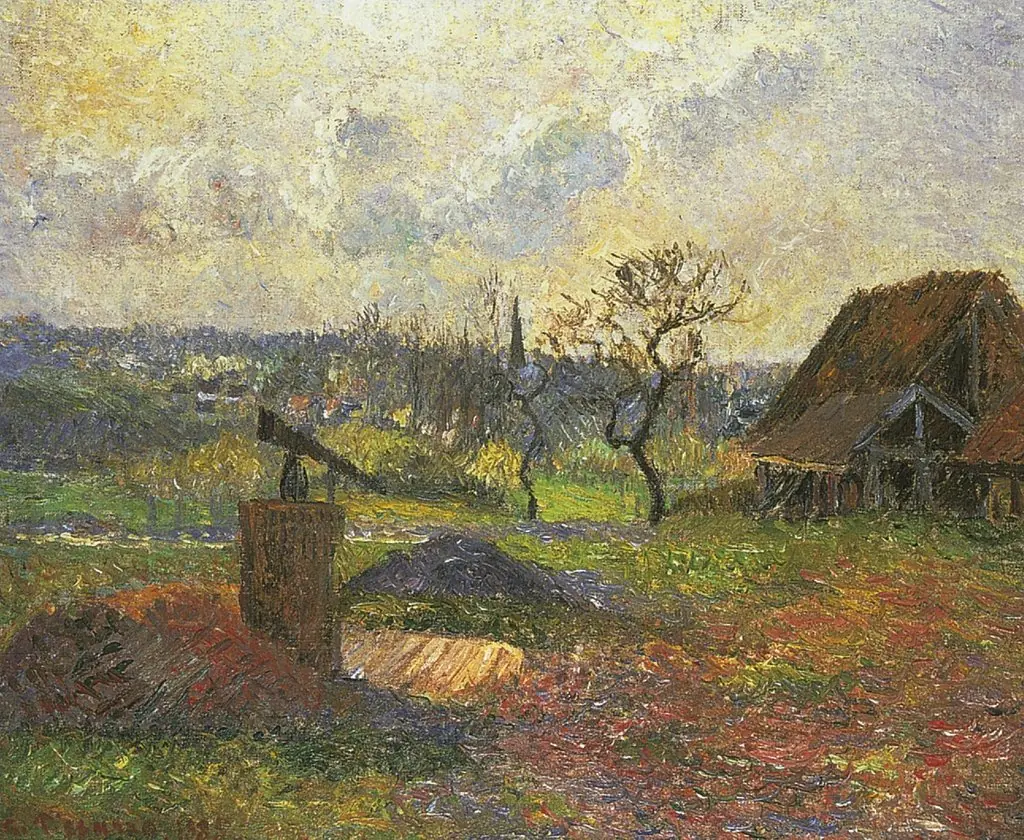
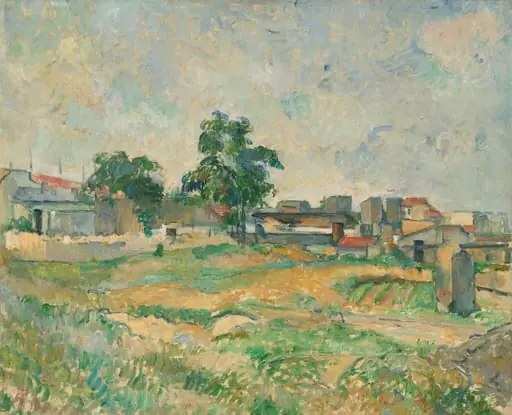
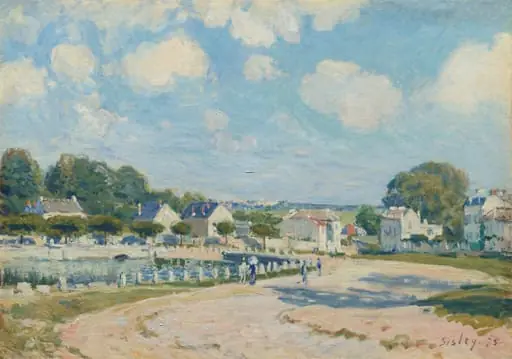
The Road is an oil painting by the Post-Impressionist artist Paul Gauguin. It dates from 1892 and is held in the collection of the Foundation E.G. Bührle Collection.
About this work
Overview
Painted in 1892, *The Road* is an oil work by Paul Gauguin created during his time in Brittany, where he developed a distinctive approach to landscape.
Painted in 1892, *The Road* is an oil work by Paul Gauguin created during his time in Brittany, where he developed a distinctive approach to landscape. It reflects his move away from naturalistic representation toward a more symbolic and emotionally charged style. The painting is part of the Kunsthaus Zürich collection and exemplifies his engagement with Synthetism, a movement emphasizing simplified forms and expressive color.
Subject & Meaning
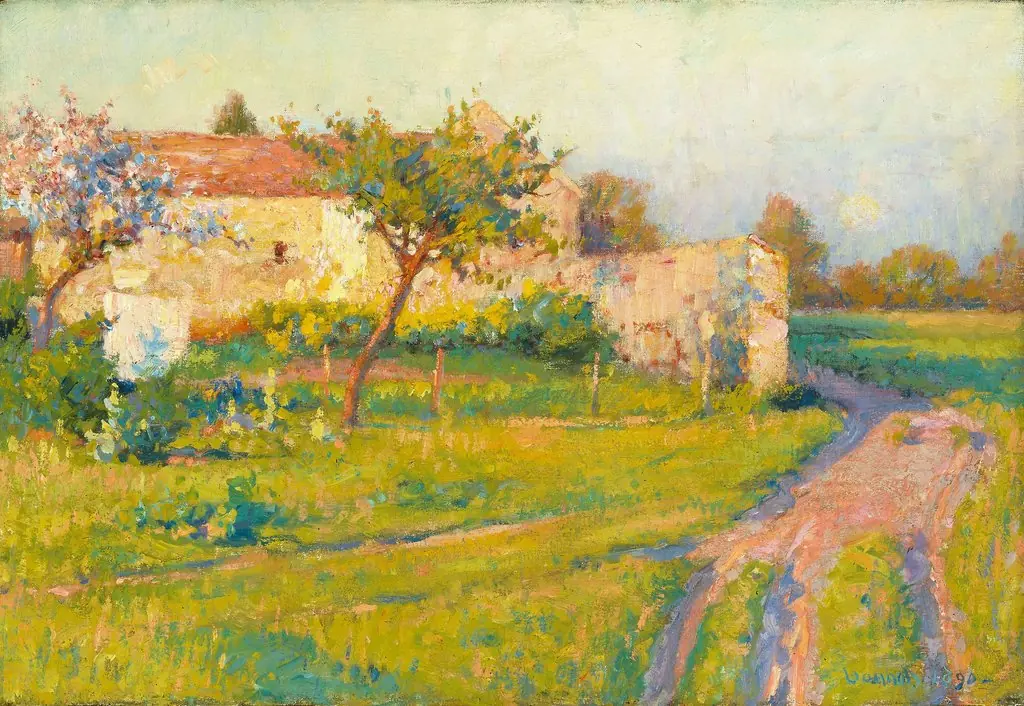
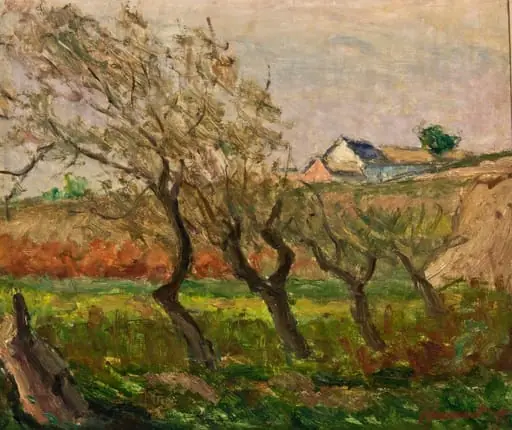
The painting presents a quiet rural path winding through a modest landscape, flanked by sparse trees and a distant hamlet. Rather than documenting a specific location, Gauguin uses the road as a metaphor for journey or transition. The absence of human figures invites contemplation, aligning with his interest in spiritual and emotional resonance over literal narrative.
Technique & Style
Gauguin applied oil paint in broad, flat areas with visible brushwork, rejecting the subtle gradations of Impressionism. Colors are intensified and non-naturalistic: the sky is a vivid blue, the earth tones muted and earthy. Forms are simplified, outlines subtly defined, and perspective flattened—hallmarks of Synthetism, which sought to synthesize observation with inner feeling.
History & Provenance
Created during Gauguin’s second stay in Brittany, *The Road* emerged from a period of intense artistic experimentation. It remained in private hands until acquired by Kunsthaus Zürich, where it has been held since the mid-20th century. Its provenance reflects the growing institutional recognition of Gauguin’s post-impressionist contributions in the decades following his death.
Context
In the early 1890s, Gauguin distanced himself from Parisian art circles, seeking alternative modes of expression in rural France and later the Pacific. *The Road* belongs to a series of landscapes where he fused local scenery with symbolic intent, influenced by medieval stained glass, Japanese prints, and non-Western art. This period marked his shift toward primitivism and spiritual abstraction.
Legacy
Though less celebrated than his Tahitian works, *The Road* illustrates Gauguin’s foundational role in moving painting toward abstraction and emotional expression. Its bold color and simplified forms influenced later Expressionists and Fauves. The work stands as a quiet but significant step in the broader rejection of optical realism in modern art.
Artist & collection
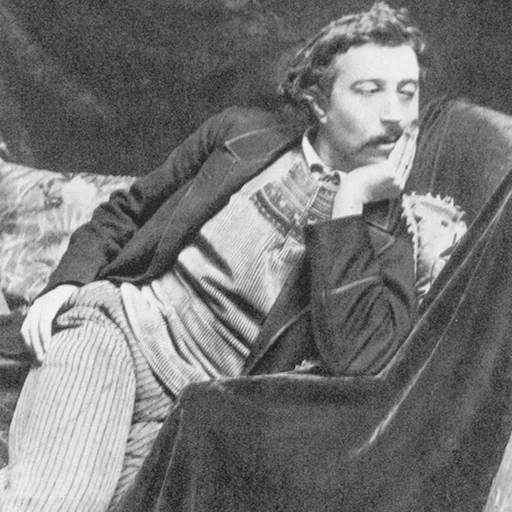
Artist
Eugène Henri Paul Gauguin (; French: ; 7 June 1848 – 8 May 1903) was a French painter, sculptor, printmaker, ceramist, and writer, whose work has been primarily associated with the Post-Impressionist and Symbolist movements.