Artwork
Landscape
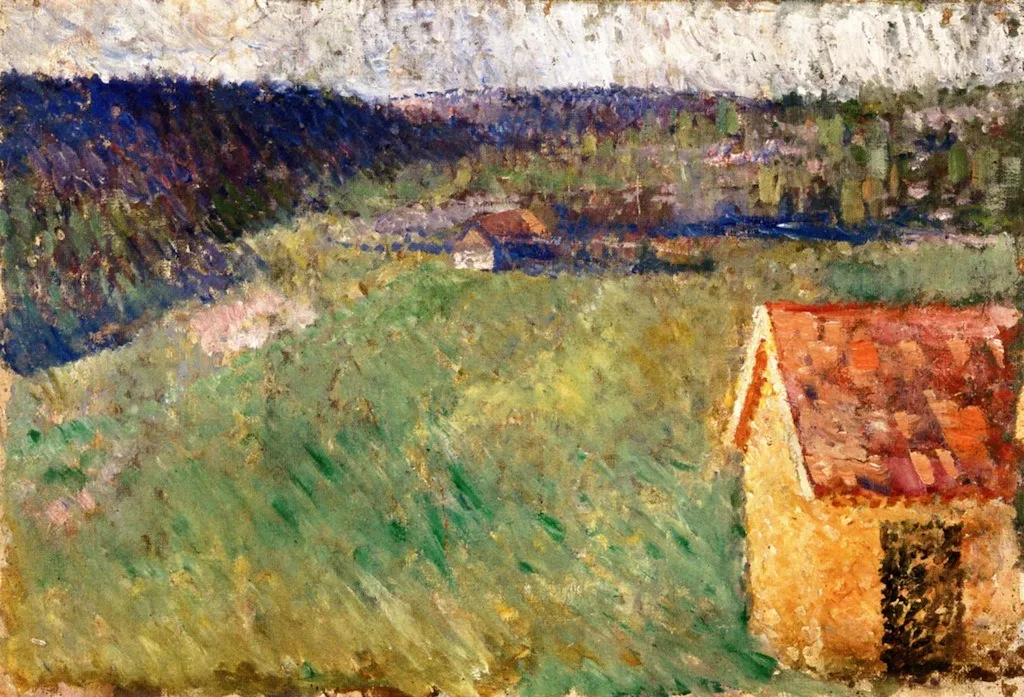
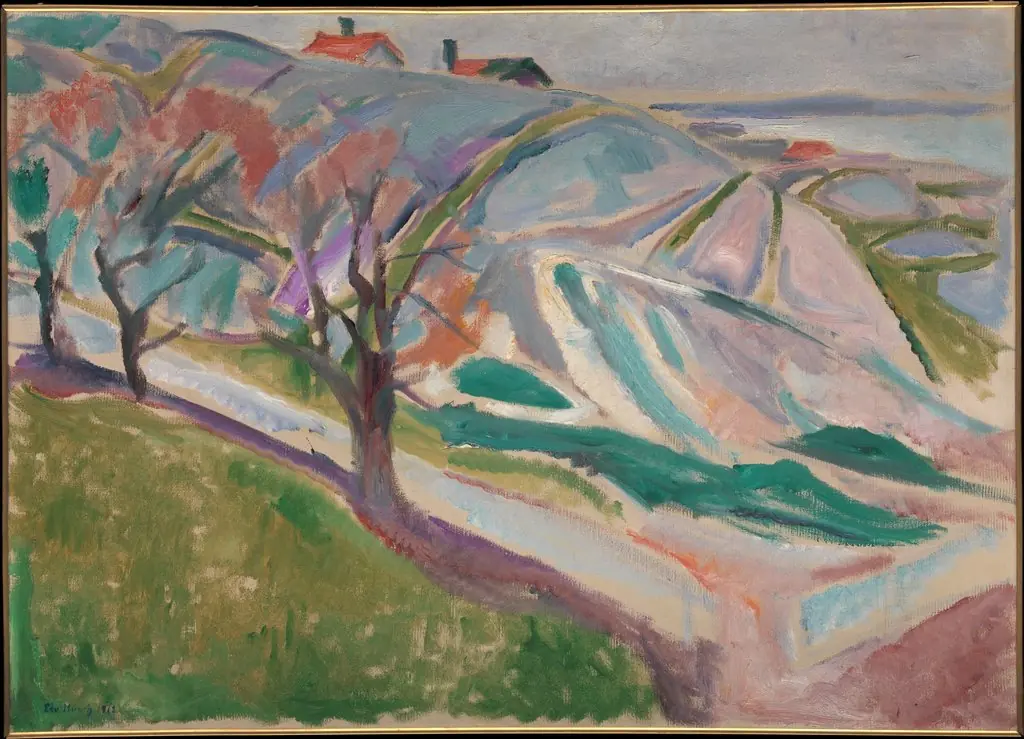
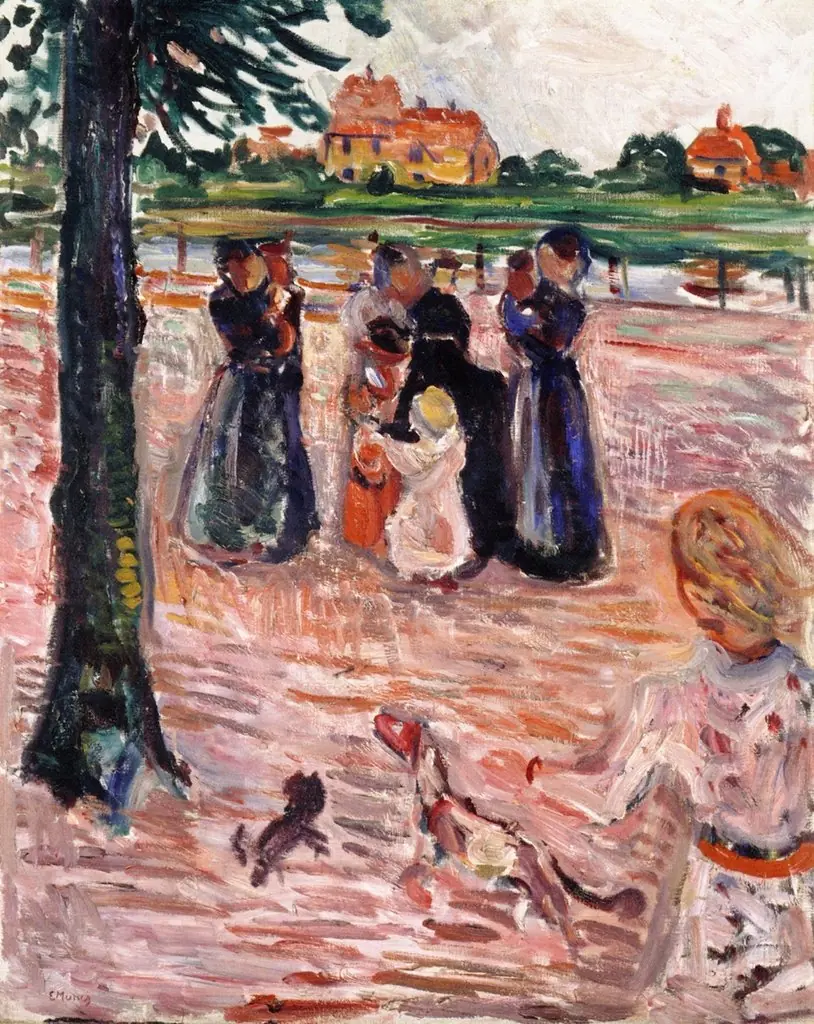
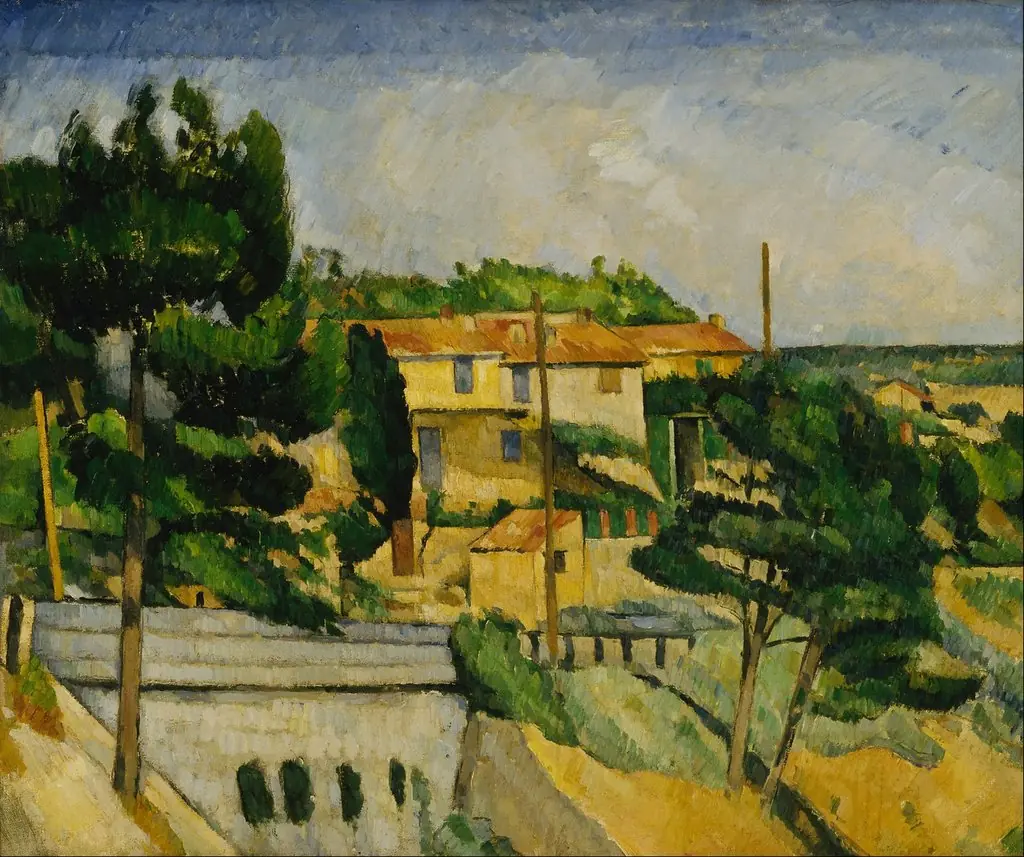
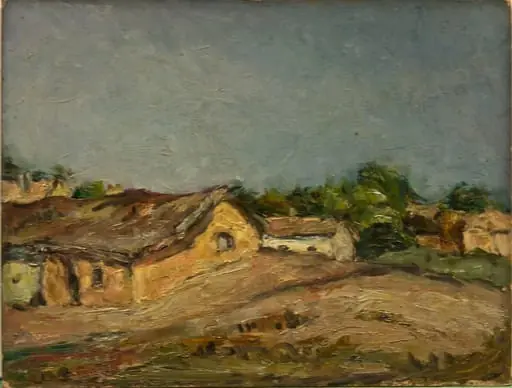
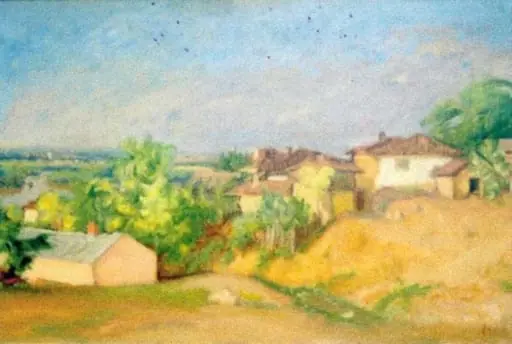
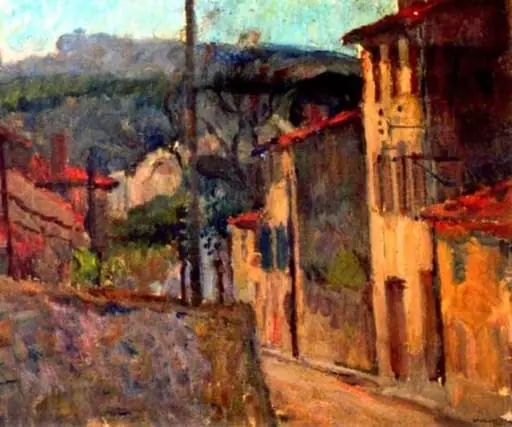
Landscape is an oil painting by the Post-Impressionist artist Edvard Munch. It dates from 1896 and is held in the collection of the Munch Museum.
About this work
Overview
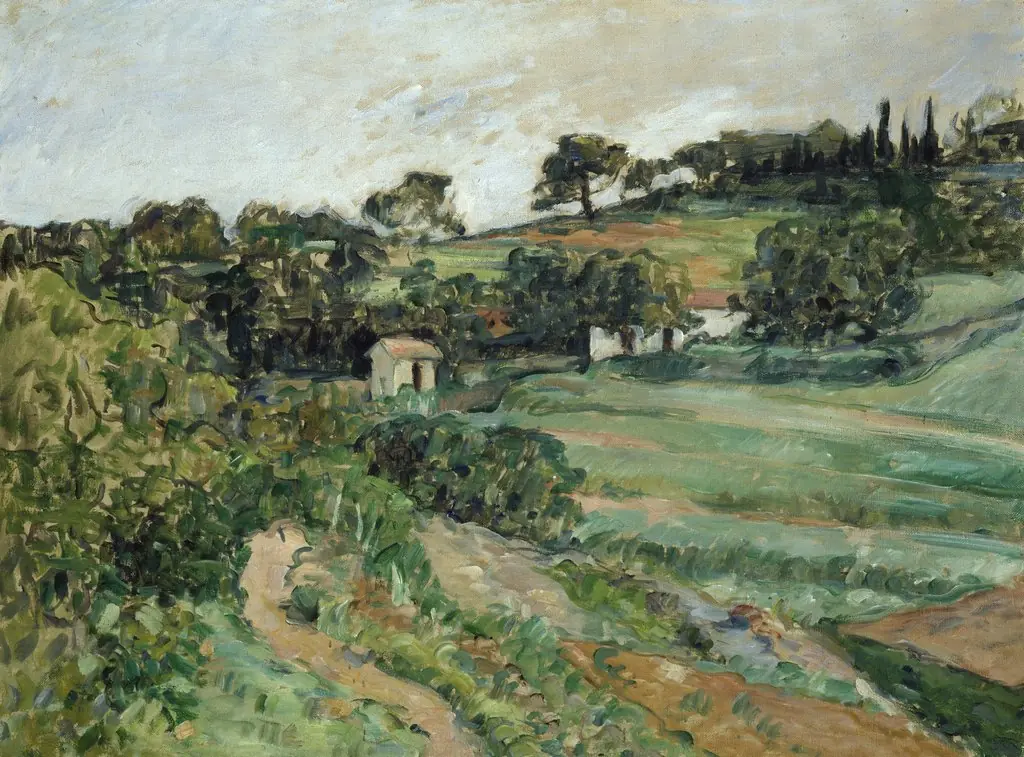
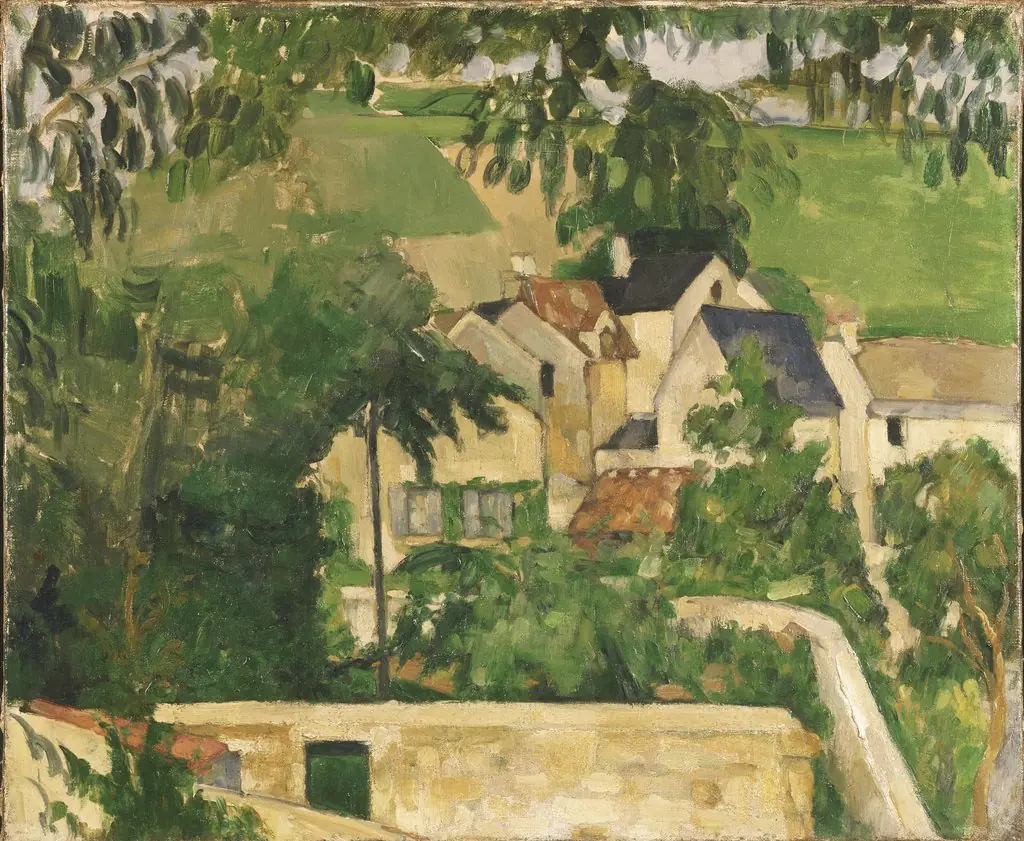
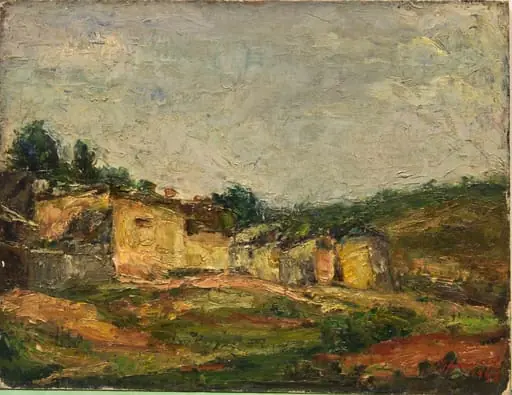
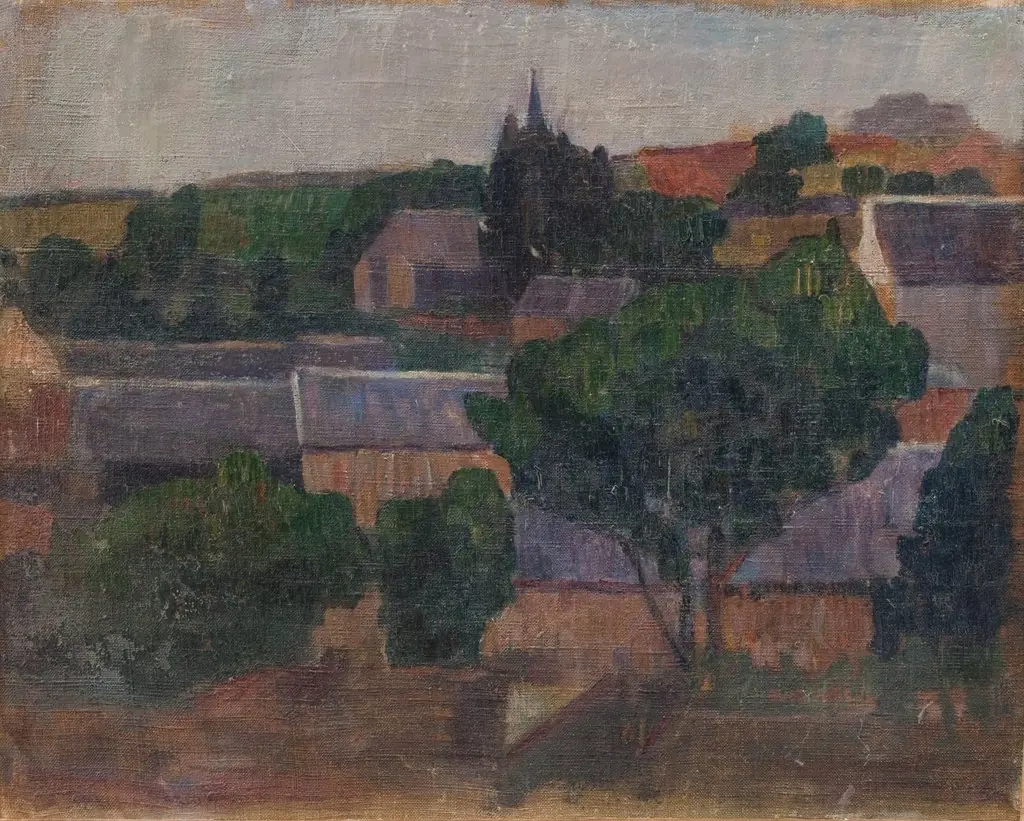
Painted in 1896, this oil-on-canvas landscape by Edvard Munch captures a quiet Norwegian countryside. Unlike his more famous psychological portraits, this work turns inward through natural scenery, using subdued tones and loose brushwork to evoke mood rather than narrative. It reflects a period when Munch was moving beyond literal representation toward emotional resonance in landscape.
Subject & Meaning
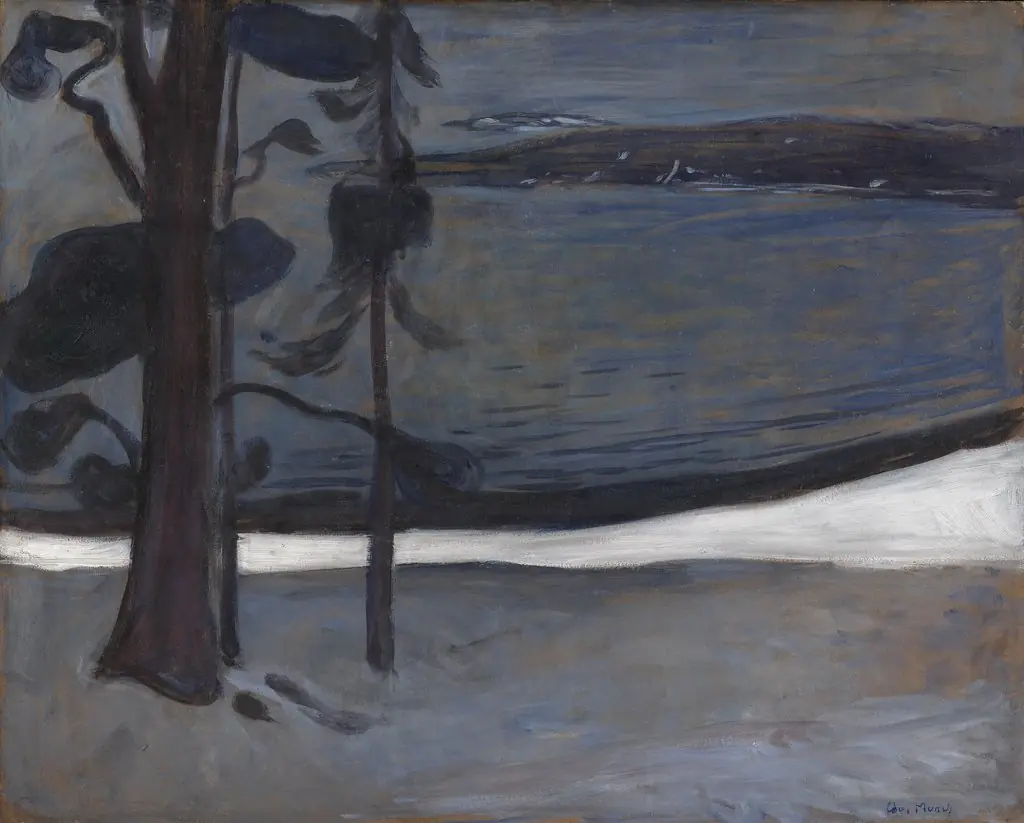
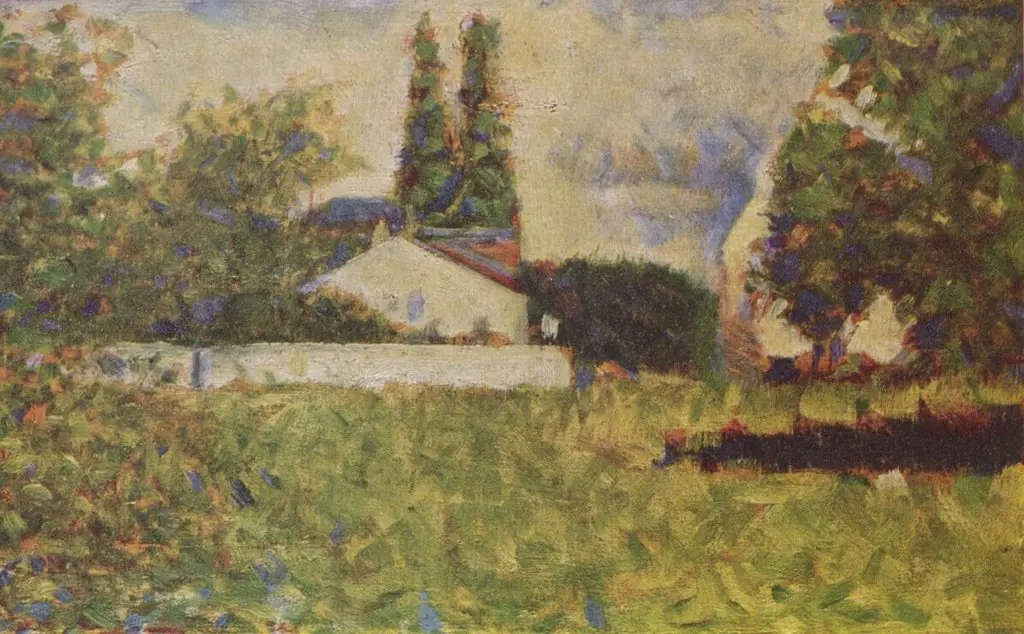
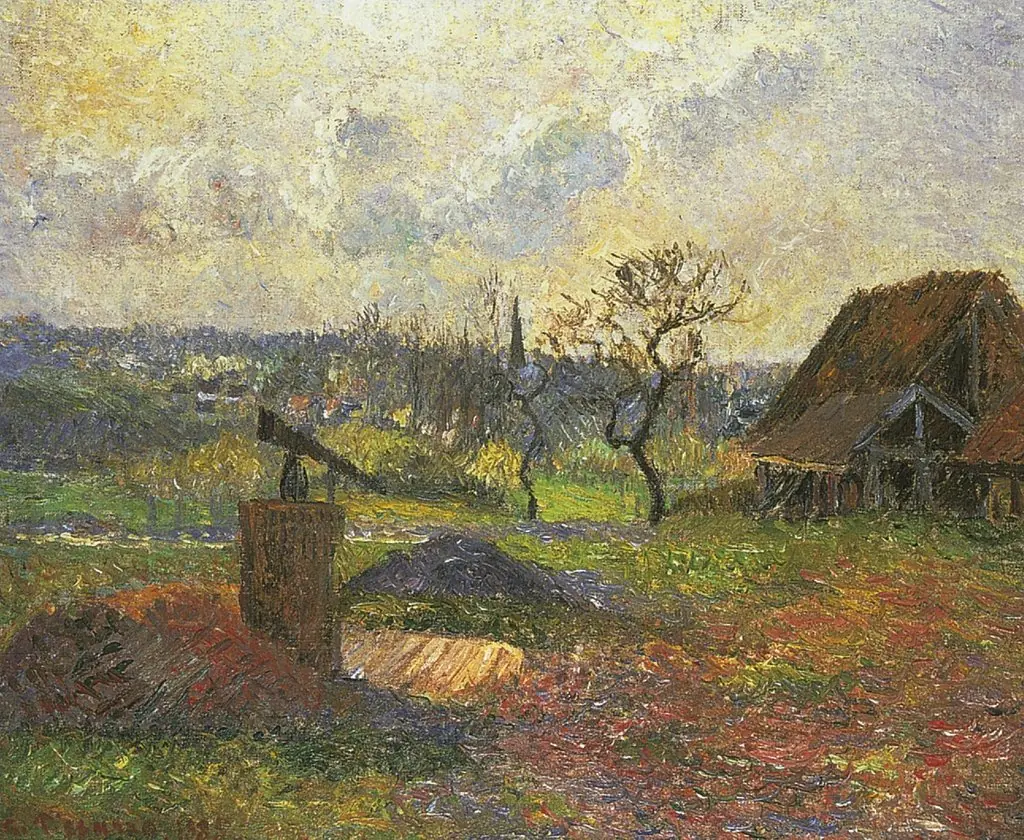
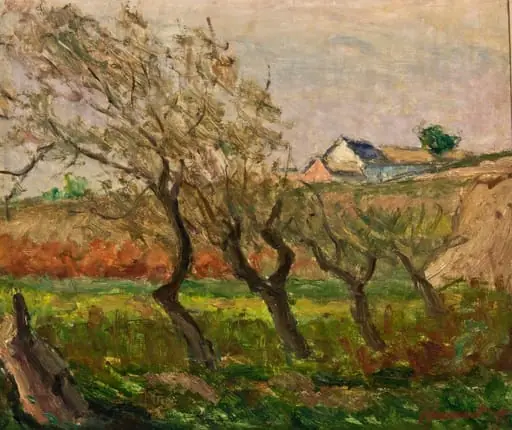
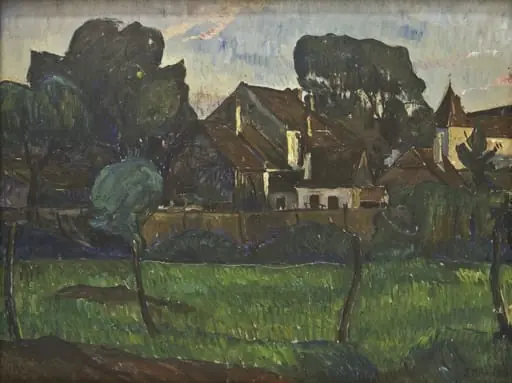
The scene presents a modest field, a distant range of mountains, and a solitary red-roofed structure—elements that suggest solitude and quiet contemplation. There is no human figure, yet the atmosphere carries a sense of introspection. The painting does not depict a specific location but rather an internalized space, echoing Munch’s preoccupation with isolation and the weight of memory.
Technique & Style
Munch applied oil paint with visible, fluid strokes that suggest movement through the grass and shifting clouds.
Munch applied oil paint with visible, fluid strokes that suggest movement through the grass and shifting clouds. Colors are restrained—earthy greens, muted browns, and cool blues—creating a hazy, atmospheric depth. The brushwork is neither polished nor detailed, favoring expressive gesture over precision. This approach aligns with post-impressionist tendencies to prioritize emotional tone over realistic depiction.
History & Provenance
Created during Munch’s mature period, the painting emerged from his time in Norway after years abroad. It entered the collection of the Munch Museum in Oslo, which holds the largest assemblage of his works. The piece was not exhibited widely in its early years, remaining largely within private or institutional hands until the museum’s formal establishment.
Context
In the mid-1890s, Munch was deeply engaged with philosophical ideas from figures like Hans Jæger, who emphasized existential despair and personal authenticity. While his earlier works confronted anxiety and death directly, this landscape channels similar themes through environment—using nature as a mirror for inner states, a shift common among Nordic artists of the era.
Legacy
Though less known than 'The Scream,' this landscape exemplifies Munch’s broader contribution to modern art: transforming natural scenes into carriers of psychological weight. It influenced later Nordic expressionists who sought to convey emotion through atmosphere and gesture rather than figuration, anchoring his legacy beyond symbolic imagery.
Artist & collection
Artist
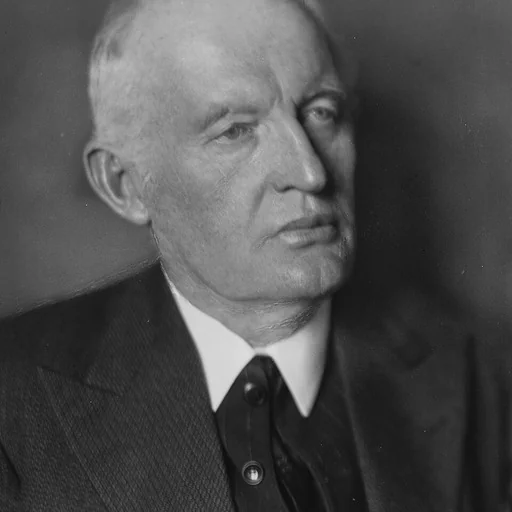
Edvard Munch ( MUUNK; Norwegian: ; 12 December 1863 – 23 January 1944) was a Norwegian painter.