Artwork
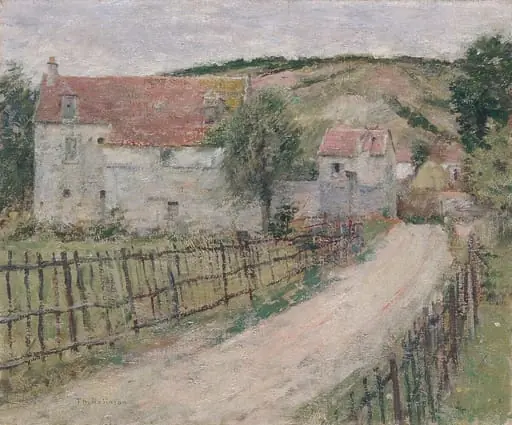
Entrance to the Village of Osny
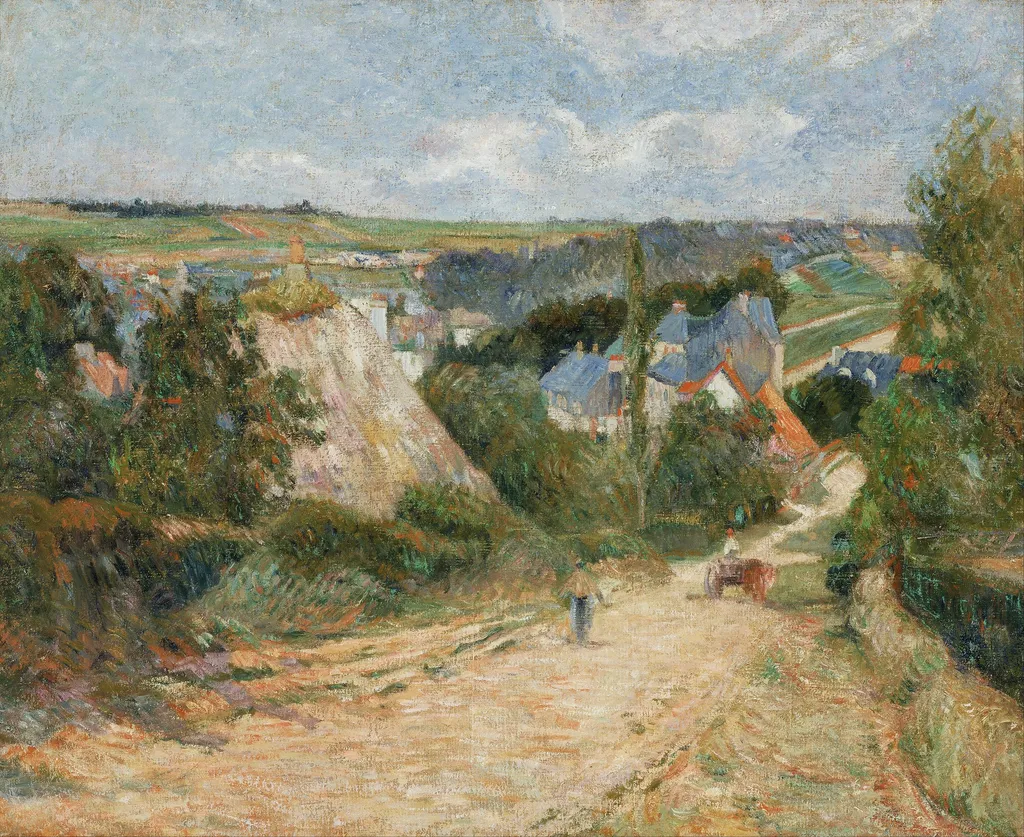
Entrance to the Village of Osny is an oil painting by Paul Gauguin. It dates from 1892 and is held in the collection of the Museum of Fine Arts Boston.
About this work
Overview
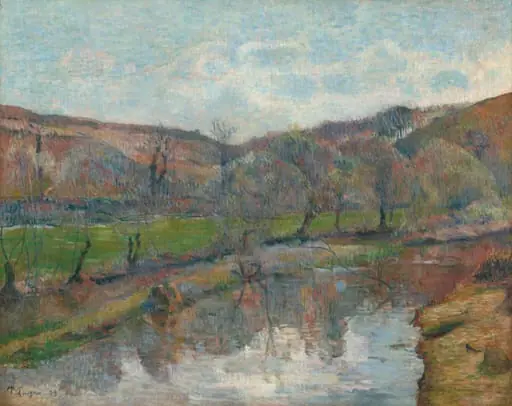
Painted in 1892, *Entrance to the Village of Osny* is an oil-on-canvas work by French artist Paul Gauguin. It captures a quiet rural lane leading into a modest village near Paris. The painting belongs to the Museum of Fine Arts, Boston, and reflects Gauguin’s interest in everyday landscapes during a period when he was moving away from urban subjects toward more contemplative, elemental scenes.
Subject & Meaning
The scene presents a simple path flanked by trees and shrubs, with distant dwellings suggesting a quiet, unremarkable hamlet.
The scene presents a simple path flanked by trees and shrubs, with distant dwellings suggesting a quiet, unremarkable hamlet. Rather than dramatizing the setting, Gauguin emphasizes stillness and solitude. The absence of figures invites reflection, aligning with Symbolist tendencies to evoke mood over narrative. The village, though real, becomes a vessel for inner contemplation rather than documentary observation.
Technique & Style
Gauguin employed broad, deliberate brushstrokes and flattened planes to construct the landscape, avoiding traditional perspective. Color is applied in areas of unmodulated tone—greens, browns, and soft blues—creating a harmonious but non-naturalistic atmosphere. This Synthetist approach prioritizes emotional resonance over optical accuracy, reducing detail to essential forms and reinforcing a sense of poetic abstraction.
History & Provenance
Created during Gauguin’s time in France, shortly before his first trip to Tahiti, the painting reflects his transitional phase between Impressionist influences and his mature Symbolist style. It remained in private collections until acquired by the Museum of Fine Arts, Boston, where it has been held since the early 20th century. Its provenance traces a quiet but consistent path through French and American collectors.
Context
In 1892, Gauguin was exploring rural France as an alternative to the industrializing city, seeking authenticity in ordinary life. This work aligns with his broader rejection of academic conventions and his search for spiritual depth in mundane surroundings. Though less known than his Polynesian works, it reveals his early commitment to simplifying form and color to express inner experience.
Legacy
Though not among Gauguin’s most widely exhibited works, *Entrance to the Village of Osny* exemplifies his evolving visual language. It influenced later artists interested in expressive color and non-naturalistic composition. The painting stands as a quiet testament to his belief that landscape could convey psychological and spiritual states without literal representation.
Own this work as a print
Artist & collection
Artist
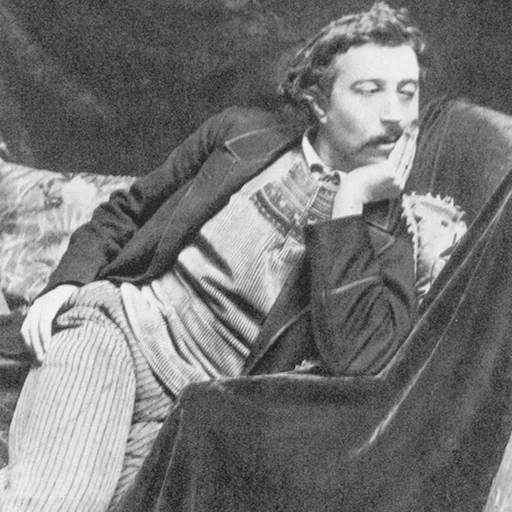
Eugène Henri Paul Gauguin (; French: ; 7 June 1848 – 8 May 1903) was a French painter, sculptor, printmaker, ceramist, and writer, whose work has been primarily associated with the Post-Impressionist and Symbolist movements.

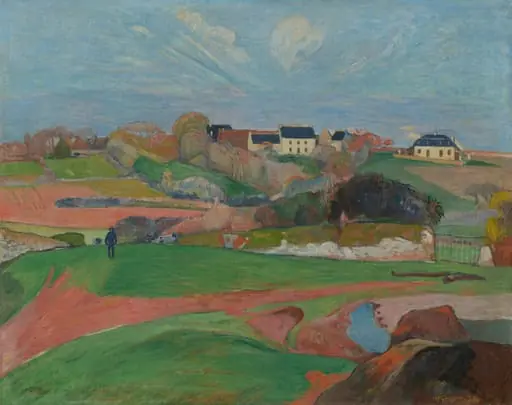
 Côte du Valhermeil, Auvers-sur-Oise
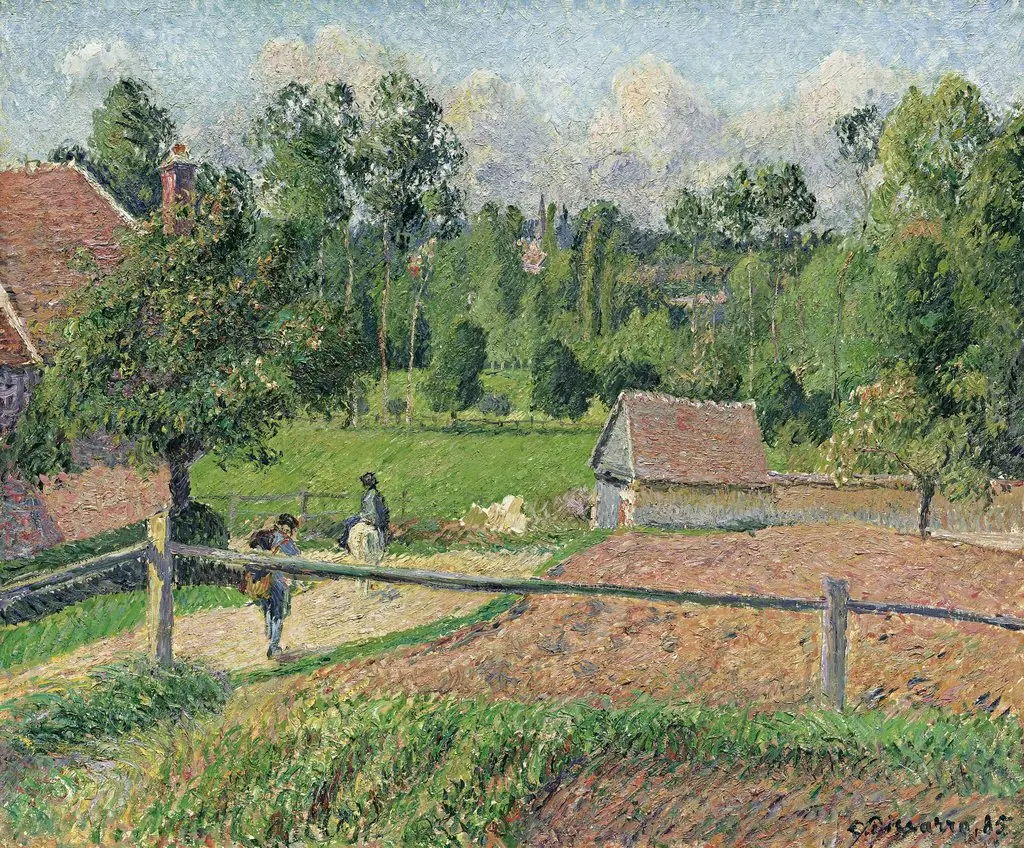 The Delafolie House, Éragny
 Rue du Haut-de-l'Hermitage, Pontoise
 Street in Moret
 The banks of the Viosne at Osny in grey weather, winter
 The Rainbow, Pontoise
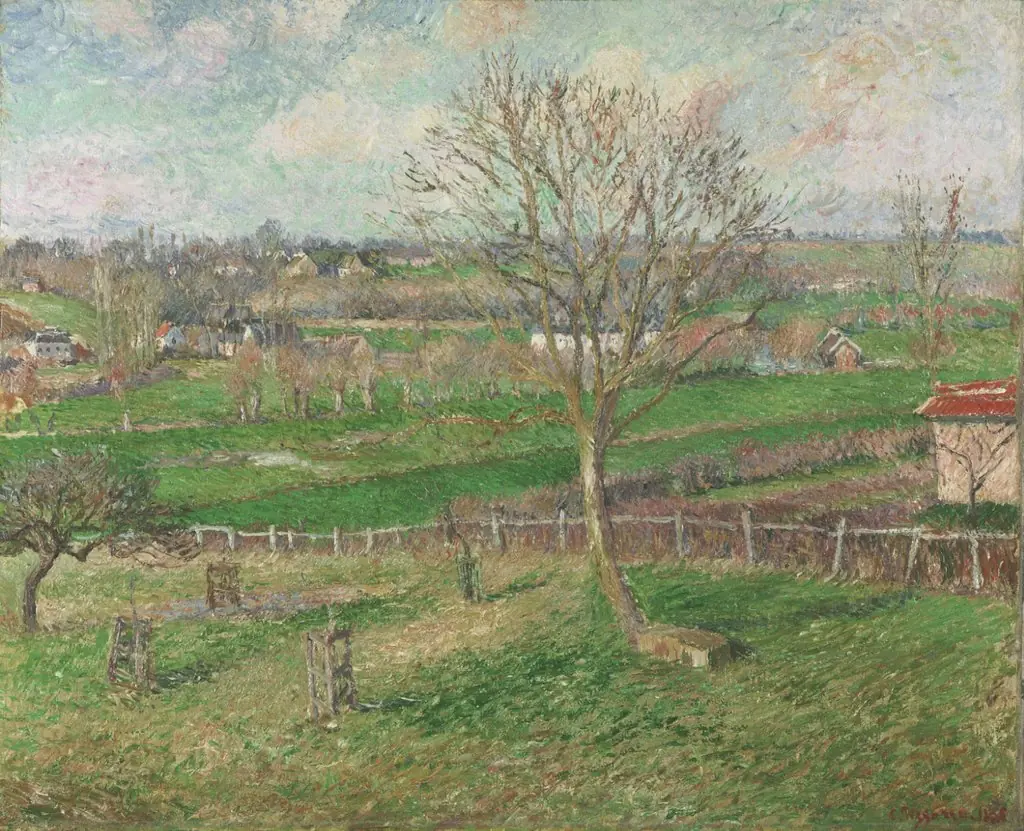 The Field and the Great Walnut Tree in Winter, Eragny
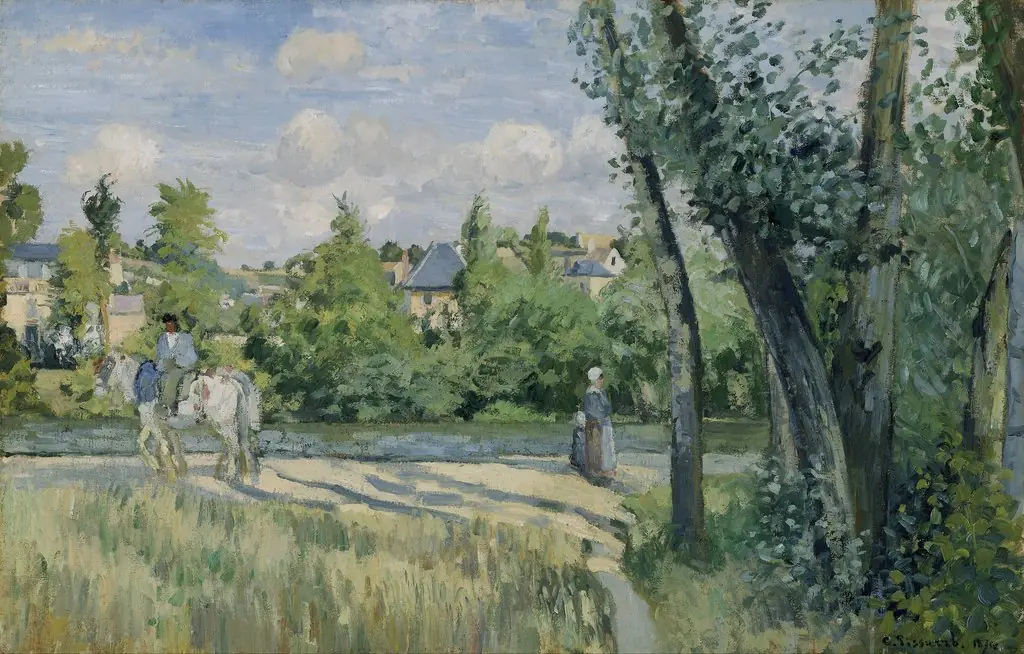 Sunlight on the Road, Pontoise
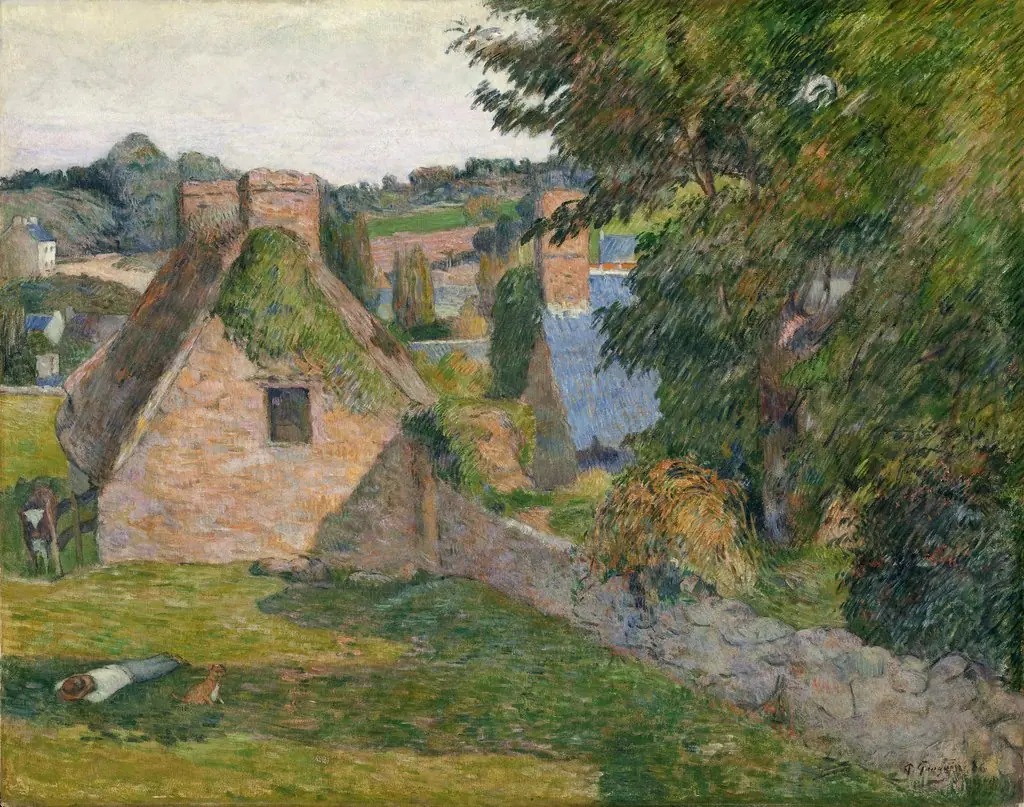 The Field of Derout-Lollichon
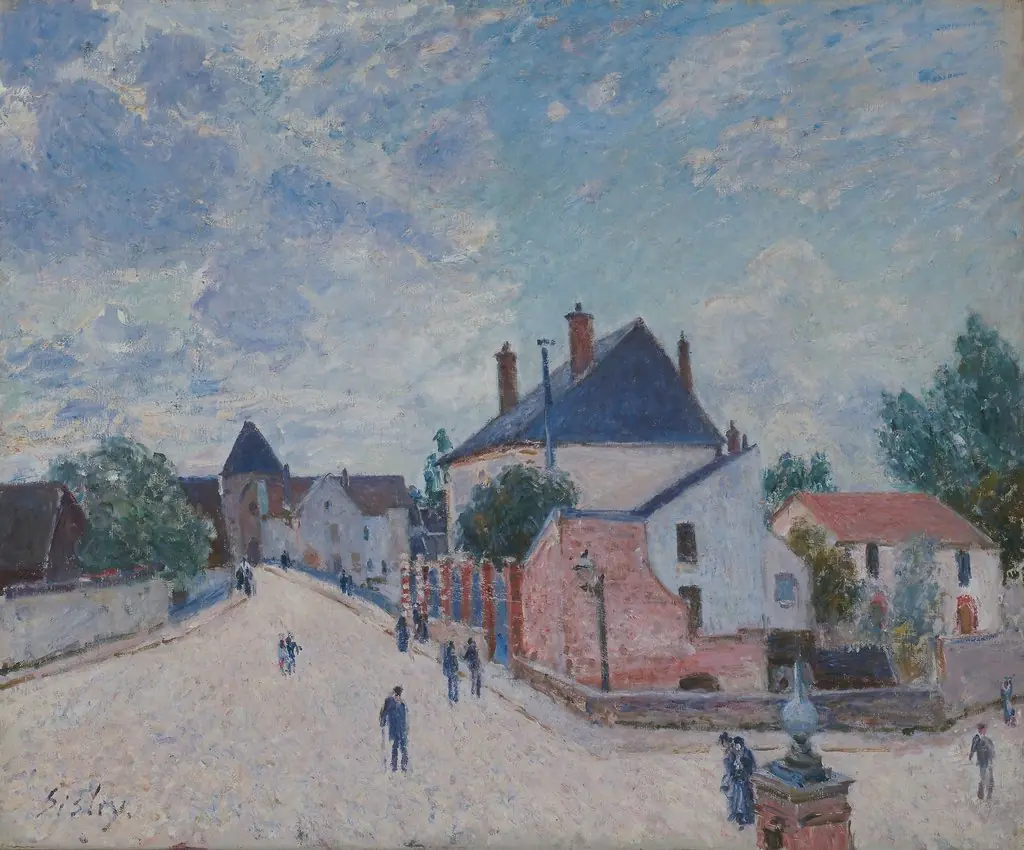 Street in Moret
 The Old Mill (Vieux Moulin)
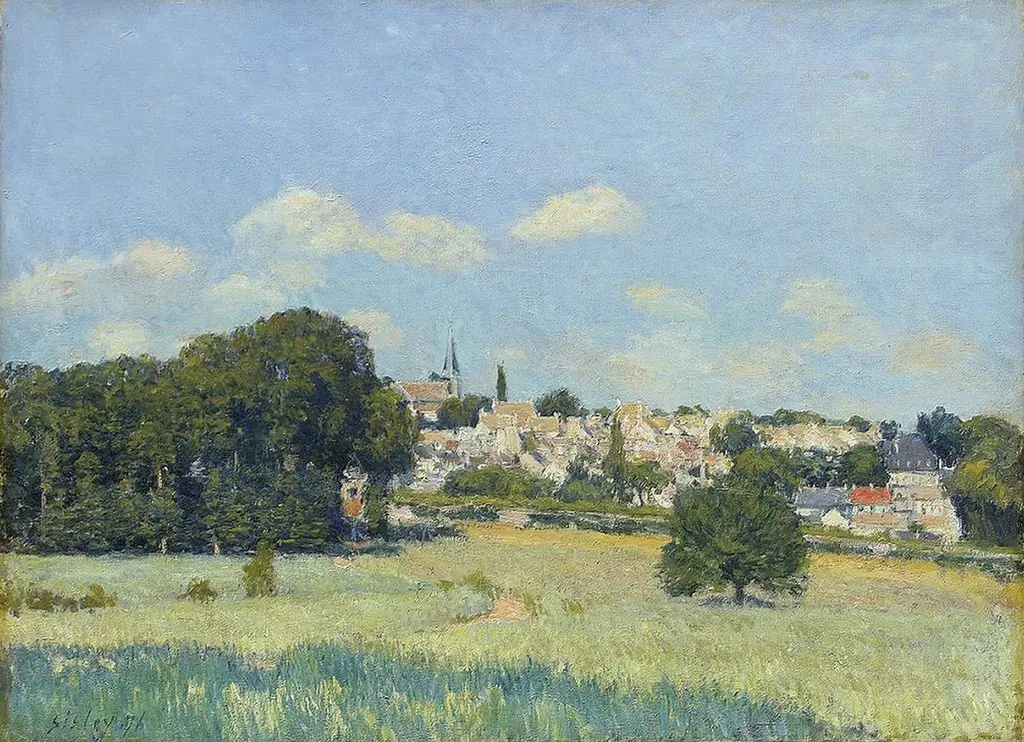 Vue de Marly-le-Roi, effet de soleil