Artwork
Landscape in Southern France
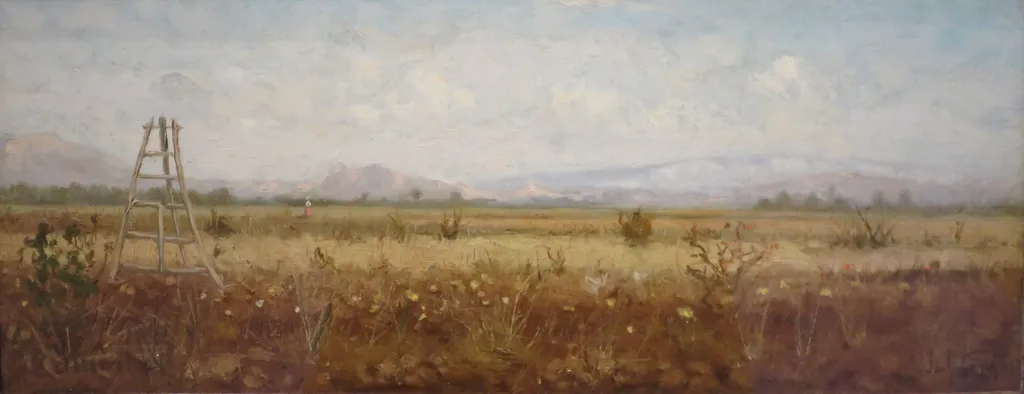
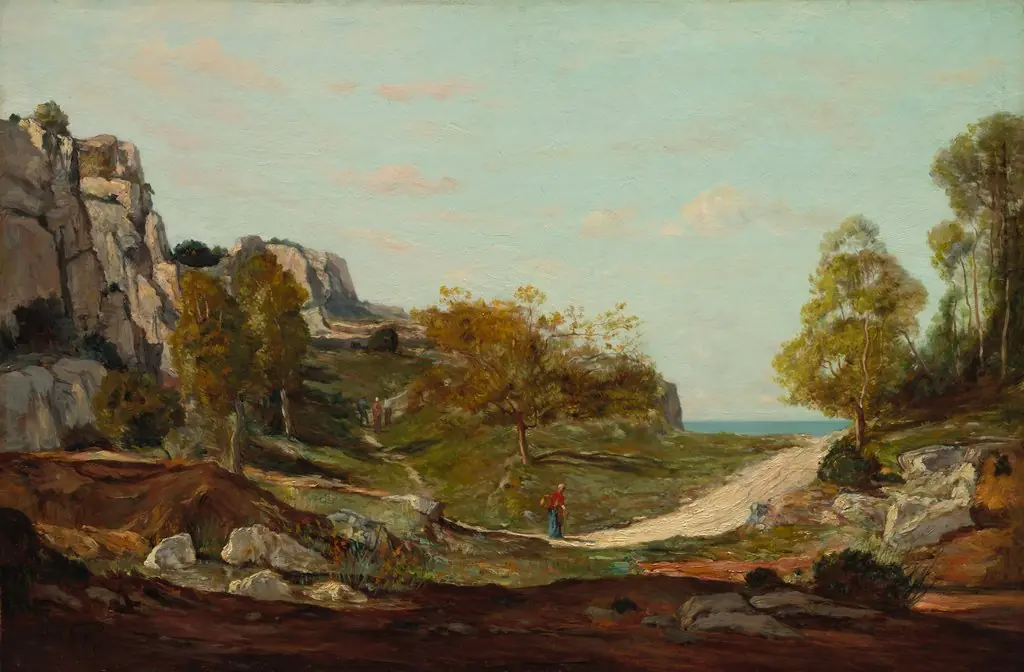
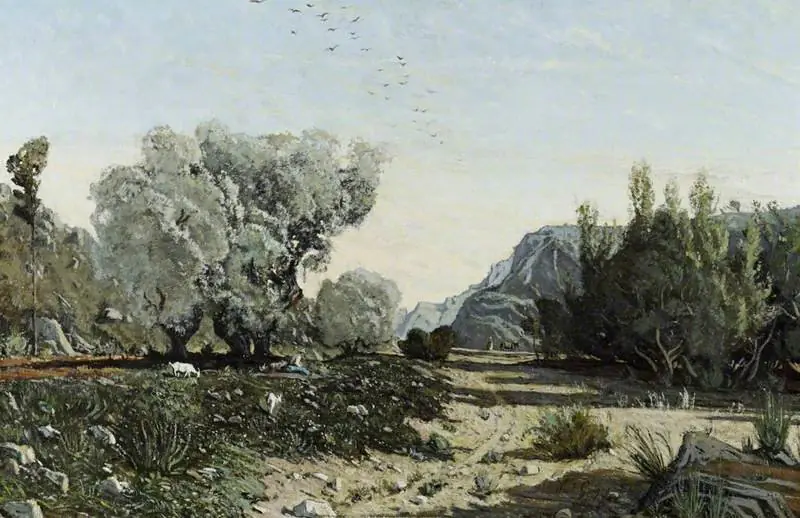
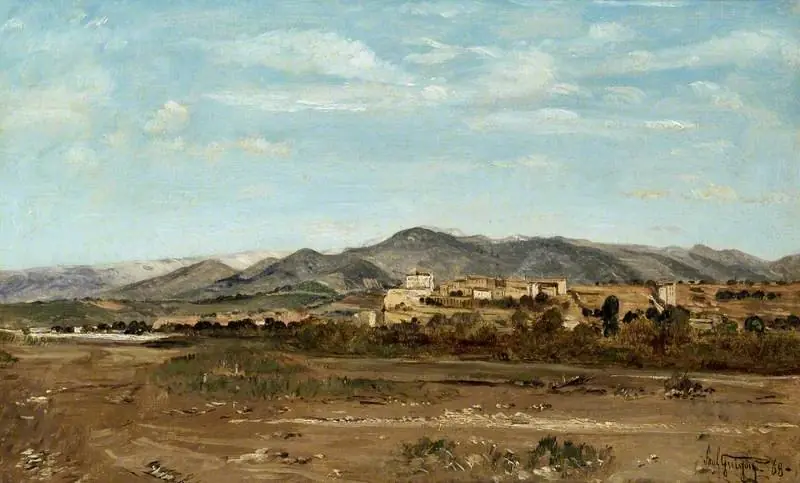
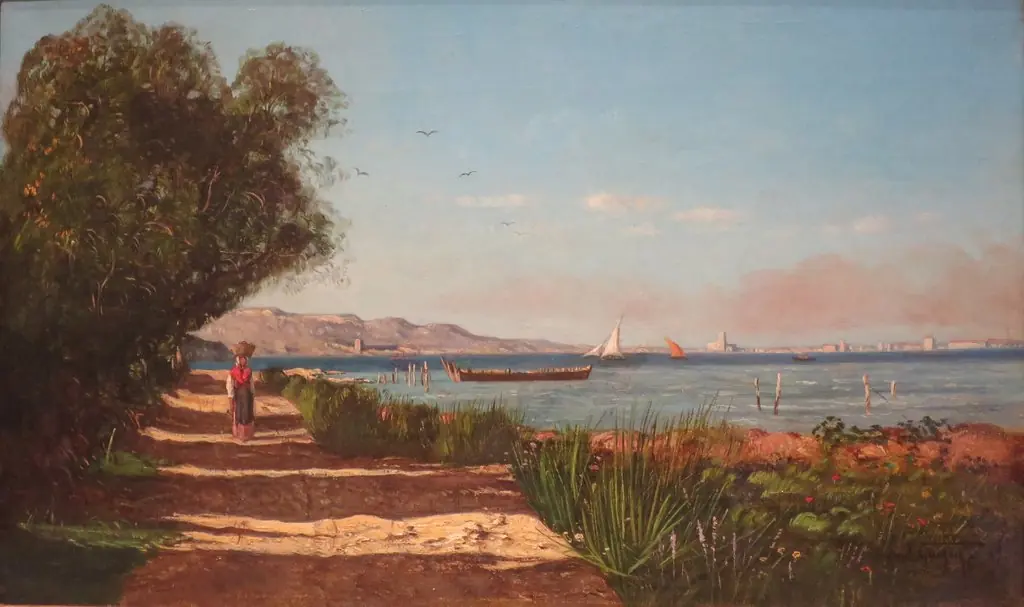
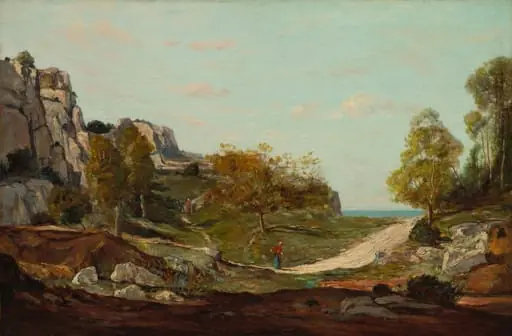
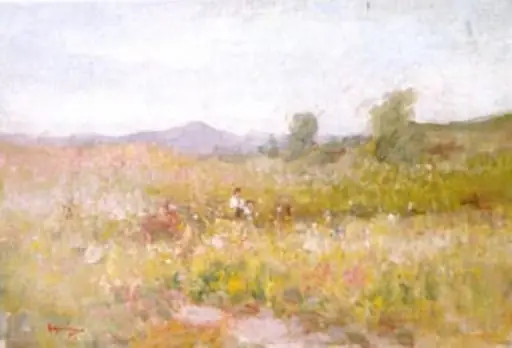
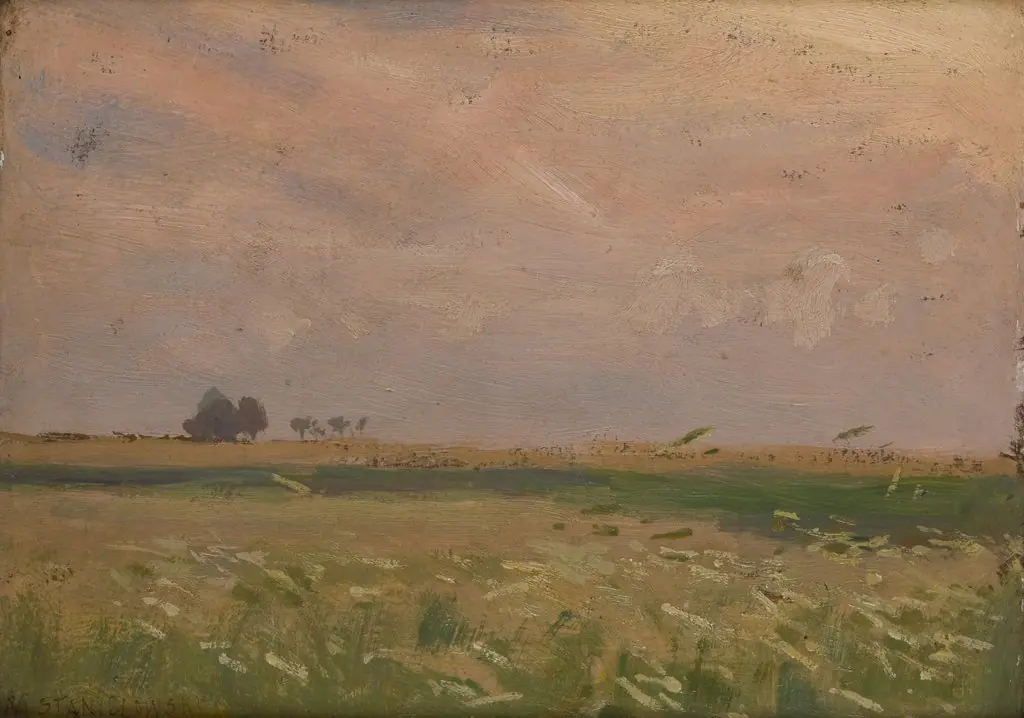
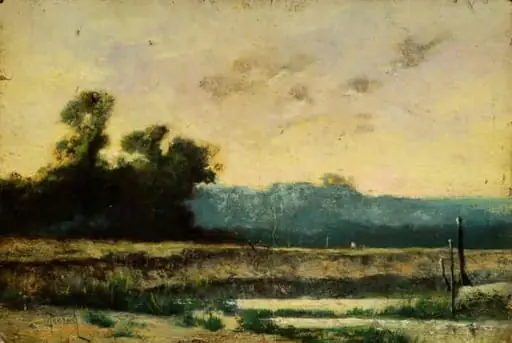
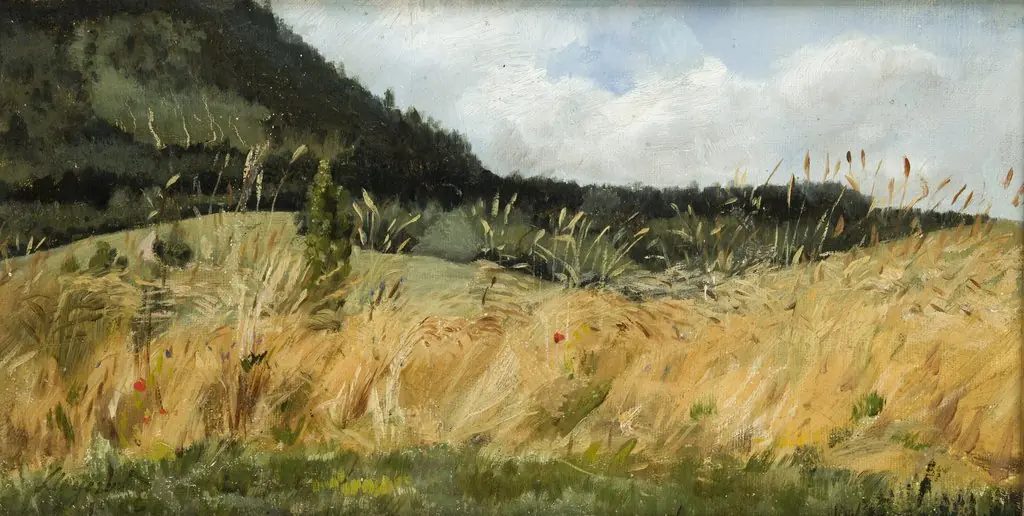
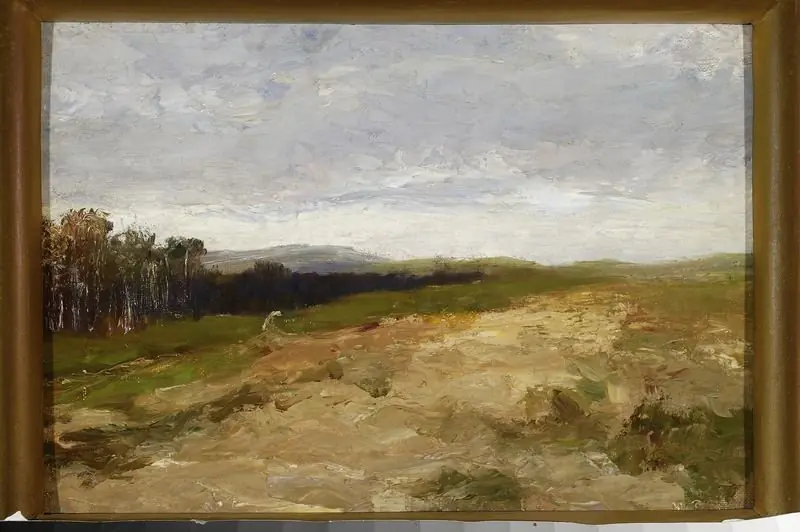
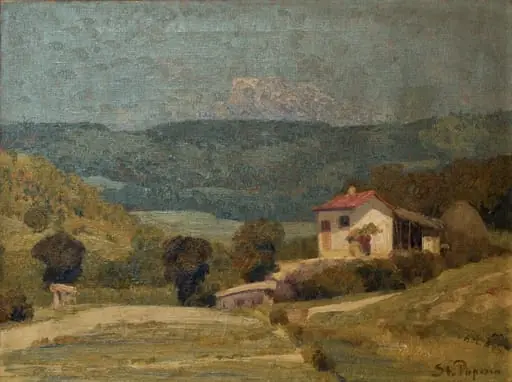
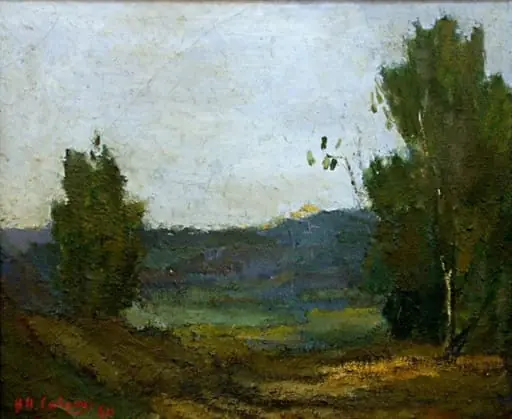
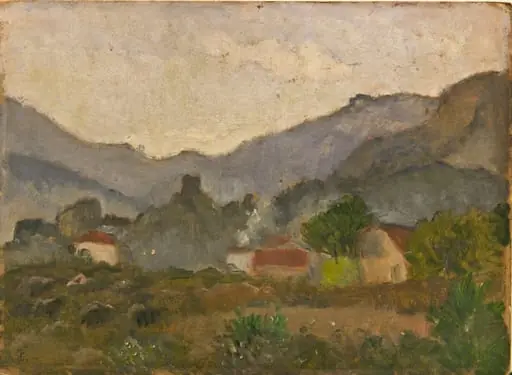
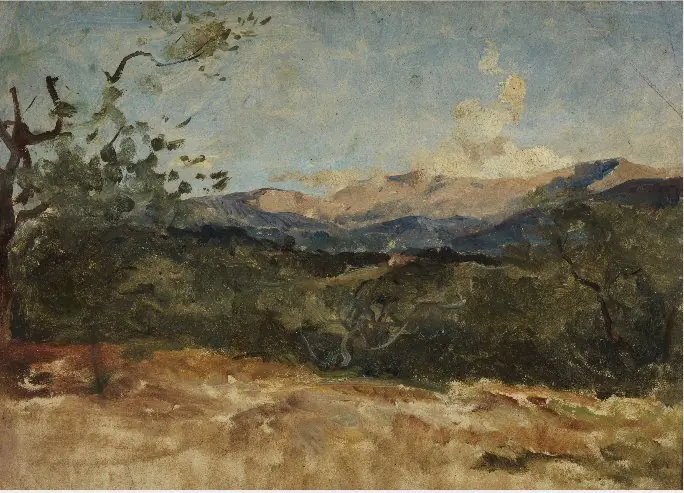
Landscape in Southern France is an unspecified painting by the Realist artist Paul Guigou. It dates from 1870 and is held in the collection of the Norton Simon Museum.
About this work
Overview
Painted in 1870 on panel, Paul Guigou’s *Landscape in Southern France* captures a quiet stretch of Provencal countryside.
Painted in 1870 on panel, Paul Guigou’s *Landscape in Southern France* captures a quiet stretch of Provencal countryside. Executed in oil, the work reflects the artist’s sustained engagement with regional topography. Guigou, trained in southern France before relocating to Paris, favored intimate, unidealized views of his native terrain, avoiding grand narratives in favor of observed detail and atmospheric stillness.
Subject & Meaning
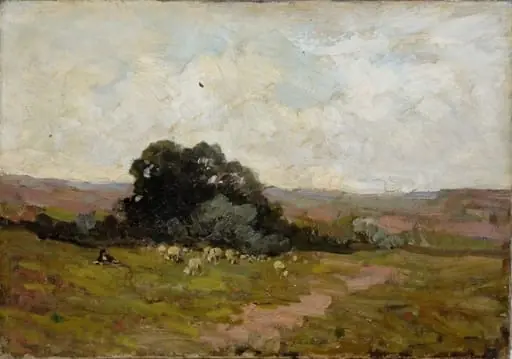
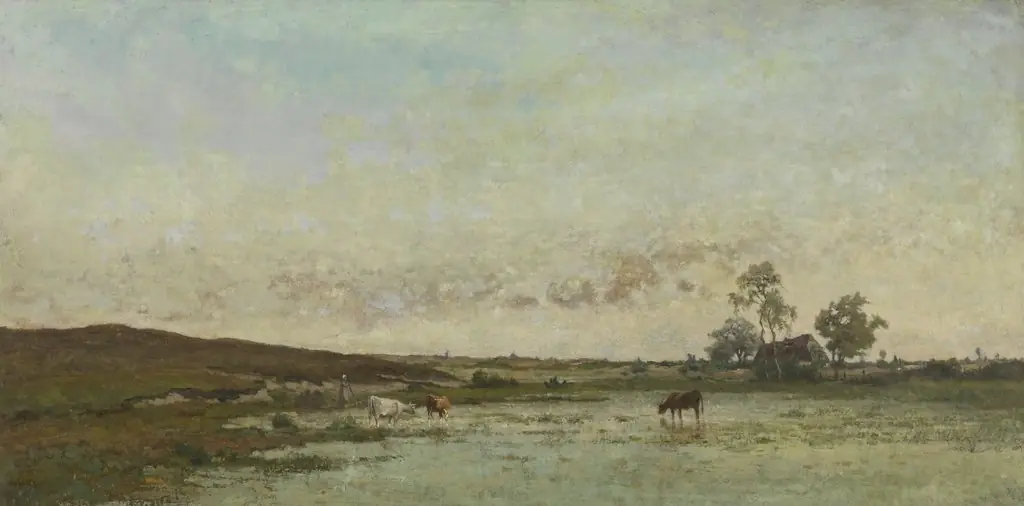
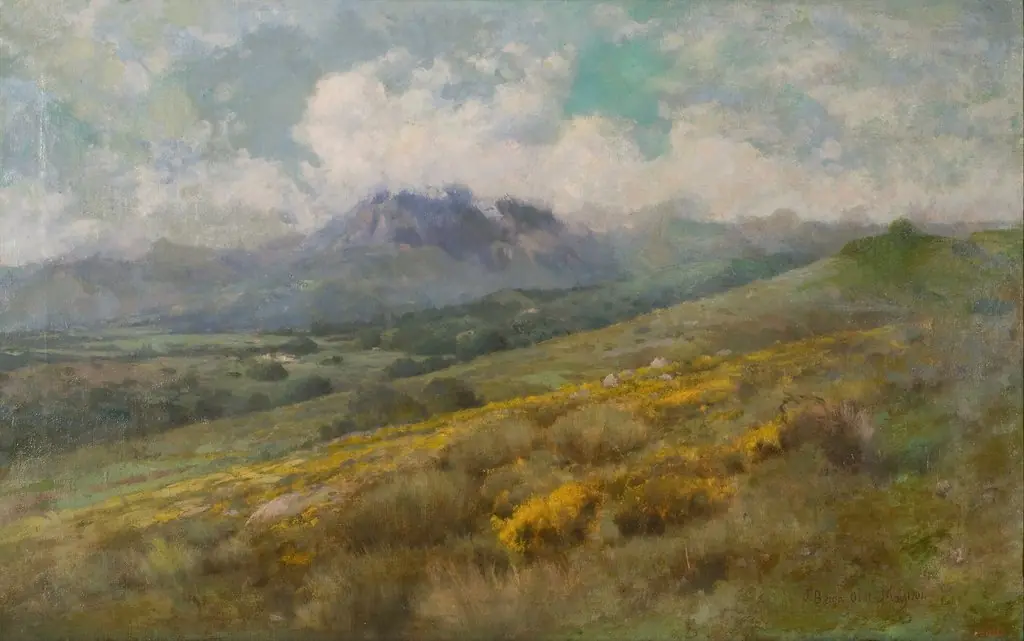
The scene presents a modest, unpopulated expanse: dry grasses sway in the foreground, a wooden ladder rests against a shrub, and distant hills rise beneath a cloud-dappled sky. There is no human activity, no narrative thrust—only the quiet persistence of land and light. The composition suggests a contemplative observation of place, rooted in the daily rhythms of rural Provence rather than romanticized spectacle.
Technique & Style
Guigou employed subtle chiaroscuro to model form and suggest spatial depth, using muted tones to differentiate the sunlit grasses from shadowed undergrowth. Brushwork is restrained, avoiding the loose strokes of emerging Impressionism in favor of a more deliberate, tonal approach. The panel support allowed for fine detail and a stable surface, suited to his methodical rendering of natural textures and atmospheric gradations.
History & Provenance
Born in Villars, Vaucluse, Guigou received early training in Apt and Marseille before moving to Paris in 1863. He maintained ties to his homeland throughout his career, returning often to paint its landscapes. While associated with the Café Guerbois circle, he remained stylistically distinct from the Impressionists, preserving a Realist sensibility grounded in local observation rather than optical experimentation.
Context
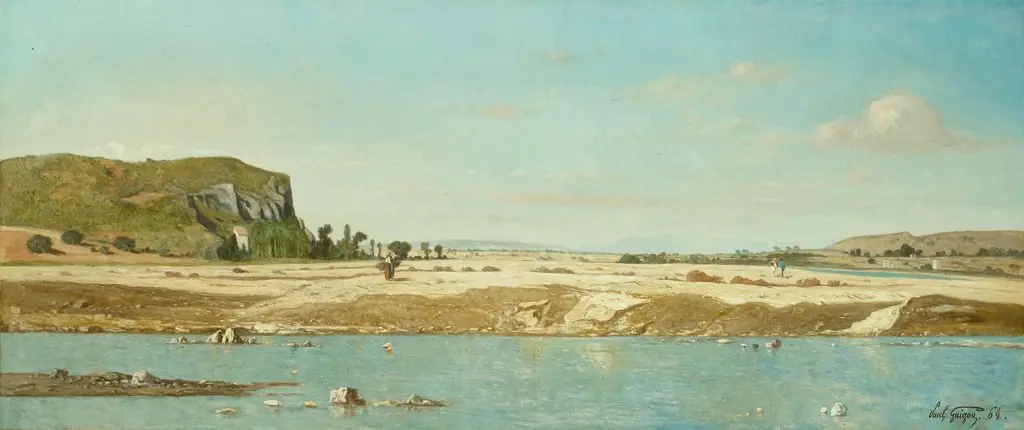
In the late 1860s and 1870s, French landscape painting was shifting between academic tradition and emerging modernism. Guigou’s work occupies a middle ground: neither fully aligned with the Barbizon School’s poetic realism nor the fragmented light of the Impressionists. His focus on Provence’s arid, sun-baked terrain offered a regional counterpoint to the more familiar northern French vistas favored by his contemporaries.
Legacy
Though less widely known than his Paris-based peers, Guigou’s consistent dedication to Provence’s landscapes contributed to a regional artistic identity. His paintings serve as quiet records of rural environments before widespread modernization. Posthumously, his work has been recognized for its sincerity and restrained observation, offering a measured alternative to the more dramatic currents of 19th-century French painting.
Artist & collection
Artist
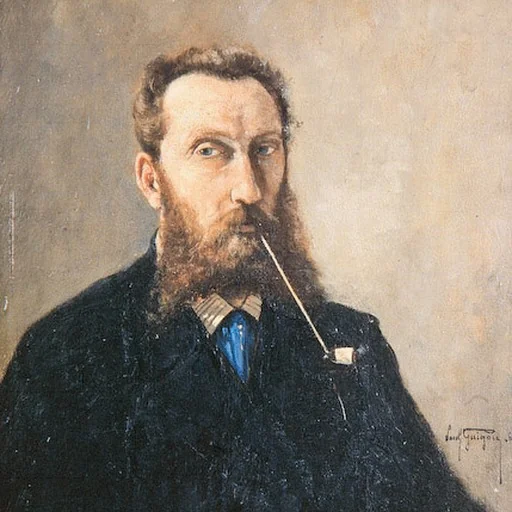
Paul Camille Guigou (15 February 1834 – 21 December 1871) was a French landscape painter.