Artwork
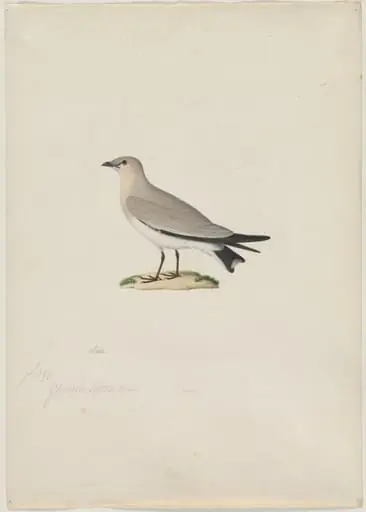
Needle-Tailed Swift (Hirundapus caudaculus)
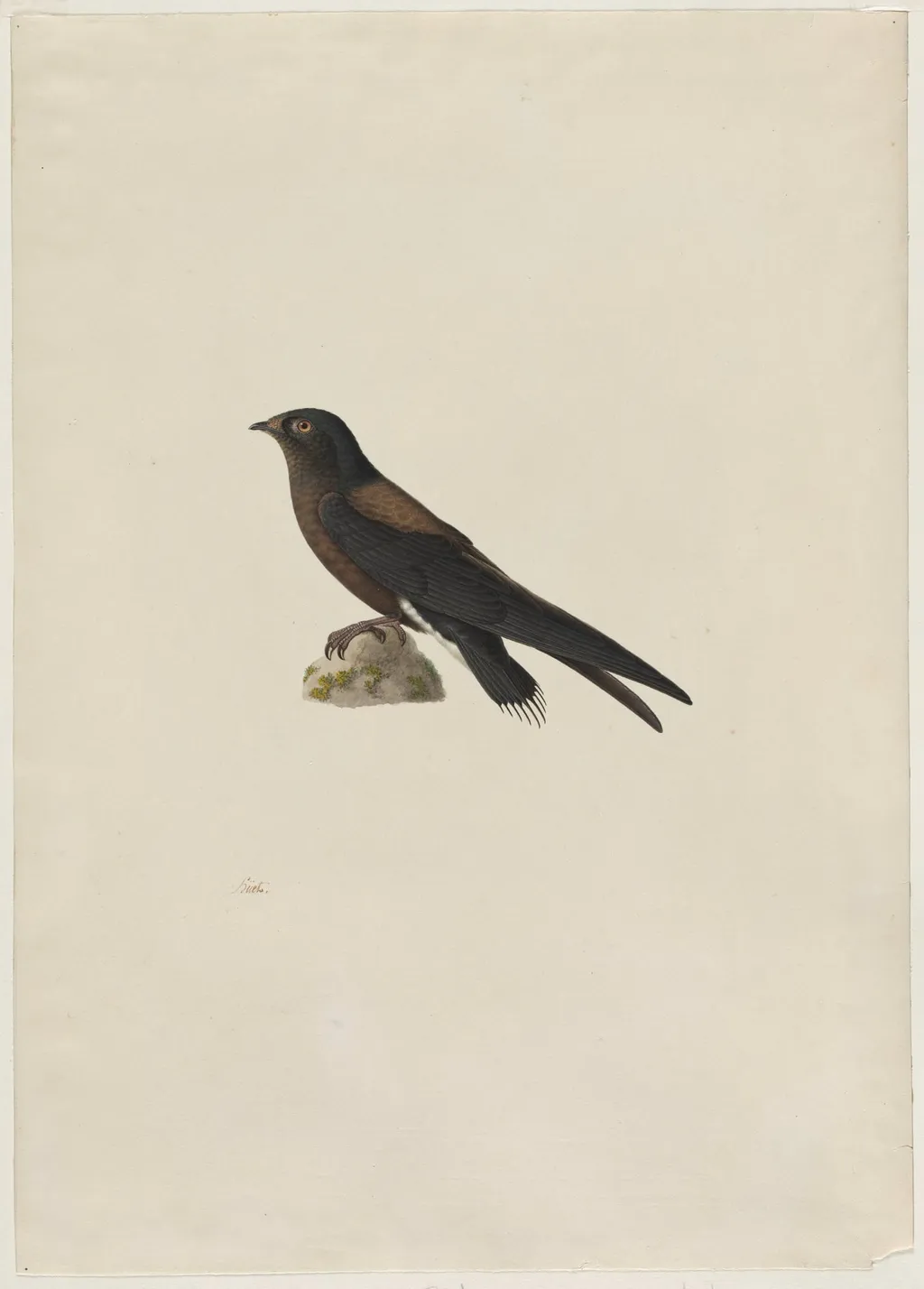
Needle-Tailed Swift (Hirundapus caudaculus) is a drawing by the Romanticist artist Paul Huet. It dates from 1804 and is held in the collection of the Cleveland Museum of Art.
About this work
Overview
Needle-Tailed Swift (Hirundapus caudaculus) is a drawing by French artist Paul Huet, created circa 1804. It represents a transitional phase in Huet's career, marking a shift from neoclassicism towards nature-inspired, detailed observation.
Subject & Meaning
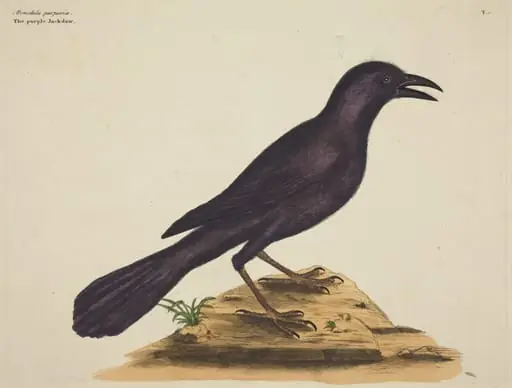
The drawing depicts a Needle-Tailed Swift perched on a light gray rock covered with green moss, facing left. The bird's dark brown body contrasts with lighter brown chest and wing feathers. Its distinctive long, pointed tail feathers and small black beak are also rendered. The composition conveys a sense of quiet, natural beauty, aligning with early Romanticism's emphasis on the natural world.
Technique & Style
Huet employs soft, muted coloration with subtle shading to achieve depth and texture in the bird's feathers. This approach reflects his exposure to British landscape painting, which influenced his move towards atmospheric, observational depictions of nature.
History & Provenance
Created around 1804, the drawing postdates Huet's training under Antoine-Jean Gros and Jean-Baptiste Guerin. Its execution coincides with Huet's rejection of neoclassicism, influenced by Richard Parkes Bonington's British landscape style.
Context
Needle-Tailed Swift reflects the burgeoning Romantic movement in early 19th-century France, characterized by a focus on nature, observation, and emotional resonance in art. Huet's work bridges traditional French training and the emerging influence of British naturalist approaches.
Artist & collection
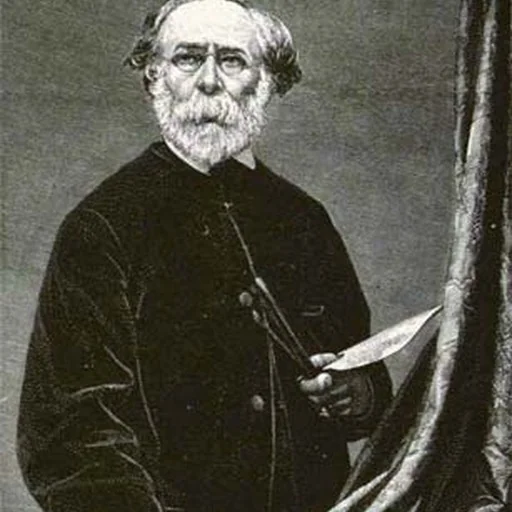
Artist
Paul Huet (French pronunciation: ; 3 October 1803 – 8 January 1869) was a French painter and printmaker born in Paris.