Artwork
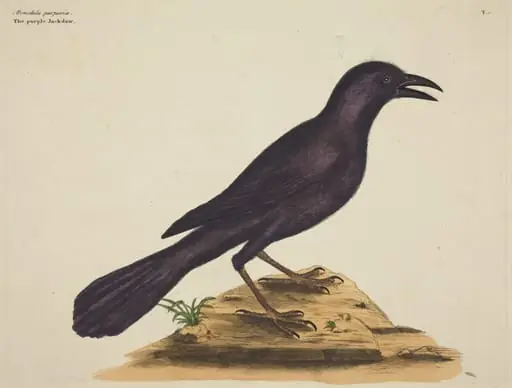
The Purple Jack Daw (Gracula Quiscula)
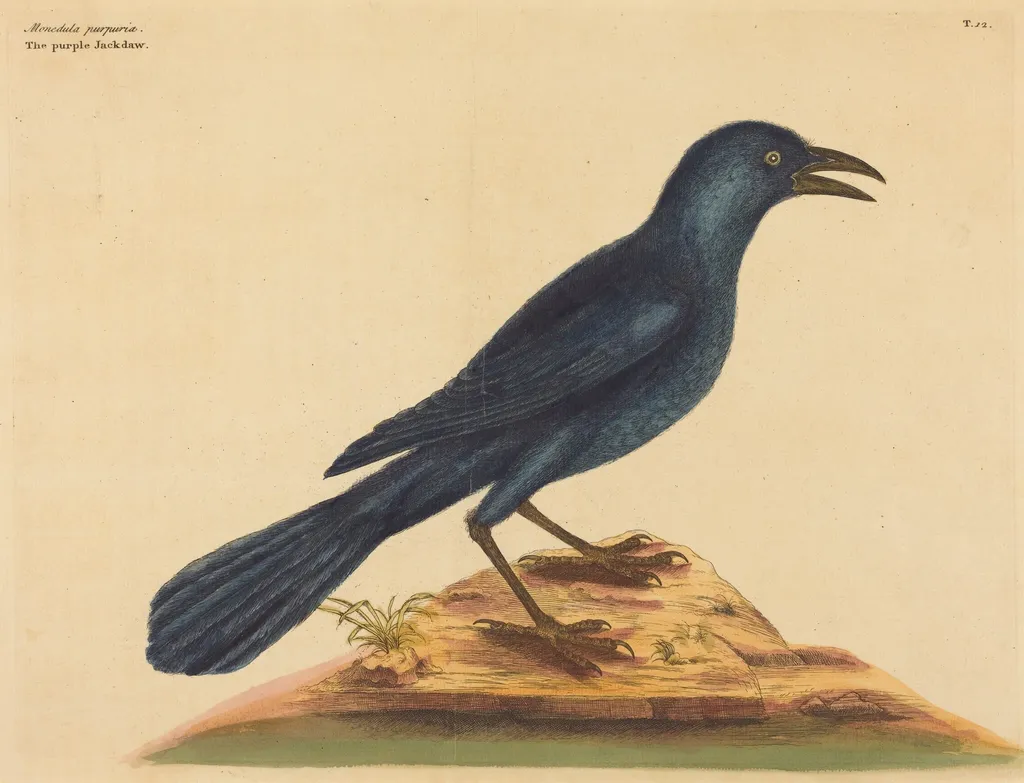
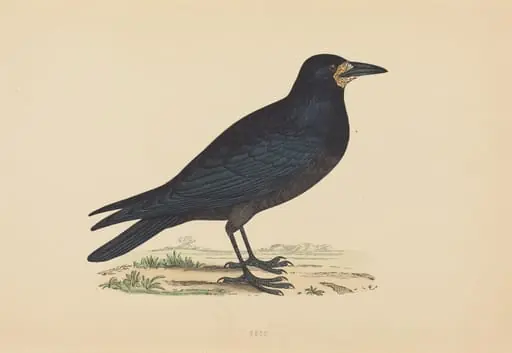
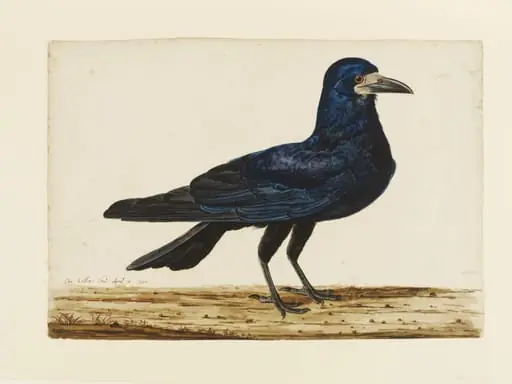
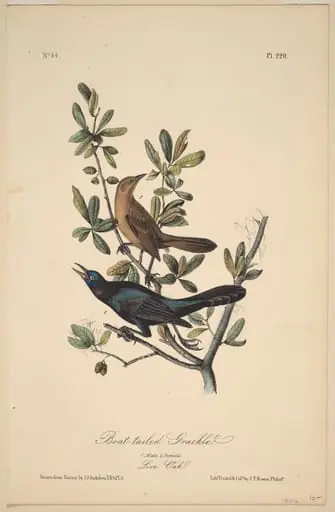
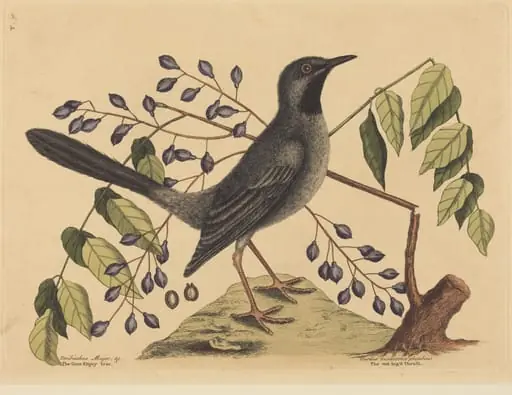
The Purple Jack Daw (Gracula Quiscula) is an ink print by the Baroque artist Mark Catesby. It dates from 1737 and is held in the collection of the National Gallery of Art. Created in 1737, this print shows a North American bird commonly called the Purple Jack‑Daw.
About this work
Overview
Created in 1737, this print shows a North American bird commonly called the Purple Jack‑Daw. Executed as an etching and engraving with hand‑applied color on laid paper, the image presents the bird perched on a rocky ledge against a lightly rendered background of sparse vegetation and a faint fence line.
Subject & Meaning
The bird, resembling a crow with a long tail, sharp beak, dark blue‑black plumage and a striking yellow eye, is identified in the caption as the Purple Jack‑Daw (Gracula quiscula). It serves as a scientific illustration, documenting the species’ appearance for European naturalists unfamiliar with New World fauna.
Technique & Style
Catesby combined intaglio processes—etching and engraving—to produce fine line work, then applied watercolor by hand to add color to the printed image. The use of laid paper provides a textured surface that enhances the delicate shading of feathers and the subtle tonal gradations of the background.
History & Provenance
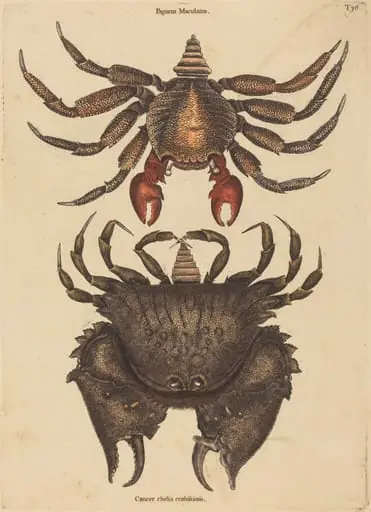
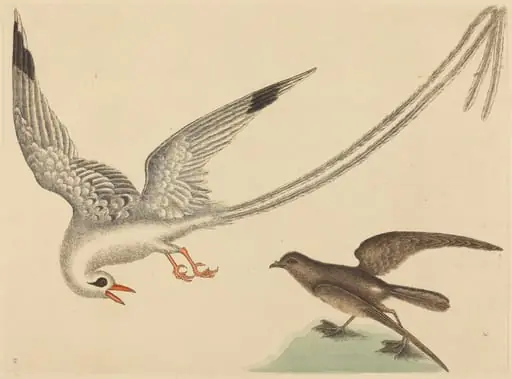
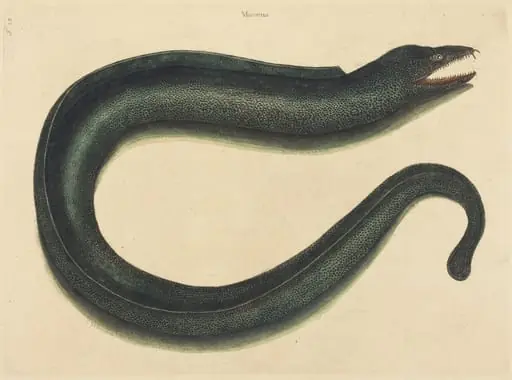
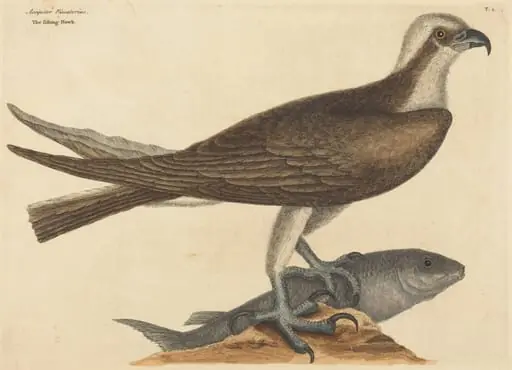
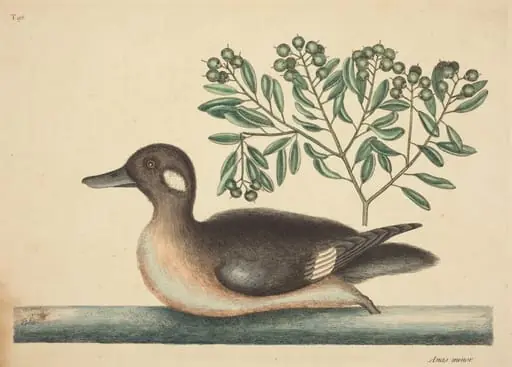
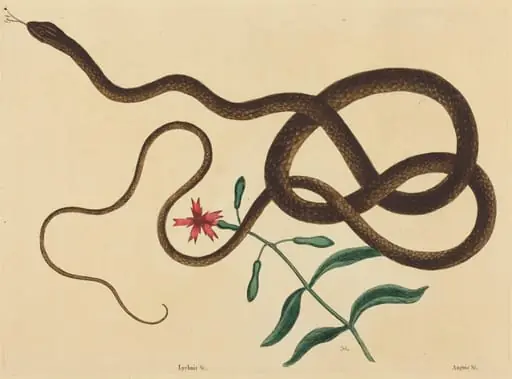
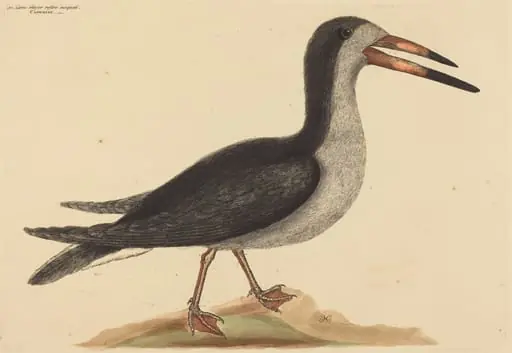
The print forms part of Mark Catesby’s monumental work, *Natural History of Carolina, Florida and the Bahama Islands*, issued in installments from 1729 to 1747. The publication contains 220 plates covering a wide range of birds, mammals, reptiles, fish, insects and plants, and was among the first comprehensive visual records of the region’s biodiversity.
Context
Catesby, an English naturalist and artist, spent several years in the American colonies collecting specimens and making observations. His illustrations were intended for a European audience, providing one of the earliest visual references for many species previously unknown outside the Americas.
Artist & collection

Artist
Mark Catesby (24 March 1683 – 23 December 1749) was an English naturalist who studied the flora and fauna of the New World.