Artwork
Untitled
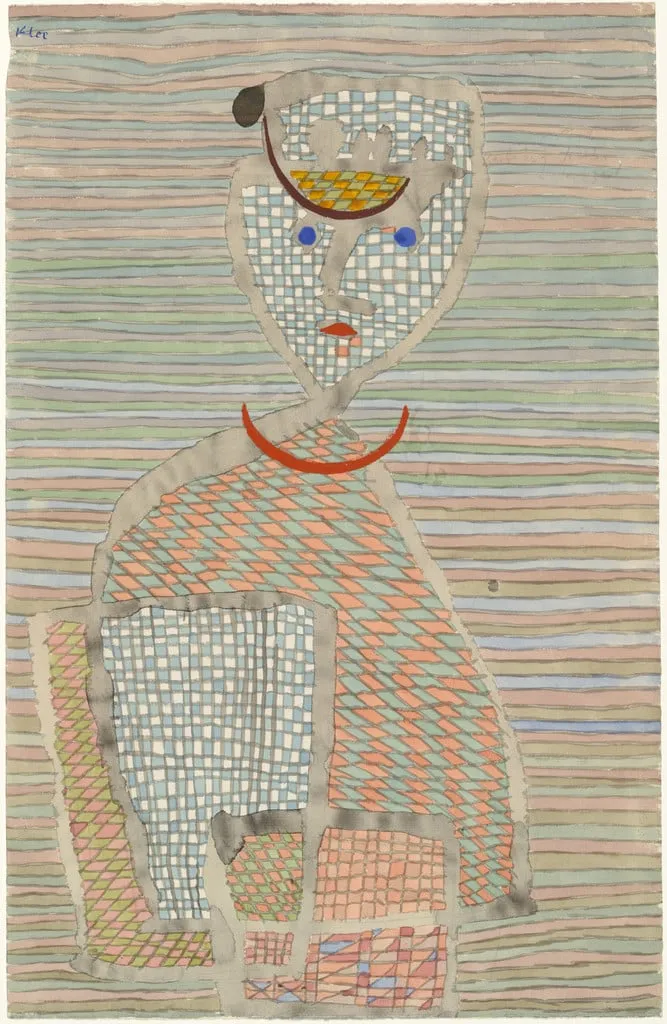
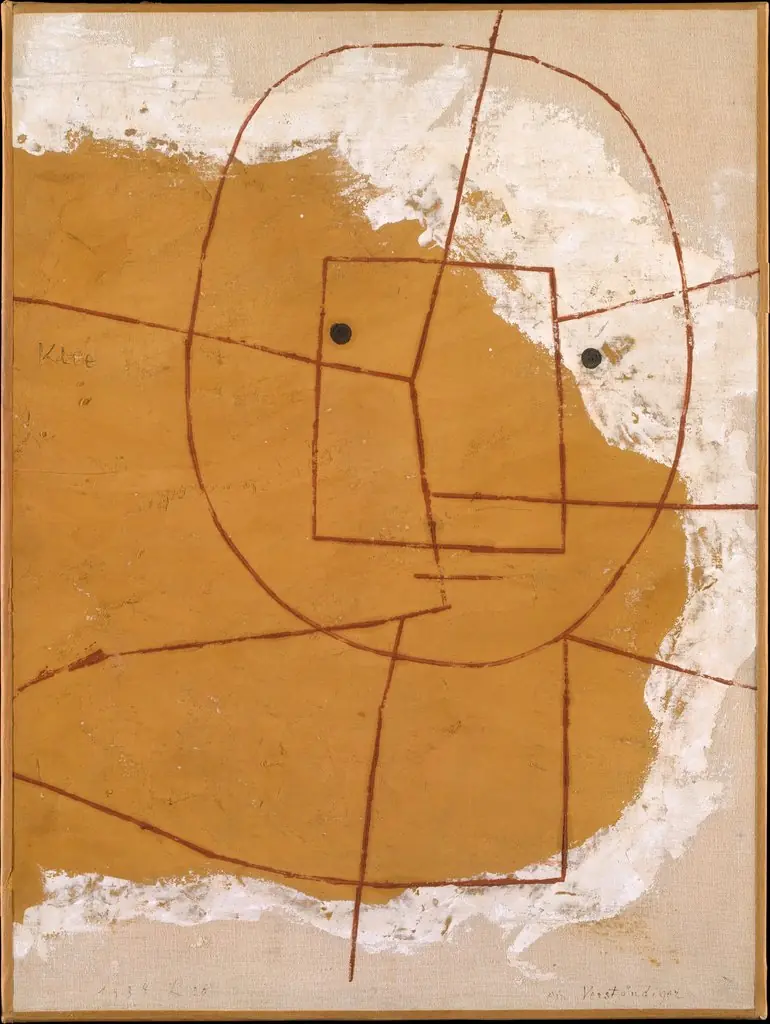
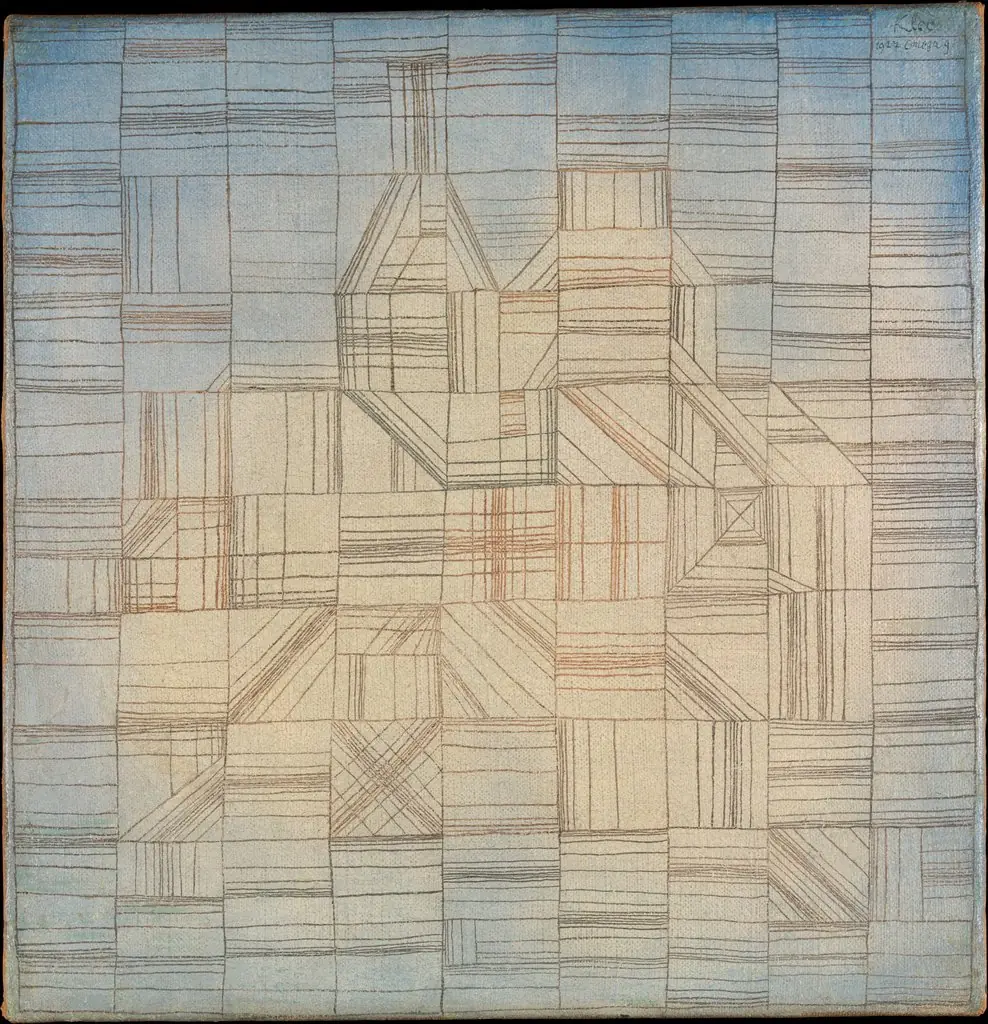
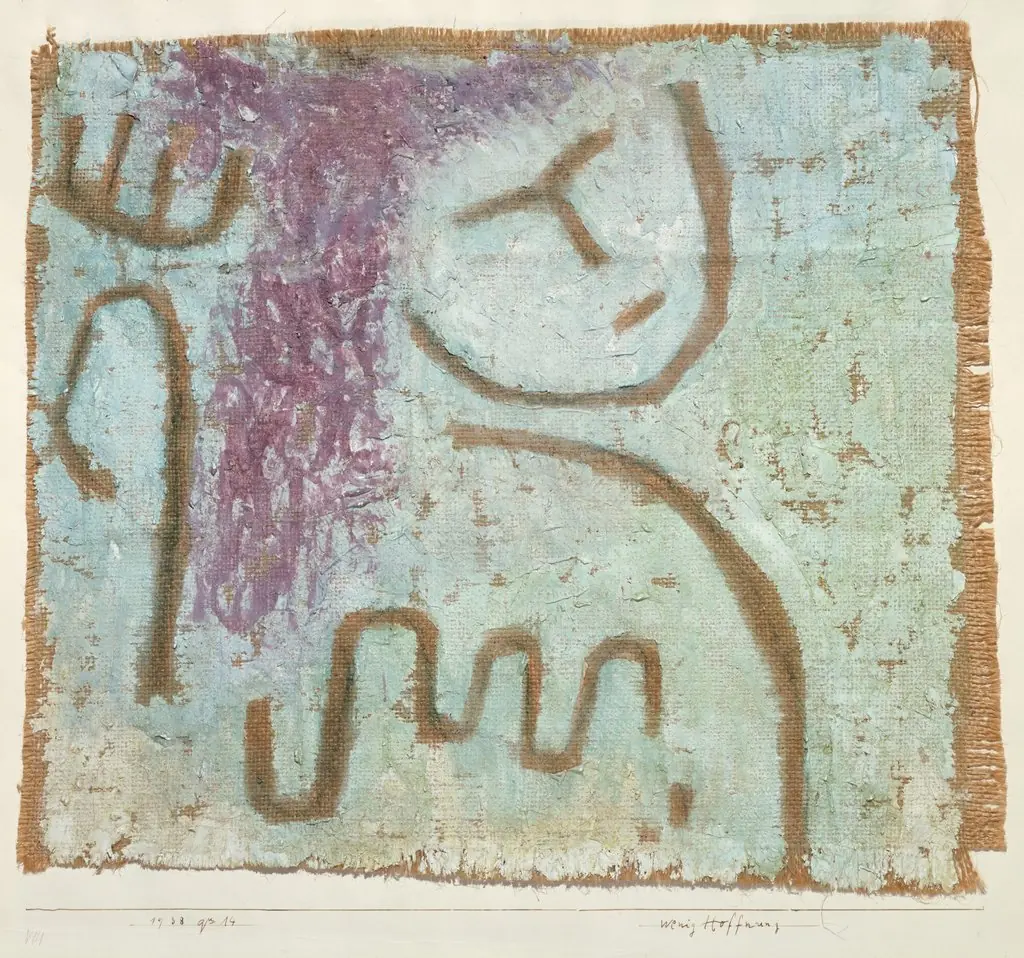
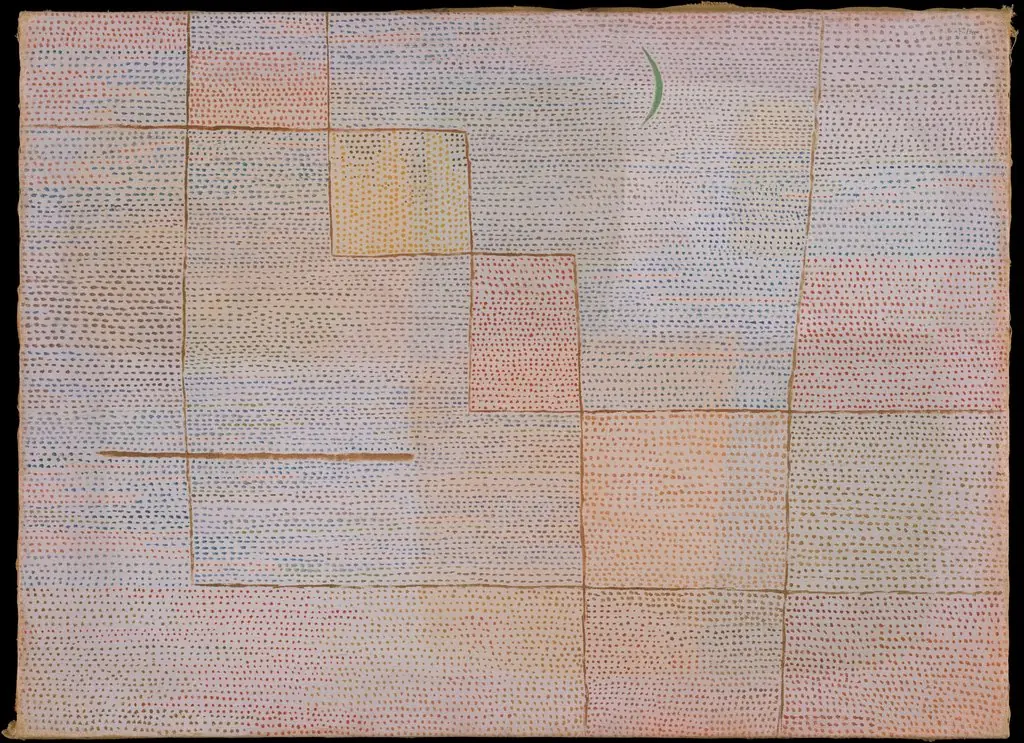
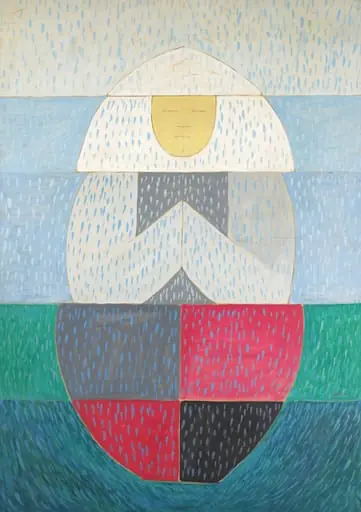
Untitled is a watercolor drawing by Paul Klee. It dates from 1934 and is held in the collection of the Museum of Modern Art.
About this work
Overview
Though unassuming in scale, it embodies his unique visual language—neither fully representational nor purely abstract—where simplicity carries layered meaning.
Created in 1934, this watercolor, gouache, and pencil drawing on paper is one of many intimate works by Paul Klee during his final years in Germany. Executed with delicate, linear precision, the piece reflects his ongoing exploration of symbolic form and chromatic harmony. Though unassuming in scale, it embodies his unique visual language—neither fully representational nor purely abstract—where simplicity carries layered meaning.
Subject & Meaning
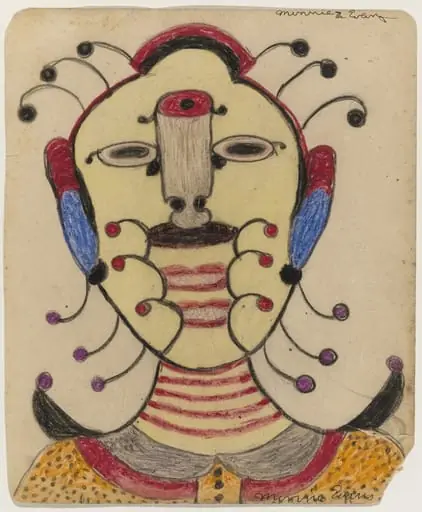
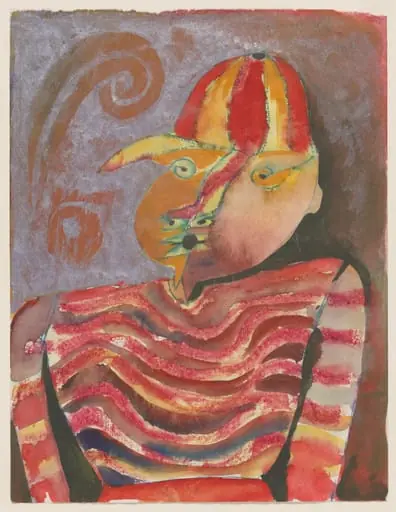
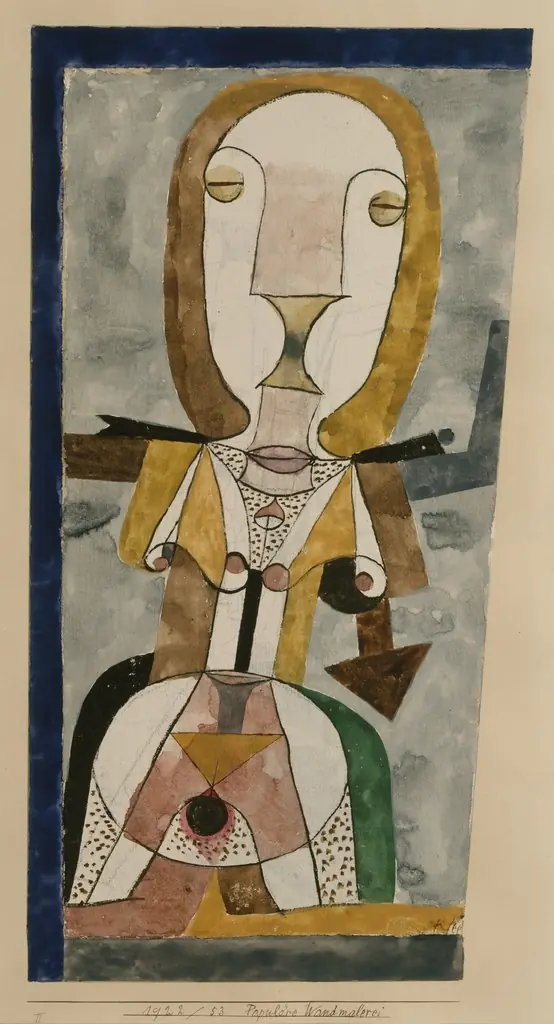
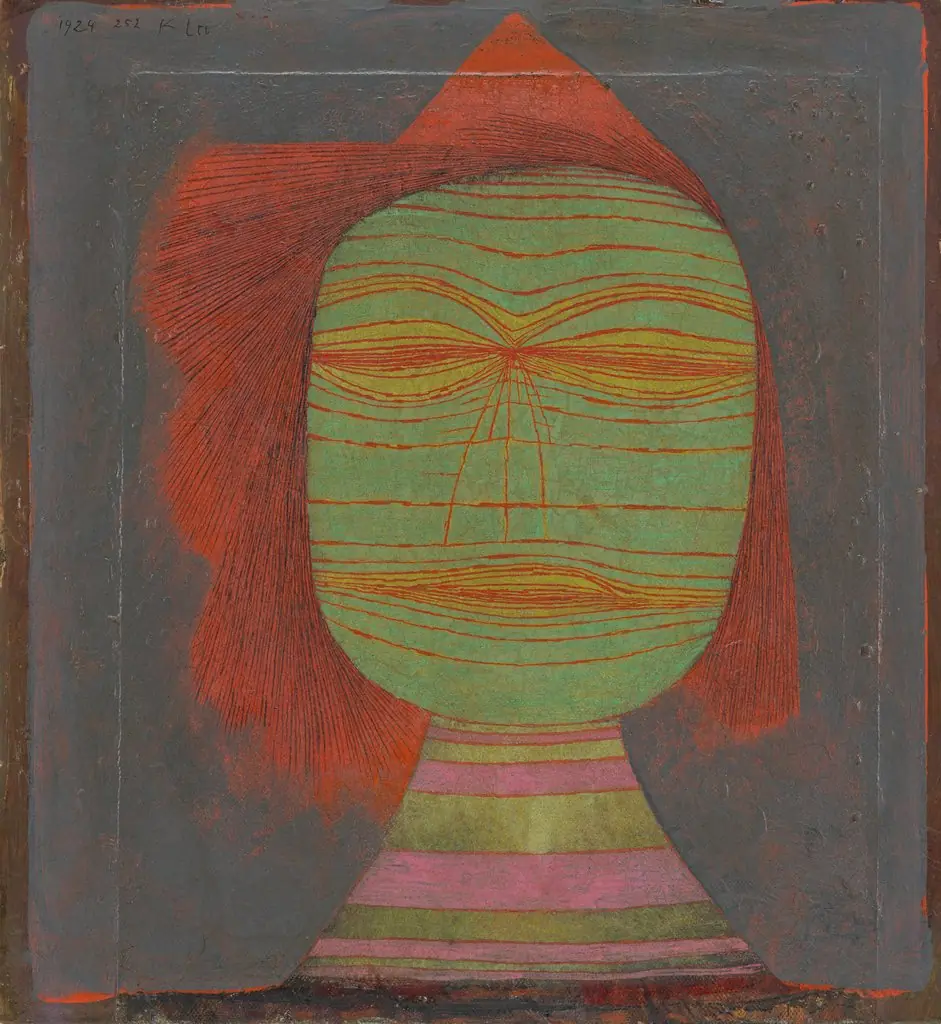
The figure, rendered with a disproportionately large head and minimal body, evokes a stylized human presence without narrative context. Its features—a blue-eyed gaze, red smile, and yellow form resembling a hat or vessel—suggest archetypal expressions rather than individual identity. The absence of depth or shadow invites interpretation as a symbolic icon, possibly reflecting Klee’s interest in childlike perception and universal signs.
Technique & Style
Klee employed thin, sketch-like pencil lines to define contours, layered with flat washes of watercolor and opaque gouache to create color fields. The palette—soft pinks, greens, peach, and reds—is applied without gradation, emphasizing flatness and pattern over realism. Crisscrossing strokes suggest fabric texture, while horizontal background stripes establish rhythm without perspective, reinforcing the work’s deliberate detachment from naturalistic representation.
History & Provenance
The work entered The Museum of Modern Art’s collection in the mid-20th century, following Klee’s growing recognition in American institutions after his exile from Nazi Germany. It was likely acquired as part of broader efforts to document European modernism, particularly works by artists associated with the Bauhaus. Its preservation reflects its significance within Klee’s late oeuvre and the museum’s commitment to non-traditional drawing practices.
Context
Produced during Klee’s final years under political pressure in Nazi Germany, the work aligns with his retreat into personal, symbolic imagery. His earlier theoretical writings, compiled in the Paul Klee Notebooks, informed this period’s emphasis on line, color, and form as autonomous elements. The piece resonates with contemporaneous surrealist and expressionist inquiries into the subconscious, yet remains distinct in its quiet, methodical abstraction.
Legacy
This drawing exemplifies Klee’s influence on postwar abstraction, particularly in how he elevated drawing to a primary mode of artistic thought. His integration of childlike forms with sophisticated color theory inspired generations of artists seeking alternatives to realism. The work remains a touchstone in discussions of modern drawing, valued for its economy of means and enduring emotional resonance.
Artist & collection
Artist
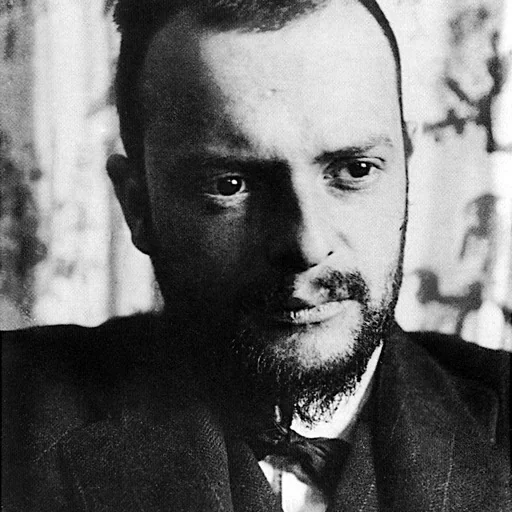
Paul Klee (German: ; 18 December 1879 – 29 June 1940) was a Swiss-born German artist.