Artwork
Harmonious Times
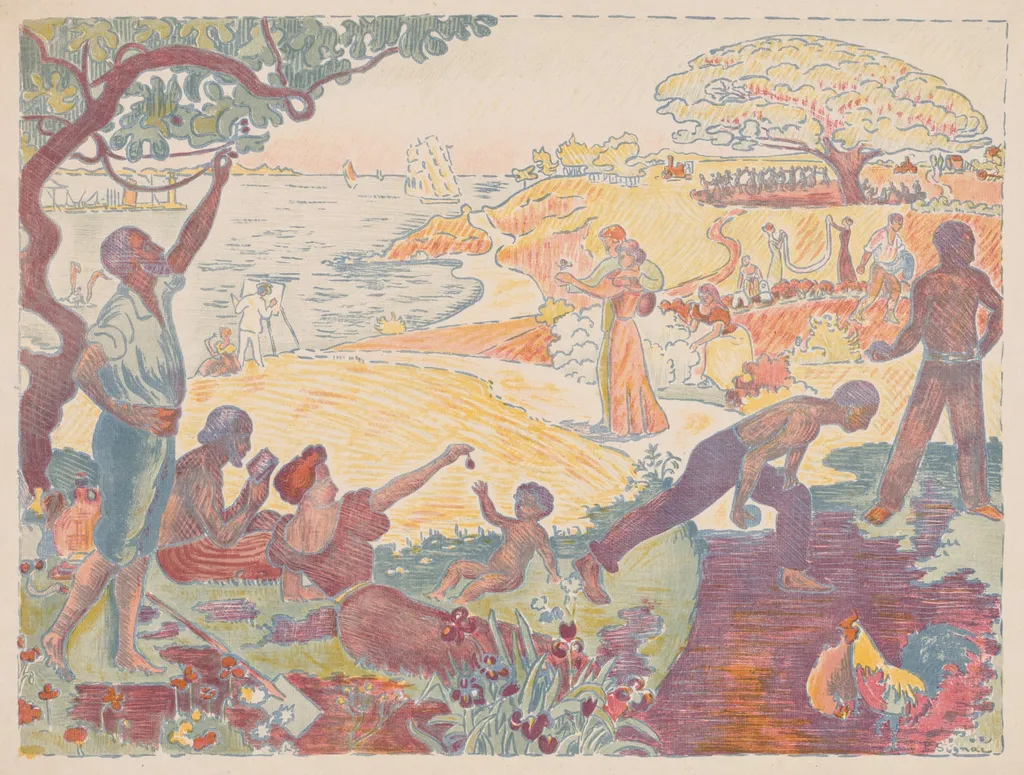
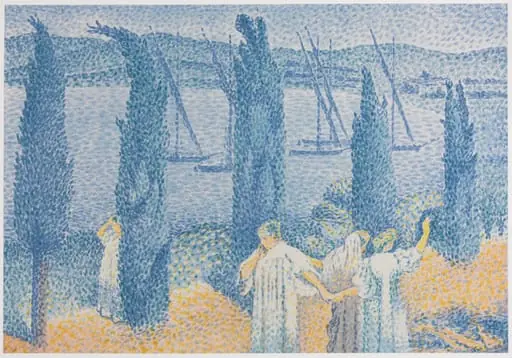
Harmonious Times is a print by the Impressionist artist Paul Signac. It dates from 1896 and is held in the collection of the Cleveland Museum of Art.
About this work
Overview
Paul Signac’s *Harmonious Times* (1896) is a Neo-Impressionist print that captures a quiet riverside gathering through a methodical application of colored dots.
Paul Signac’s *Harmonious Times* (1896) is a Neo-Impressionist print that captures a quiet riverside gathering through a methodical application of colored dots. Unlike traditional brushwork, the composition relies on optical mixing, where small, uniform strokes of pure pigment blend in the viewer’s eye to suggest light and motion. The scene unfolds without dramatic tension, emphasizing rhythm and balance over narrative.
Subject & Meaning
The scene portrays ordinary life along a waterway: figures engage in quiet, unremarkable activities—holding a child, leaning on a post, walking along a path. No single moment dominates; instead, the painting values the collective tranquility of daily routines. The absence of overt emotion or conflict suggests an idealized harmony between people and their environment, aligned with Signac’s anarchist beliefs in peaceful communal life.
Technique & Style
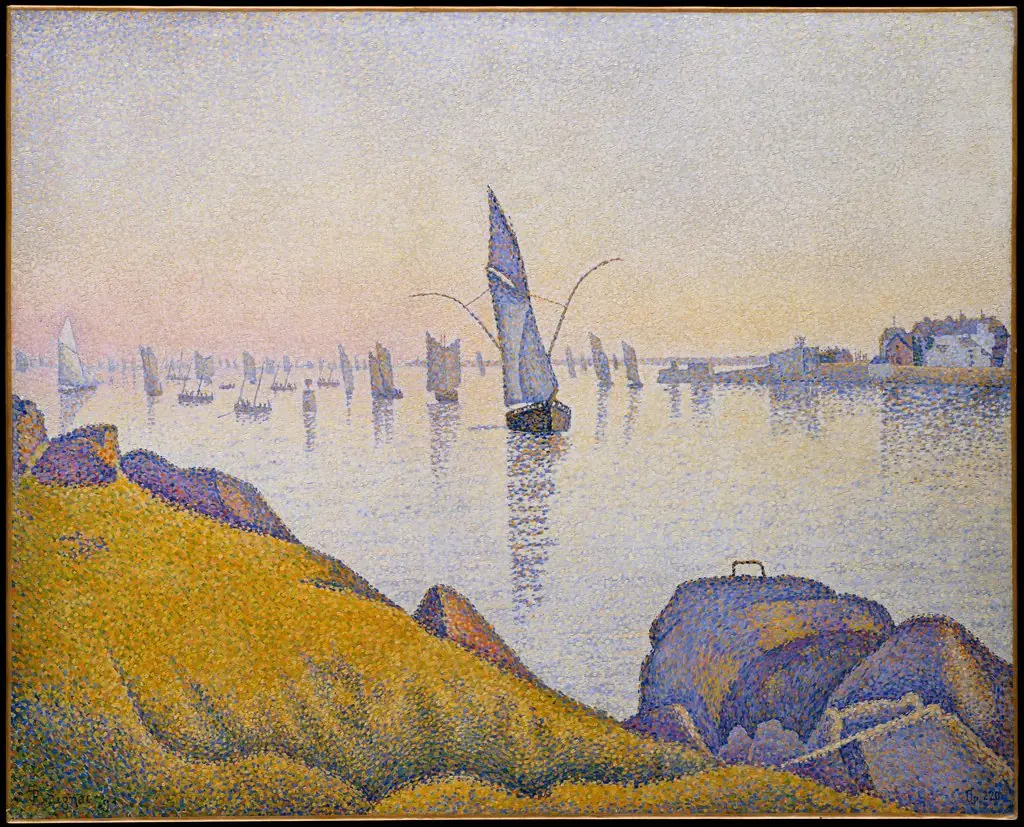
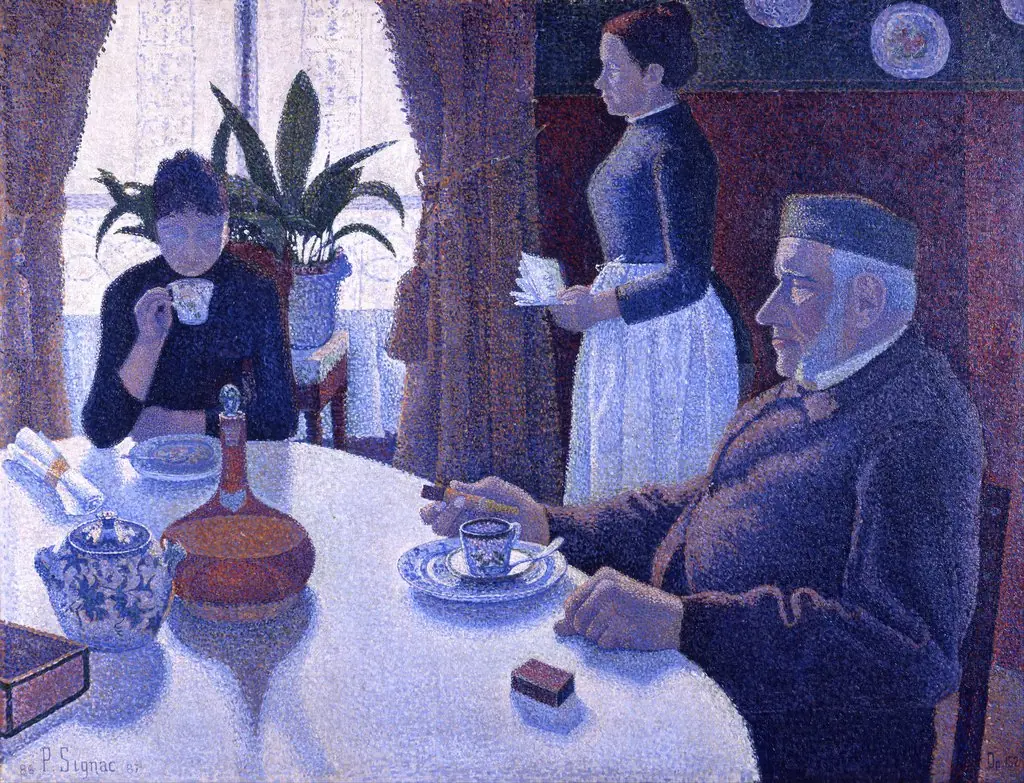
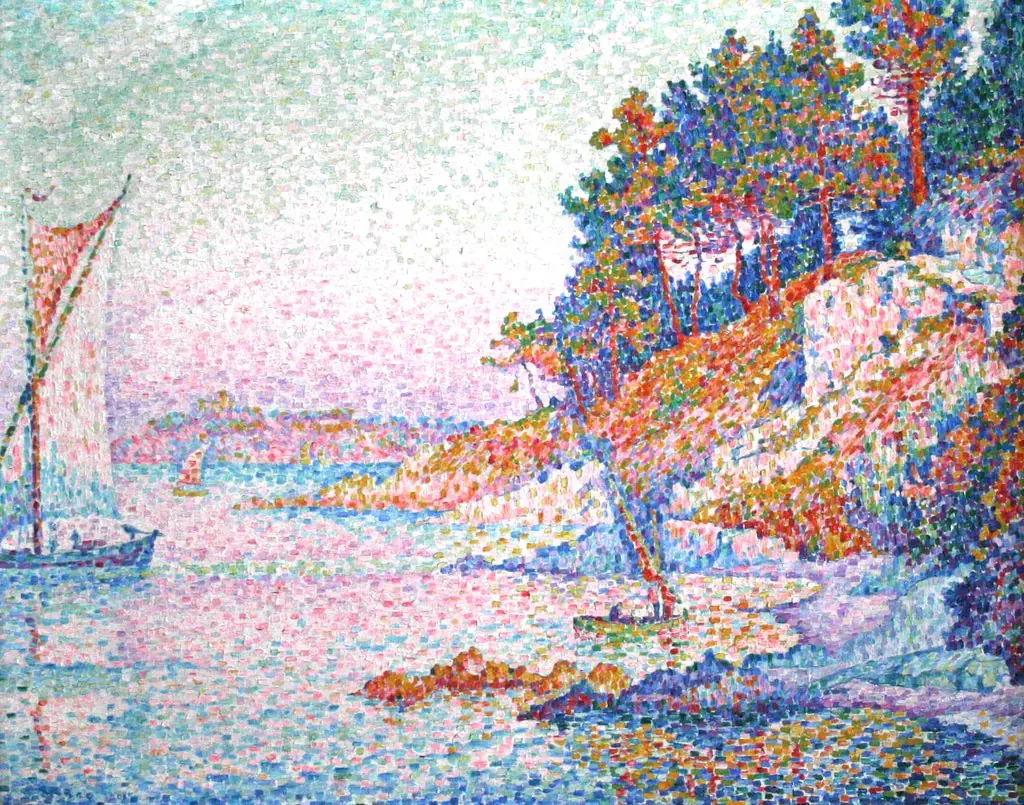
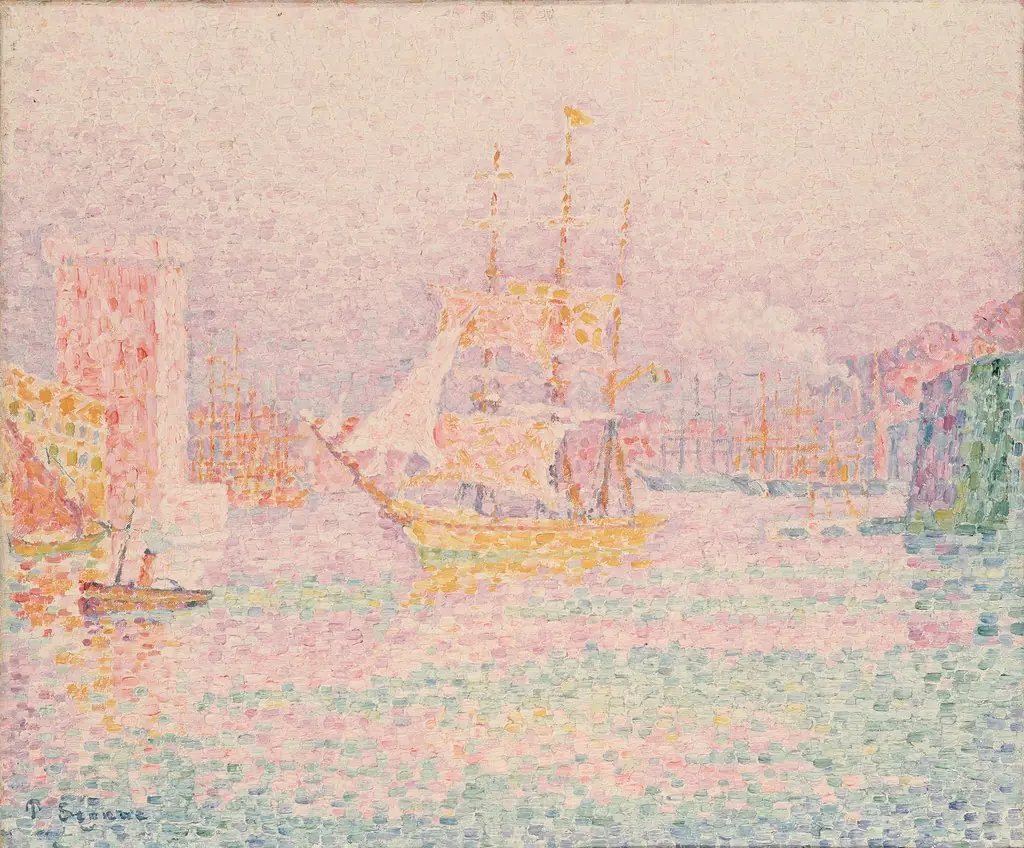
Signac employs a pointillist technique, applying pigment in discrete, controlled dots to construct form and atmosphere. Colors are chosen for their optical interactions—cool blues and greens contrast with warm ochres and reds—to evoke sunlight and air without blending on the palette. The brushwork is precise yet rhythmic, creating a sense of stillness despite the activity depicted, reinforcing the painting’s meditative tone.
History & Provenance
Created in 1896, *Harmonious Times* emerged during Signac’s mature period, following his collaboration with Seurat and his deepening commitment to scientific color theory. Though the work’s early ownership is not fully documented, it entered the Cleveland Museum of Art’s collection in the 20th century, where it remains as part of a broader grouping of Neo-Impressionist works reflecting the movement’s influence on modern printmaking.
Context
In the 1890s, Signac shifted from coastal landscapes to inland waterways, reflecting broader interests in urban leisure and social cohesion. His work responded to industrialization by idealizing moments of calm amid modern life. *Harmonious Times* aligns with contemporary anarchist thought, which saw communal spaces like riverbanks as sites of egalitarian interaction, free from class hierarchy or political tension.
Legacy
Though less celebrated than Seurat’s large-scale canvases, Signac’s prints like this one helped disseminate Neo-Impressionist principles to wider audiences. His systematic approach influenced later movements, including Fauvism and early abstraction, particularly in their treatment of color as an autonomous structural element. The work endures as a quiet testament to the potential of technique to convey serenity through structure.
Own this work as a print
Artist & collection

Artist
Paul Victor Jules Signac ( seen-YAHK, French: ; 11 November 1863 – 15 August 1935) was a French Neo-Impressionist painter who, with Georges Seurat, helped develop the artistic technique Pointillism.

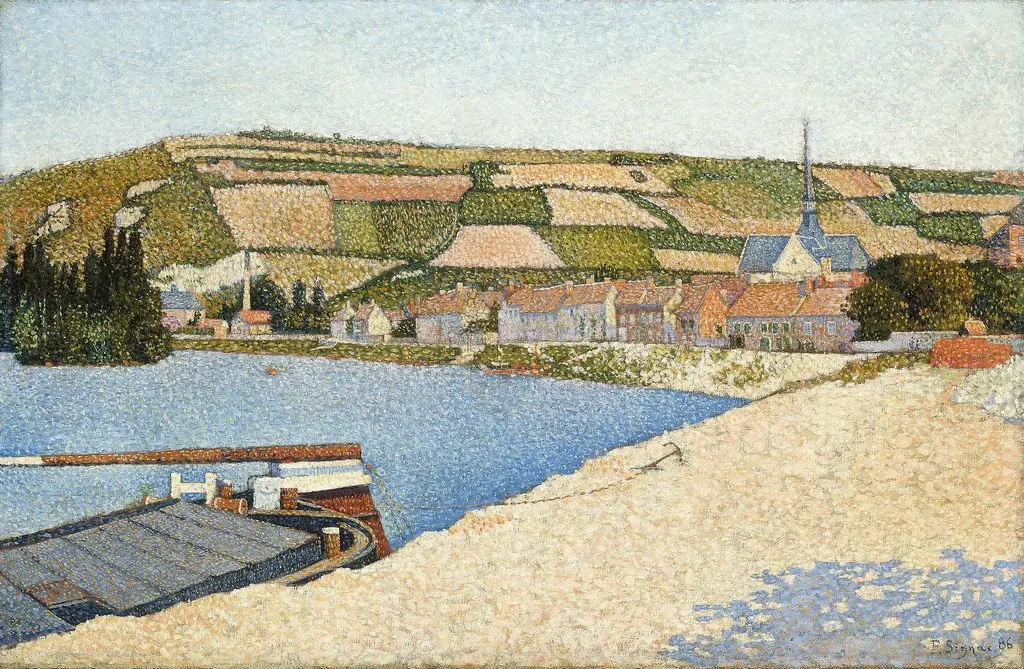
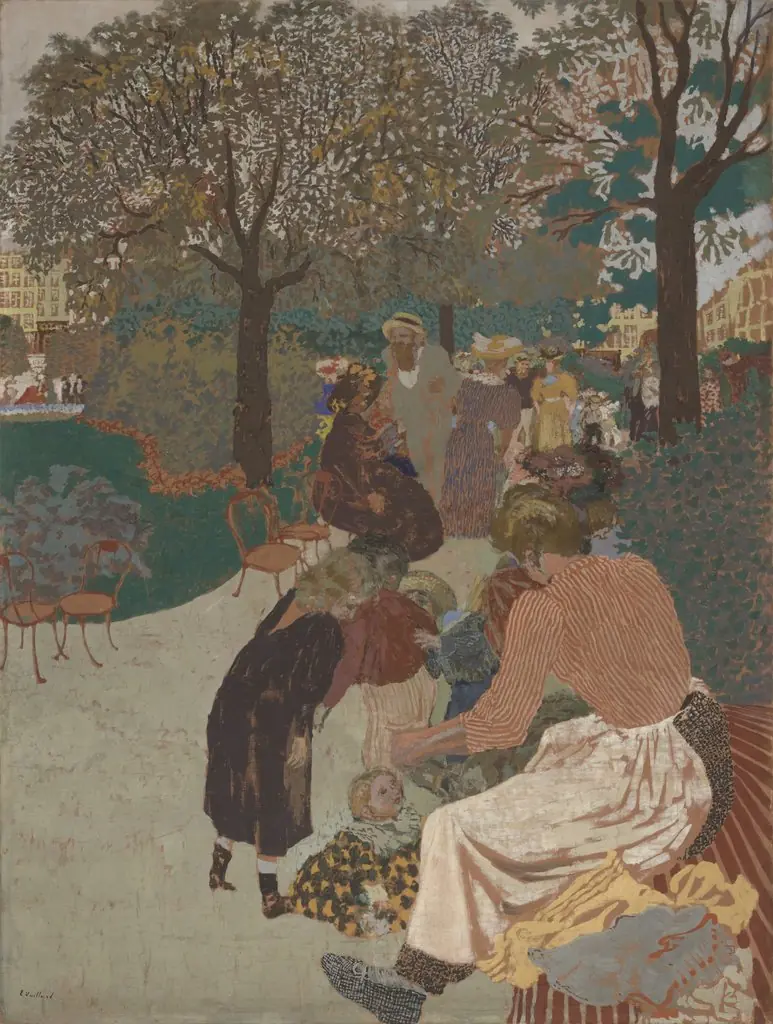 Park
Park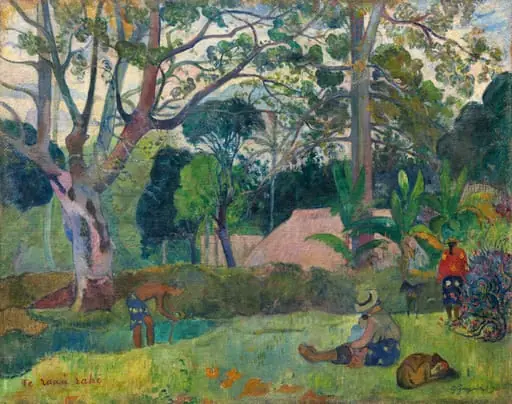 Te raau rahi (The Big Tree)
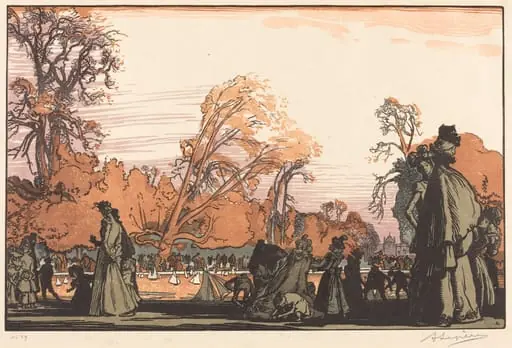 Pond in the Tuileries (Le bassin des Tuileries)
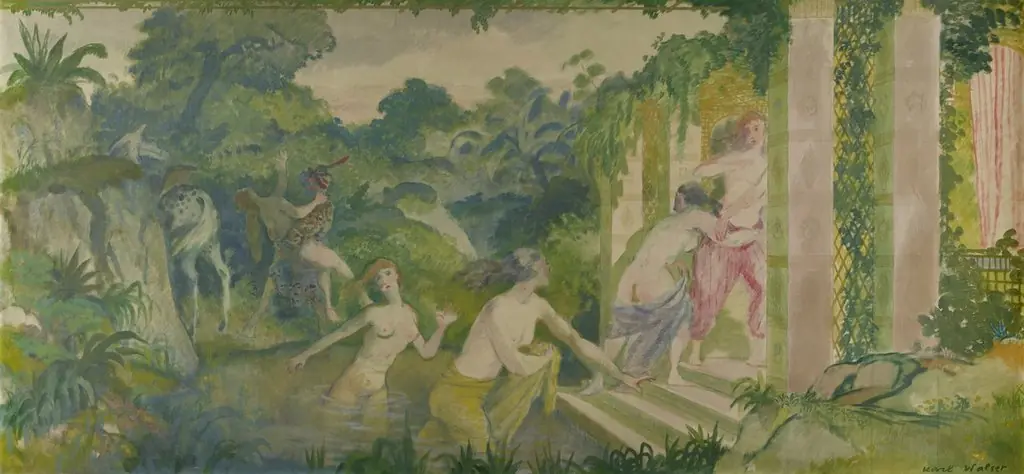 Fliehende Frauen und Entführer mit Pferd
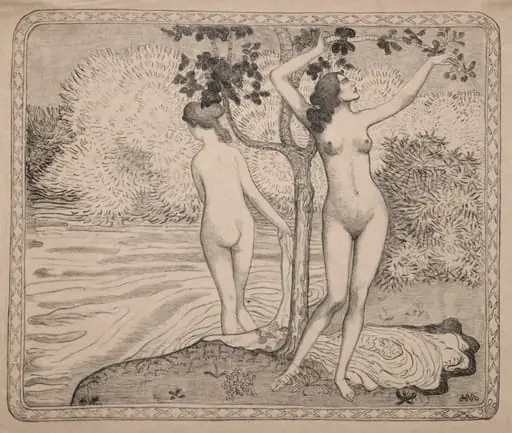 Two Bathers under a Tree at the Water's Edge
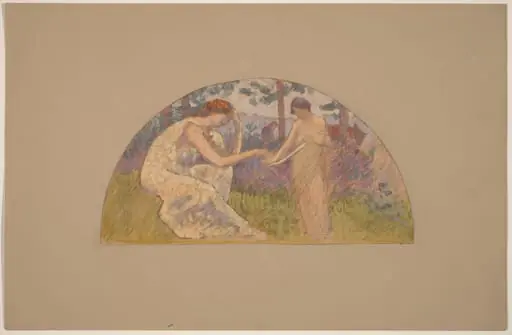 Study for a Lunette
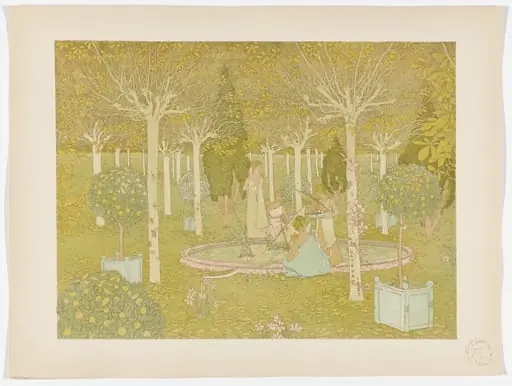 Untitled
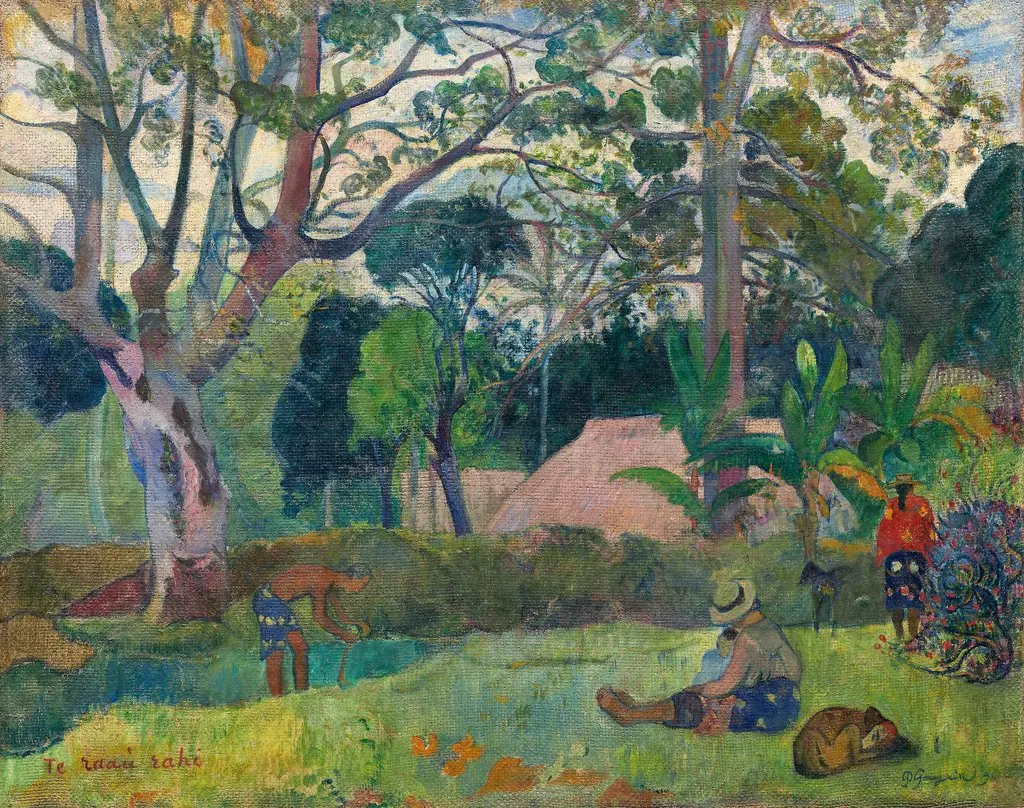 The Big Tree (Te raau rahi)
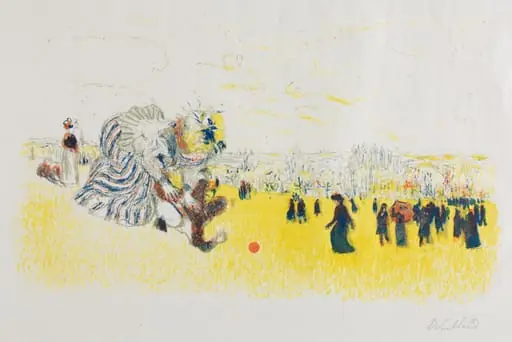 Children's Games
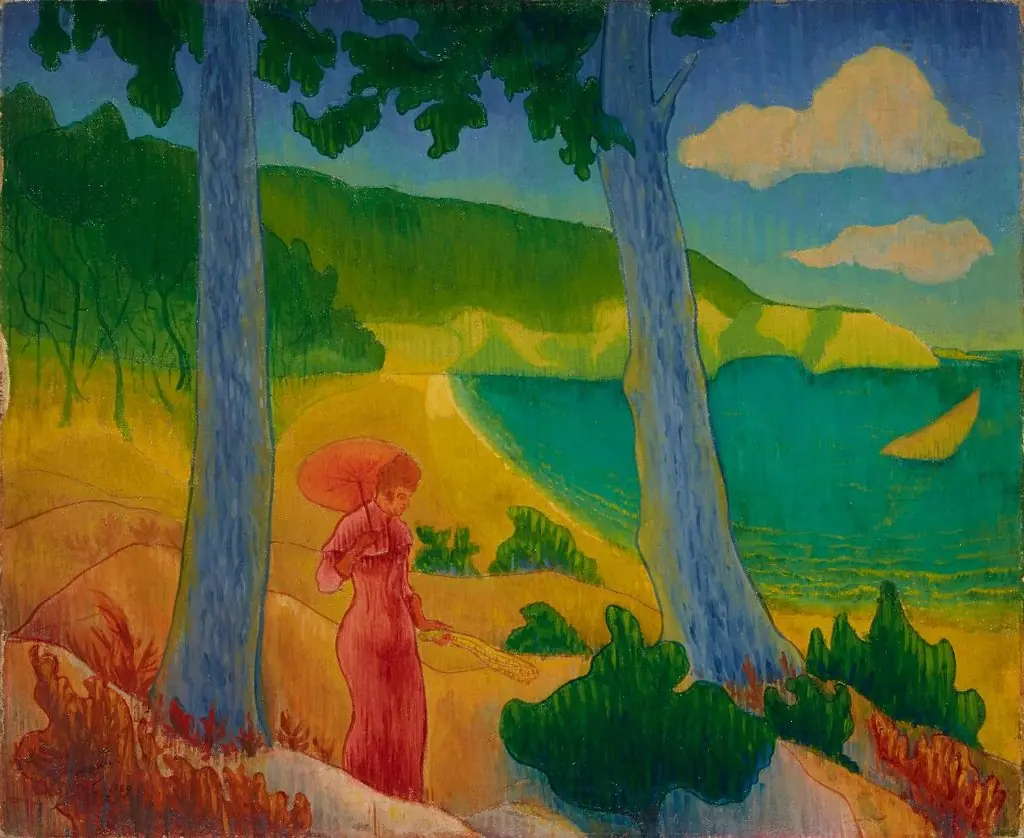 Rivage
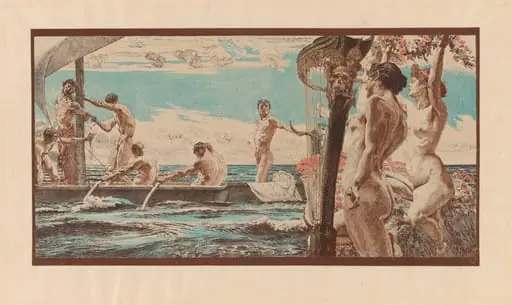 Odysseue und die Sirenen (Odysseus and the Sirens)
 The Promenade (Landscape with Cypresses)