Artwork
Odysseue und die Sirenen (Odysseus and the Sirens)
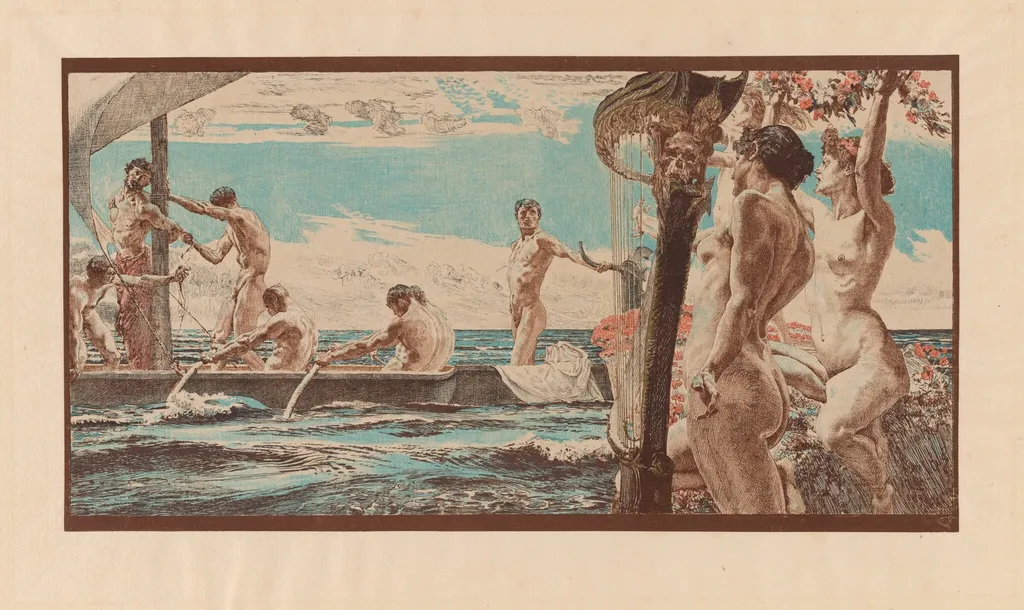
Odysseue und die Sirenen (Odysseus and the Sirens) is an ink print by the Impressionist artist Otto Greiner. It dates from 1896 and is held in the collection of the National Gallery of Art.
About this work
If you're interested in learning more about this style of art, you might want to look up the movement of Impressionism.
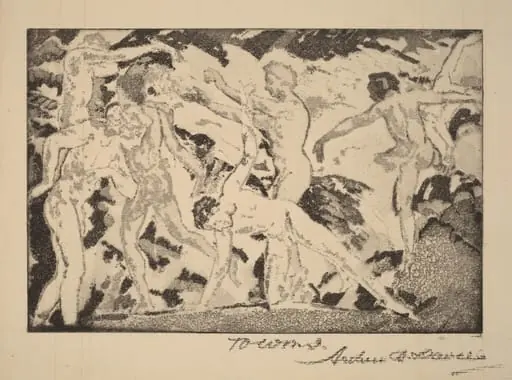
This painting shows a scene of men in a boat, with one man reaching out to another. The men are naked, and there are women standing on the shore, also naked. The women are holding flowers and seem to be singing or calling out to the men.
In the foreground, there is a large object that looks like a harp or a lyre. The background is a blue sky with white clouds, and the overall mood of the painting is one of beauty and temptation.
The painting is a lithograph printed in color with gold on chine collé on laid paper, created by Otto Greiner in 1896. If you're interested in learning more about this style of art, you might want to look up the movement of Impressionism.
Overview
Otto Greiner’s 1896 lithograph ‘Odysseus and the Sirens’ presents a mythological tableau rendered in vivid color and gilt accents. Executed on laid paper with a chine collé support, the print is part of the National Gallery of Art’s collection in Washington, D.C. The composition balances a seascape setting with a lyrical confrontation between sailors and the alluring figures on shore.
Subject & Meaning
The image interprets the Homeric episode in which Odysseus’s crew encounters the Sirens, whose song promises irresistible temptation. Greiner depicts the sailors, unclothed and vulnerable, reaching toward the shore where nude women clutch flowers and appear to sing. A prominent lyre or harp underscores the musical lure, emphasizing the tension between desire and peril.
Technique & Style
Created as a color lithograph, the work incorporates gold printing on a chine collé layer adhered to laid paper, a method that adds depth and a luminous surface. Greiner’s handling of line and wash reflects late‑19th‑century Symbolist tendencies, while the delicate coloration and decorative detail hint at the decorative currents that preceded Art Nouveau.
History & Provenance
The print was produced in 1896, during a period when Greiner was exploring mythological subjects through printmaking. It entered the National Gallery of Art’s holdings through acquisition (specific donor information not recorded in the source). The piece remains a representative example of the artist’s engagement with classical narratives in the medium of lithography.
Artist & collection


![Studies of Men in Togas [recto], by Otto Greiner](https://artifactworldgallery.com/img/otto-greiner--studies-of-men-in-togas-recto--3d22c2162285bf09-w320.webp)
 The Conqueror
 Sketch for the State Capitol at Albany (Discoverer)
 Harmonious Times
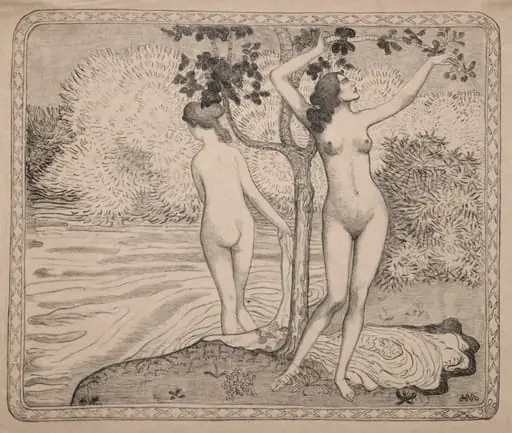 Two Bathers under a Tree at the Water's Edge
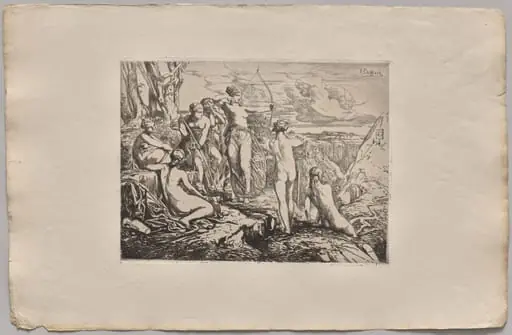 Diana and her Nymphs
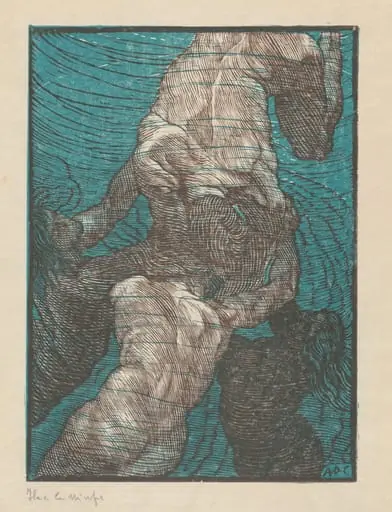 Ila e le ninfe (Hylas and the Nymphs)
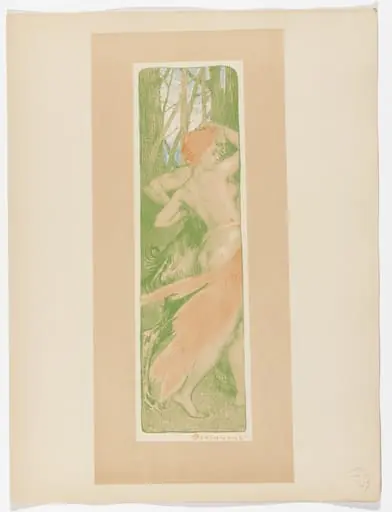 Untitled
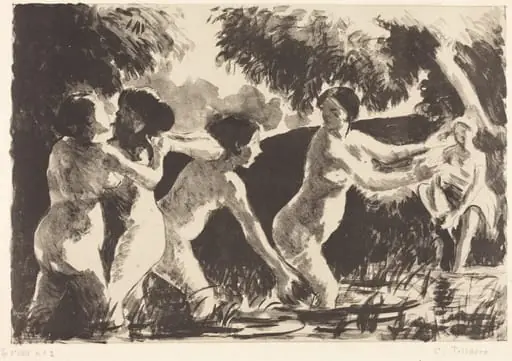 Bathers Wrestling (Baigneuses luttants)
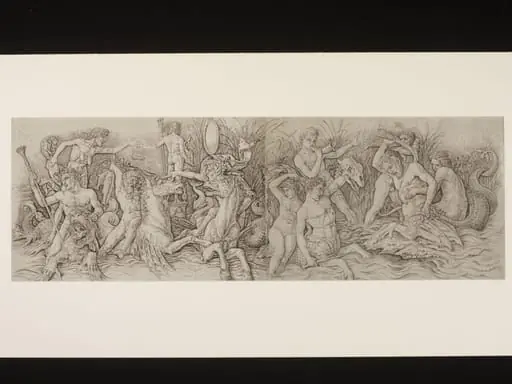 Battle of the Sea Gods
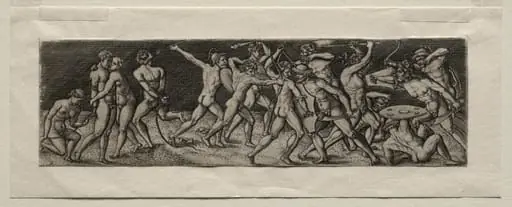 Fight between Eleven Warriors
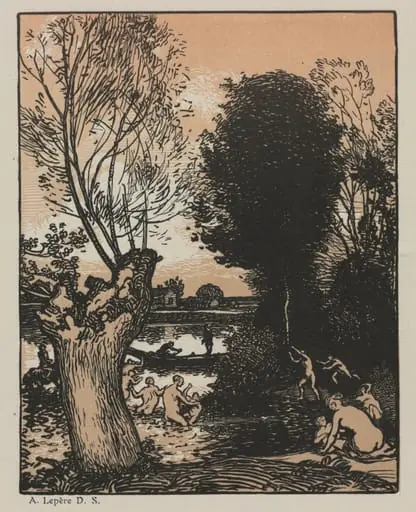 Summer Evening
 By the Caliban