Artwork
Portrait of a young Man
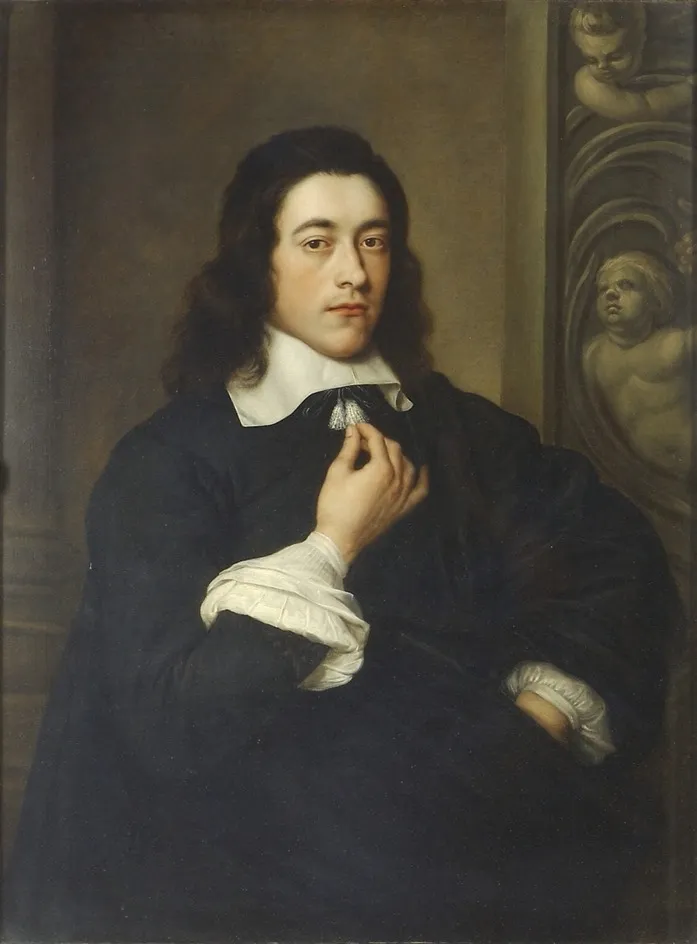
Portrait of a young Man is an oil painting by the Dutch Golden Age artist Paulus Hennekyn. It dates from 1655 and is held in the collection of the Ashmolean Museum.
About this work
Overview
Painted in 1655 by Paulus Hennekyn, this oil portrait depicts a young man in quiet repose. The work is part of the Ashmolean Museum’s collection and exemplifies mid-seventeenth-century Dutch portraiture. Its restrained palette and intimate scale suggest a private commission, likely intended for personal or familial display rather than public exhibition.
Subject & Meaning
The gesture, neither formal nor theatrical, conveys introspection, aligning with the era’s preference for psychological nuance over grandeur.
The subject, a young man with dark, flowing hair, wears a black coat over a white linen shirt with elaborate lace collar and cuffs. His right hand rests gently on his chest, clutching a small, unidentifiable white object—possibly a glove, a letter, or a token. The gesture, neither formal nor theatrical, conveys introspection, aligning with the era’s preference for psychological nuance over grandeur.
Technique & Style
Hennekyn employs subtle tonal gradations to model the figure against a soft brown background, creating depth without dramatic contrast. The rendering of fabric—especially the lace cuffs and the sheen of the coat—demonstrates careful observation of light on texture. The brushwork is precise yet unobtrusive, favoring naturalism over embellishment, typical of Dutch domestic portraiture of the period.
History & Provenance
The painting entered the Ashmolean Museum’s collection in the eighteenth century, though its earlier ownership remains undocumented. It has been consistently attributed to Hennekyn since at least the 1800s, with no evidence of significant alteration or restoration. Its survival in good condition reflects careful stewardship over centuries.
Context
In 1655, Dutch society valued portraits that conveyed character over status. Unlike aristocratic commissions elsewhere, these works emphasized modesty and individuality. Hennekyn, active in the Netherlands, worked within this tradition, capturing sitters with understated dignity. The absence of symbols of wealth or profession underscores the focus on personal presence rather than social identity.
Legacy
Though Hennekyn is not widely known today, this portrait stands as a representative example of quiet, introspective Dutch portraiture. It contributes to the broader understanding of how ordinary individuals were rendered with psychological depth during the Golden Age. The work continues to be studied for its nuanced handling of light, texture, and expression.
Artist & collection

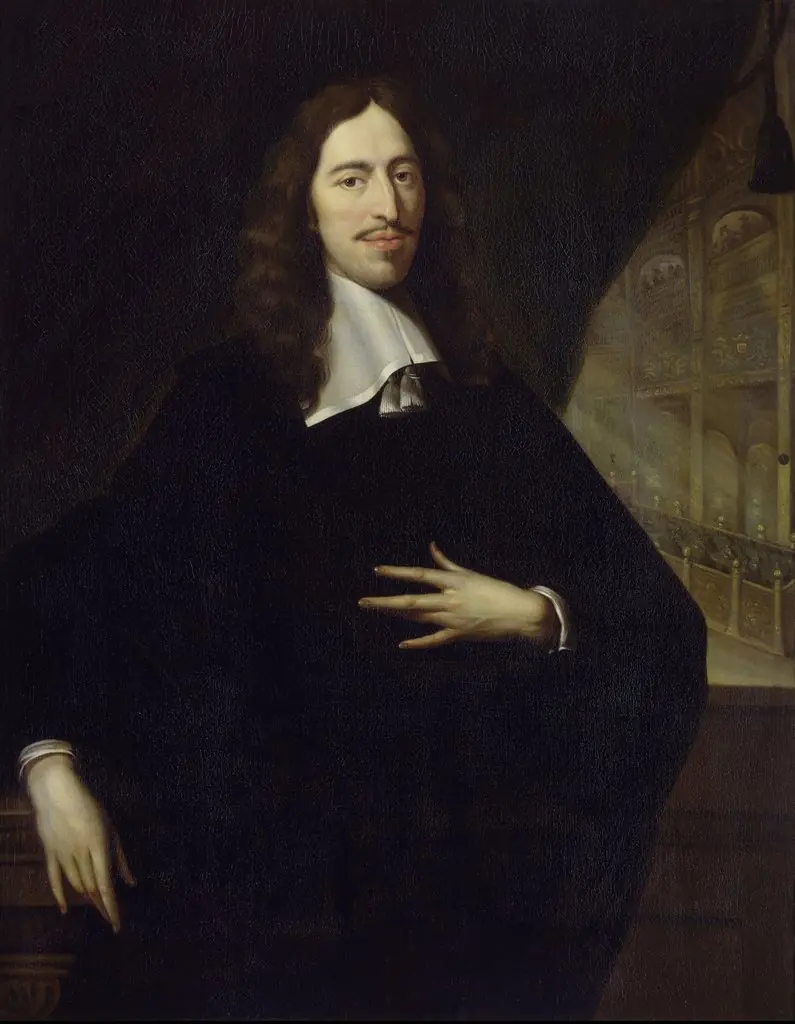 Portrait of Johan de Witt (1625-72), Grand Pensionary of Holland
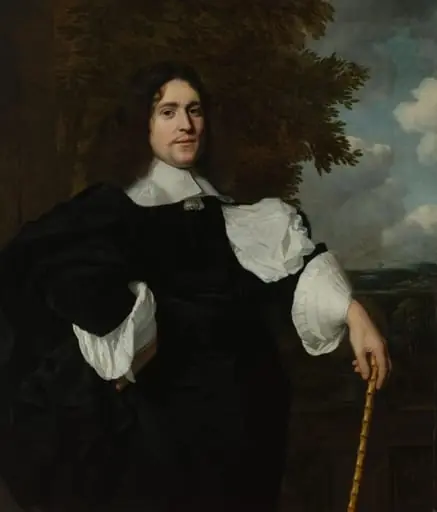 Jacobus Trip (1627-70), Armaments Dealer of Amsterdam and Dordrecht
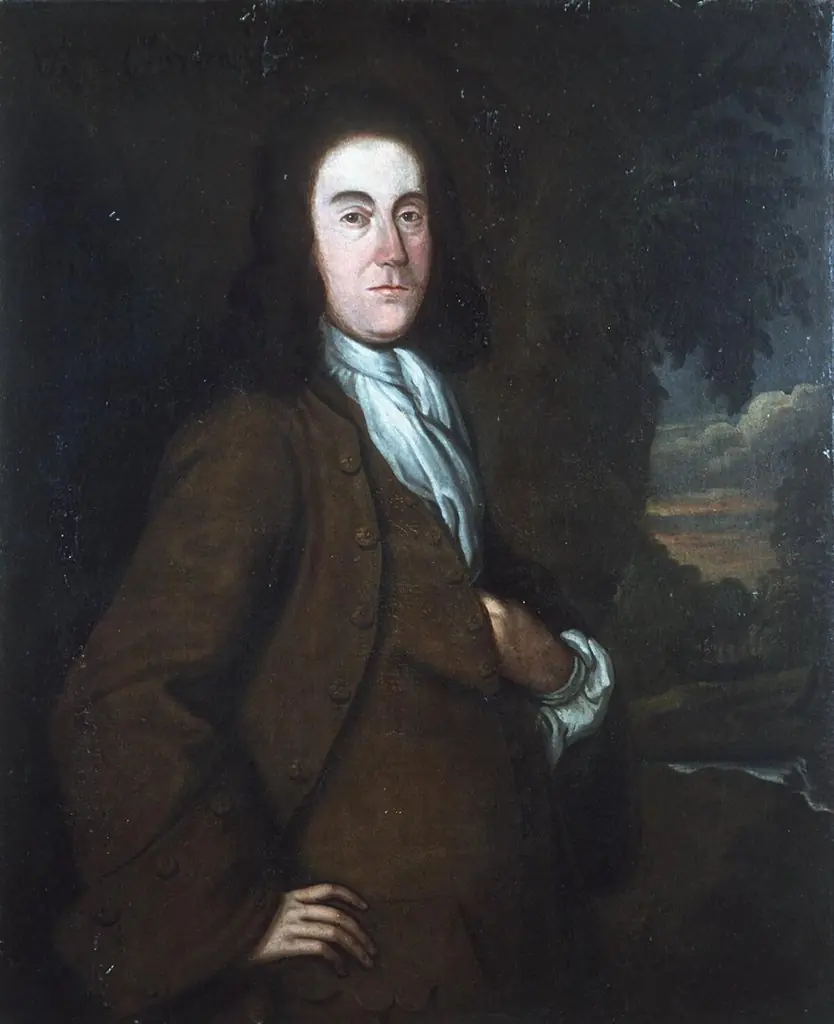 Vincent Corbet of Ynysmaengwyn 1651-1713
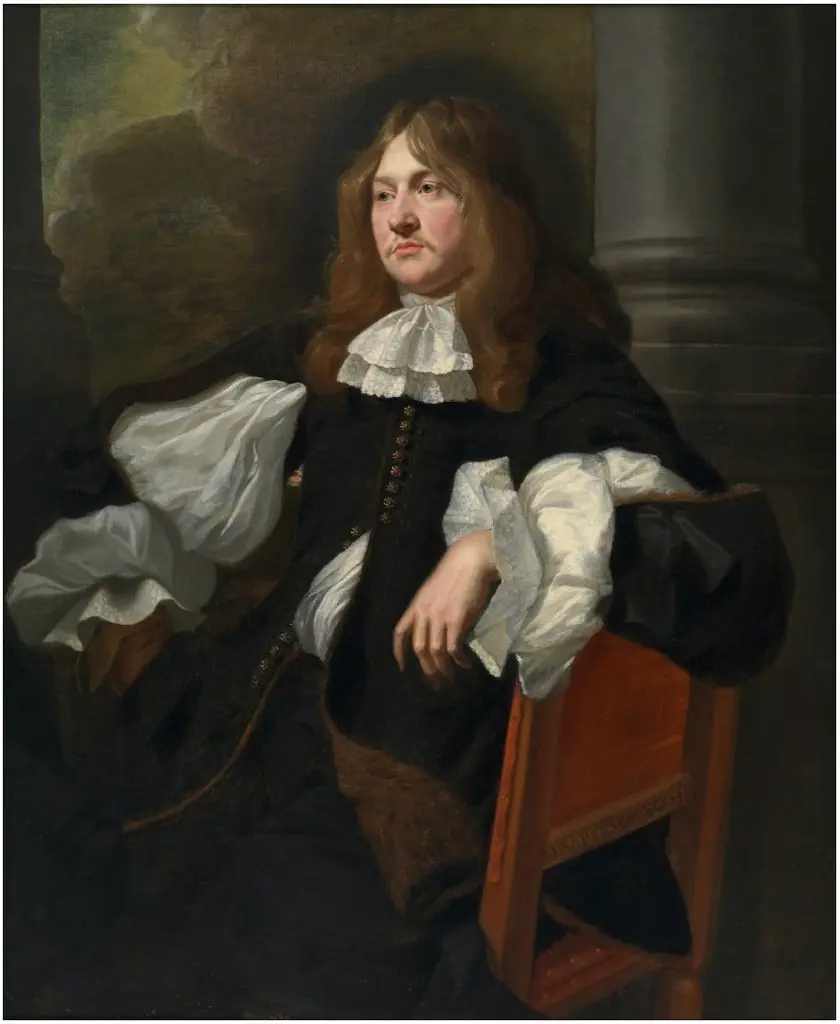 Portrait of Edward Hyde
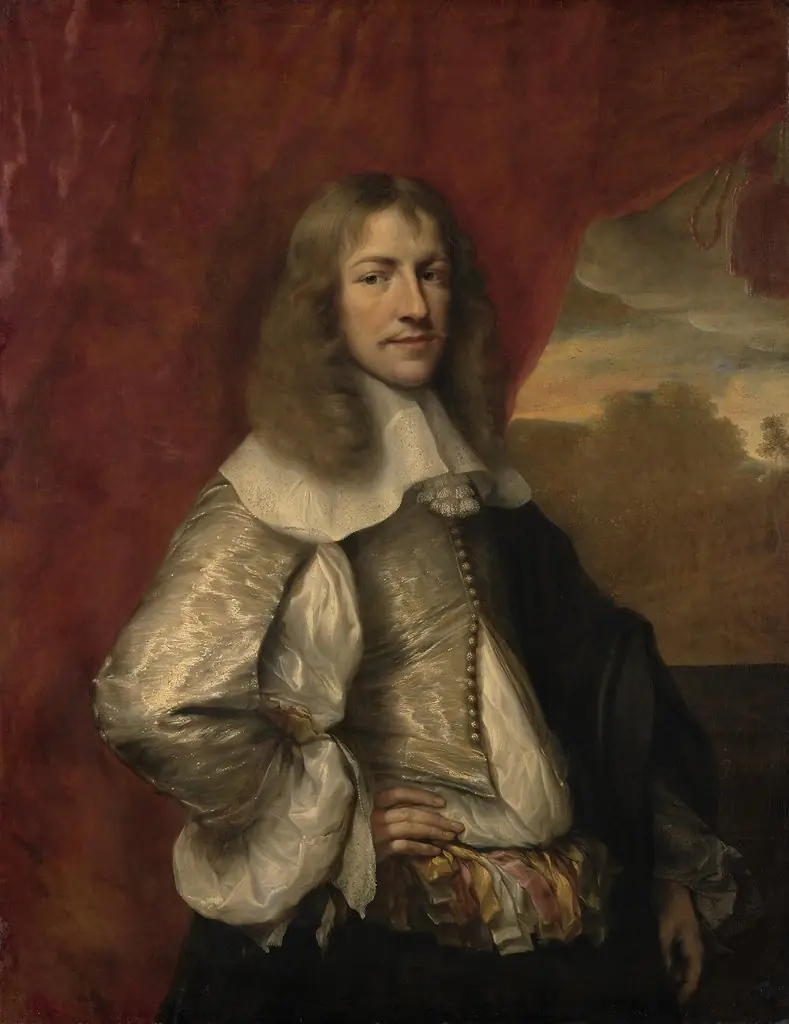 Portrait of Mr. Jan Bernd Schaep (1633-1666)
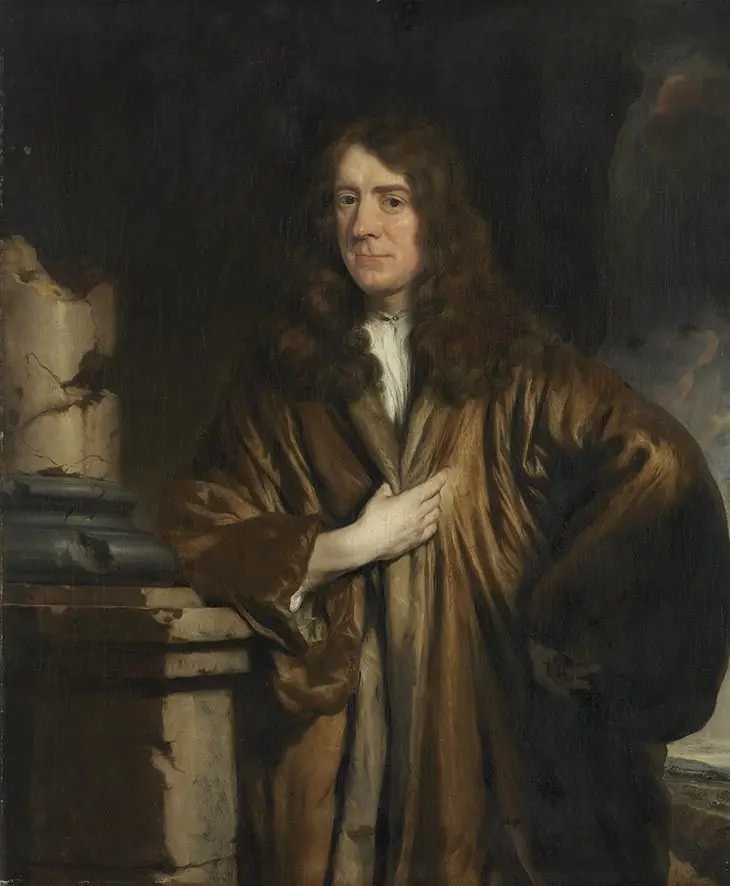 Portrait of a 42-year-old man
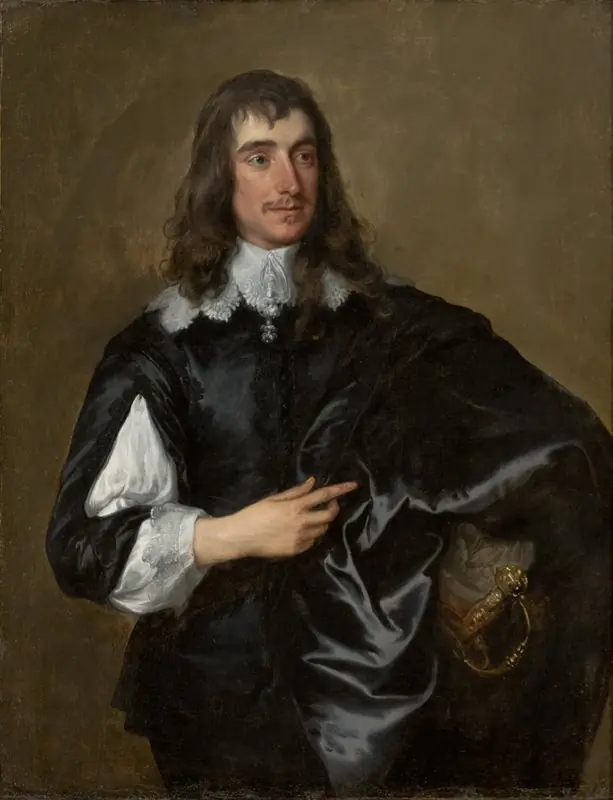 Portrait of a man, possibly William Howard, Viscount of Stafford
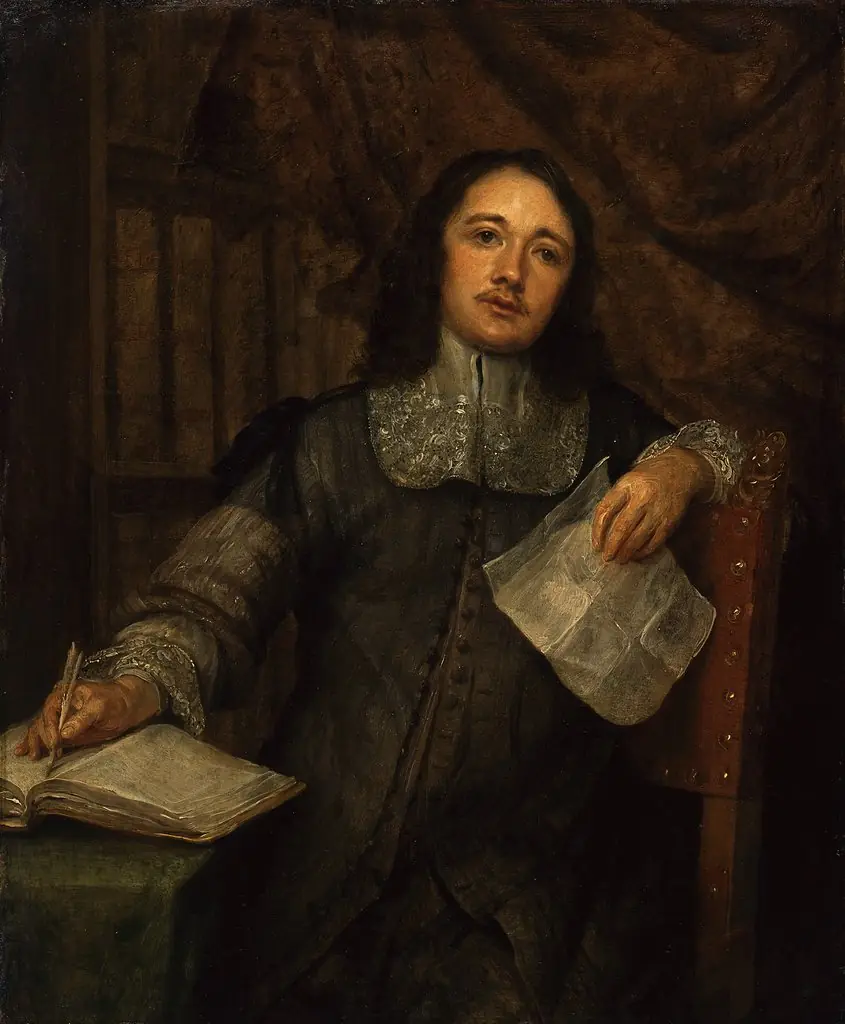 Portrait of Cornelis de Bie (1627-?)
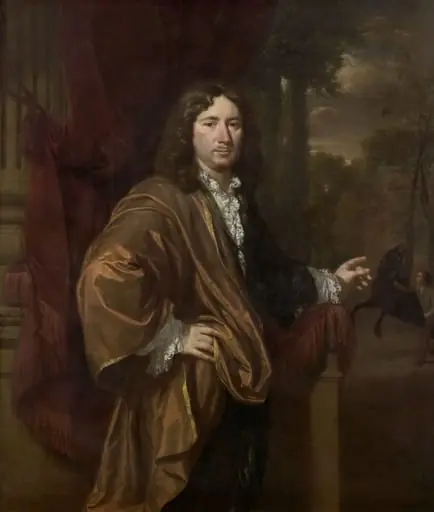 Portrait of a Man
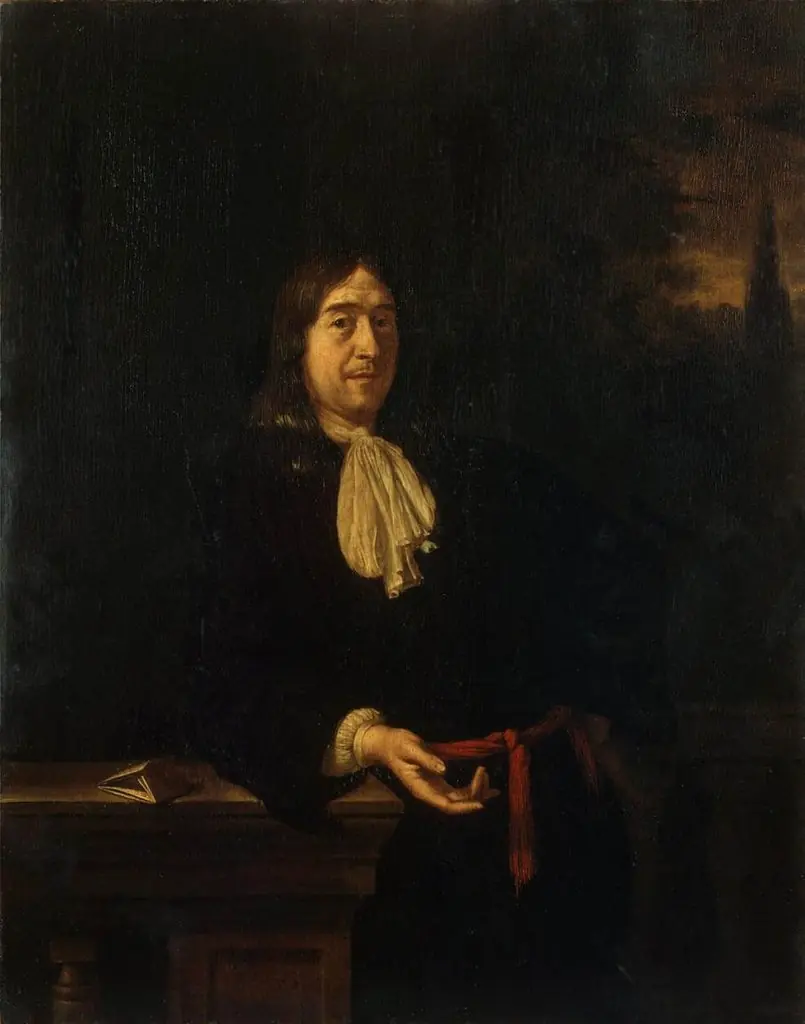 Portrait of a Young Man
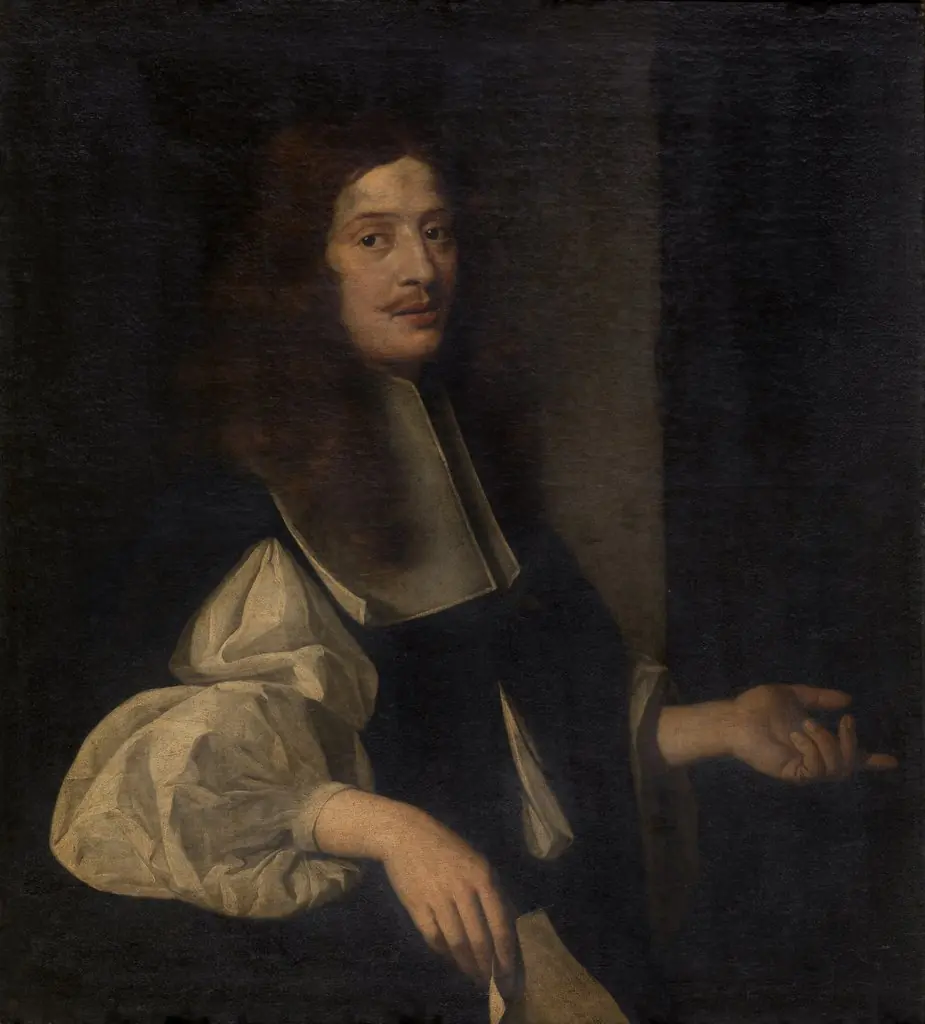 Portrait of a Man
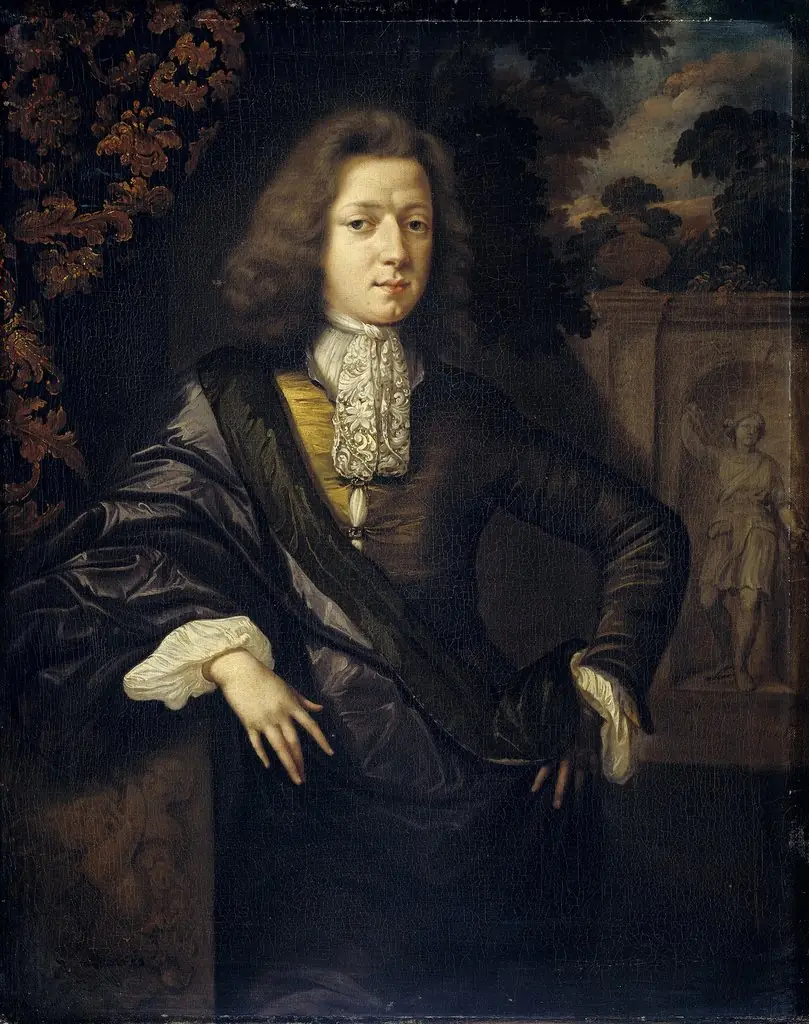 Portrait of Johan van Bochoven (1624-93), Public prosecutor and councillor at the court of Flanders