Artwork
Portrait of a Lady
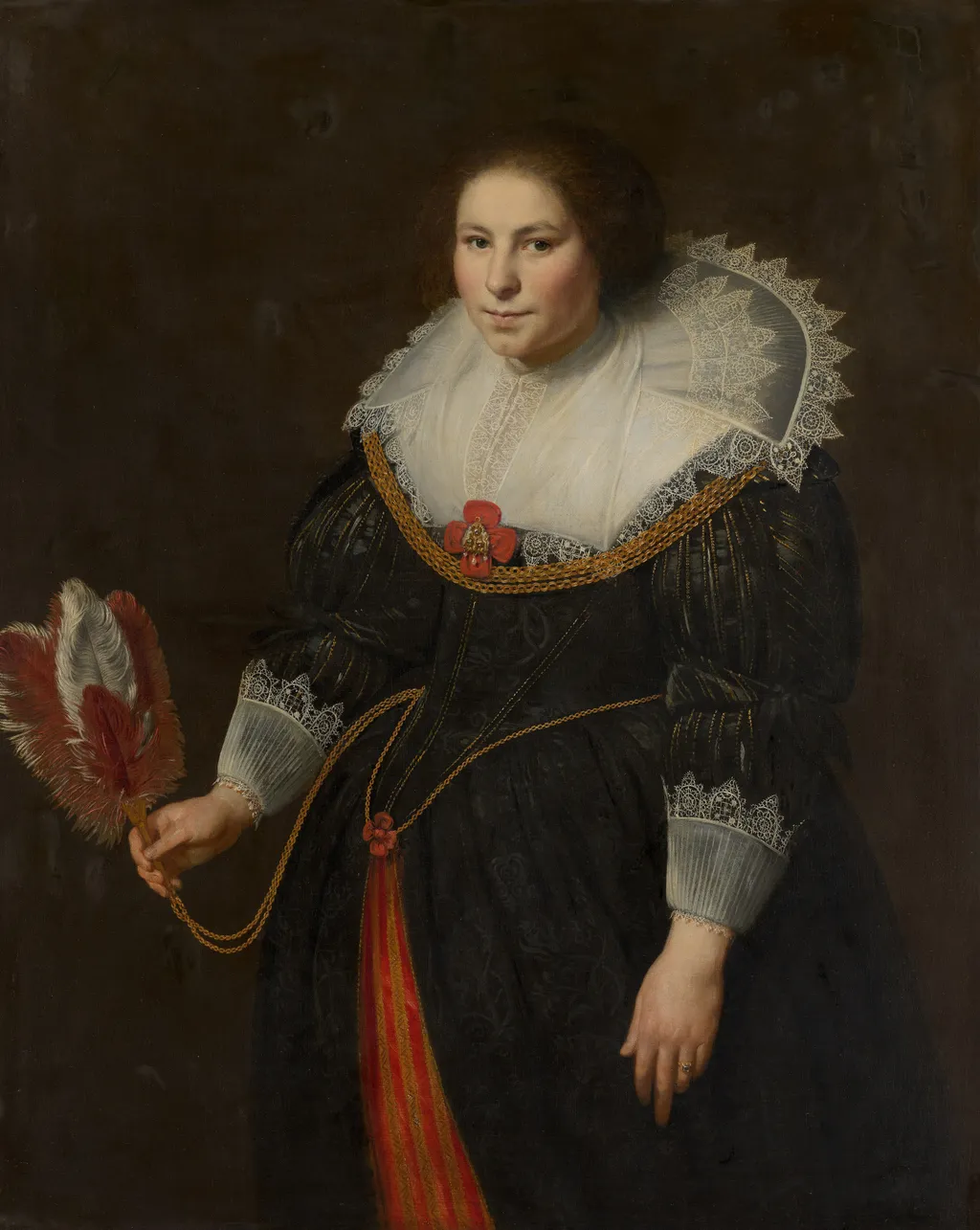
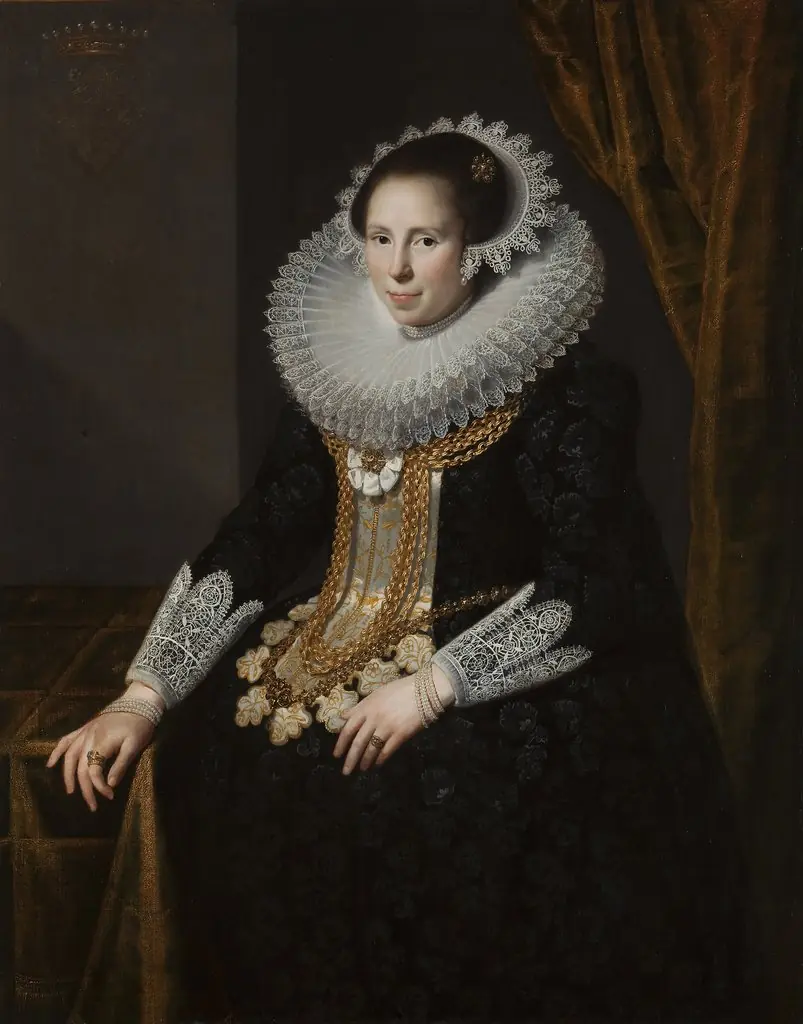
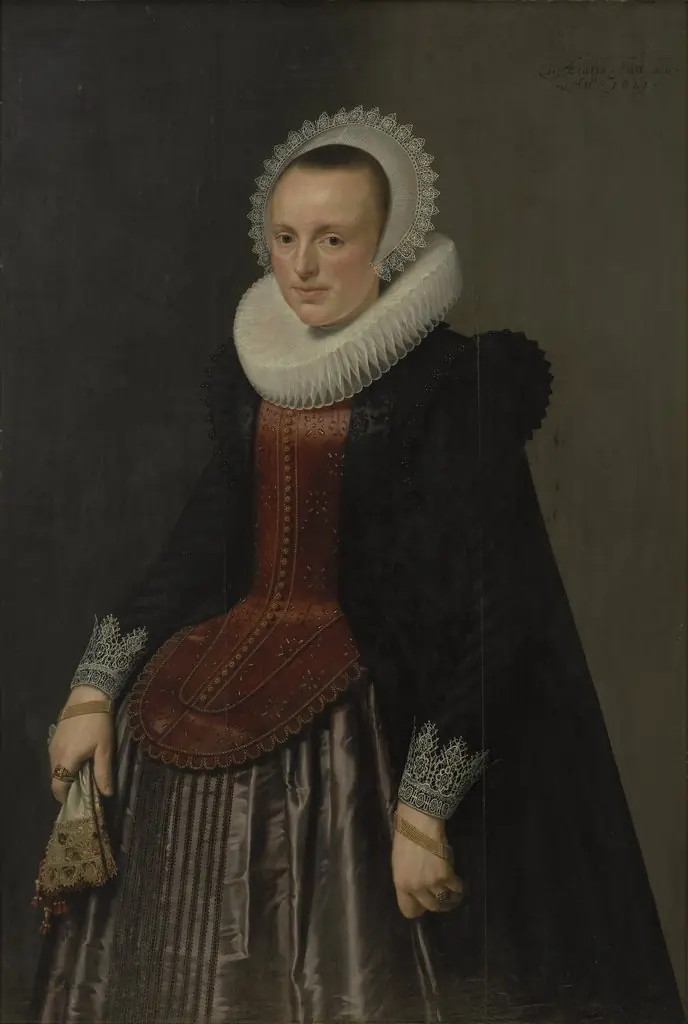
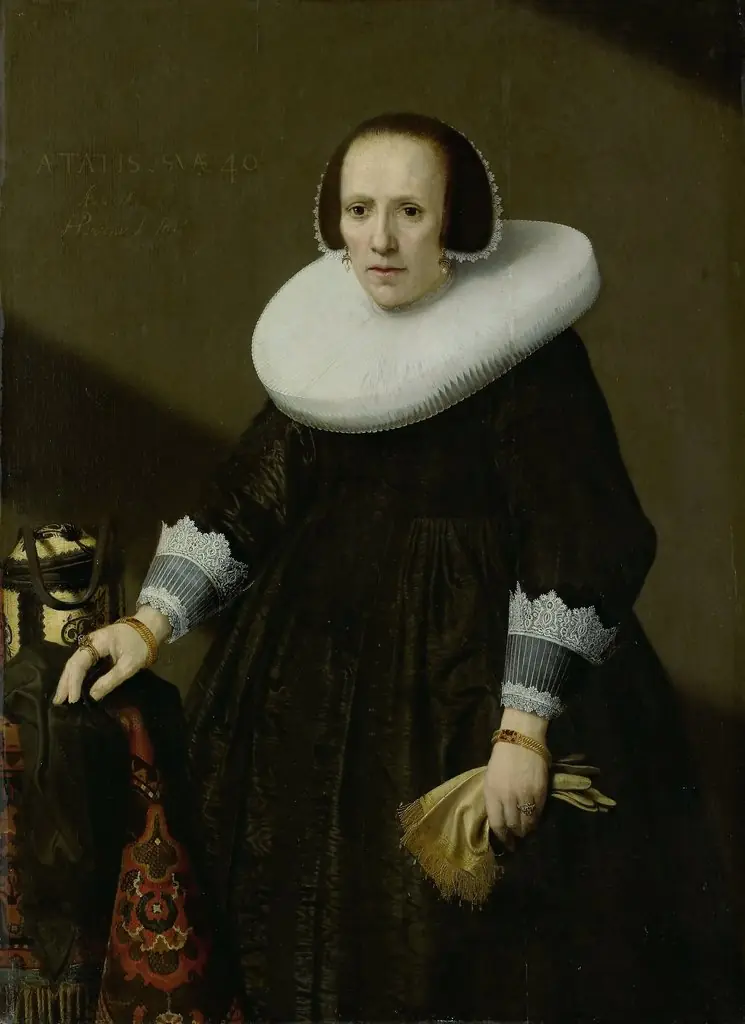
Portrait of a Lady is an oil painting by the Dutch Golden Age artist Paulus Moreelse. It dates from 1627 and is held in the collection of the Mauritshuis.
About this work
Overview
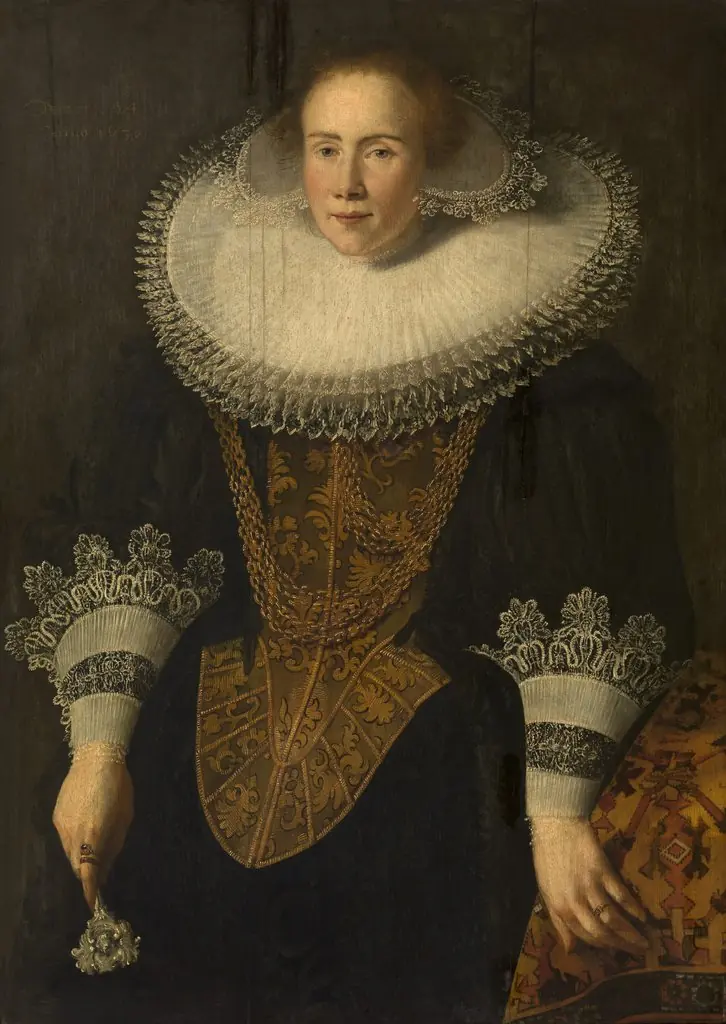
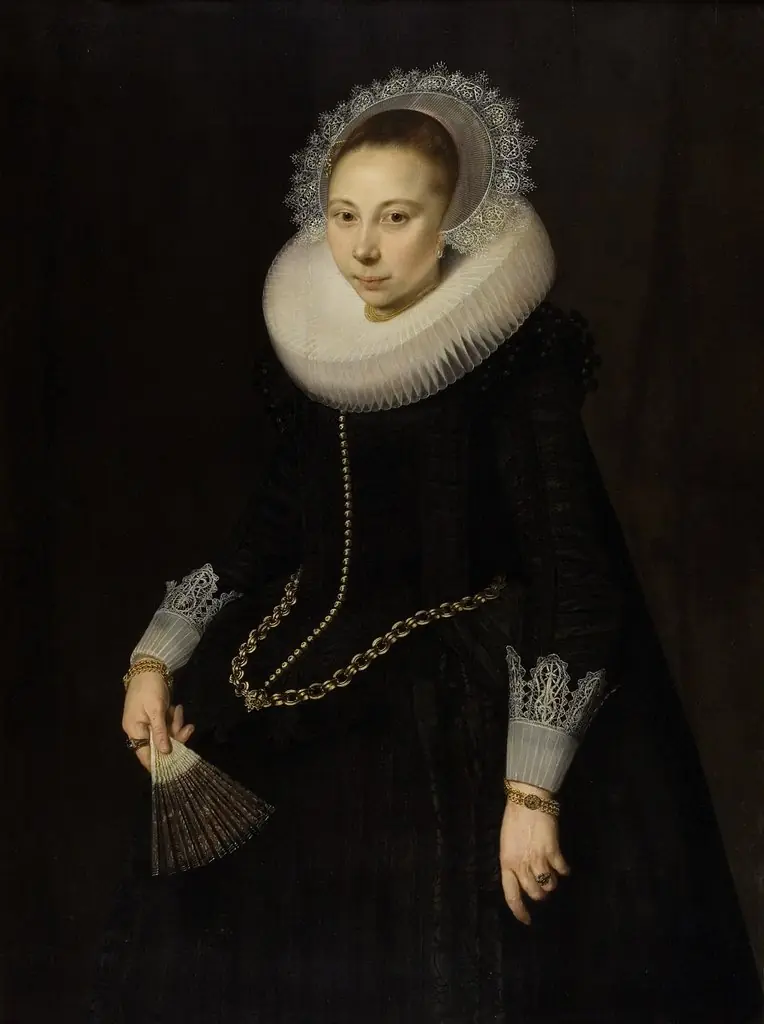
Painted in 1627 by Paulus Moreelse, this oil portrait presents an unnamed woman in formal attire. Executed with quiet precision, the work belongs to the collection of the Mauritshuis in The Hague. Its restrained composition and muted palette reflect the Dutch Golden Age’s preference for dignified, introspective portraiture over theatrical display.
Subject & Meaning
The sitter’s identity remains unknown, but her attire and accessories suggest affluence and social standing. The red flower at her waist may symbolize vitality or marital status, while the feathered fan implies refinement. Her direct gaze, neither warm nor cold, resists easy interpretation, inviting contemplation rather than narrative.
Technique & Style
Moreelse employs fine brushwork to render textures: the crisp lace, the soft sheen of silk, and the delicate sheen of the gold chain. The dark background isolates the figure, enhancing focus on her form and accessories. Subtle modeling of light defines her features without dramatic contrast, aligning with Northern European traditions of restrained realism.
History & Provenance
The painting entered the Mauritshuis collection in the 19th century, though its earlier ownership is undocumented. It has remained in public hands since its acquisition, with no record of significant restoration. Its consistent display suggests enduring recognition within the museum’s holdings of Dutch portraiture.
Context
Created during the height of Dutch civic portraiture, the work reflects a cultural shift toward individual representation among the urban elite. Unlike grand court portraits, this image emphasizes modesty and personal dignity. Moreelse, active in Utrecht, was known for his sensitive depictions of middle- and upper-class subjects in intimate settings.
Legacy
Though not widely reproduced, the portrait exemplifies Moreelse’s skill in capturing psychological nuance within a formal framework. It contributes to scholarly understanding of how Dutch artists conveyed status and identity without overt symbolism. The work continues to be studied for its quiet elegance and technical restraint.
Own this work as a print
Artist & collection

 Portrait of a Woman
 Portrait of Maria Overrijn van Schoterbosch (1599/1600-1638)
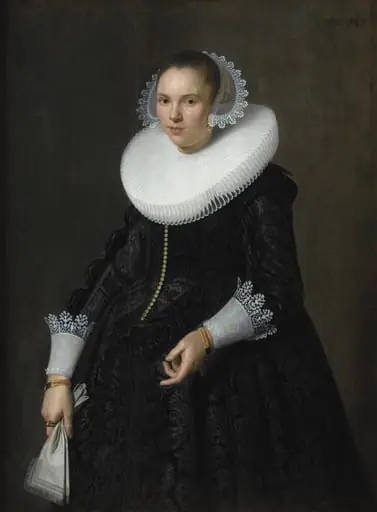 Portrait of a Lady
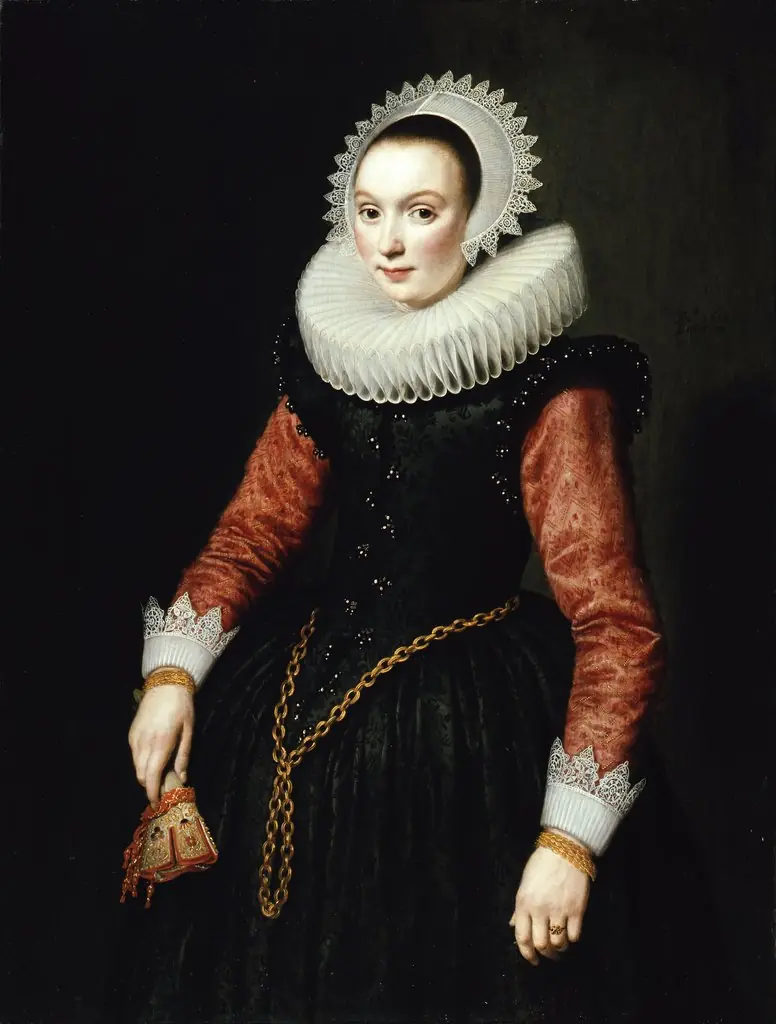 Portrait of a Lady
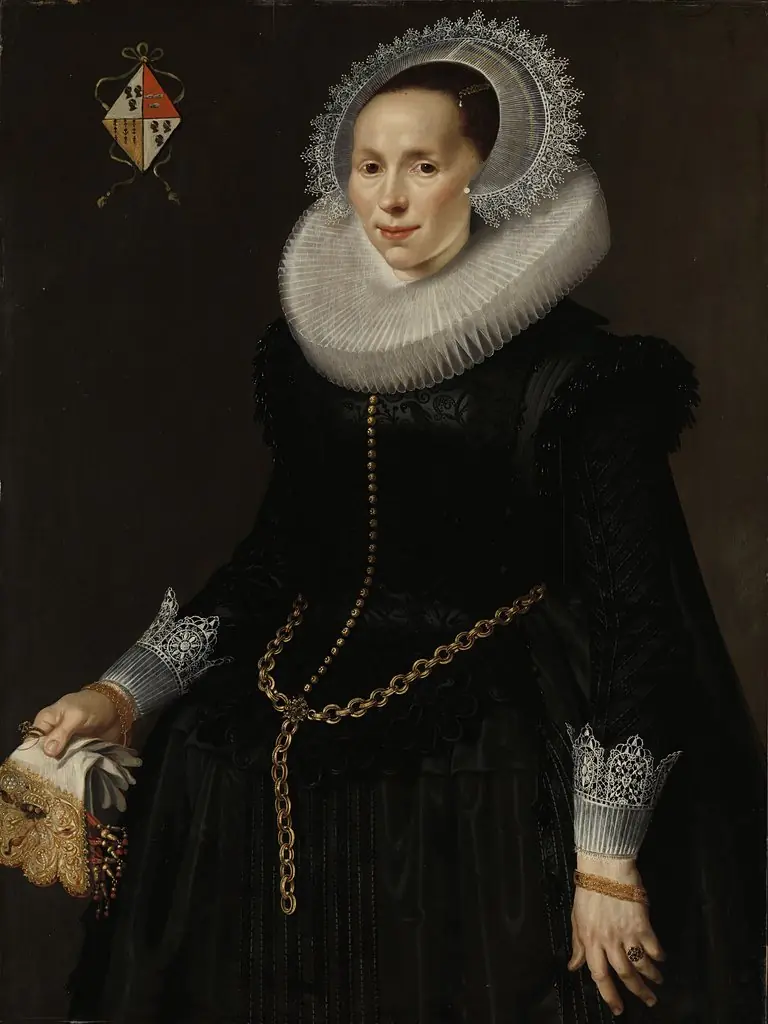 Portrait of Johanna Le Maire (c. 1601-60)
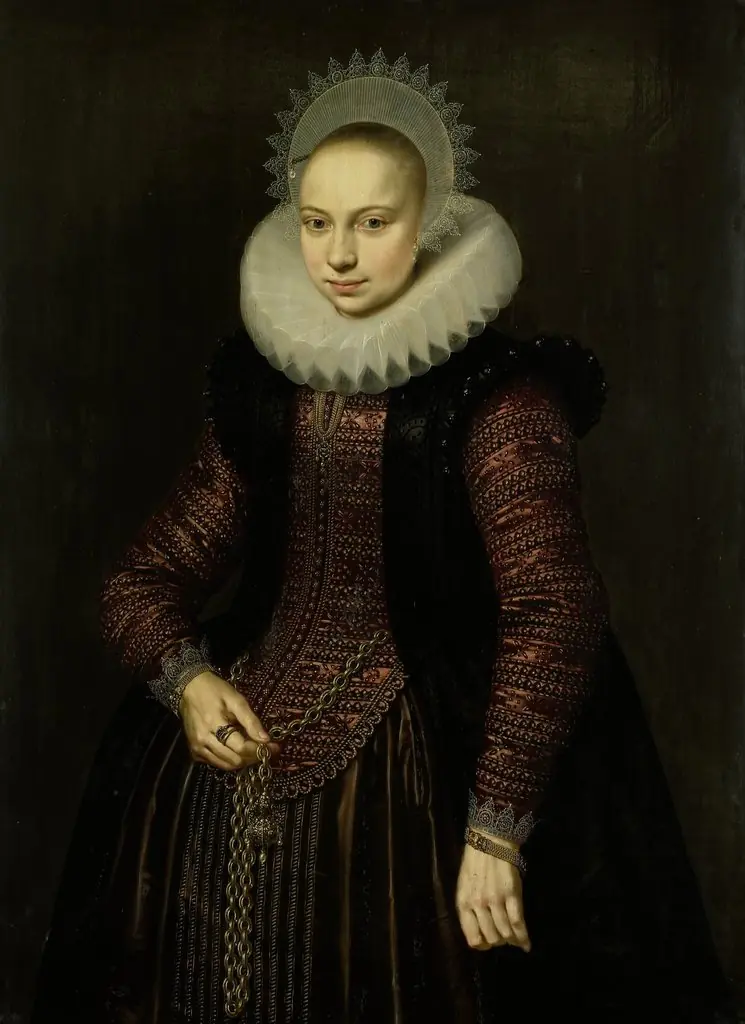 Portrait of Brechtje Overrijn van Schoterbosch (1592-1618)
 Portrait of a Lady
 Untitled
 Portrait of a Lady
 Portrait of Aletta Hanemans (1606–1653)
 Portrait of Geertruyd Reael (1600-52)
 Portrait of Elisabeth Pietersdr Kessels (1640-1717)