Artwork
Compoziție
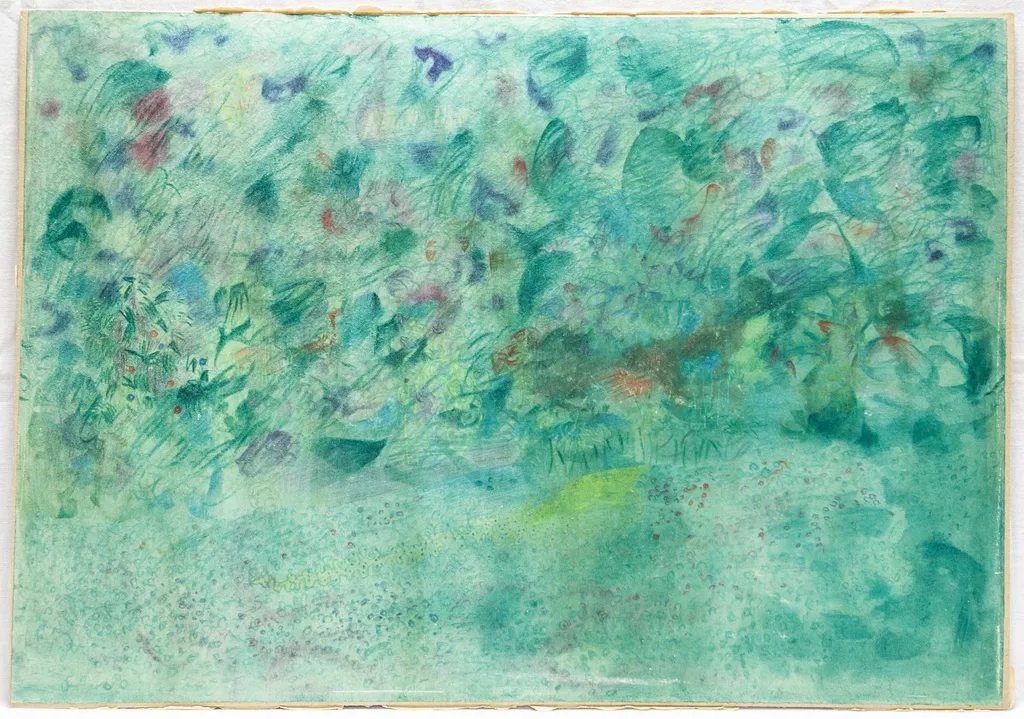
Compoziție is an unspecified painting by Ilie Pavel. It dates from 1950 and is held in the collection of the Gavrila Simion Eco-Museum Research Institute Tulcea.
About this work
Overview
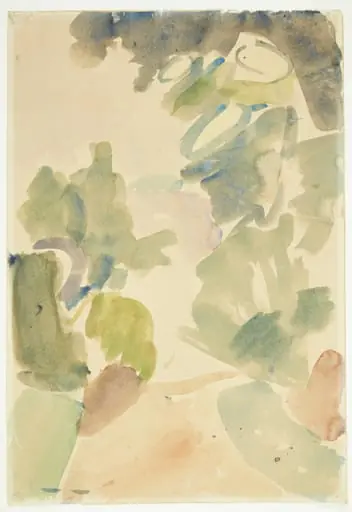
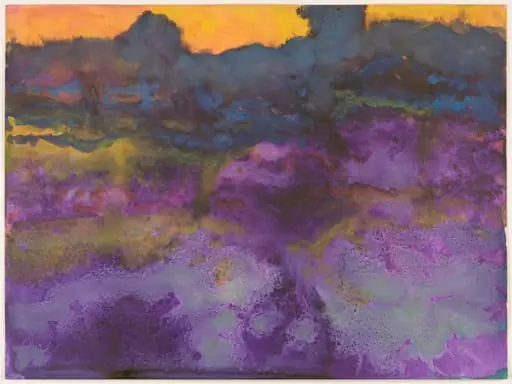
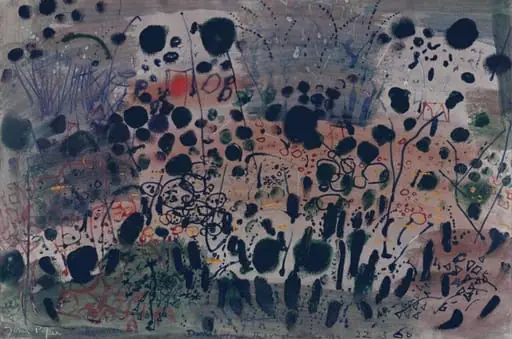
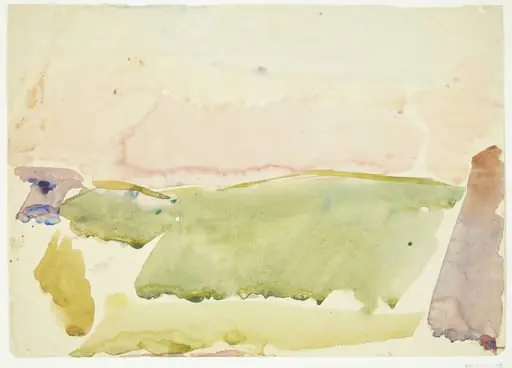
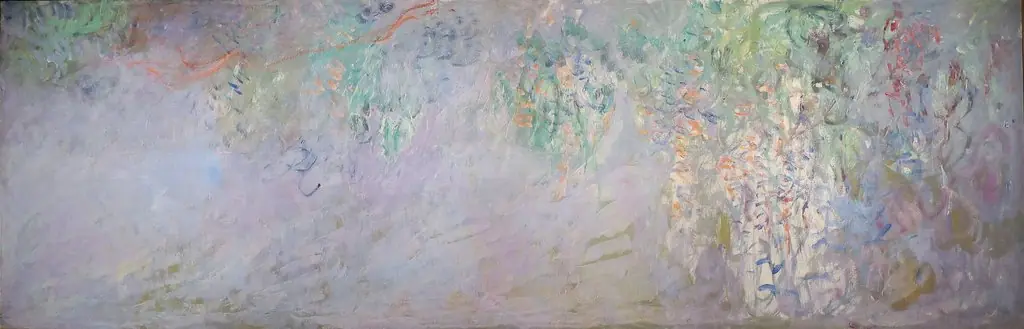
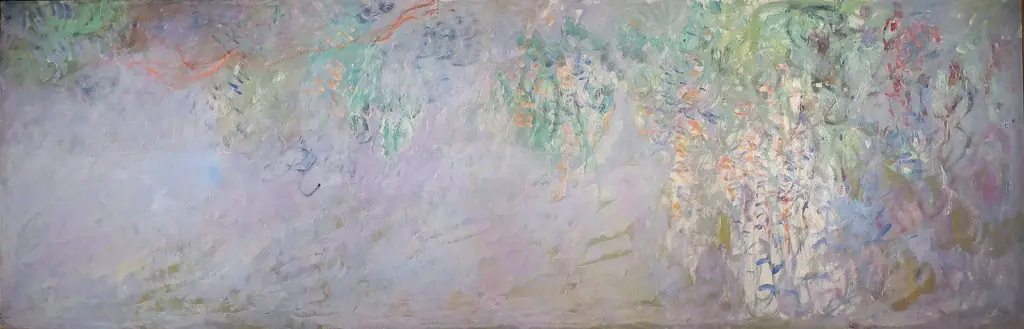
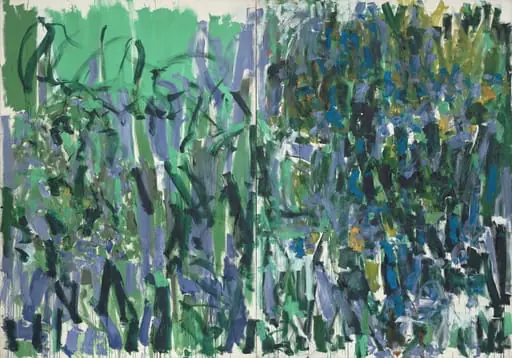
Created around 1950 by Romanian artist Ilie Pavel, this abstract painting is part of the Museum of Ethnography’s collection. The work resists figurative representation, instead prioritizing gestural marks and material texture. Its non-representational form aligns with mid-century explorations in abstract expressionism, though rooted in a distinct regional artistic context.
Subject & Meaning
No identifiable subject is present; the painting does not depict people, objects, or landscapes. Its meaning emerges through the interplay of color and texture rather than narrative. The arrangement of hues and brushwork suggests emotional or rhythmic composition, inviting contemplation of form and gesture over symbolic content.
Technique & Style
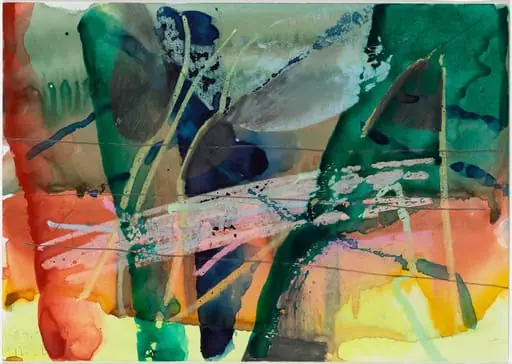
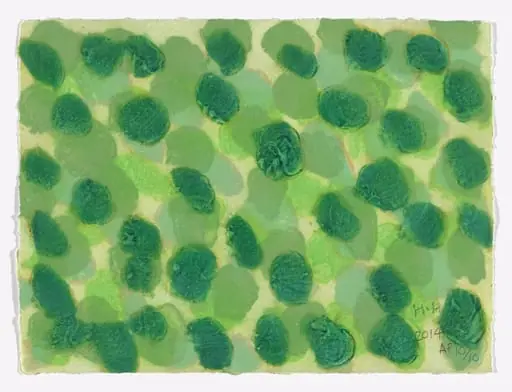
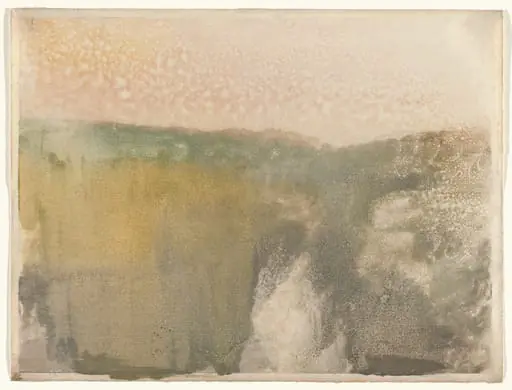
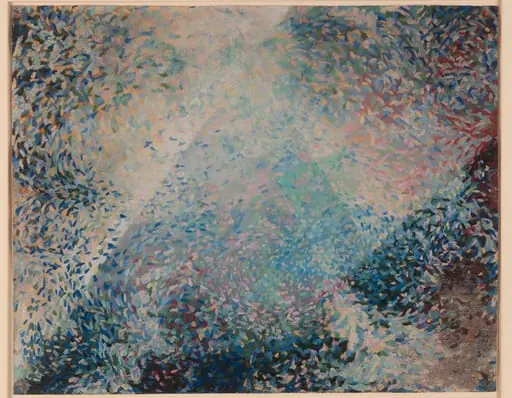
Thickly applied paint creates a tactile surface, with areas of smooth pigment contrasted by raised, impasto ridges. Greens and blues dominate, punctuated by sporadic reds, purples, and yellows. The brushwork varies from broad sweeps to dense, layered strokes, emphasizing the physical act of painting and the materiality of the medium.
History & Provenance
The work entered the Museum of Ethnography’s holdings shortly after its creation, likely through direct acquisition or donation by the artist. Its presence in an ethnographic institution, rather than a fine arts museum, suggests an interest in its cultural or regional significance within postwar Romanian art practices.
Context
Produced during a period of state-enforced socialist realism in Romania, Pavel’s abstract approach diverged from official artistic norms. While many artists conformed to prescribed themes, Pavel’s work reflects a quieter resistance, aligning with underground or non-conformist tendencies in Eastern European art of the era.
Legacy
Though not widely exhibited beyond regional circles, the painting remains a notable example of Romanian abstract experimentation in the early Cold War period. It contributes to a growing recognition of artists who pursued formal innovation despite political constraints, influencing later generations interested in non-official art histories.
Artist & collection
Artist
Museum
Gavrila Simion Eco-Museum Research Institute Tulcea
Continue through works from the same source collection.