Artwork
Από την ενότητα "Εγκαταστάσεις και άλλες ανθρώπινες χειρονομίες"
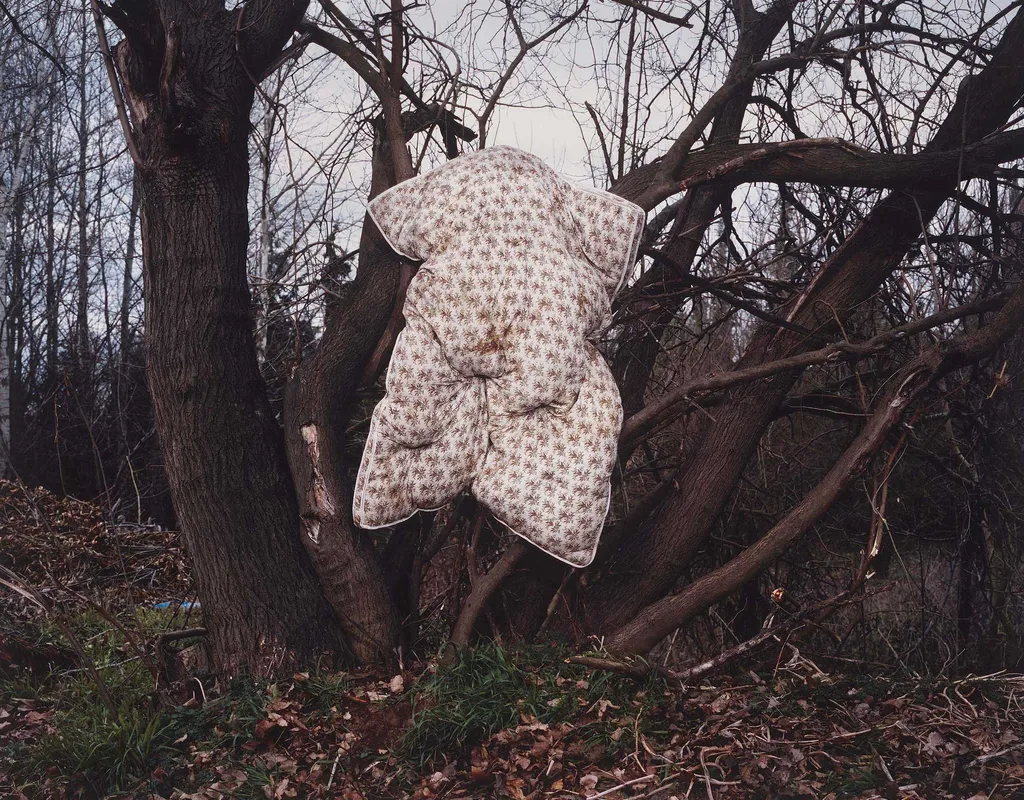
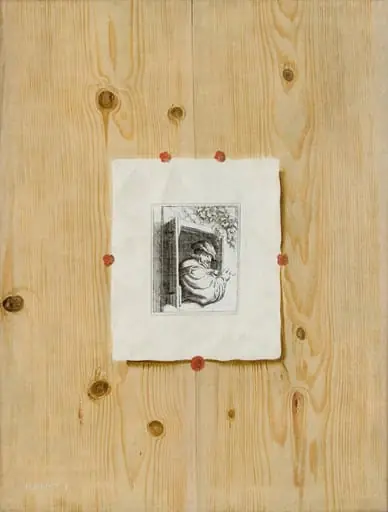
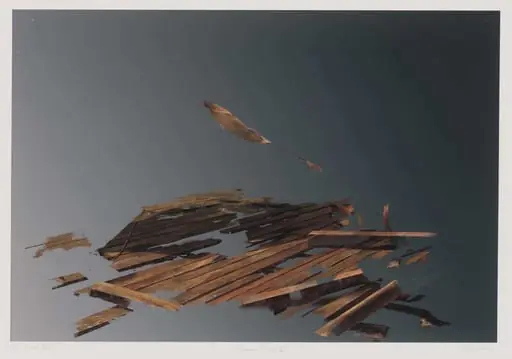
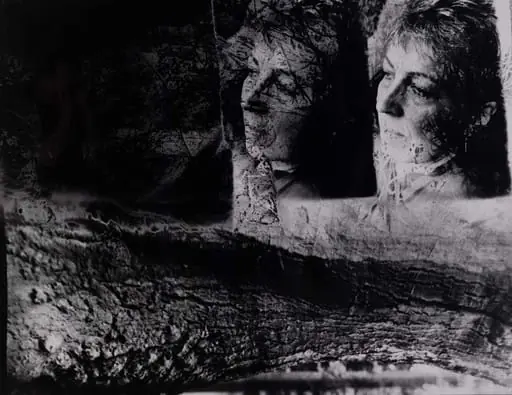
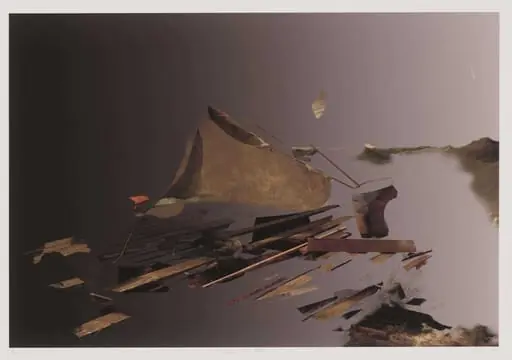
Από την ενότητα "Εγκαταστάσεις και άλλες ανθρώπινες χειρονομίες" is a photography by Kosmas Pavlidis. It is held in the collection of the Metropolitan Organisation of Museums of Visual Arts of Thessaloniki – MOMus.
About this work
Overview
The images do not depict grand events but instead focus on subtle, quiet interventions that suggest human presence through arrangement rather than action.
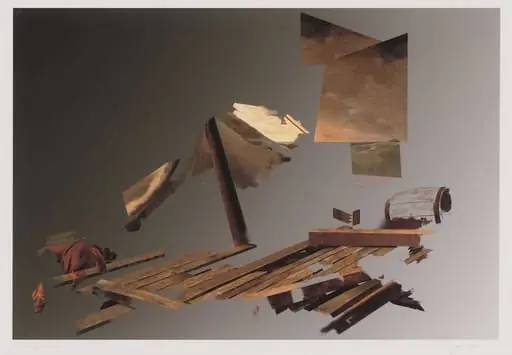
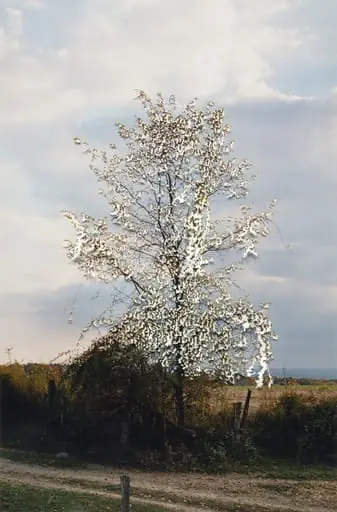
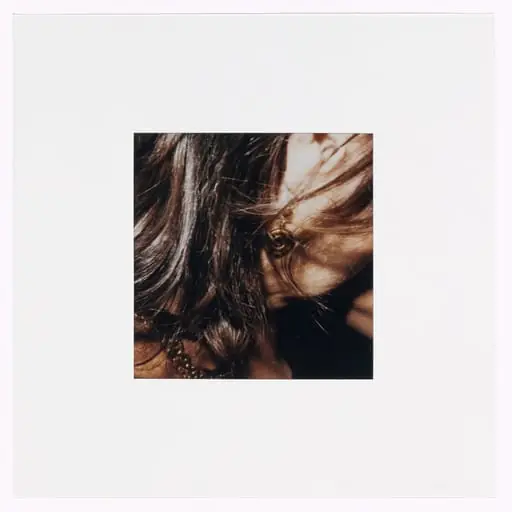
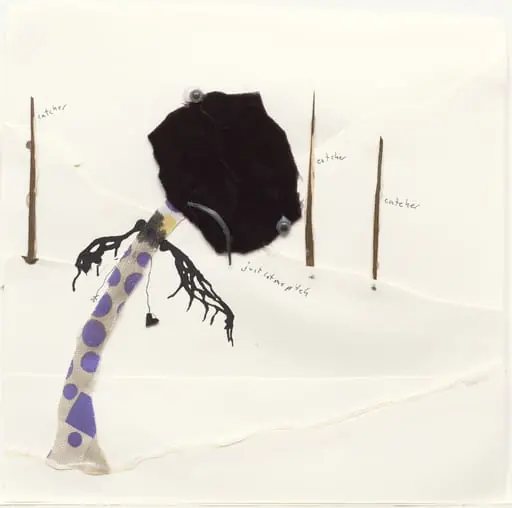
This photographic series, part of the section 'Installations and other human gestures,' captures everyday objects placed in unfamiliar contexts within natural and urban landscapes. The images do not depict grand events but instead focus on subtle, quiet interventions that suggest human presence through arrangement rather than action. Each photograph functions as a quiet narrative, inviting reflection on how ordinary items acquire new meaning when removed from their usual settings.
Subject & Meaning
The subject centers on domestic and utilitarian objects—furniture, tools, textiles—repositioned within environments where they do not typically belong. These placements evoke memory and longing, connecting personal history with broader spatial experiences. The scenes are neither purely symbolic nor strictly documentary; they exist in between, suggesting how human needs shape environments over time, while leaving open interpretations of past use and possible future adaptations.
Technique & Style
The photographs employ a restrained, observational style, emphasizing composition and lighting to highlight the tension between object and setting. There is no dramatic staging; instead, the images rely on subtle contrasts in texture, scale, and form. The framing often integrates natural elements—trees, shadows, stone—with man-made items, creating visual harmony that underscores the quiet interplay between the built and the organic.
History & Provenance
This series emerged from a broader artistic movement in the late 20th century that questioned traditional boundaries between art and life. It draws from conceptual and installation practices that prioritize context over objecthood. While the exact origin of these images is not documented, their aesthetic aligns with photographic works from European and North American artists exploring domesticity and spatial displacement during the 1980s and 1990s.
Context
The work reflects a post-industrial sensibility, where the remnants of daily life become markers of absence and continuity. It resonates with urban studies and architectural anthropology, examining how people adapt spaces to meet intimate needs. Unlike monumental public art, these interventions are temporary, unannounced, and often unnoticed—yet they reveal persistent human patterns of occupation and care.
Legacy
The series contributes to an ongoing dialogue about the poetics of everyday space, influencing later photographic and installation practices that treat the environment as a canvas for subtle human expression. Its legacy lies not in spectacle but in its quiet persistence—offering a model for observing how presence is inferred through arrangement, not assertion.
Artist & collection
Artist
Museum
Metropolitan Organisation of Museums of Visual Arts of Thessaloniki – MOMus
Continue through works from the same source collection.