Artwork
Sebastiano Ricci
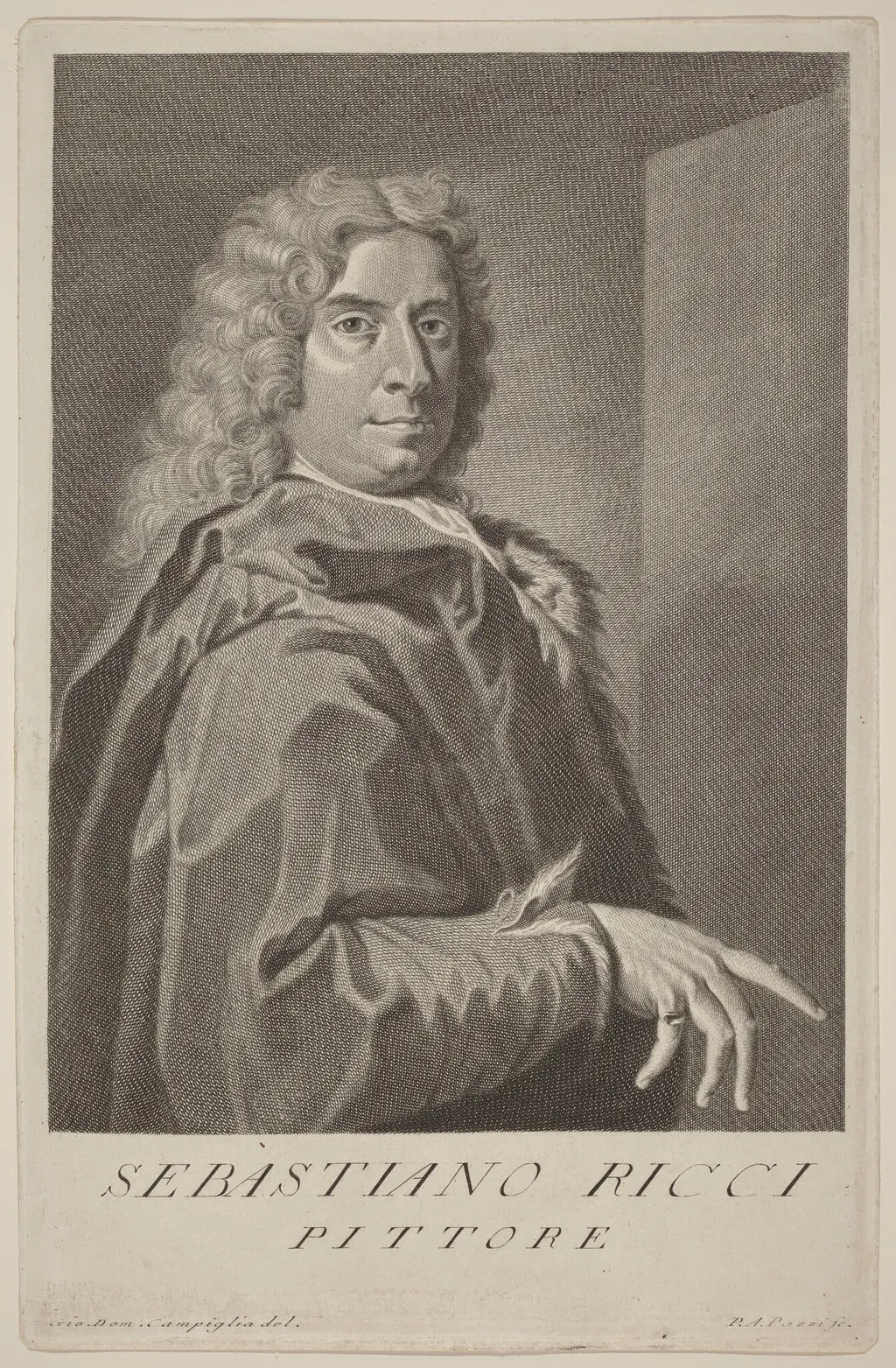
Sebastiano Ricci is an ink print by the Baroque artist Pier Antonio Pazzi. It dates from 1736 and is held in the collection of the National Gallery of Art.
About this work
Overview
This black-and-white print is an engraving by Pier Antonio Pazzi, made in 1736. It depicts the Italian painter Sebastiano Ricci, rendered in fine linear detail on laid paper. Unlike a painting, the image was produced by incising lines into a metal plate, then inking and pressing it onto paper. The composition is restrained, emphasizing the subject’s likeness without decorative elements.
Subject & Meaning
The portrait captures Sebastiano Ricci, a prominent Venetian painter of the early 18th century, in a composed, introspective pose.
The portrait captures Sebastiano Ricci, a prominent Venetian painter of the early 18th century, in a composed, introspective pose. His right hand rests gently on his chest, suggesting contemplation or quiet dignity. The inscription identifies him as 'Pittore,' affirming his professional identity. The absence of symbols or context directs attention to his character and status as an artist, not a noble or religious figure.
Technique & Style
Pazzi employed the engraving technique, using a burin to carve precise lines into a copper plate. The texture of Ricci’s curly white hair and the folds of his ruffled collar are rendered with delicate, controlled strokes. The plain background isolates the figure, enhancing clarity. The monochrome palette and fine detail reflect the printmaking conventions of the period, prioritizing accuracy over dramatic effect.
History & Provenance
Created in 1736, the engraving likely served to disseminate Ricci’s image among artists and patrons, a common practice for honoring established figures. Pazzi, a Florentine engraver, was known for reproducing portraits of cultural figures. While the print’s early ownership is undocumented, its survival suggests it was valued within artistic circles as a record of Ricci’s presence in the visual culture of his time.
Context
In early 18th-century Italy, engraved portraits were vital for circulating likenesses before photography. Ricci, celebrated for his decorative style and frescoes, was part of a generation bridging Baroque grandeur and emerging Rococo elegance. Pazzi’s portrait aligns with a trend of honoring artists through print, reinforcing their legacy beyond their paintings and into the broader intellectual sphere.
Legacy
The engraving remains a primary visual record of Sebastiano Ricci’s appearance, used in later biographies and scholarly works. It exemplifies how printmaking preserved the identities of artists in an era when photographic reproduction did not exist. Though not widely exhibited today, it continues to inform historical understanding of Ricci’s persona and the role of portraiture in artistic commemoration.
Artist & collection


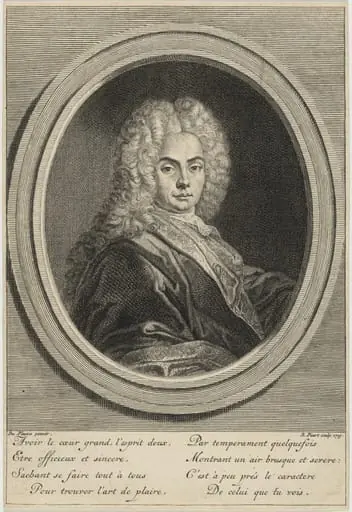 Anonymous
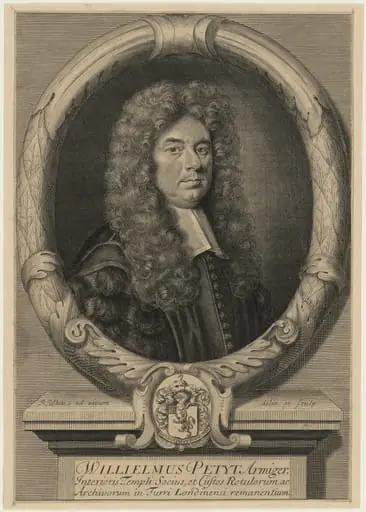 William Petyt, Keeper of the Records in the Tower
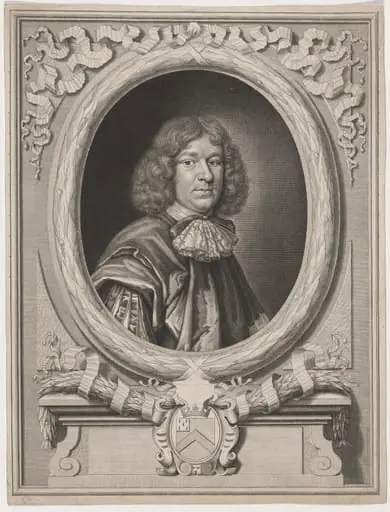 Robert Stafford of Bradfield, Berks
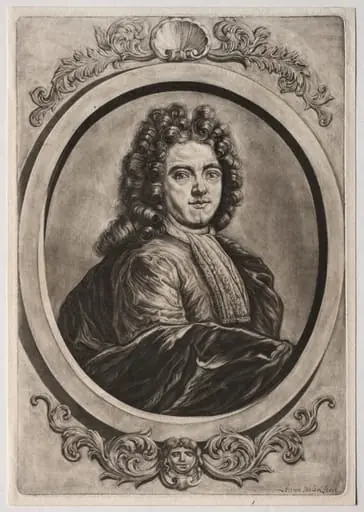 Self-Portrait
![Portrait of J. Basnage, [Walloon minister and historian], by Pieter van, Gunst](https://artifactworldgallery.com/img/pieter-van-gunst--portrait-of-j-basnage-walloon-minister-and-historian--be59663770daddd2-w320.webp) Portrait of J. Basnage, [Walloon minister and historian]
Portrait of J. Basnage, [Walloon minister and historian]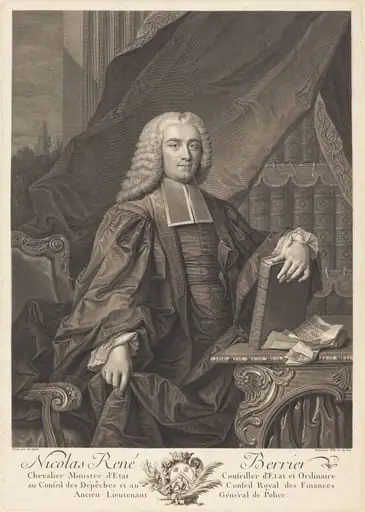 Nicolas Rene Berryer
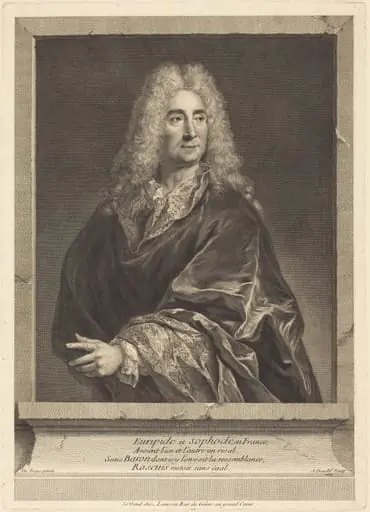 Michel Baron
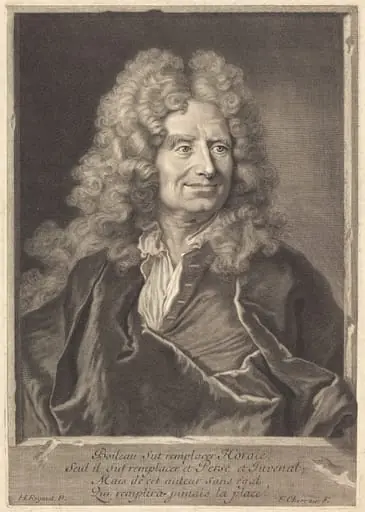 Nicholas Boileau
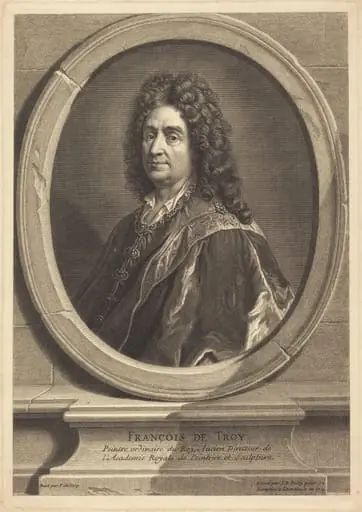 Francois de Troy
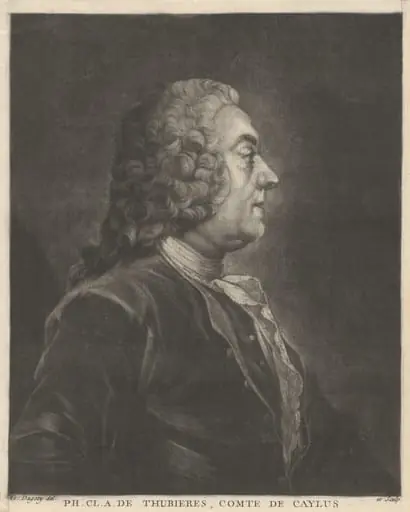 Ph. Cl. A. de Thubières, Comte de Caylus
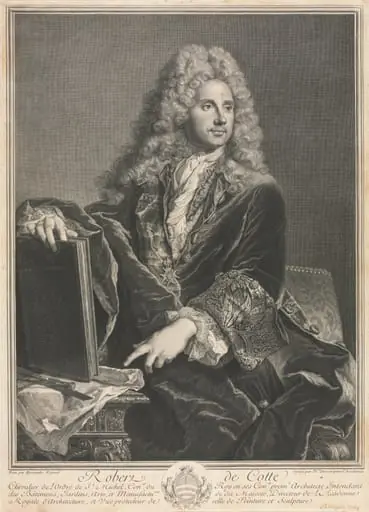 Portrait of Robert de Cotte
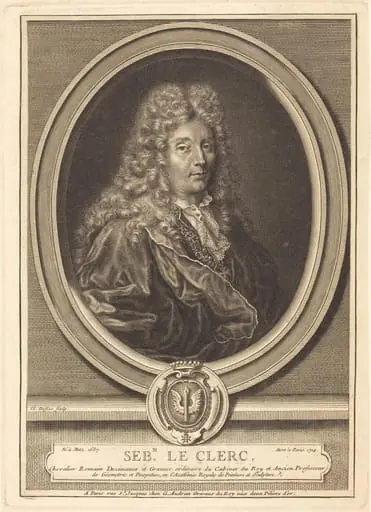 Sebastian Le Clerc