Artwork
Anonymous
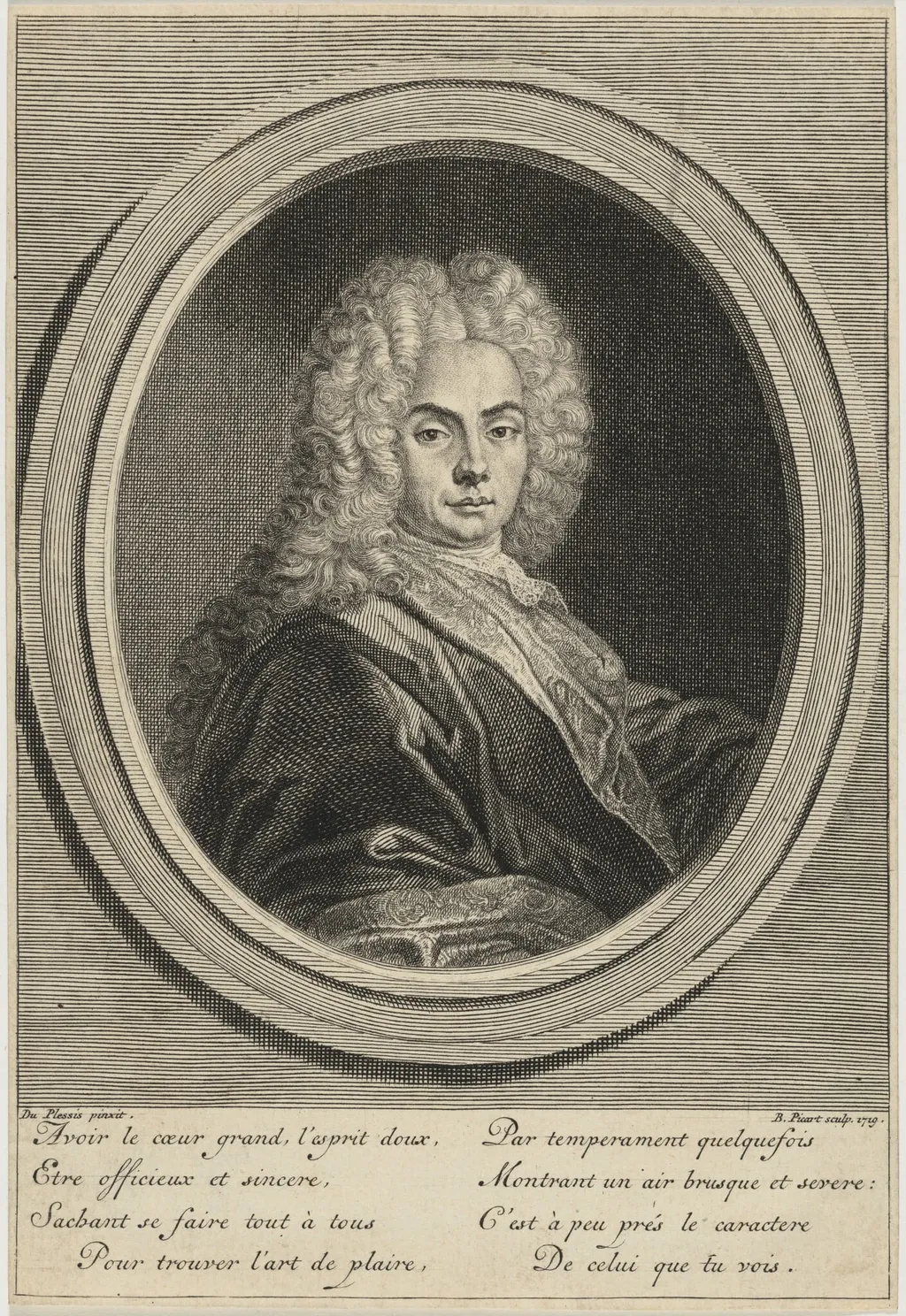
Anonymous is an ink print by the Baroque artist Bernard Picart. It dates from 1719 and is held in the collection of the National Gallery of Art.
About this work
Overview
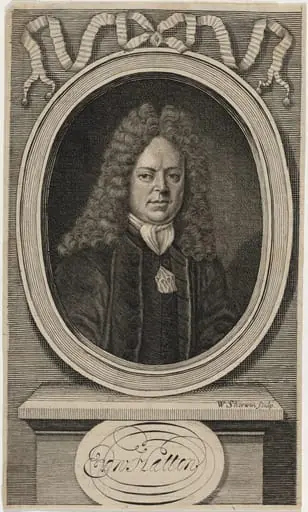
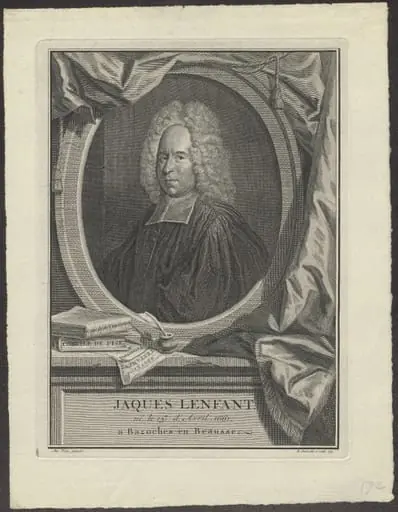
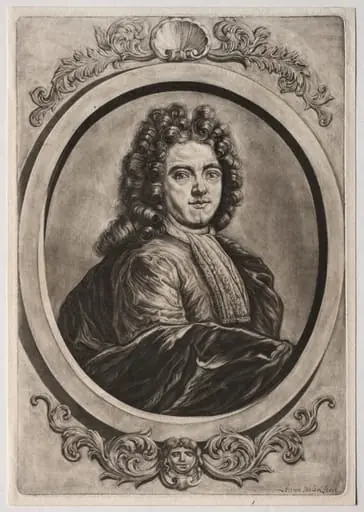
It presents a formal portrait of an unidentified man, rendered with meticulous line work typical of early 18th-century printmaking.
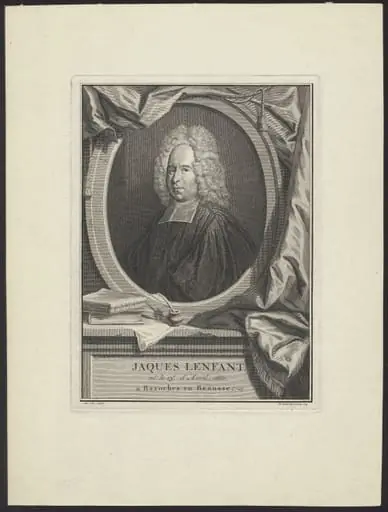
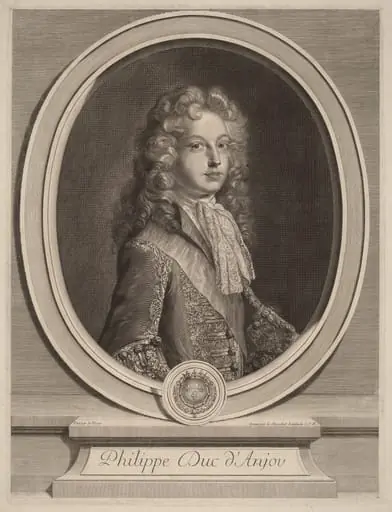
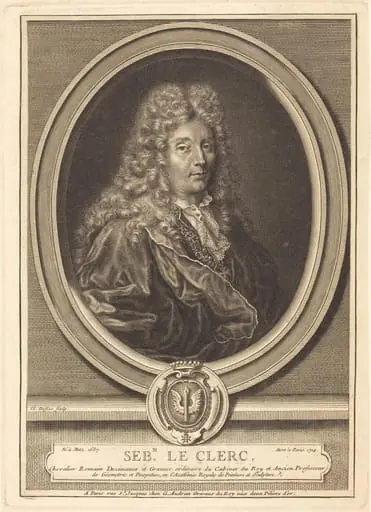
This black-and-white engraving, dated 1719, is the work of Bernard Picart, a French artist working in Amsterdam. It presents a formal portrait of an unidentified man, rendered with meticulous line work typical of early 18th-century printmaking. The image is contained within a circular frame adorned with a decorative border, isolating the subject against a plain background to emphasize his presence and expression.
Subject & Meaning
The sitter, though unnamed, is depicted with a stern yet contemplative demeanor, his curly white hair and high-collared coat suggesting age and dignity. Surrounding text characterizes him as possessing a generous spirit beneath a hardened exterior, implying a moral or philosophical narrative. The engraving functions less as a likeness and more as a symbolic representation of inner virtue expressed through outward reserve.
Technique & Style
Picart employed fine, controlled etching lines to model the face with subtle gradations of light and shadow, achieving a sculptural depth. The texture of the hair, the folds of the collar, and the circular border are rendered with precision, demonstrating mastery of the engraver’s burin. The absence of tone or color focuses attention on line and form, aligning with the disciplined aesthetic of Northern European print traditions of the period.
History & Provenance
Created during Picart’s time in Amsterdam, this print emerged from his larger project documenting global customs and religious practices. While the specific origin of this portrait is undocumented, it likely served as part of a series intended for scholarly or moral instruction. Its survival in collections today reflects its role in early Enlightenment-era visual ethnography.
Context
In early 18th-century Europe, engraved portraits often accompanied textual commentary to convey character or moral lessons. Picart’s work intersected with growing interest in human diversity and empirical observation. This image fits within a broader trend of using print to disseminate knowledge about individuals beyond aristocratic circles, valuing personal virtue over social status.
Legacy
Picart’s engravings, including this one, contributed to the development of visual anthropology and the popularization of print as a medium for cultural documentation. Though the sitter’s identity remains lost, the work endures as an example of how portraiture could be employed to explore human character through disciplined technique and symbolic framing.
Artist & collection
Artist
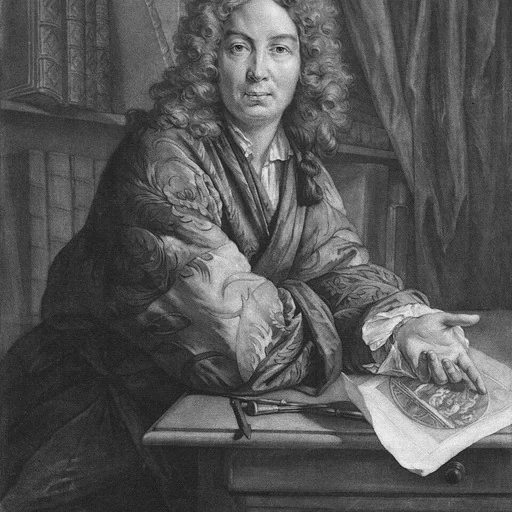
Bernard Picart or Picard (11 June 1673 – 8 May 1733), was a French draughtsman, engraver, and book illustrator in Amsterdam, who showed an interest in cultural and religious habits.

![Portrait of J. Basnage, [Walloon minister and historian], by Pieter van, Gunst](https://artifactworldgallery.com/img/pieter-van-gunst--portrait-of-j-basnage-walloon-minister-and-historian--be59663770daddd2-w320.webp)