Artwork
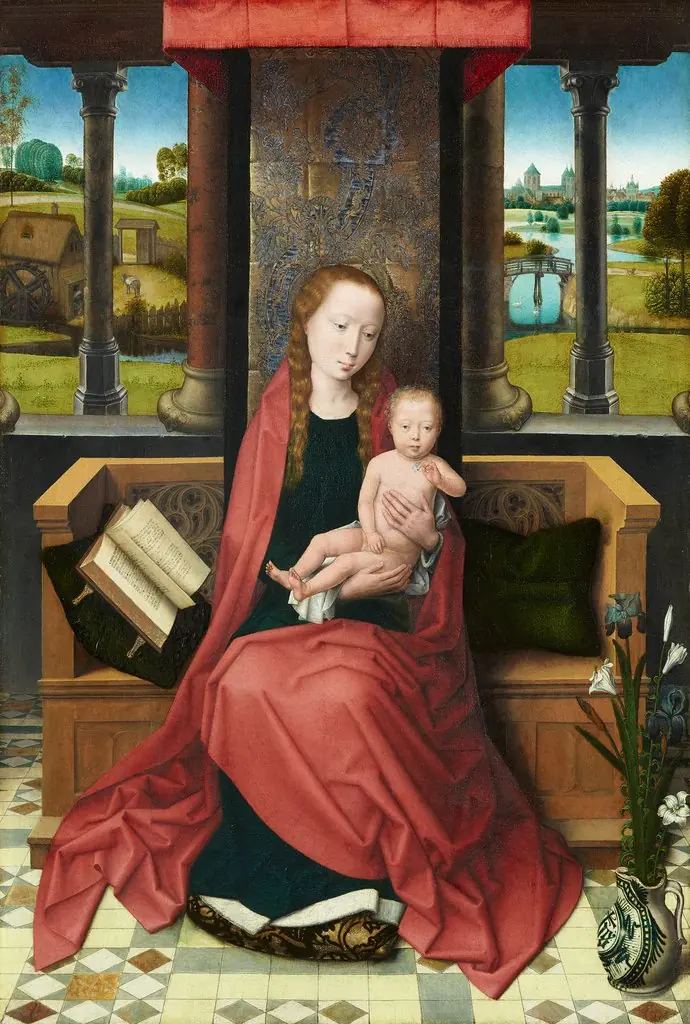
The Virgin and Child Enthroned
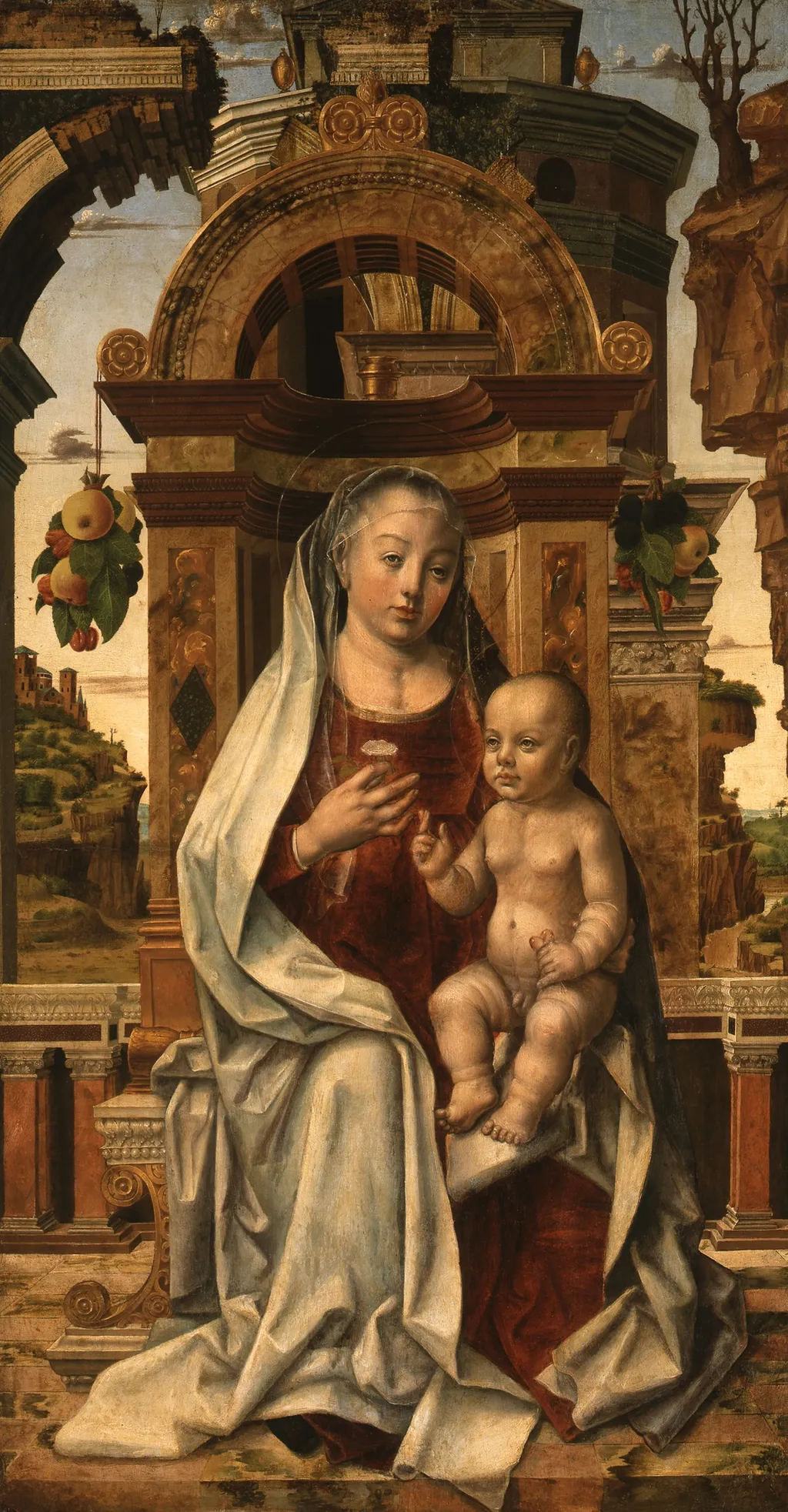
The Virgin and Child Enthroned is a paint painting by the Early Renaissance artist Pedro Berruguete. It dates from 1475 and is held in the collection of the Gemäldegalerie Berlin.
About this work
Overview
Executed in oil on panel, it reflects the fusion of Northern European precision and Spanish religious iconography characteristic of late 15th-century Castile.
Painted around 1475 by Pedro Berruguete, this devotional panel portrays the Virgin Mary and infant Christ seated on a richly detailed throne. Executed in oil on panel, it reflects the fusion of Northern European precision and Spanish religious iconography characteristic of late 15th-century Castile. The work resides in the Gemäldegalerie, Berlin, as part of its collection of early Renaissance Spanish art.
Subject & Meaning
The Virgin, crowned and robed in red with a white mantle, holds the Christ Child, who sits upright in a posture of solemn blessing. The throne symbolizes her role as Queen of Heaven, while the book on the shelf suggests divine wisdom. The hanging fruit, likely an apple, alludes to the Fall and Christ’s redemptive role. The composition invites contemplative reverence, typical of private devotion in late medieval Spain.
Technique & Style
Berruguete employs fine brushwork and delicate modeling to render textures—fabric, skin, and architectural details—with Flemish clarity. The use of light suggests subtle chiaroscuro, enhancing volume without dramatic contrast. The landscape background, rendered with atmospheric perspective, extends the sacred space into a tangible world, blending Northern realism with Iberian devotional conventions.
History & Provenance
The painting likely originated in a Spanish monastery or noble chapel, where such images supported personal prayer. It entered the Gemäldegalerie Berlin’s collection in the 19th century, possibly through the acquisition of Spanish ecclesiastical art dispersed after secularization. Its survival in good condition reflects careful preservation through centuries of religious and political change.
Context
Created during the transition from Gothic to Renaissance sensibilities in Spain, the work reflects the influence of Flemish painters like van Eyck, whose detailed realism was admired in Castilian courts. While Italian humanism was emerging, Spanish religious art retained symbolic intensity, merging imported techniques with local theological emphasis on Mary’s intercessory power.
Legacy
Berruguete’s synthesis of Flemish detail and Spanish piety helped define a regional style that influenced later Iberian painters. Though less known than his Italian contemporaries, his work exemplifies how Northern techniques were adapted to serve Catholic devotion in Spain. This painting remains a key example of how cross-cultural artistic exchange shaped religious imagery before the full rise of the Spanish Baroque.
Artist & collection
Artist
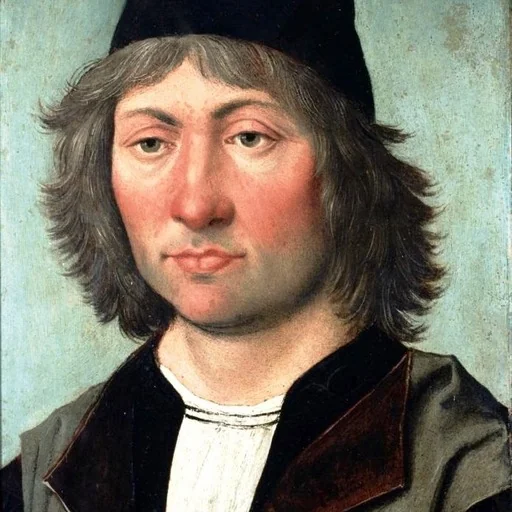
Pedro Berruguete (c. 1450 – 1504) was a Spanish painter who adopted Flemish techniques and conventions and so is part of the Hispano-Flemish style. Berruguete most famously created paintings of the first few years of…

 The Virgin and Child
 The Virgin and Sleeping Child
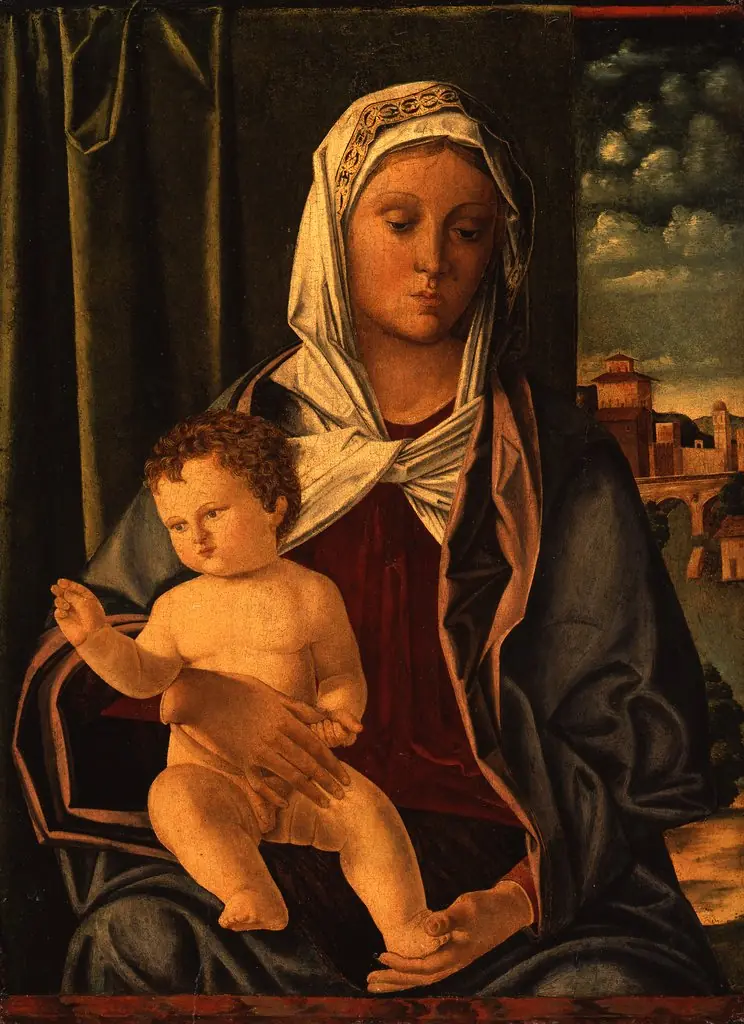 The Virgin and Child
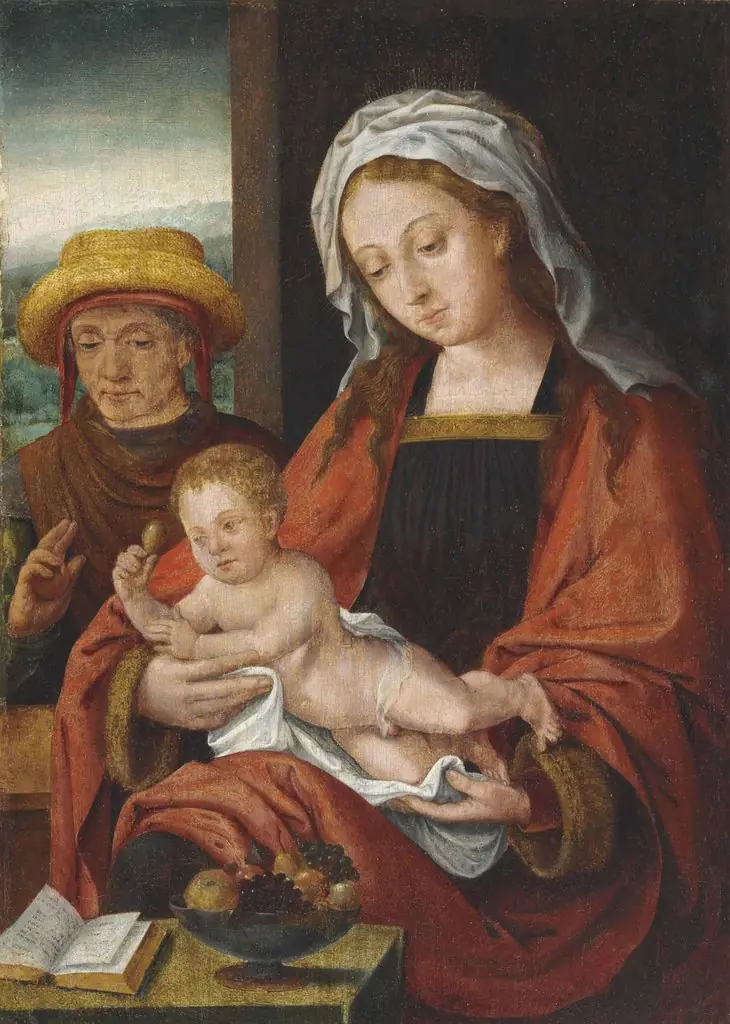 The Holy Family
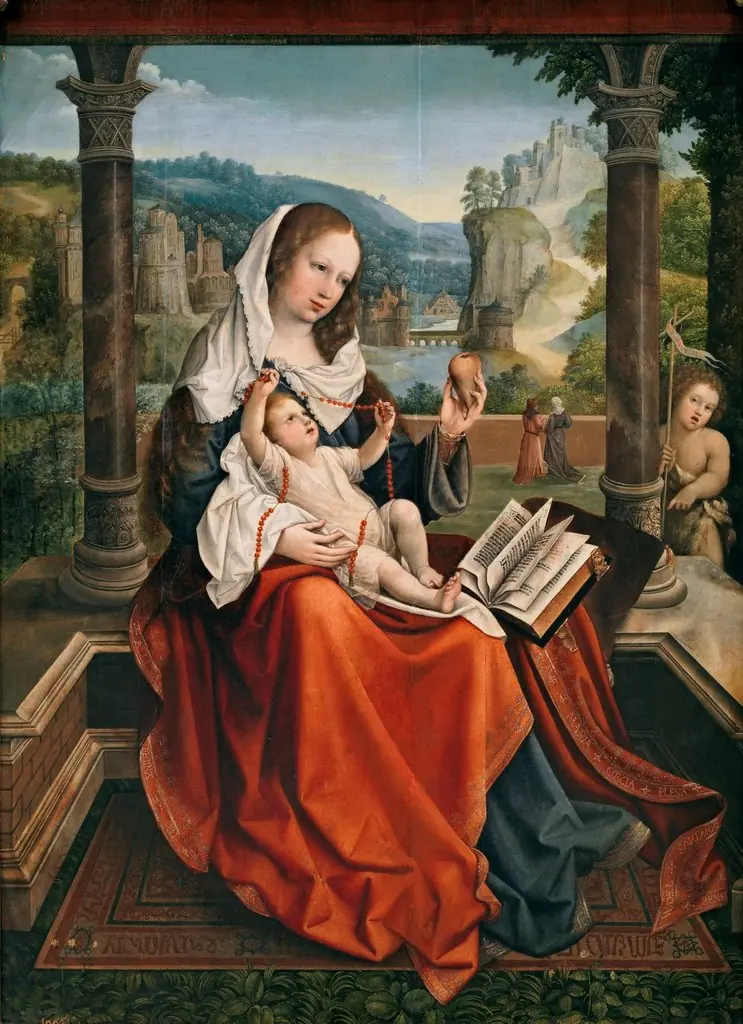 The Virgin and Child with the Infant Saint John the Baptist
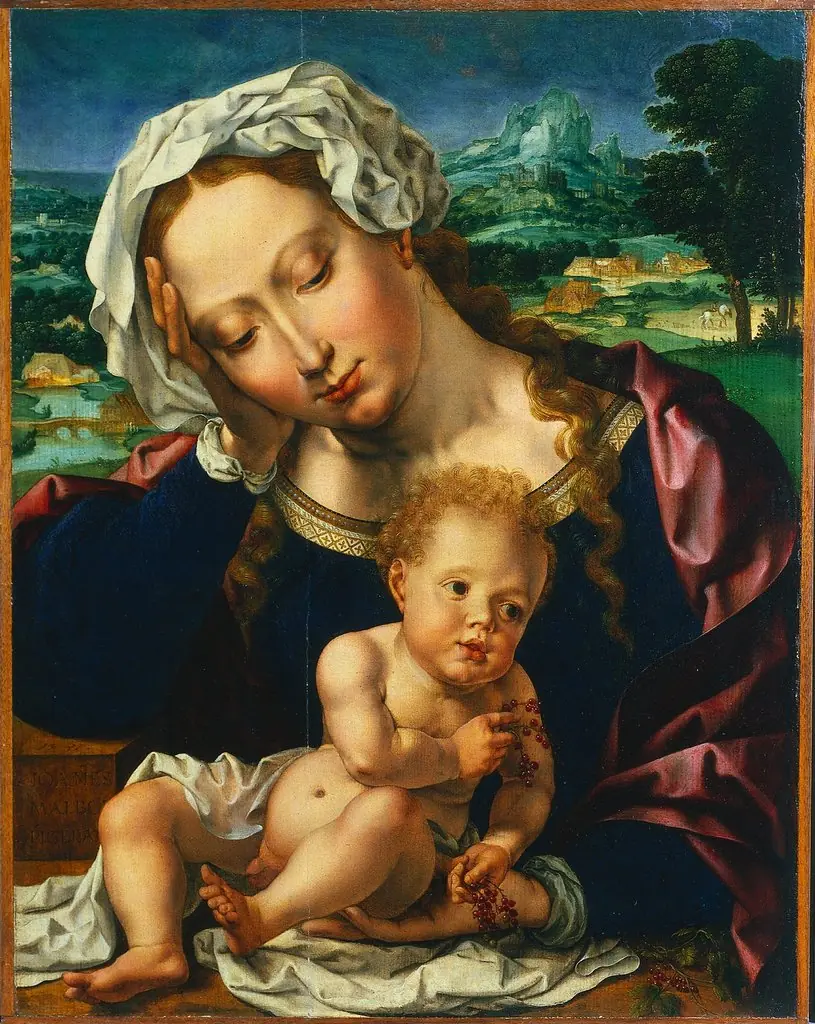 Virgin and Child in a Landscape
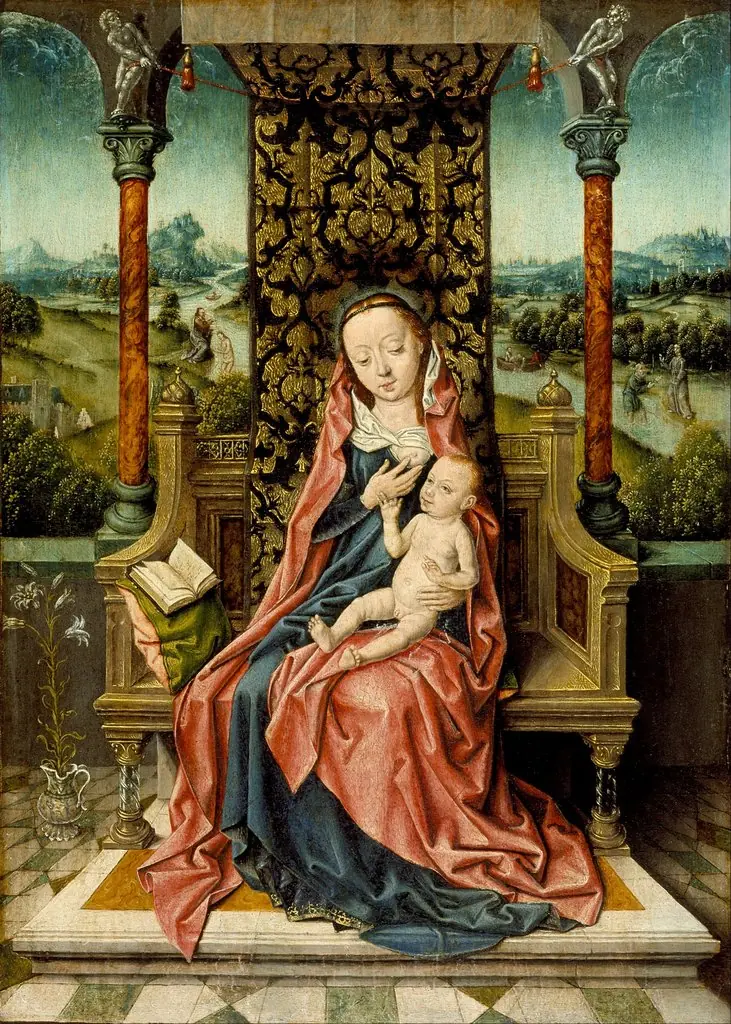 Madonna and Child Enthroned
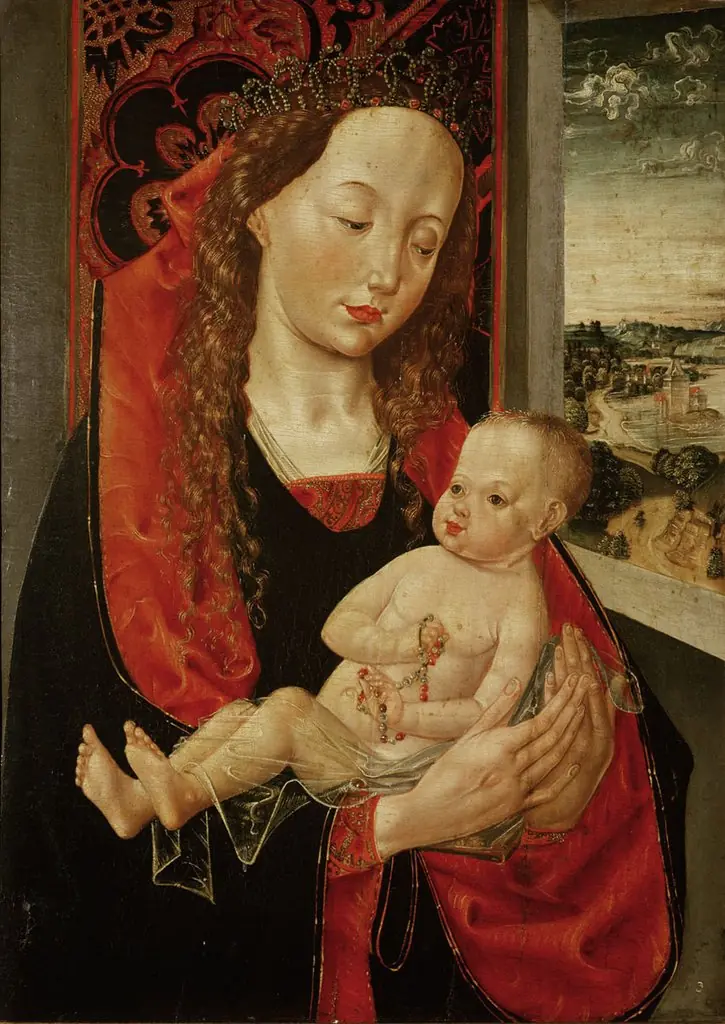 Madonna and Child
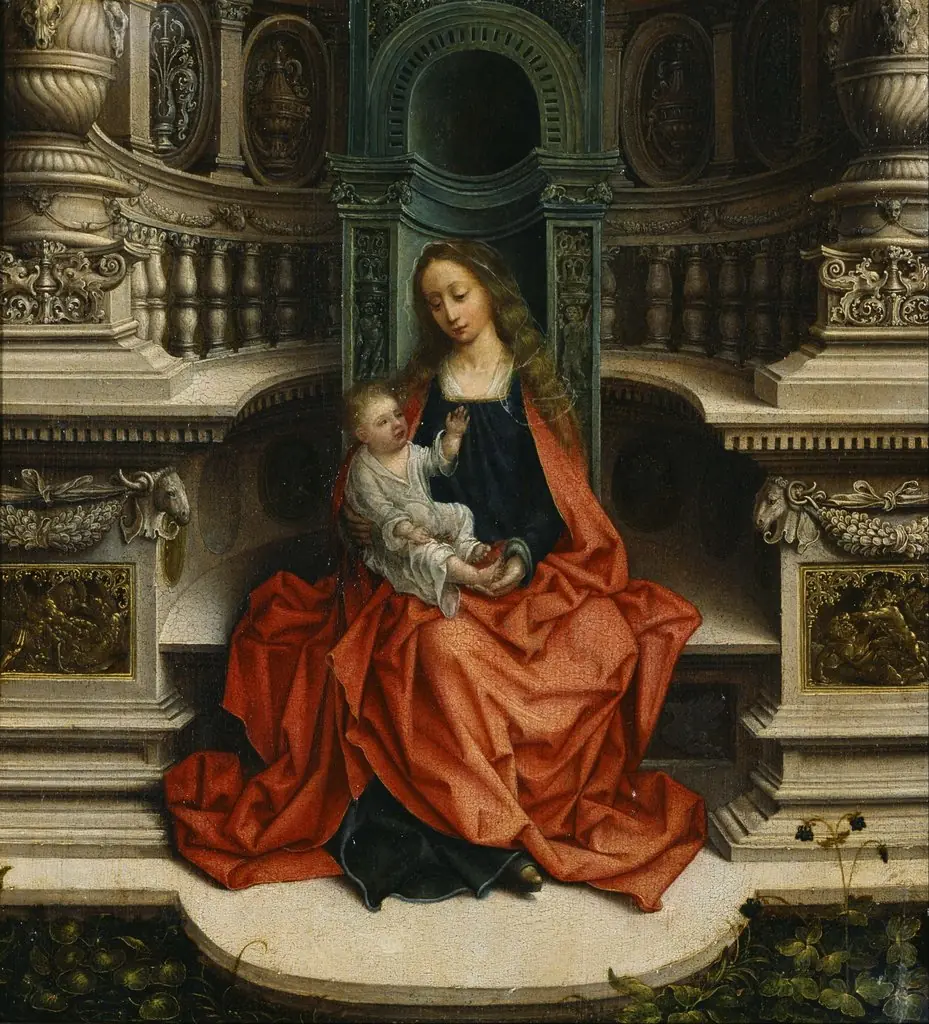 The Madonna and Child Enthroned
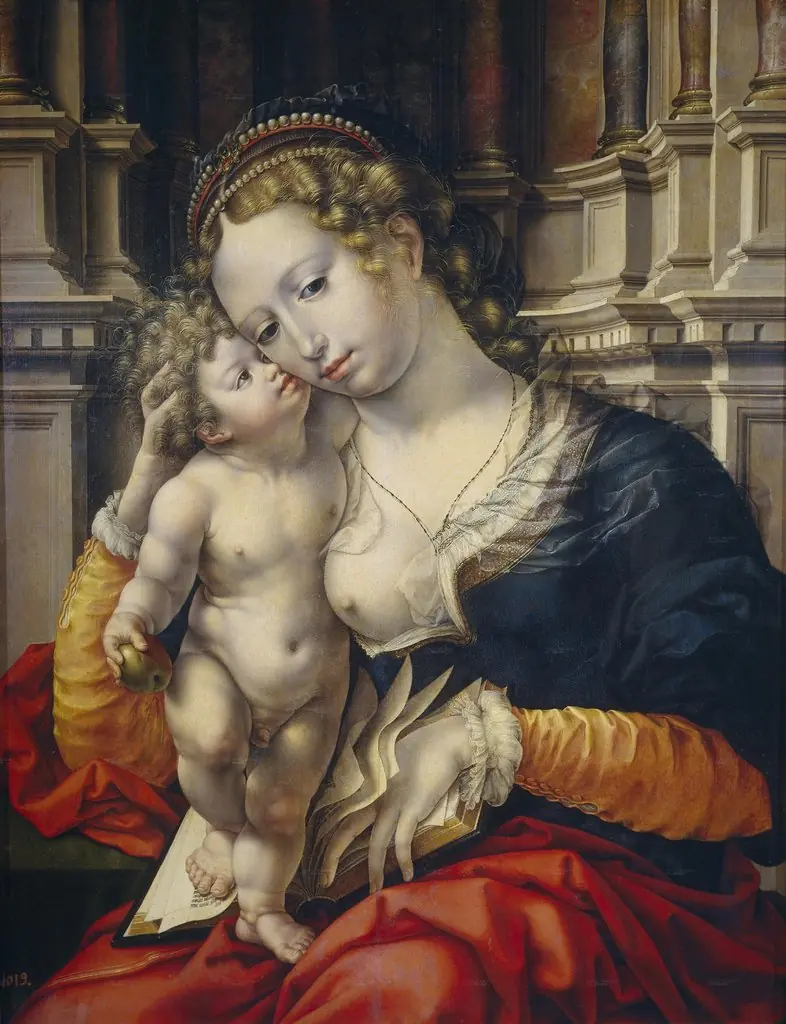 The Virgin and Child
 Rest on the flight into Egypt
 The Virgin and Child Enthroned