Artwork
Flower Vase and Ceramic Bowl
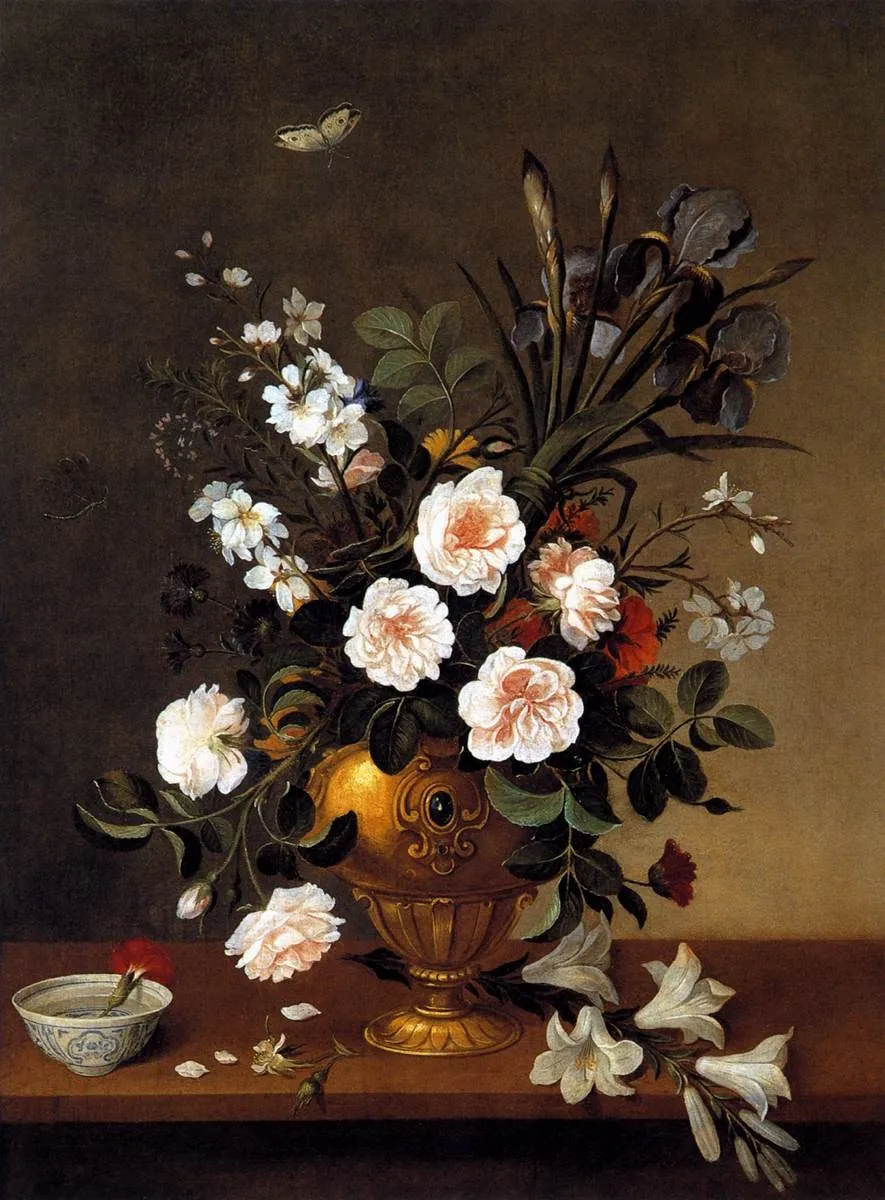
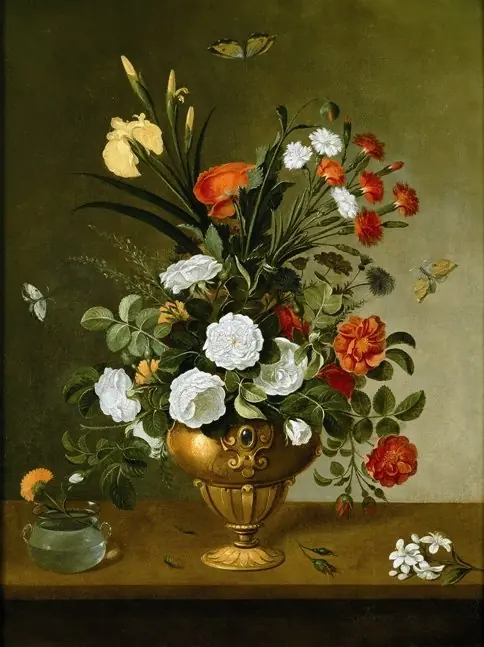
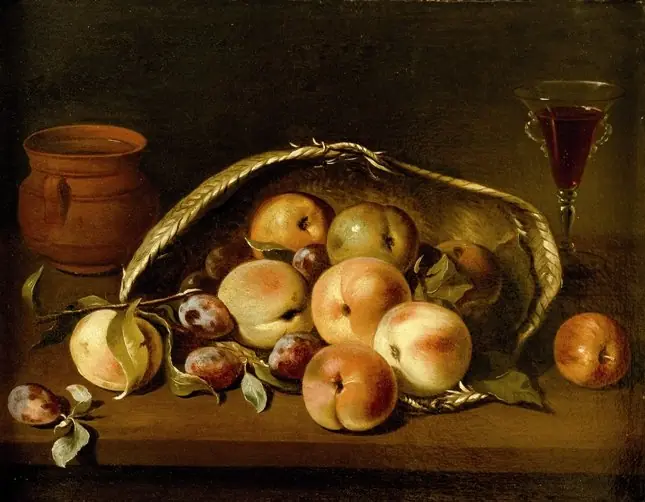
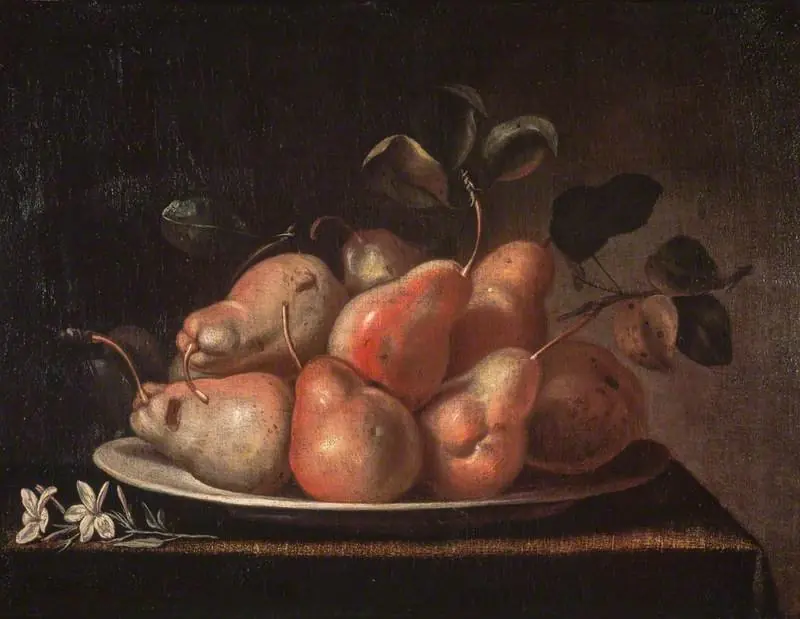
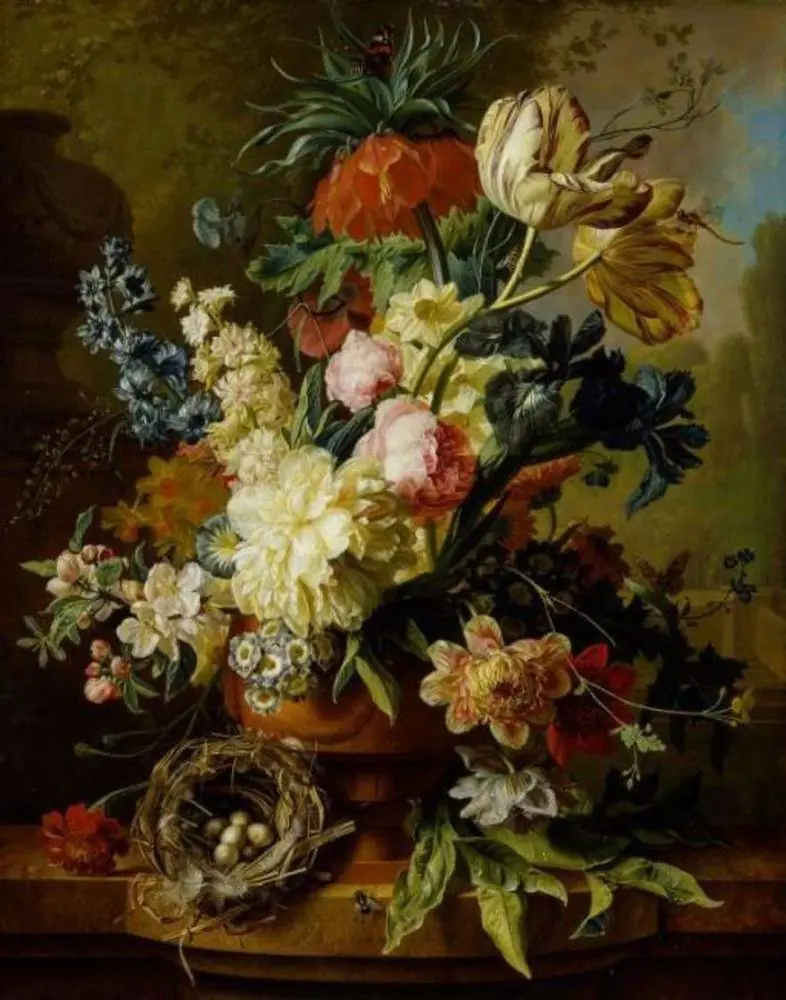
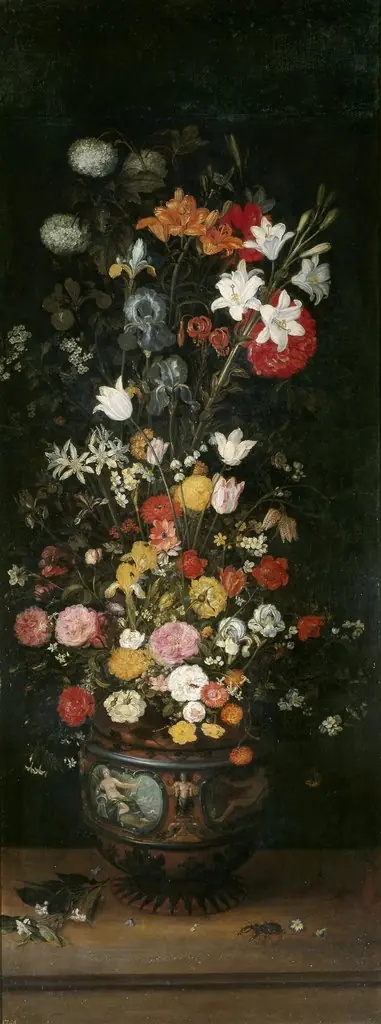
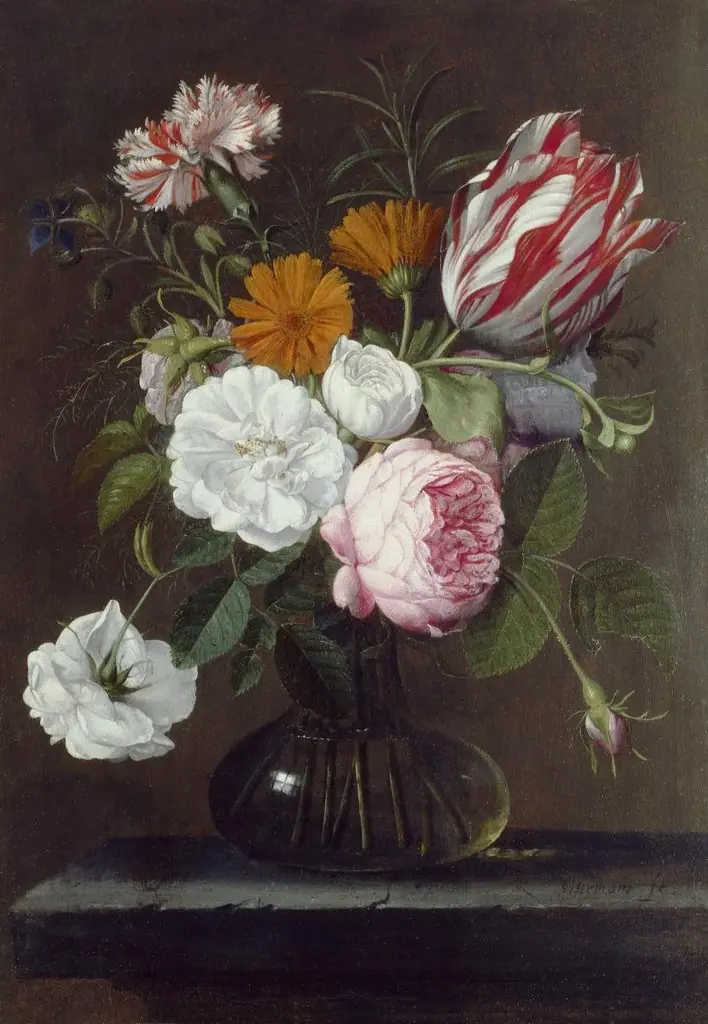
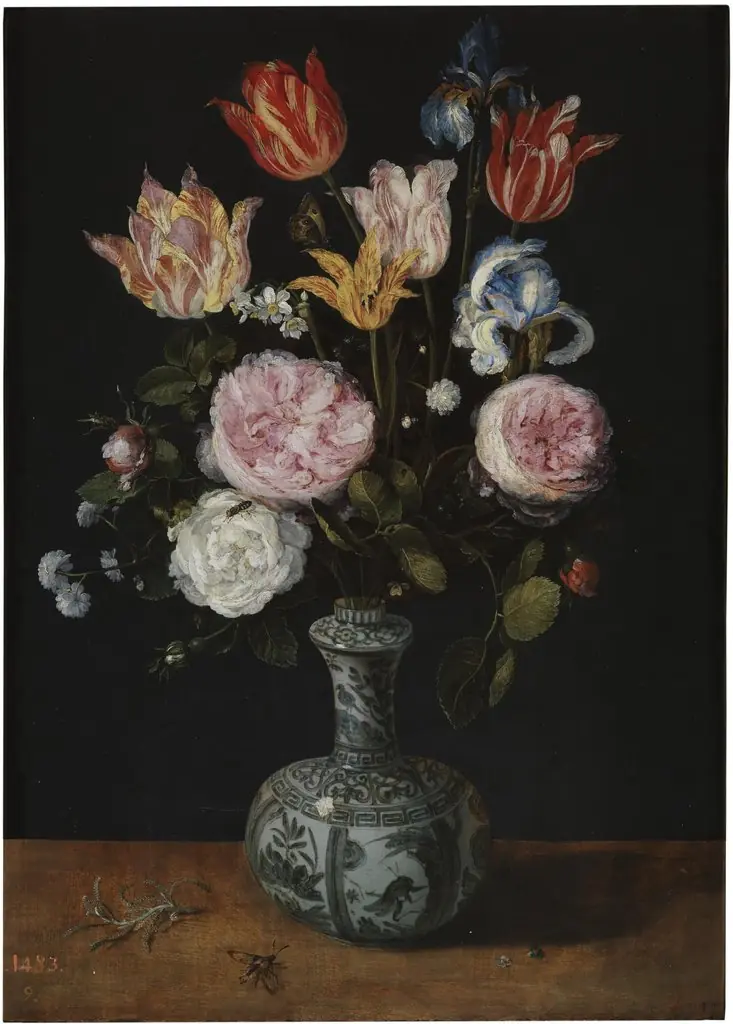
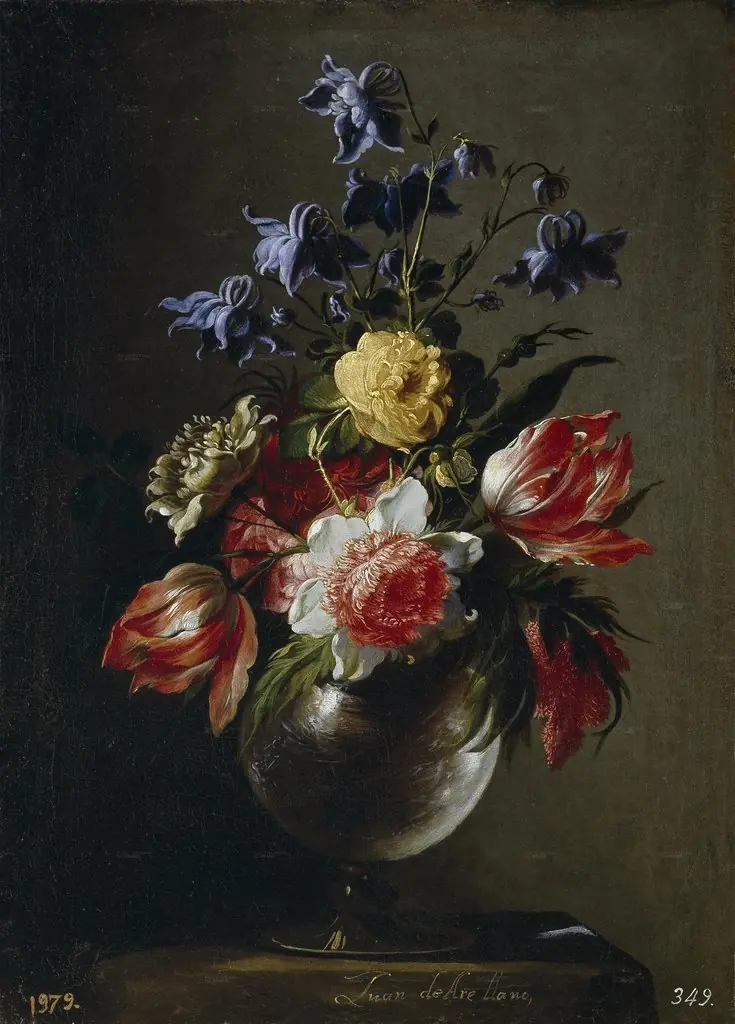
Flower Vase and Ceramic Bowl is an oil painting by the Early Baroque Italian artist Pedro de Camprobin. It dates from 1663 and is held in the collection of the Museo del Prado. Created in 1663 by Spanish Baroque painter Pedro de Camprobín Passano, this oil on canvas presents a meticulously arranged still life.
About this work
Overview
Created in 1663 by Spanish Baroque painter Pedro de Camprobín Passano, this oil on canvas presents a meticulously arranged still life.
Created in 1663 by Spanish Baroque painter Pedro de Camprobín Passano, this oil on canvas presents a meticulously arranged still life. The composition centers on a large vase overflowing with white and pink blossoms, accompanied by a modest blue‑and‑white ceramic bowl that holds scattered petals. A darkened backdrop accentuates the vivid floral colors, while the table surface contributes subtle tonal contrast.
Subject & Meaning
The work focuses on the transient beauty of flowers, a common motif in Camprobín’s oeuvre, reflecting the period’s fascination with vanitas themes and the fleeting nature of life. The juxtaposition of a full, luxuriant vase with a modest bowl suggests a dialogue between abundance and modesty, inviting contemplation of nature’s cycles.
Technique & Style
Camprobín employs a refined chiaroscuro, allowing light to caress each petal and leaf, producing a luminous, almost tactile surface. The delicate handling of oil paint renders soft gradients of shade, while the deep shadows on the tabletop enhance the three‑dimensional presence of the objects. The brushwork balances fine detail in the flowers with broader strokes in the background, typical of early Baroque Italian influence.
History & Provenance
Since its completion, the painting entered the collection of the Museo del Prado, where it remains on display. Documentation traces its acquisition to the museum’s 19th‑century expansion of Spanish Baroque holdings, confirming its attribution to Camprobín and its preservation within the national collection.
Context
Camprobín’s career unfolded during a period when Spanish artists increasingly adopted Italian Baroque aesthetics, integrating dramatic lighting and compositional clarity. Still‑life paintings served both decorative and didactic purposes, aligning with contemporary tastes for detailed naturalism and moral reflection.
Artist & collection
Artist
Pedro de Camprobín Passano (1605, Almagro - 22 July 1674, Seville) was a Spanish Baroque painter who specialized in still-lifes; primarily flowers.