Artwork
Pericón
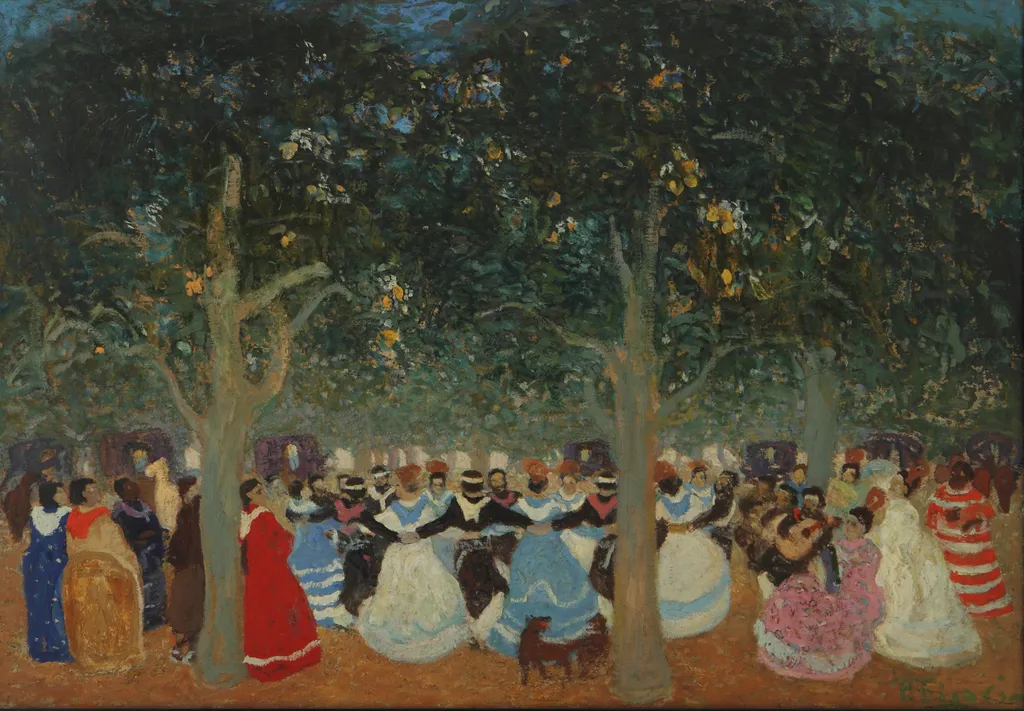
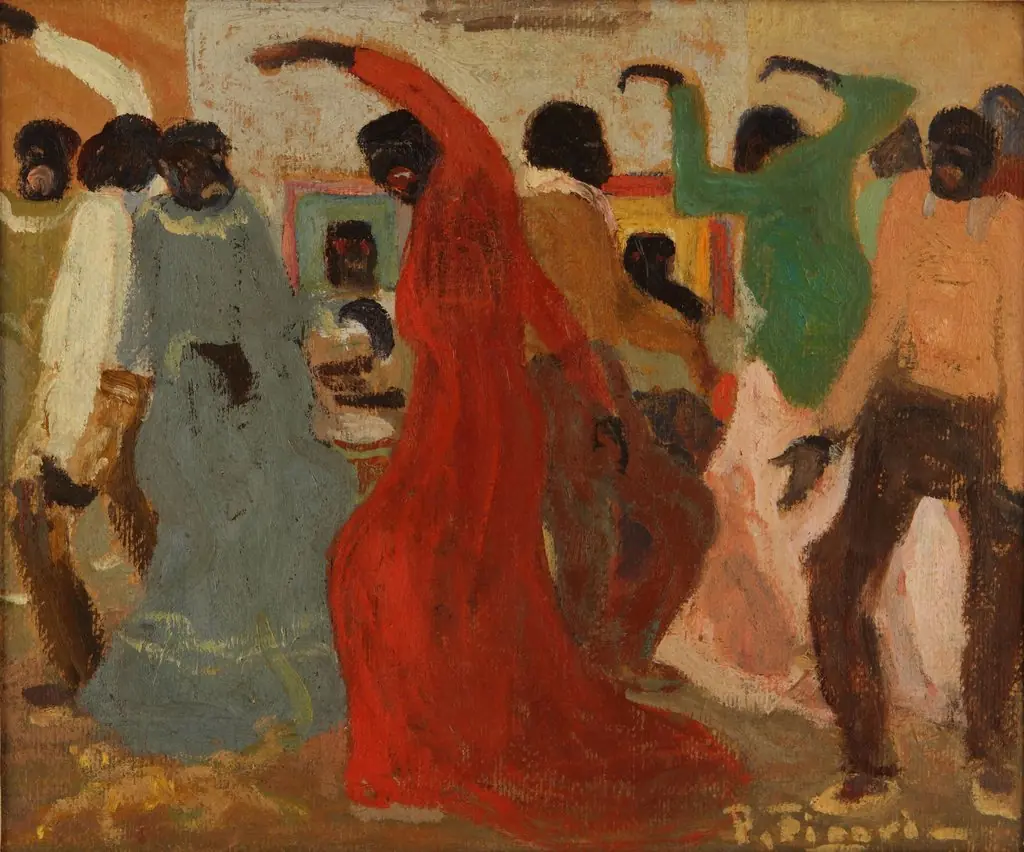
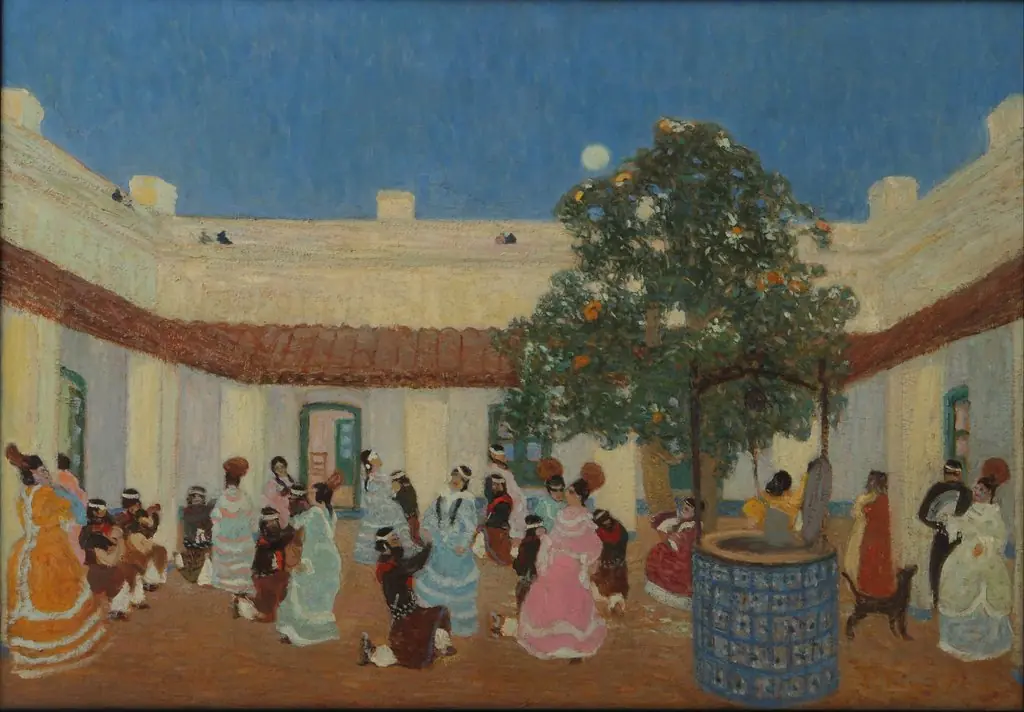
Pericón is an unspecified painting by Pedro Figari. It dates from 1500 and is held in the collection of the National Museum of Fine Arts, Argentina.
About this work
Overview
Created around 1920, not 1500, the work belongs to his mature period and reflects his commitment to capturing cultural rituals with expressive freedom.
Pedro Figari, a Uruguayan polymath who turned to painting in middle age, produced *Pericón* as part of a body of work rooted in personal recollection rather than direct observation. Though he lacked formal training, his paintings convey a distinctive vision of Latin American social life, filtered through memory and emotion. Created around 1920, not 1500, the work belongs to his mature period and reflects his commitment to capturing cultural rituals with expressive freedom.
Subject & Meaning
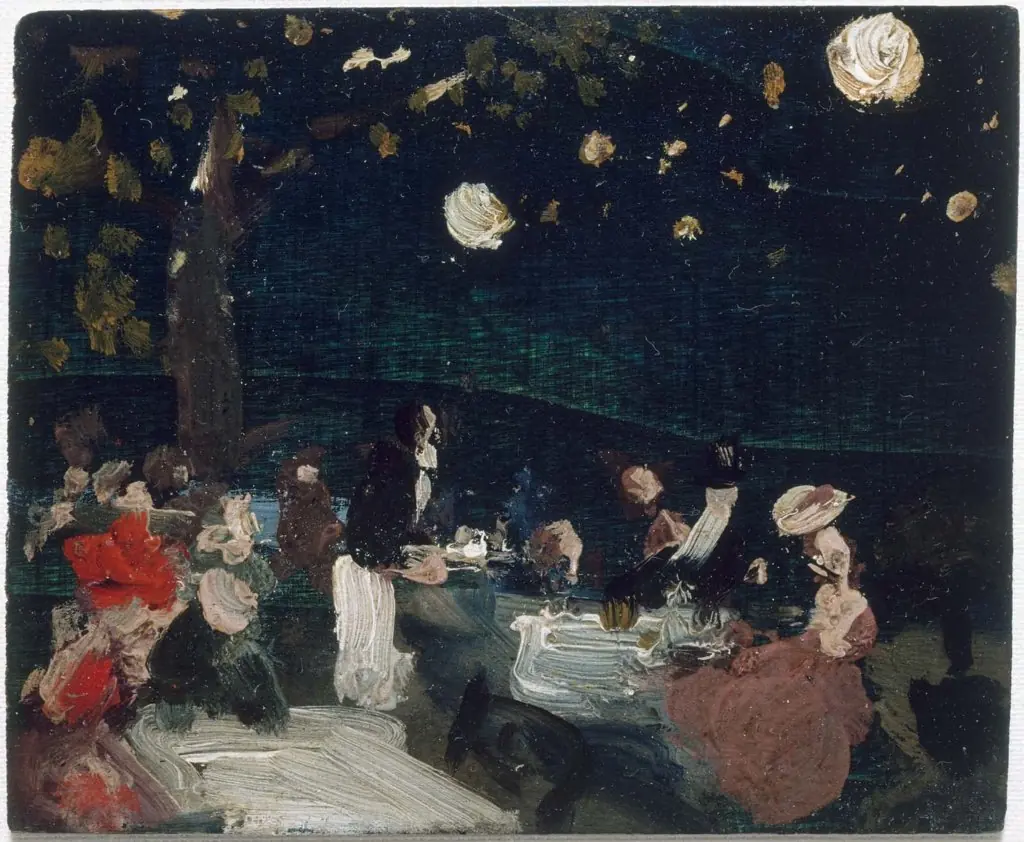
*Pericón* depicts a traditional folk dance, likely performed during local celebrations in rural Uruguay or Argentina. The figures encircle a tree, their postures suggesting rhythmic motion and communal joy. Figari does not document the event with precision but evokes its spirit through gesture and color, emphasizing collective identity and inherited customs. The scene is less a record than a sensory impression of cultural continuity.
Technique & Style
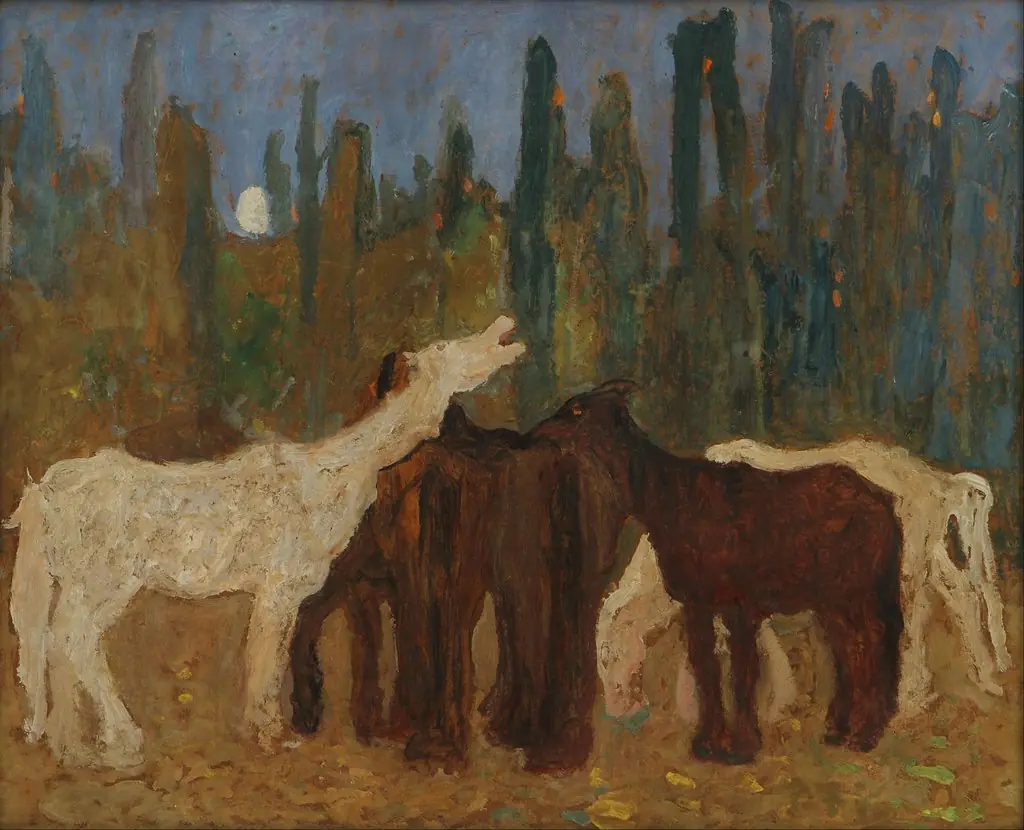
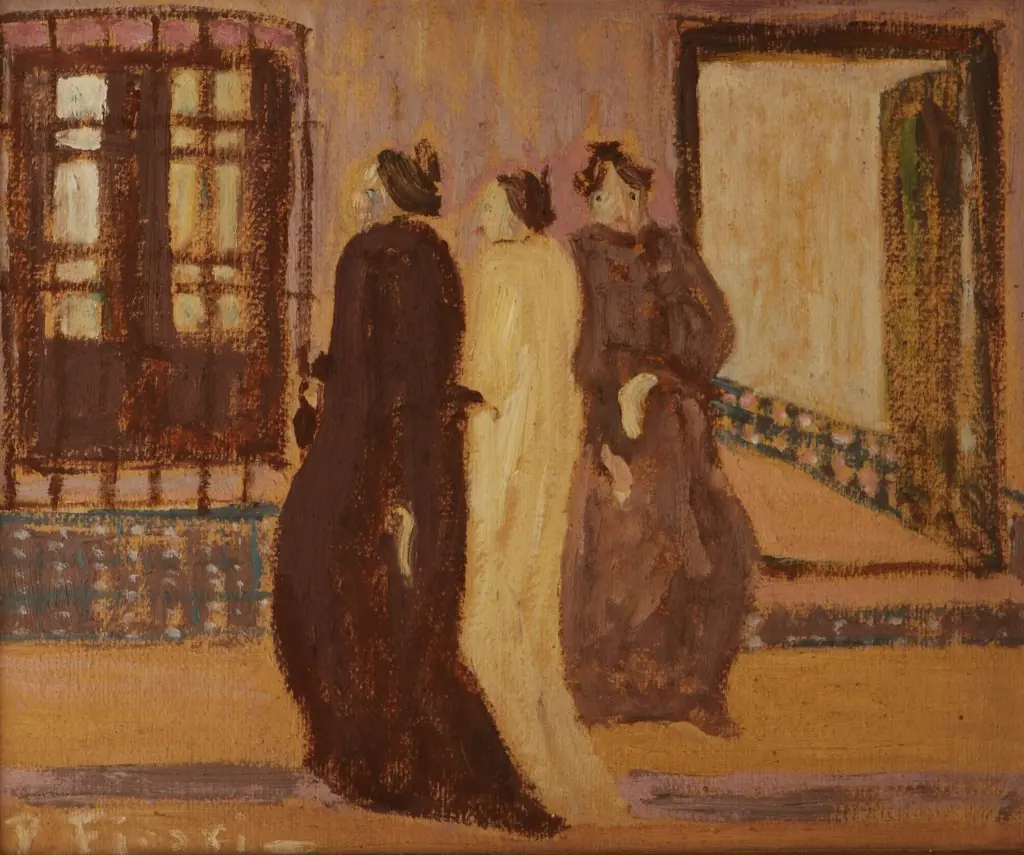
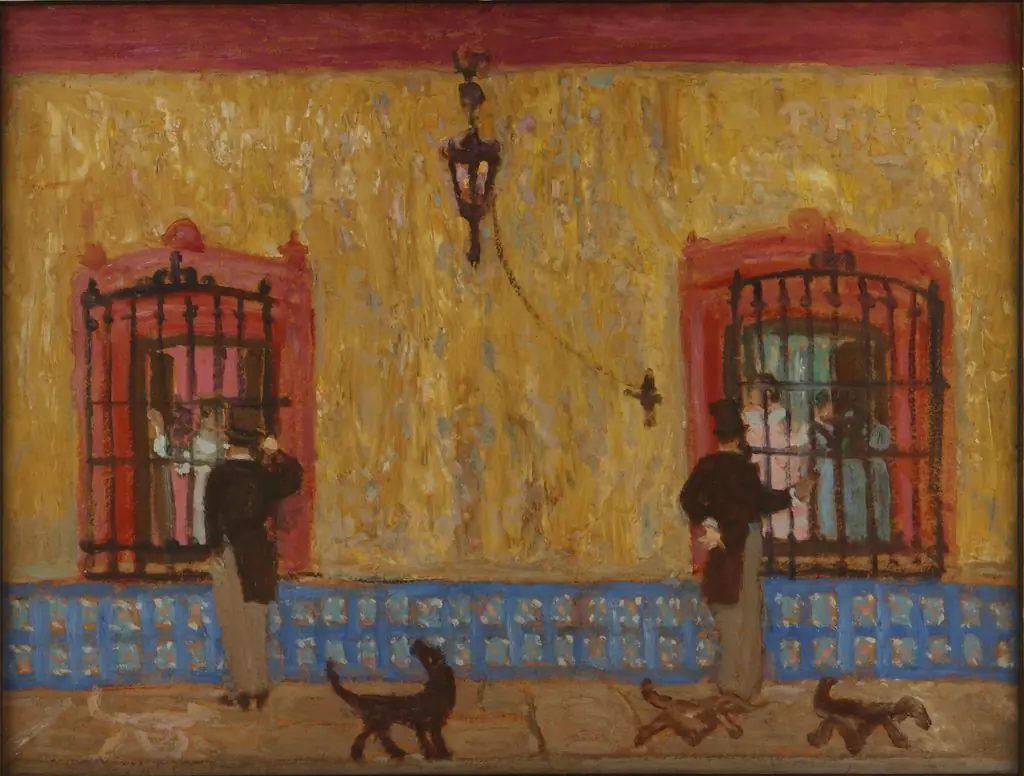
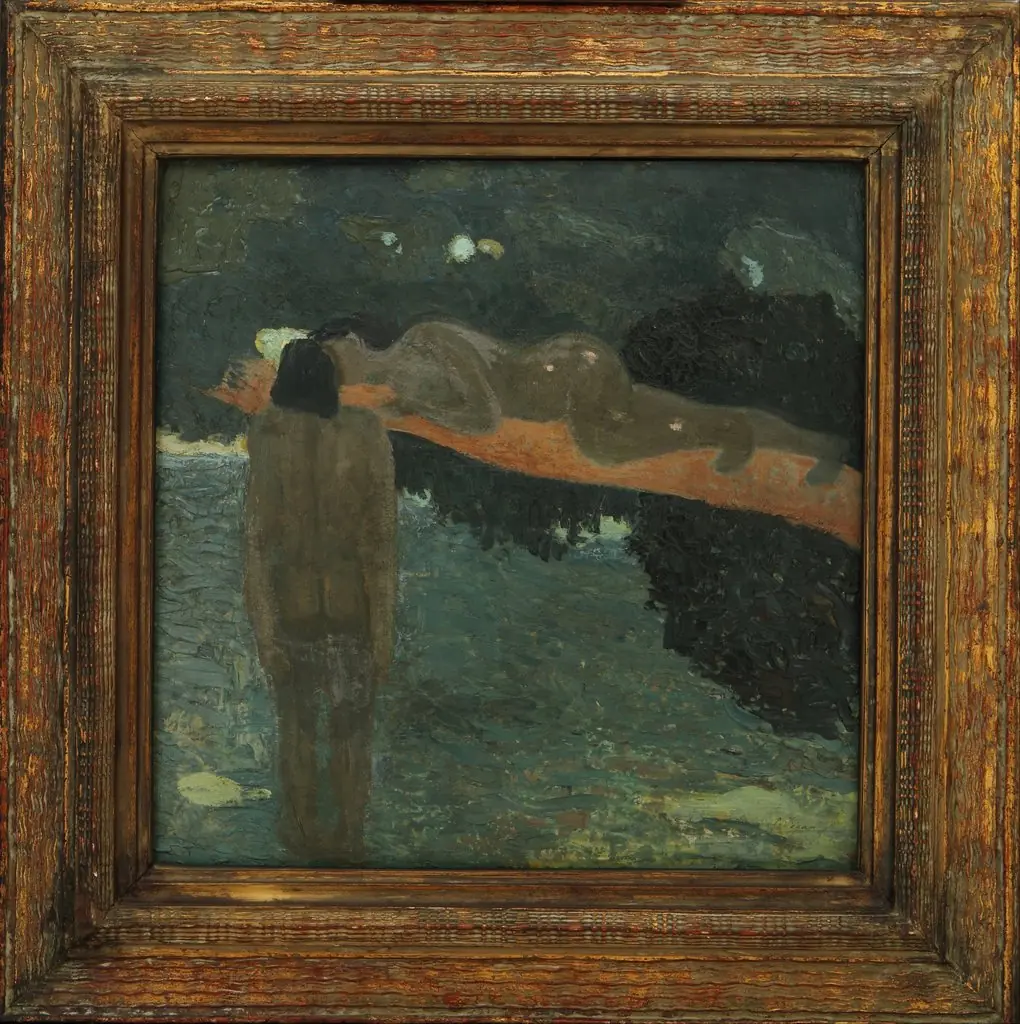
Figari’s technique is characterized by loose, energetic brushwork and saturated, non-naturalistic hues. Forms are simplified, contours blurred, and perspective flattened to prioritize emotional resonance over anatomical accuracy. The sky and foliage are rendered with swift strokes, allowing color and movement to dominate. This impressionistic approach, influenced by post-Impressionism, serves his goal of conveying memory rather than reality.
History & Provenance
The painting entered the collection of the National Museum of Fine Arts in Buenos Aires in the mid-20th century, following growing recognition of Figari’s contribution to Latin American modernism. It was among several works acquired as part of broader efforts to document regional artistic expression. Its presence in the museum underscores its role in shaping national narratives of cultural heritage.
Context
Figari painted during a period when Latin American artists were redefining identity beyond European models. His focus on Afro-Uruguayan and rural traditions stood in contrast to academic norms. *Pericón* emerged alongside broader intellectual movements seeking to validate local customs as worthy subjects of art, positioning Figari as a pioneer of cultural introspection in regional modernism.
Legacy
Figari’s work, including *Pericón*, influenced later generations of Latin American painters who valued subjective expression over realism. His emphasis on memory and folk life helped establish a visual language for cultural self-definition. Though not widely known outside the region during his lifetime, his legacy endures in institutions that prioritize indigenous and vernacular narratives in art history.
Own this work as a print
Artist & collection
Artist
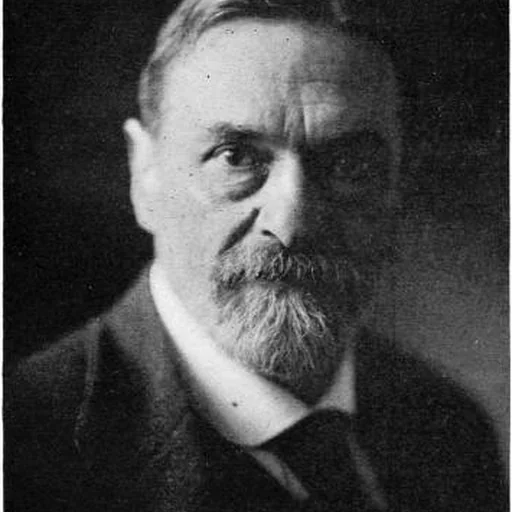
Pedro Figari (June 29, 1861 – July 24, 1938) was a Uruguayan painter, lawyer, writer, and politician.

Museum
National Museum of Fine Arts, Argentina
Continue through works from the same source collection.