Artwork
Tertulia
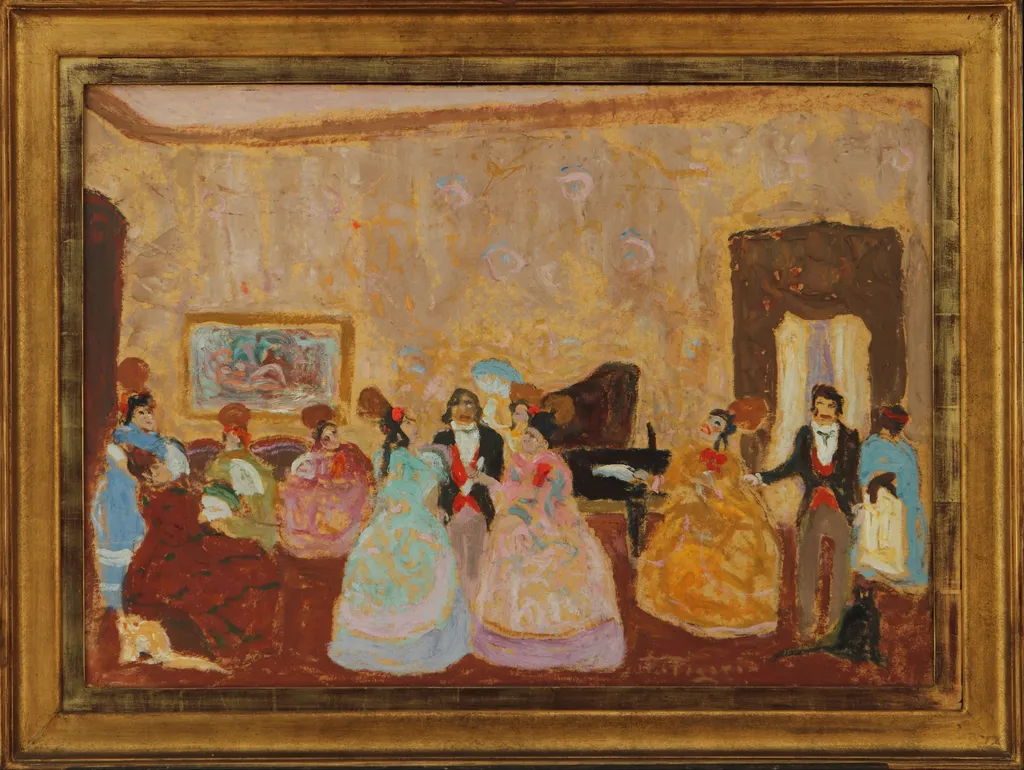
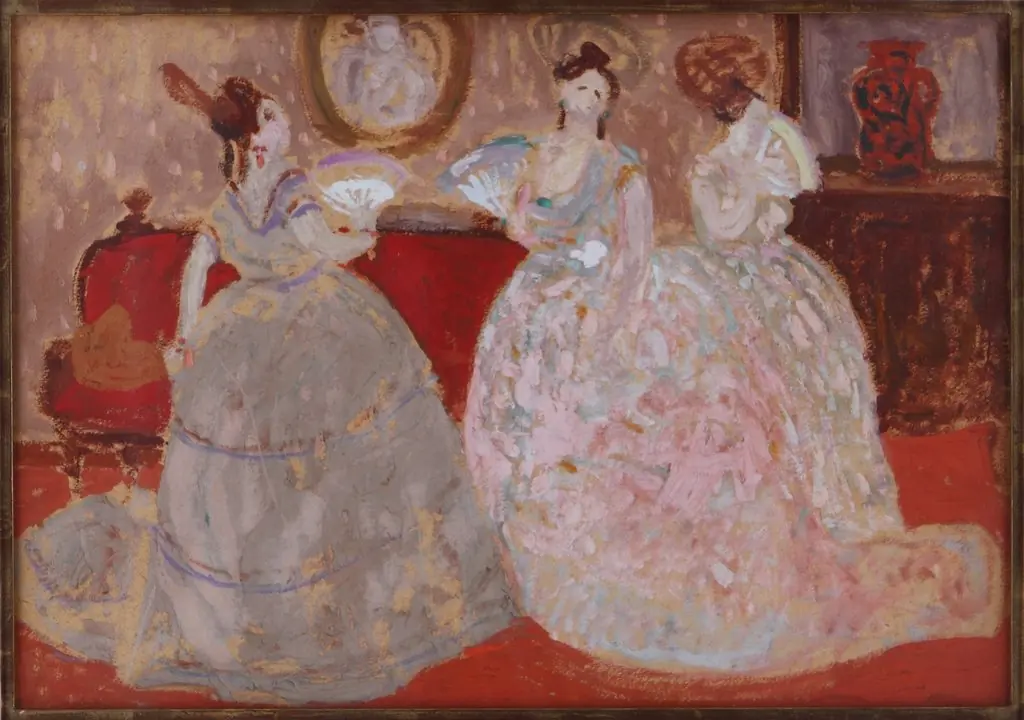
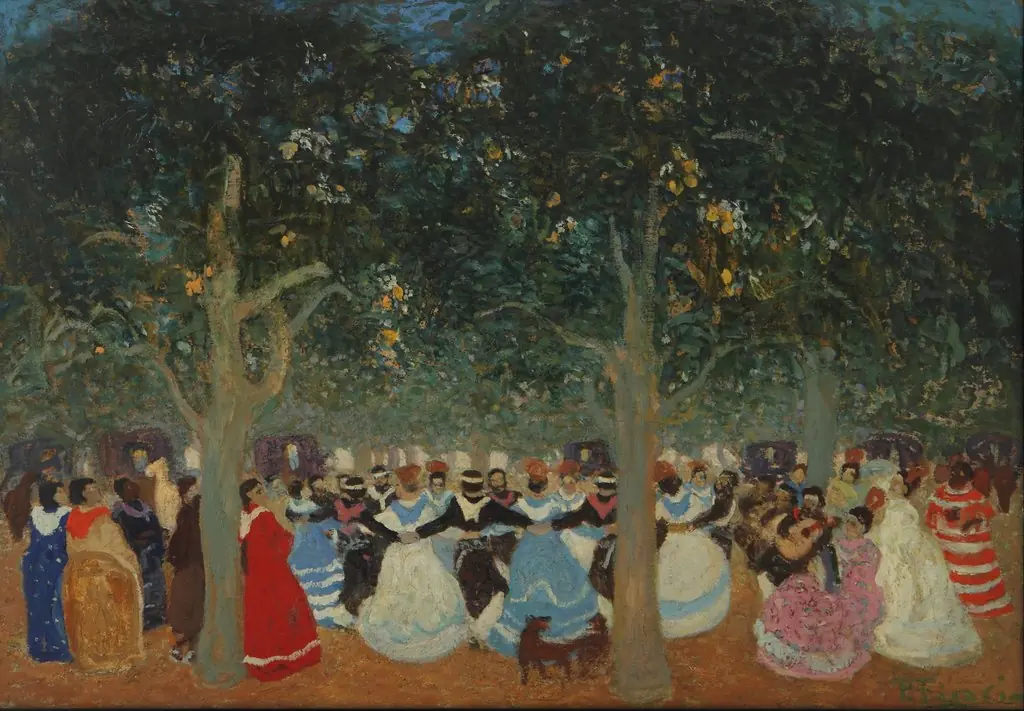
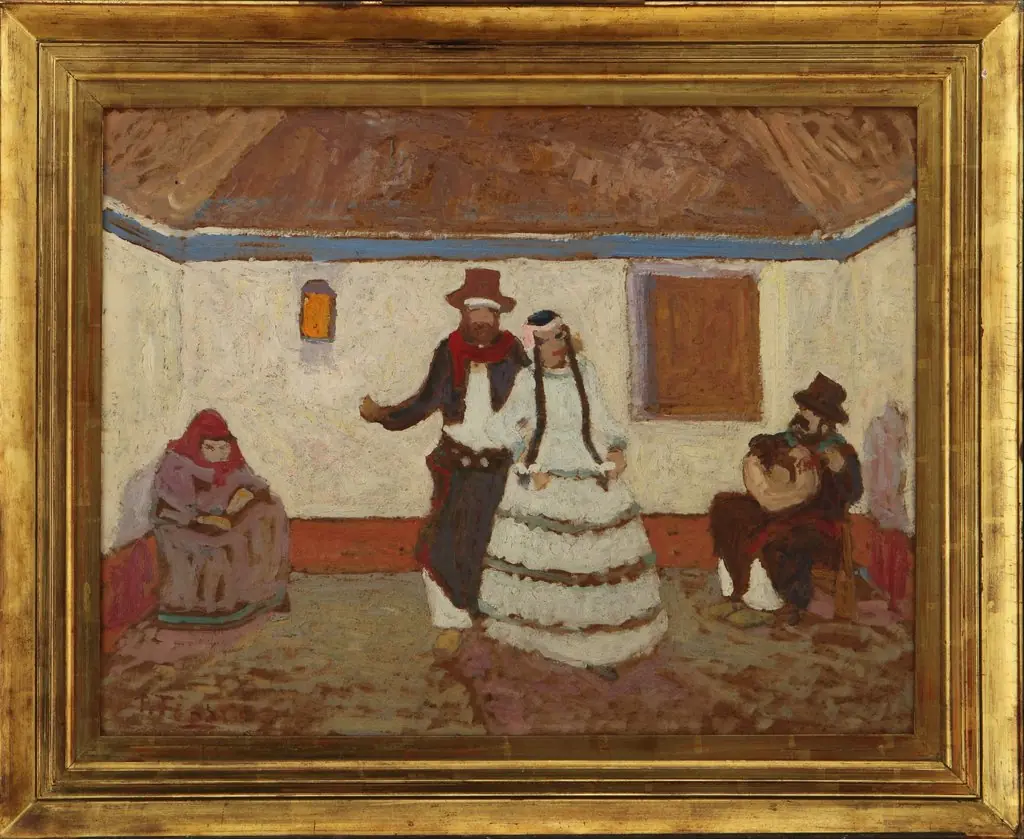
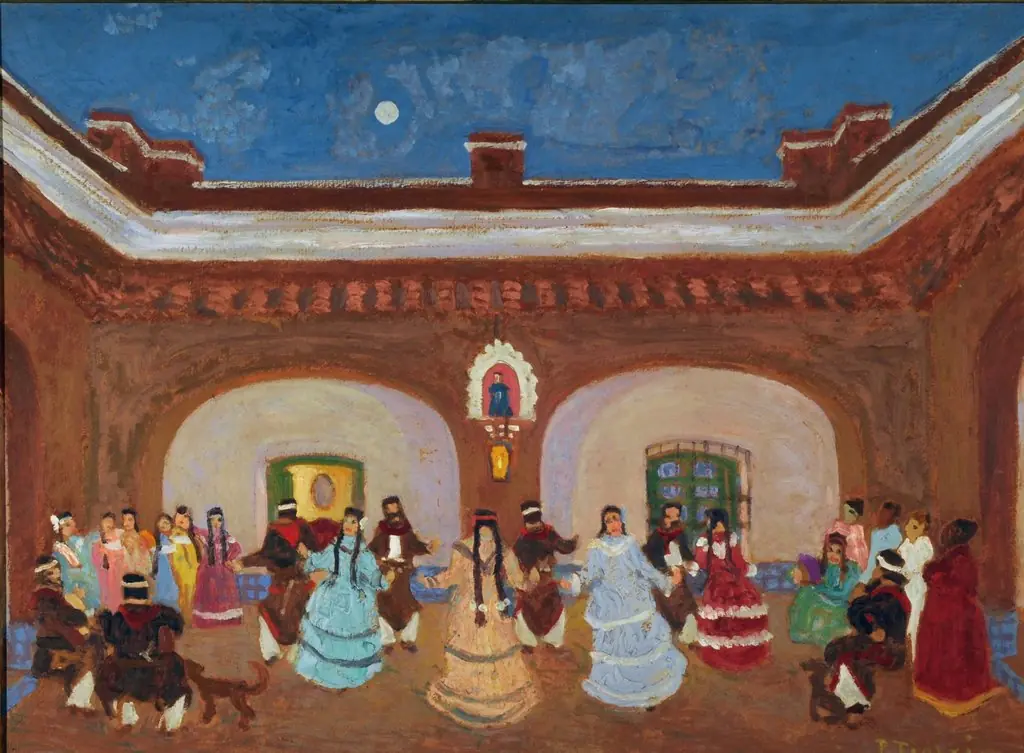
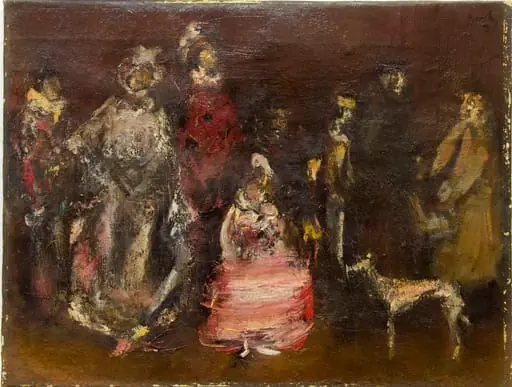
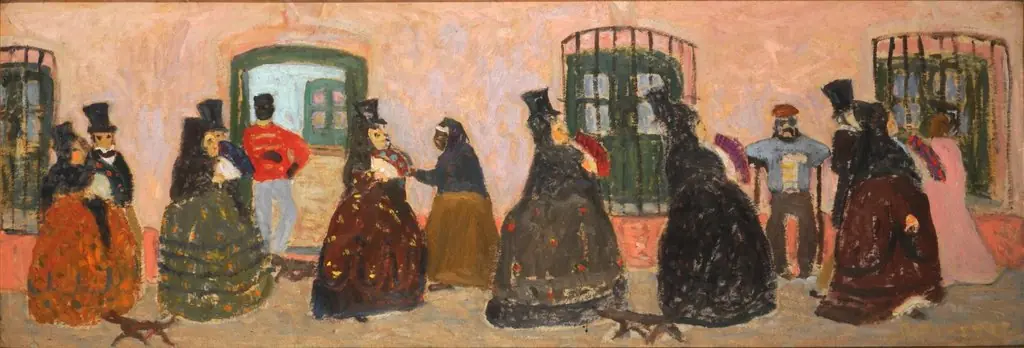
Tertulia is an unspecified painting by Pedro Figari. It dates from 1500 and is held in the collection of the National Museum of Fine Arts, Argentina.
About this work
Overview
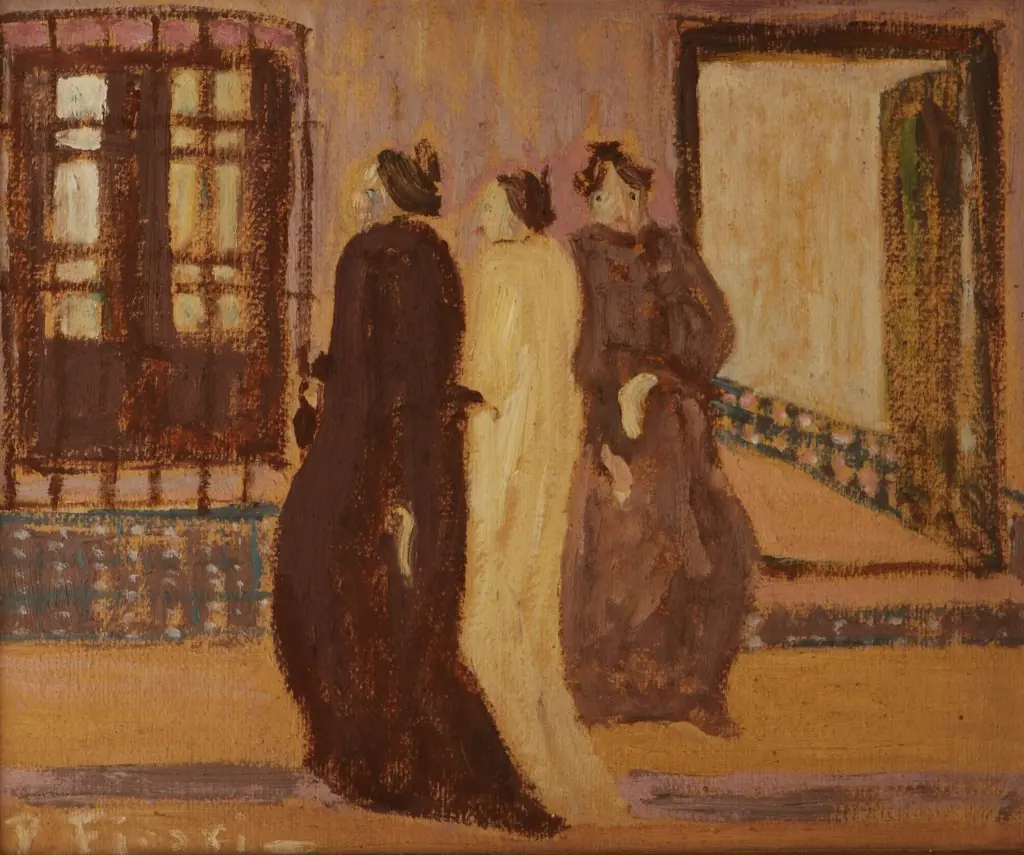
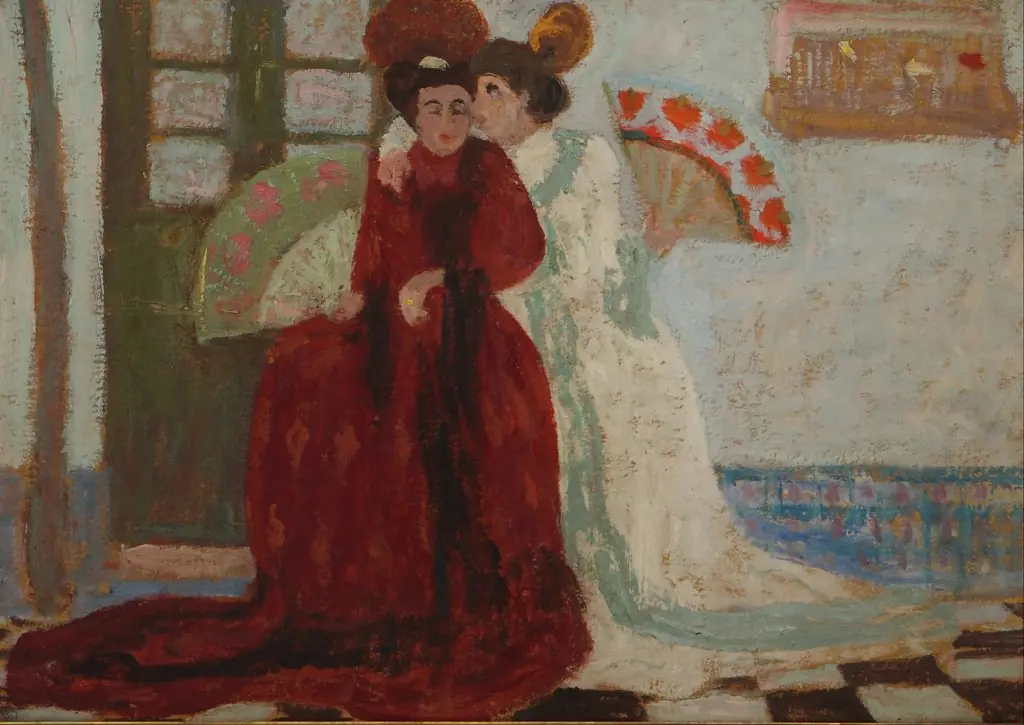
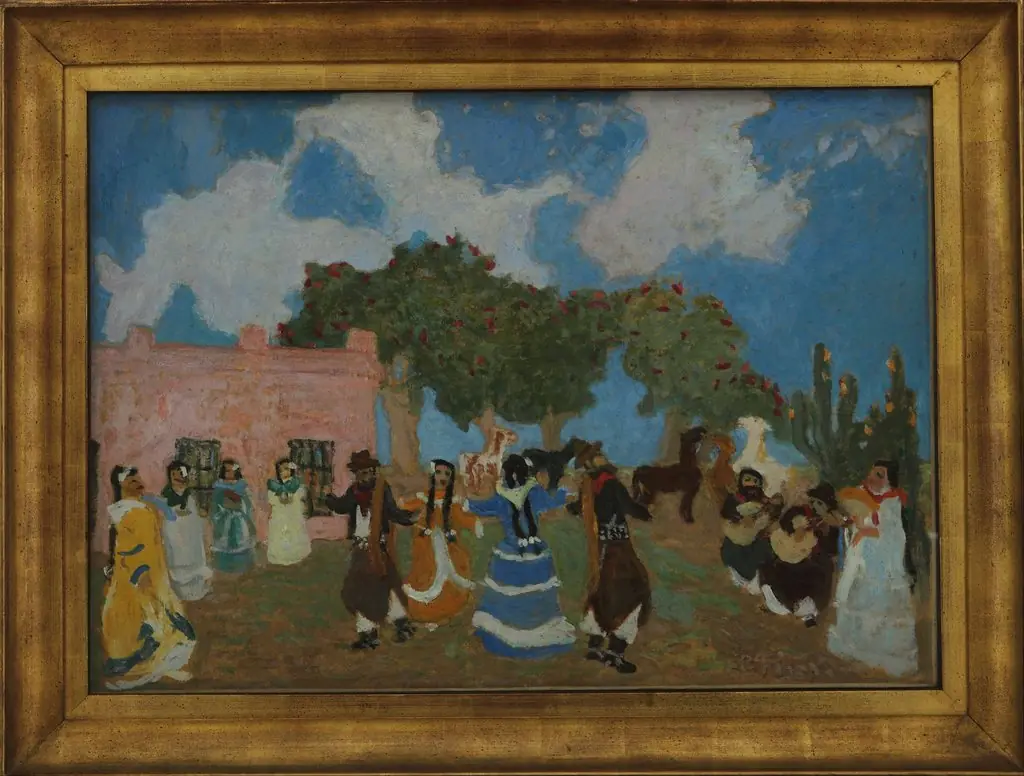
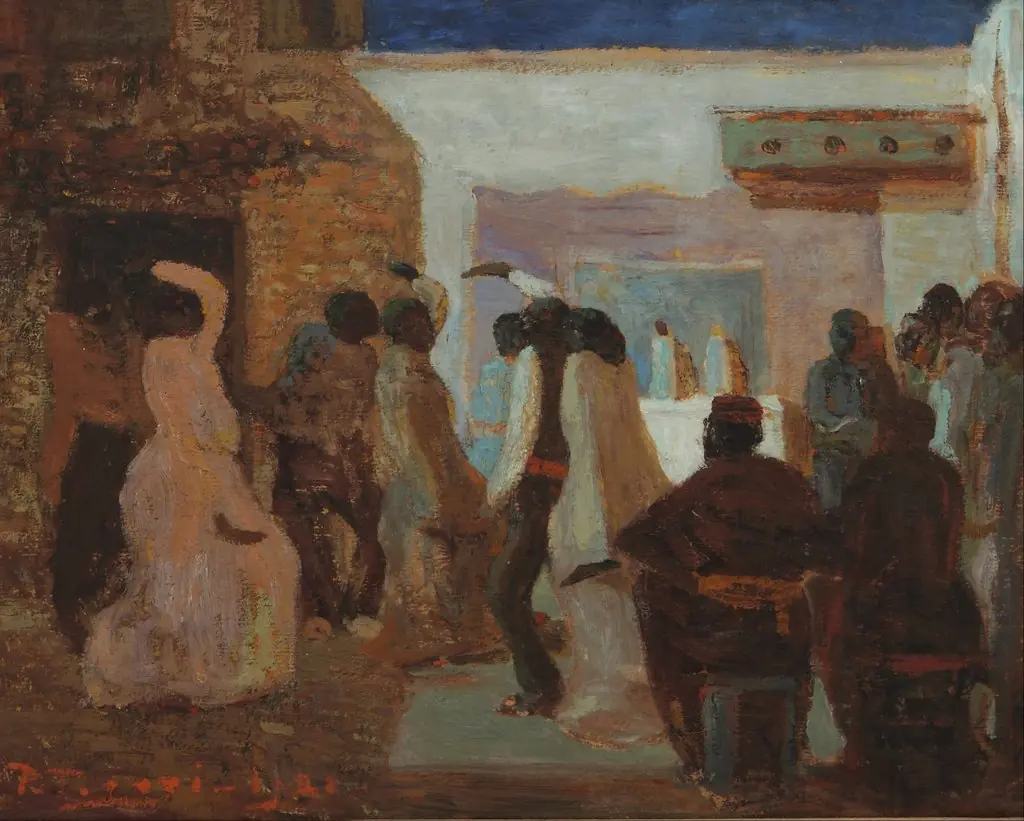
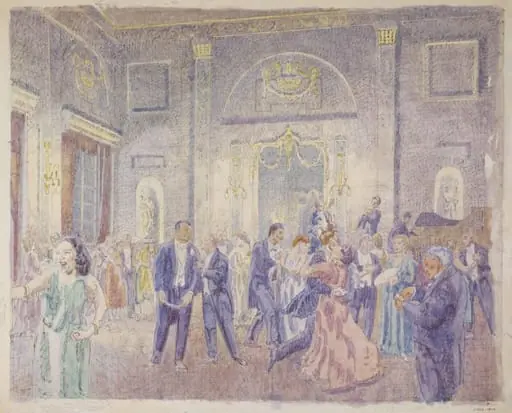
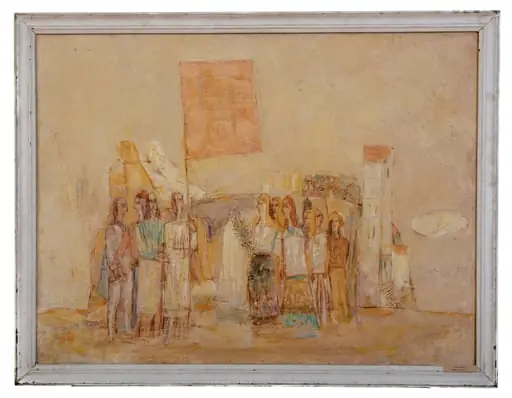
The painting captures a social gathering in a domestic interior, rendered with expressive brushwork and flattened space.
Pedro Figari, a Uruguayan intellectual who began painting in his later years, produced *Tertulia* as part of a body of work rooted in personal memory rather than formal training. The painting captures a social gathering in a domestic interior, rendered with expressive brushwork and flattened space. Figari’s approach rejects academic realism, favoring emotional resonance over anatomical precision. The work is held in the National Museum of Fine Arts in Buenos Aires.
Subject & Meaning
The scene depicts a mid-19th-century Uruguayan social gathering, likely a *tertulia*—an informal salon where music, conversation, and poetry were shared among the middle class. Figures in formal attire engage with one another, while a man plays piano at the center. The composition conveys intimacy and cultural ritual, not spectacle. Figari draws from childhood recollections, transforming memory into a visual testament to communal life in post-independence Uruguay.
Technique & Style
Figari employs loose, energetic brushstrokes and saturated, non-naturalistic colors to suggest movement and mood rather than detail. Forms are simplified, perspectives are compressed, and spatial depth is minimized. The warm golden walls and vivid clothing create a rhythmic visual harmony. His style aligns with early modernist tendencies in Latin America, prioritizing expressive gesture and cultural authenticity over illusionistic representation.
History & Provenance
Painted around 1920—not 1500 as misstated—*Tertulia* emerged during Figari’s prolific late-career phase after retiring from public service. He produced hundreds of works reflecting Uruguayan life, many based on his youth in Montevideo. The painting entered the collection of the National Museum of Fine Arts in Buenos Aires in the mid-20th century, where it remains as part of a broader effort to preserve regional modernist traditions.
Context
In early 20th-century Latin America, artists like Figari sought to define national identity beyond European models. *Tertulia* reflects a broader cultural movement that valued local customs, vernacular spaces, and collective memory. As Uruguay consolidated its post-colonial identity, such scenes became symbols of civic culture, distinct from urban elite narratives and rural folklore alike.
Legacy
Figari’s work laid groundwork for later Latin American modernists who embraced memory and regional subject matter. Though not widely known internationally during his lifetime, his emphasis on cultural specificity and expressive form influenced generations of artists in the Southern Cone. *Tertulia* endures as a quiet but significant record of everyday social life, valued for its sincerity over its technical polish.
Artist & collection
Artist
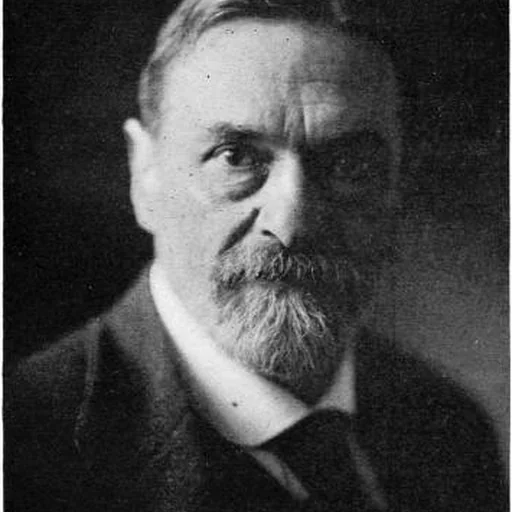
Pedro Figari (June 29, 1861 – July 24, 1938) was a Uruguayan painter, lawyer, writer, and politician.

Museum
National Museum of Fine Arts, Argentina
Continue through works from the same source collection.