Artwork
Harvest in Anticoli
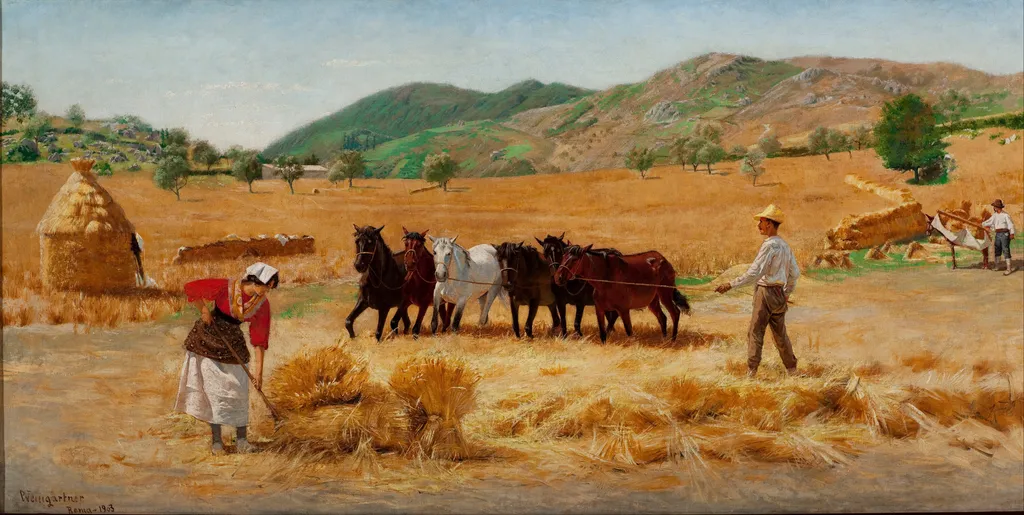
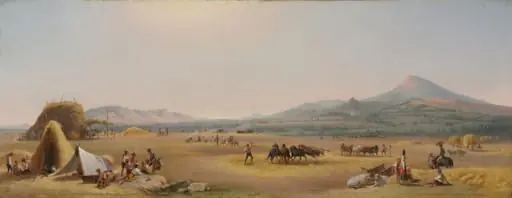
Harvest in Anticoli is an oil painting by the Impressionist artist Pedro Weingärtner. It dates from 1903 and is held in the collection of the Pinacoteca de São Paulo.
About this work
Overview
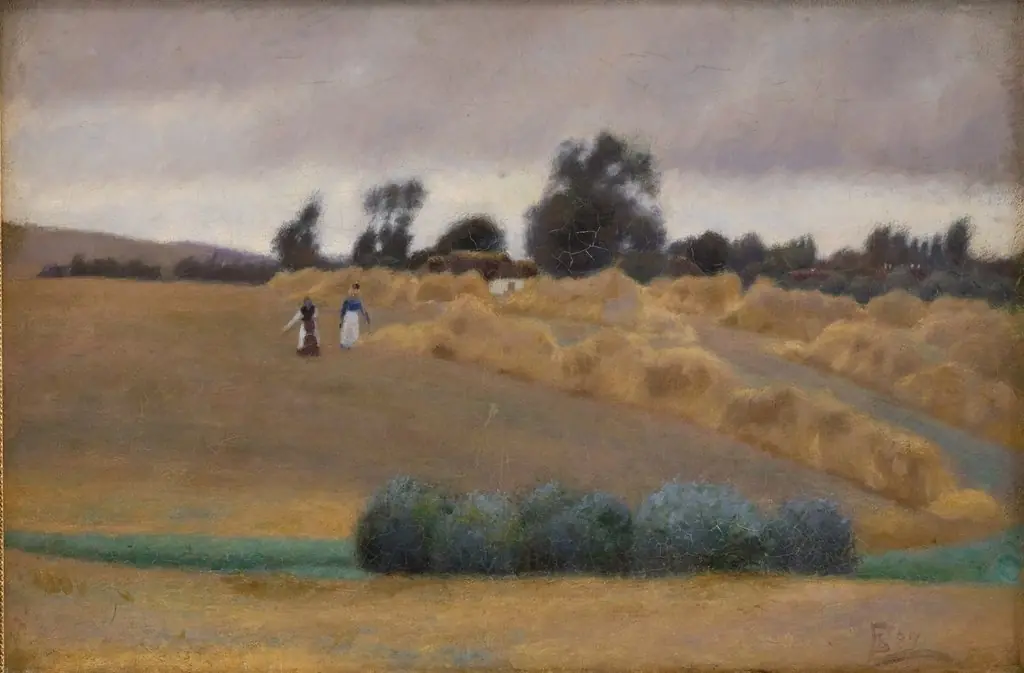
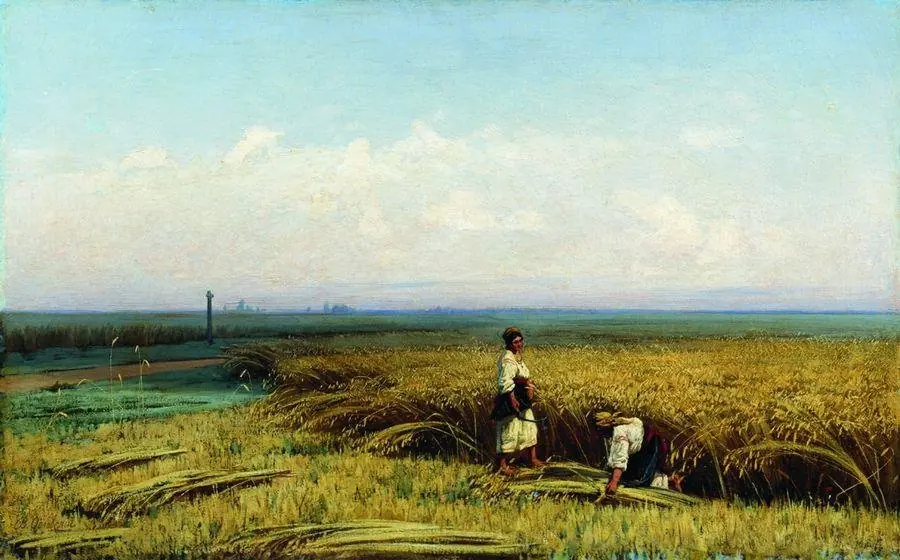
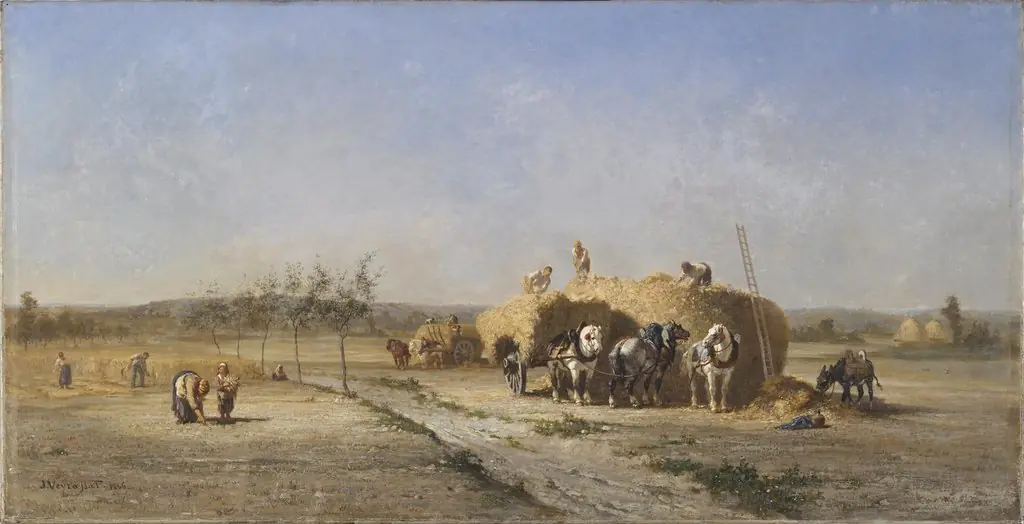
Created in 1903, *Harvest in Anticoli* is an oil painting by Brazilian artist Pedro Weingärtner. Executed in an Impressionist idiom, the canvas captures a sunlit wheat field where figures and animals move together in a moment of seasonal labor. The work is part of the collection of the Pinacoteca do Estado de São Paulo.
Subject & Meaning
The scene portrays a group of harvesters at work, centered on a woman in a red blouse and white skirt bending over the stalks, accompanied by a man holding a rope that leads a team of horses. The composition emphasizes the rhythm of agricultural activity and the interaction between human effort and the landscape.
Technique & Style
Weingärtner employs loose brushwork and a bright palette typical of Impressionism, rendering light on the wheat and sky with swift, broken strokes. The figures are suggested rather than detailed, allowing color and atmosphere to convey the immediacy of the harvest.
History & Provenance
The painting marks a milestone in Weingärtner's career, as he was the first artist from Brazil’s southern state of Rio Grande do Sul to gain recognition abroad. After its creation, the canvas entered the holdings of São Paulo’s state museum, where it remains on display.
Context
Although titled after Anticoli, an Italian village known for its artists’ colony, the work reflects Weingärtner’s interest in rural life and the universal themes of labor and nature. It aligns with early 20th‑century trends in Brazilian art that looked to European movements while depicting local subjects.
Own this work as a print
Artist & collection
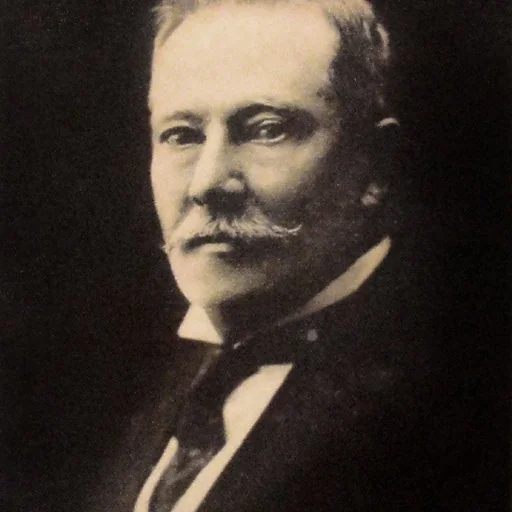
Artist
Pedro Weingärtner (26 July 1853 – 26 December 1929) was an important Academic painter of Brazil, and the first artist born in Rio Grande do Sul to win international praise for his work.