Artwork
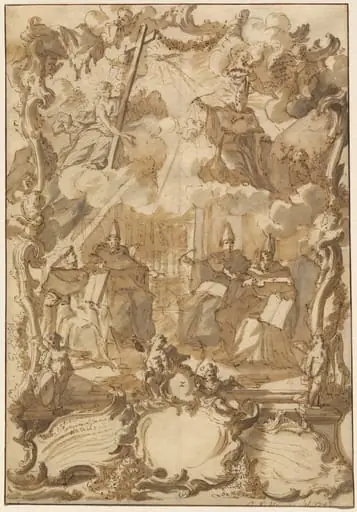
The Madonna and Child in Glory with Saint Theodore and a Monastic Saint
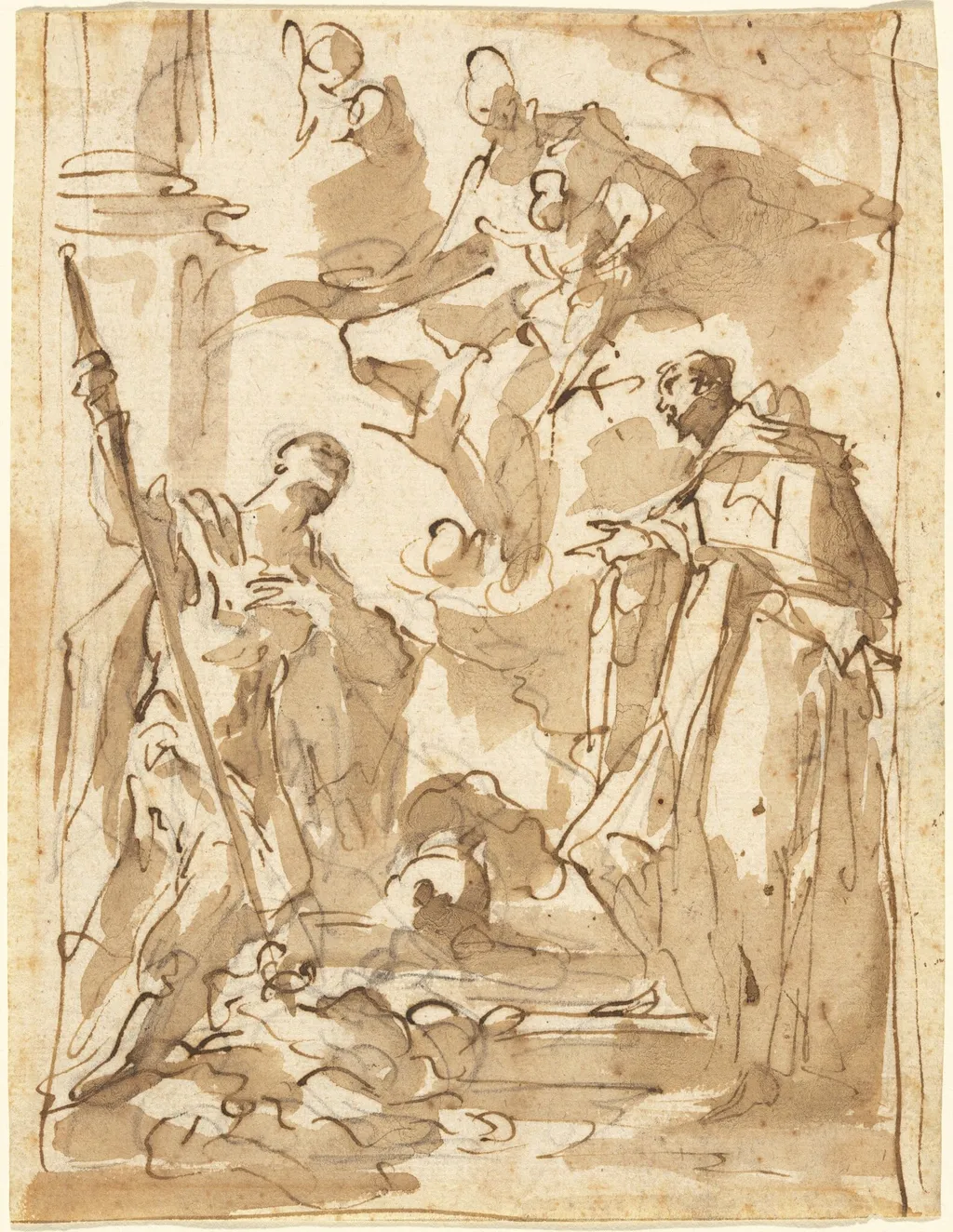
The Madonna and Child in Glory with Saint Theodore and a Monastic Saint is a chalk drawing by the Baroque artist Giovanni Antonio Pellegrini. It dates from 1715 and is held in the collection of the National Gallery of Art.
About this work
The painting is titled The Madonna and Child in Glory with Saint Theodore and a Monastic Saint.
It was created by Giovanni Antonio Pellegrini between 1708 and 1722.
The artist used pen, brown ink, and brown wash over black chalk on laid paper, which was a common technique during the Baroque period, and to learn more about this style, look up the movement: Baroque.
Overview
Giovanni Antonio Pellegrini’s drawing *The Madonna and Child in Glory with Saint Theodore and a Monastic Saint* dates from the early 18th century, around 1715. Executed on laid paper, the work combines pen, brown ink, a brown wash, and underlying black chalk, a medium typical of Venetian draftsmen of the Baroque era.
Subject & Meaning
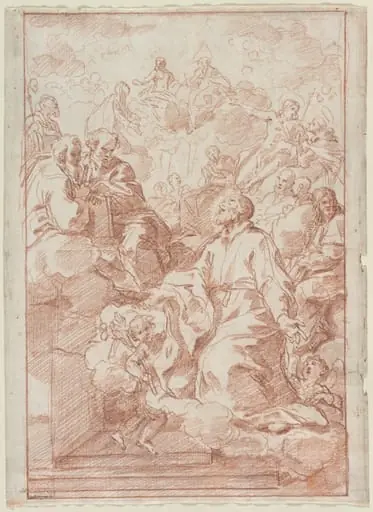
The composition presents the Virgin Mary holding the infant Christ, surrounded by a celestial aura. Flanking them are Saint Theodore, identifiable by his military attire, and a cloistered saint, whose habit signals a monastic identity. The grouping reflects a devotional narrative that emphasizes intercession and heavenly protection.
Technique & Style
Pellegrini’s handling of line and wash demonstrates a synthesis of Renaissance clarity and Baroque dynamism. The fluid pen work recalls the compositional balance of Paolo Veronese, while the vigorous shading and dramatic contrasts echo the theatricality found in the works of Pietro da Cortona and Luca Giordano.
History & Provenance
Created during a period when Pellegrini was itinerant, the drawing likely served as a preparatory study for a larger painted commission. It forms part of his extensive output as a draftsman, complementing his reputation as a painter and printmaker, and has remained within collections that document his Venetian activity.
Context
The early 1700s saw Venetian artists integrating narrative religious subjects with the expressive language of the Baroque. Pellegrini’s work fits within this tradition, employing a modest medium to explore complex theological themes while maintaining the decorative richness associated with Venetian visual culture.
Artist & collection
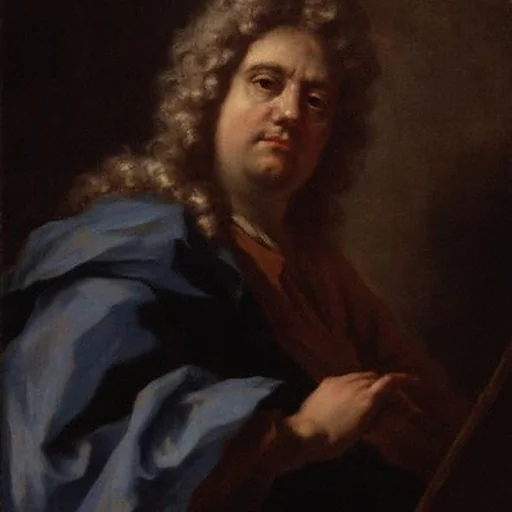
Artist
Giovanni Antonio Pellegrini (29 April 1675 – 2 or 5 November 1741) was one of the leading Venetian history painters of the early 18th century.

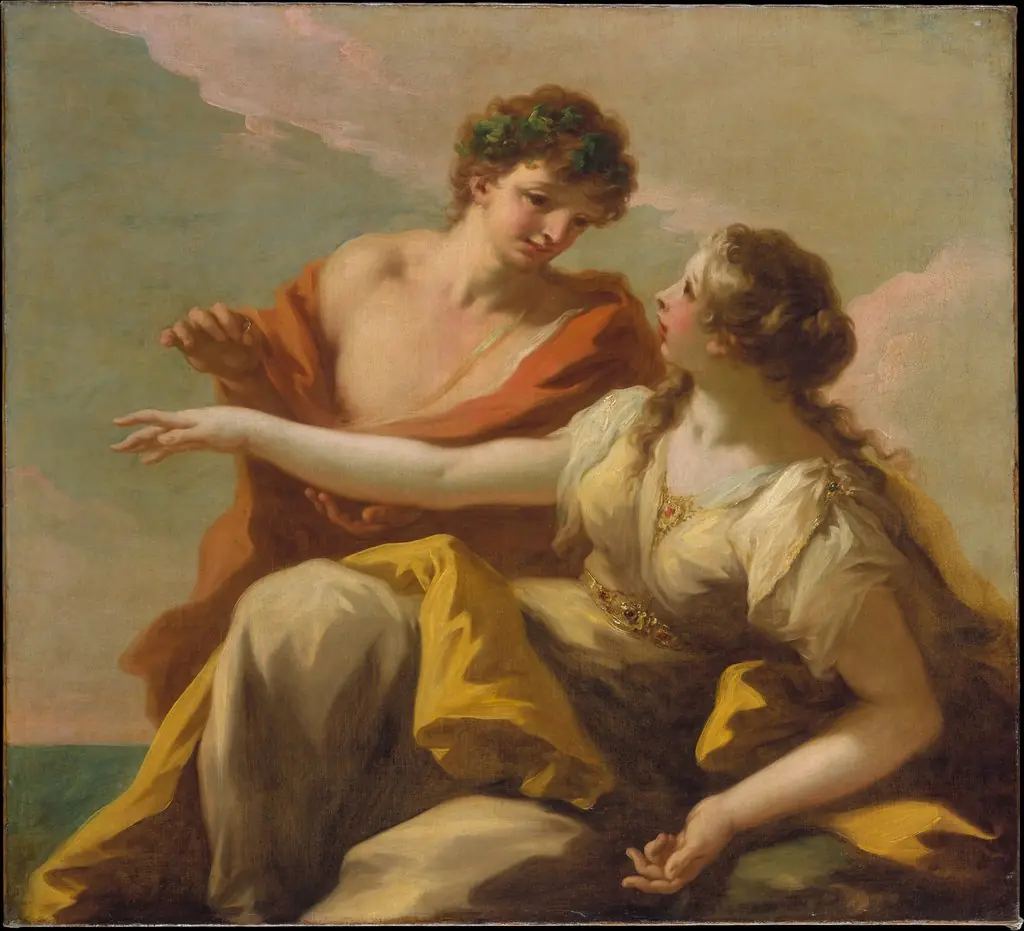 Bacchus and Ariadne
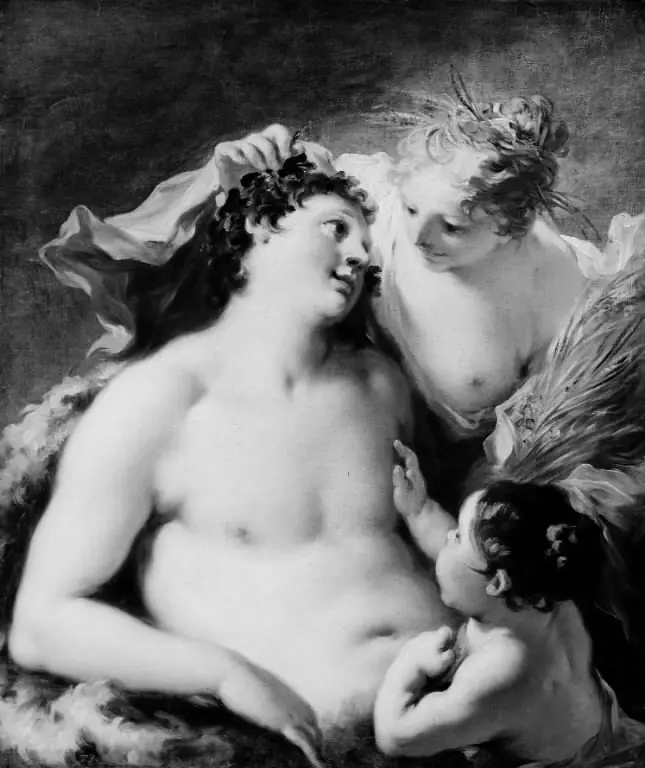 Ceres, Bacchus and Cupid
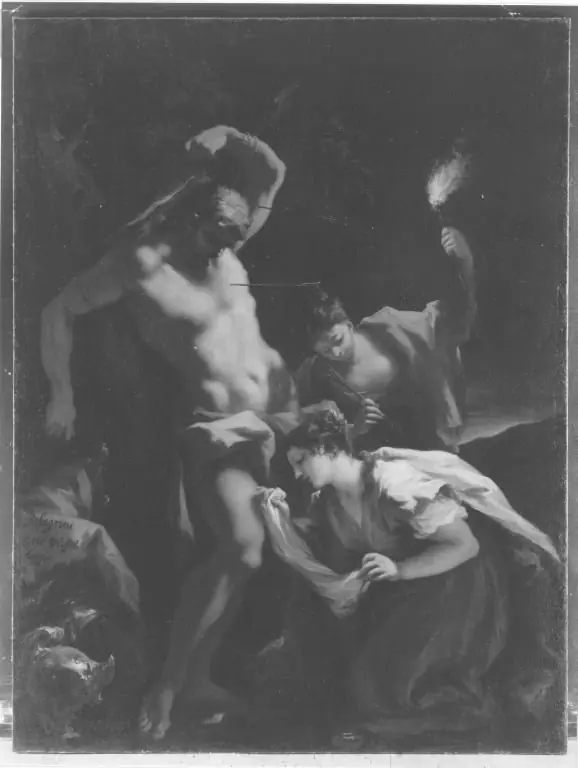 Rettung des hl. Sebastian durch Irene
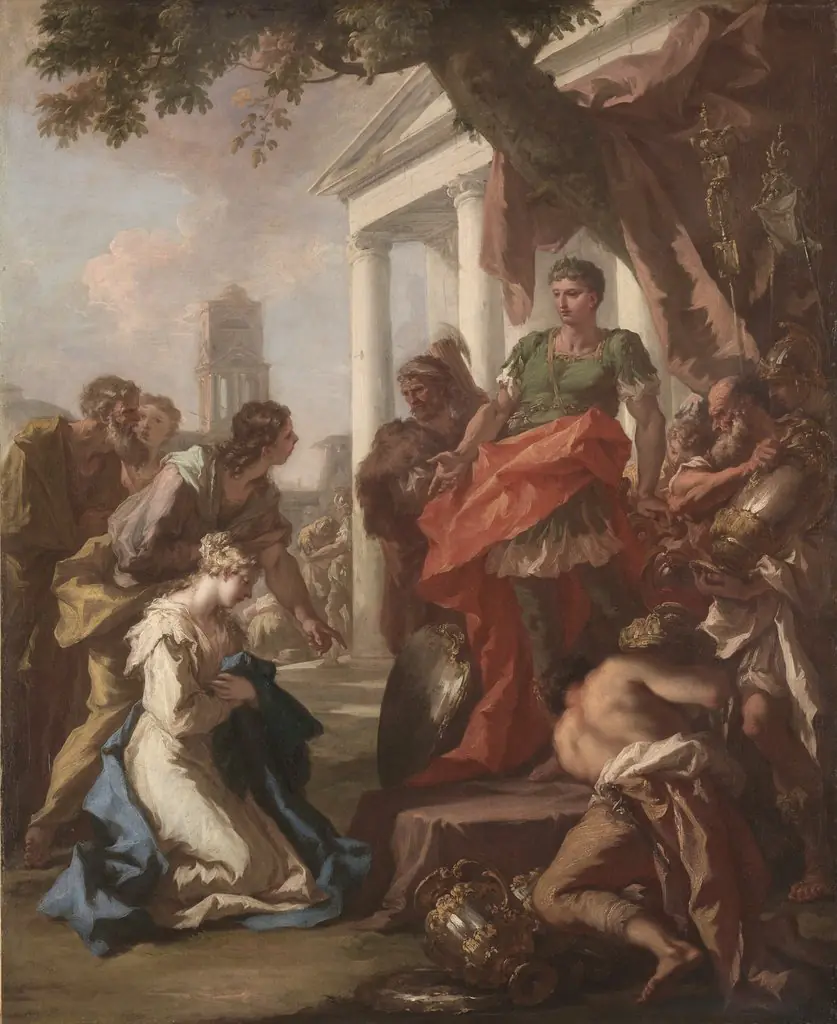 The Continence of Scipio
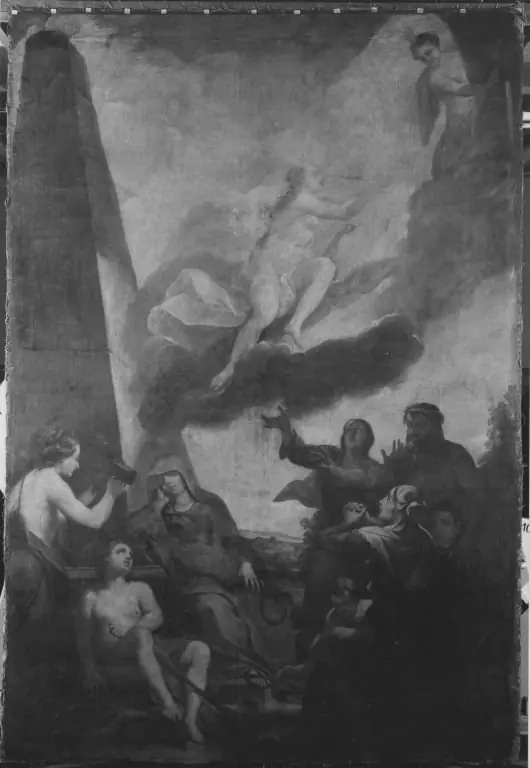 Allegorie auf den Tod einer Fürstin
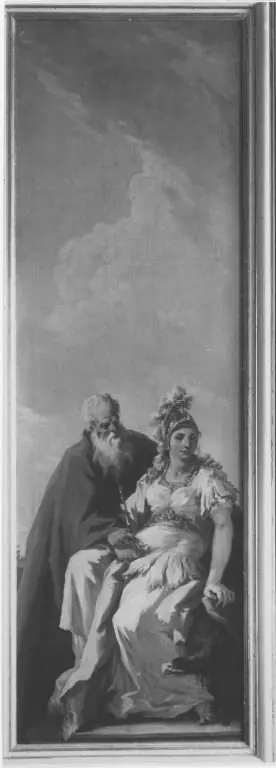 Allegorie: Ein alter Mann ergreift das Szepter
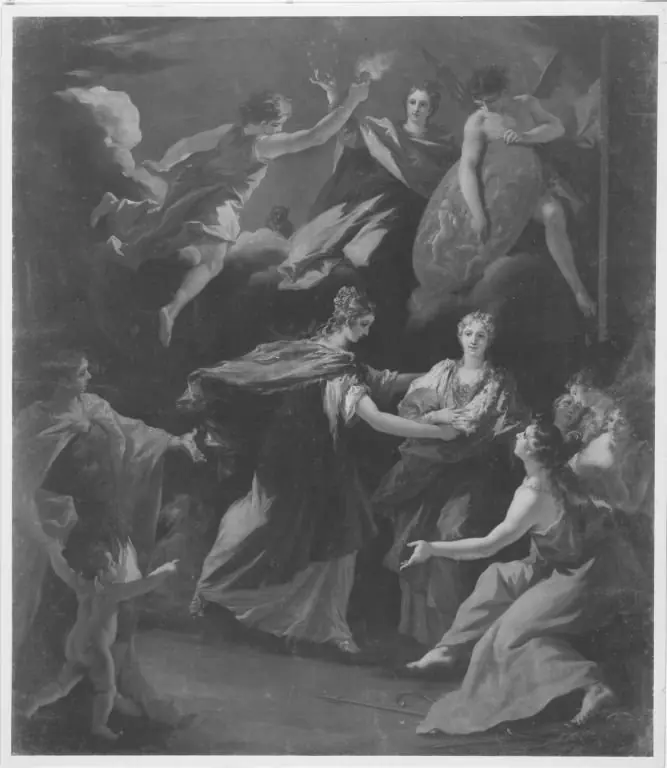 Begrüßung der Kurfürstin Maria Luisa von Toskana
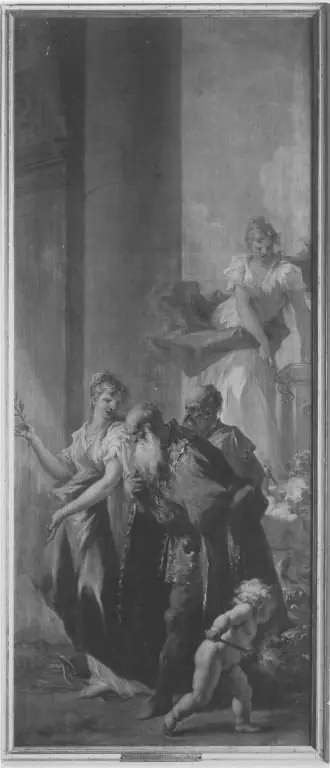 Allegorie der Befreiung vom Joch des Islam (Frieden und Glück unter Johann Wilhelm von der Pfalz)