Artwork
Temple Bar
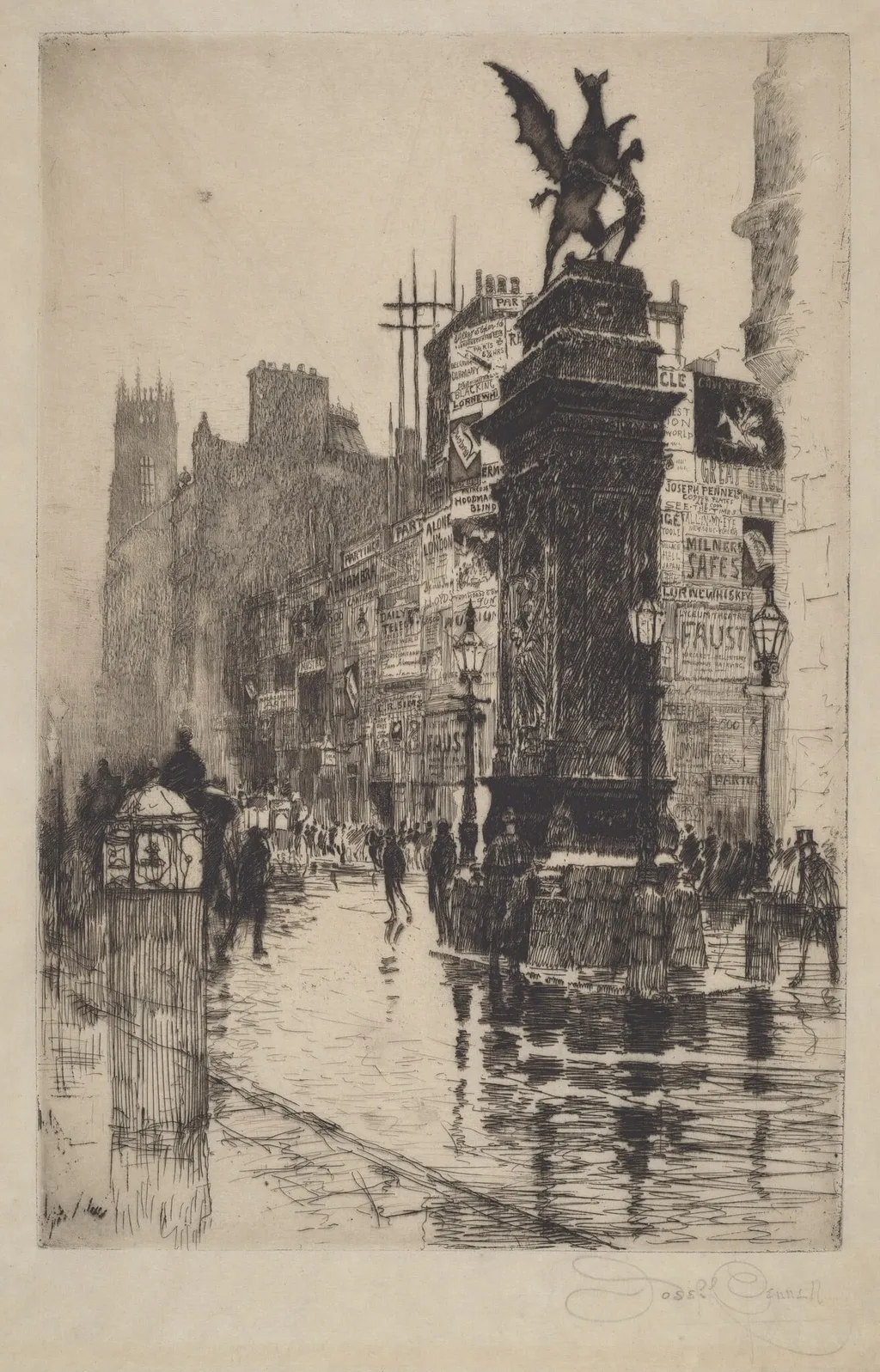
Temple Bar is an ink print by the Impressionist artist Joseph Pennell. It dates from 1885 and is held in the collection of the National Gallery of Art.
About this work
Overview
Created in 1885, *Temple Bar* is an etching with drypoint on Japanese paper by American artist Joseph Pennell.
Created in 1885, *Temple Bar* is an etching with drypoint on Japanese paper by American artist Joseph Pennell. The work captures a bustling London street scene centered on the historic Temple Bar gateway. Pennell’s choice of medium allowed for fine, expressive lines that convey both texture and movement, reflecting his commitment to detailed urban observation and the tonal possibilities of printmaking.
Subject & Meaning
The print focuses on the ornate stone column of Temple Bar, once a ceremonial entrance to the City of London, now adorned with commercial signage for safes and other goods. Figures in period dress and a horse-drawn carriage suggest daily urban life. The juxtaposition of historic architecture with modern advertising hints at the tension between tradition and commercialization in late-Victorian London.
Technique & Style
Pennell employed etching and drypoint to achieve sharp contrasts and rich, velvety blacks. The wet pavement reflects light, enhancing the sense of atmosphere, while dense, angular lines define the crowded buildings and figures. Drypoint’s burr adds grain to shadows, lending immediacy to the scene. The delicate Japanese paper absorbs ink subtly, preserving the nuance of his hand-carved lines.
History & Provenance
Pennell produced *Temple Bar* during a period of extensive travel in Europe, where he documented architectural landmarks. The print was likely made shortly after his return from London, part of a series exploring urban transformation. It remained in private collections until entering public institutional holdings, where it is now recognized as a representative example of his topographical prints.
Context
In the 1880s, etching experienced a revival among artists seeking alternatives to mass-produced illustrations. Pennell, influenced by Whistler and his American mentors, aligned with this movement, valuing the print’s intimacy and directness. His focus on London’s evolving streets mirrored broader cultural interest in documenting industrial modernity through traditional techniques.
Legacy
Pennell’s *Temple Bar* exemplifies the late 19th-century shift toward personal, observational printmaking. Though not widely exhibited in his lifetime, his urban scenes later gained scholarly attention for their nuanced portrayal of modern life. The work remains a reference for studies on the intersection of architecture, commerce, and print culture in Victorian England.
Artist & collection
Artist
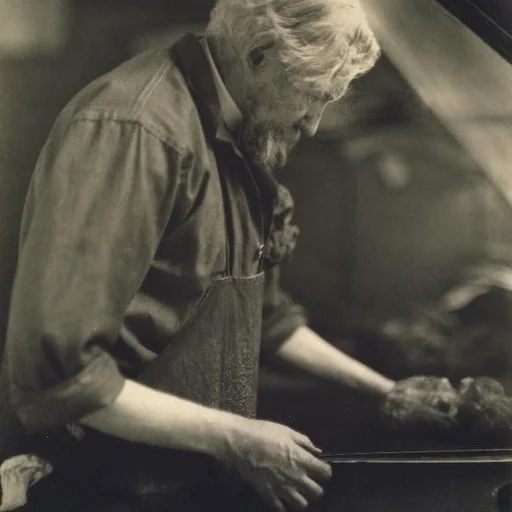
Joseph Pennell (July 4, 1857 – April 23, 1926) was an American draftsman, etcher, lithographer, and illustrator for books and magazines.

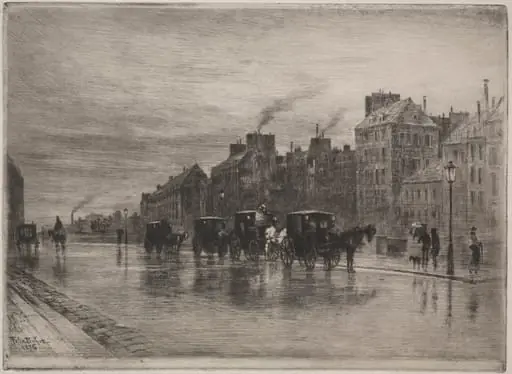 A Winter Morning on the Quai de L'Hotel-Dieu
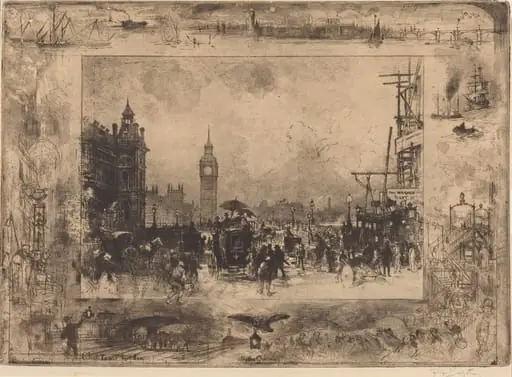 Westminster Bridge
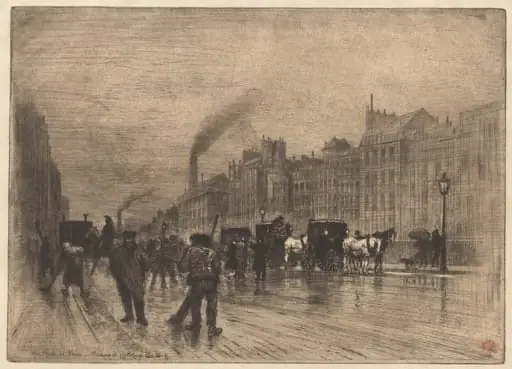 Matinée d'Hiver sur les Quais (Winter Morning on the Quays)
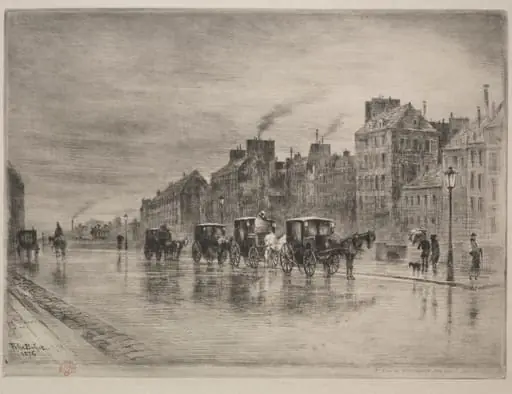 A Winter Morning on the Quai de l'Hôtel -Dieu
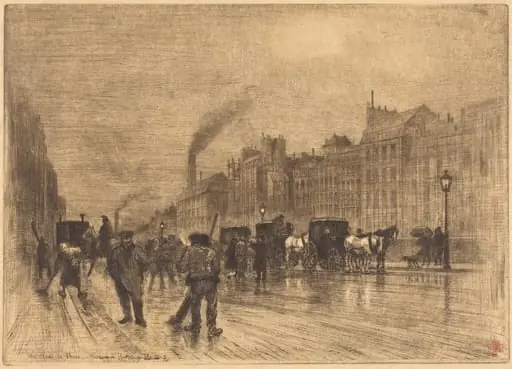 Matinée d'Hiver sur les Quais
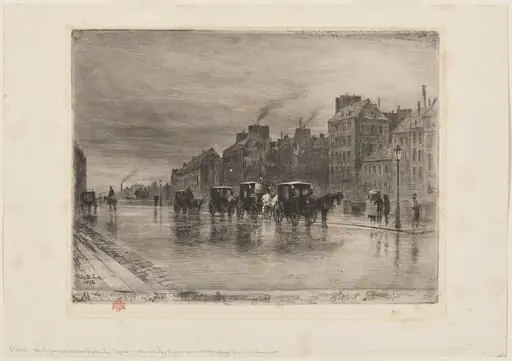 Une Matinée d'Hiver au Quai de l'Hôtel-Dieu (Winter Morning on the Quai de l'Hôtel-Dieu)
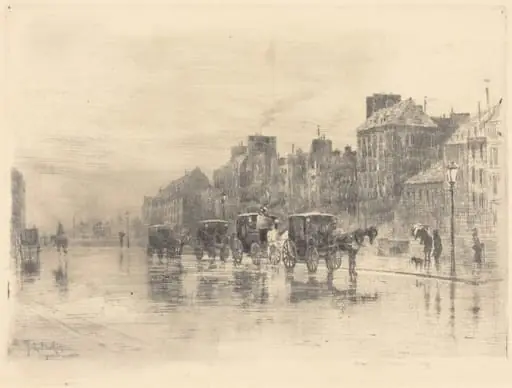 Une Matinée d'Hiver au Quai de l'Hôtel-Dieu (Winter Morning on the Quai de l'Hôtel-Dieu)
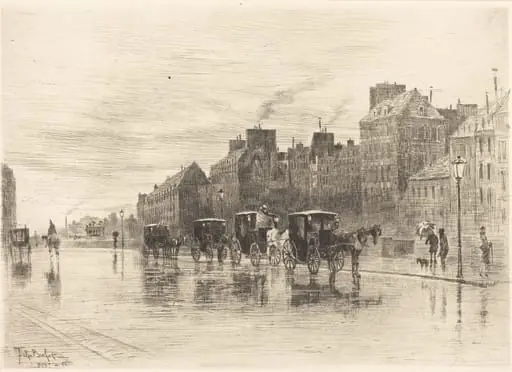 Une Matinée d'Hiver au Quai de l'Hôtel-Dieu (Winter Morning on the Quai de l'Hôtel-Dieu)
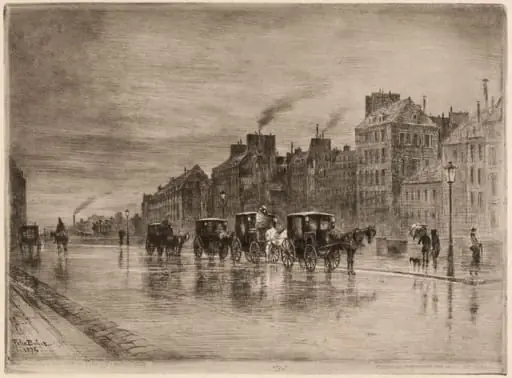 Une Matinée d'Hiver au Quai de l'Hôtel-Dieu (Winter Morning on the Quai de l'Hôtel-Dieu)
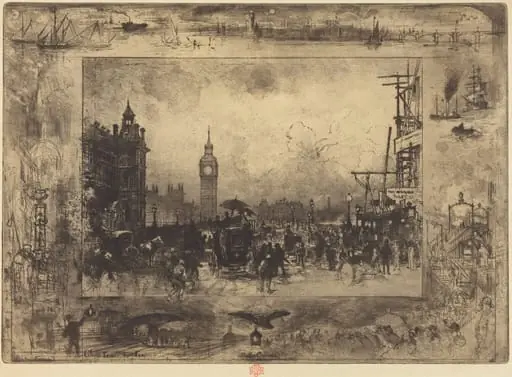 Westminster Bridge
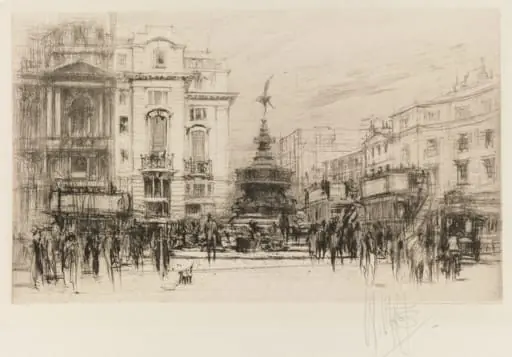 London Set: Piccadilly Circus (with Criterion Theatre)
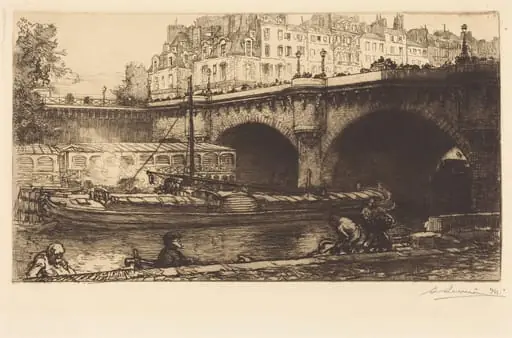 Pont Neuf