Artwork
London Set: Piccadilly Circus (with Criterion Theatre)
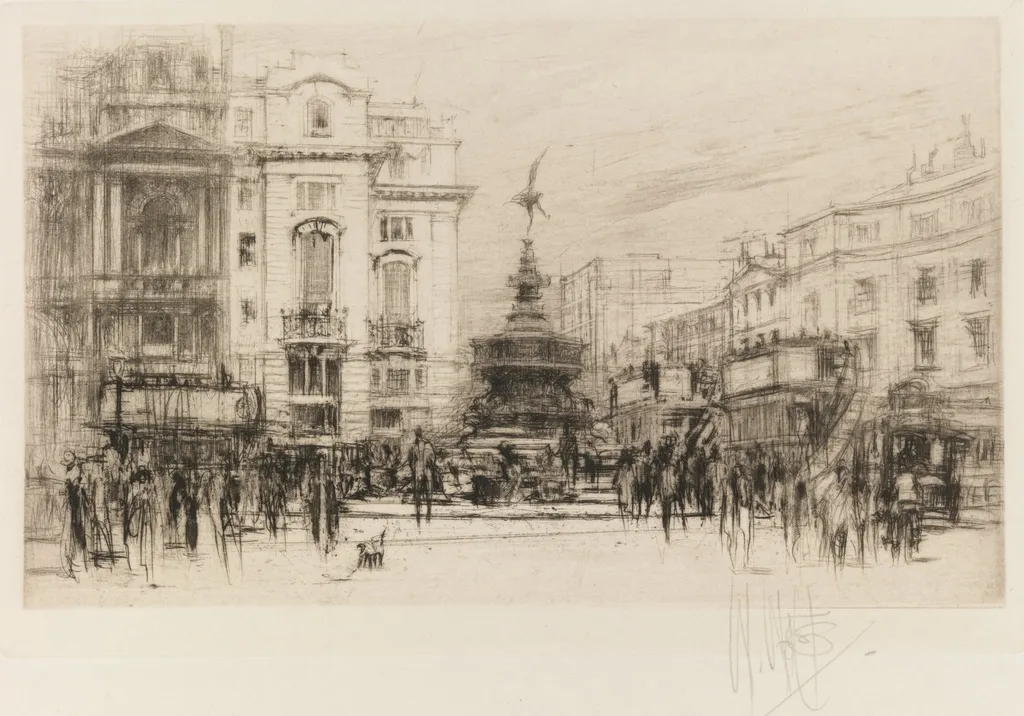
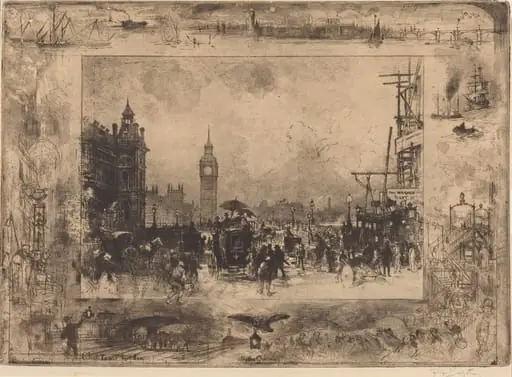
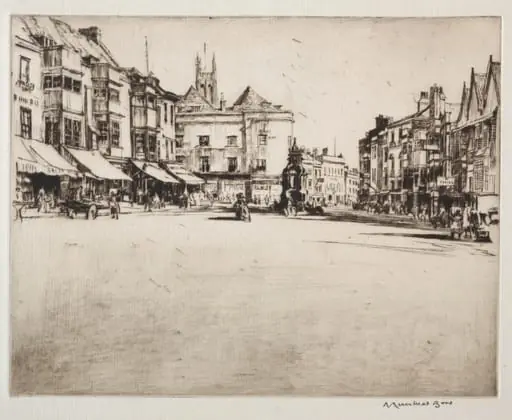
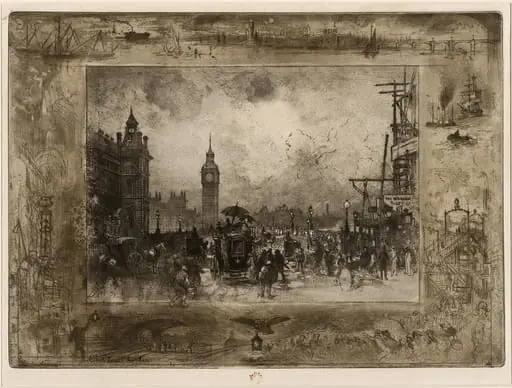
London Set: Piccadilly Circus (with Criterion Theatre) is a print by William Walcot. It dates from 1924 and is held in the collection of the Cleveland Museum of Art.
About this work
Overview
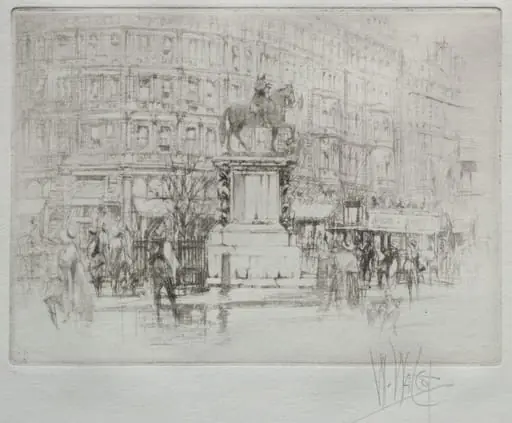
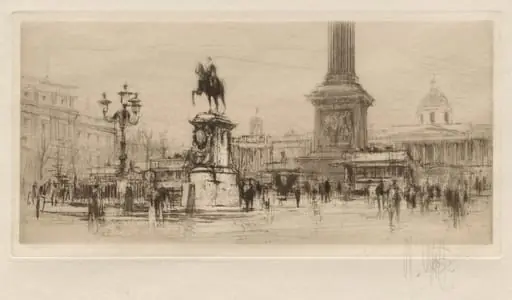
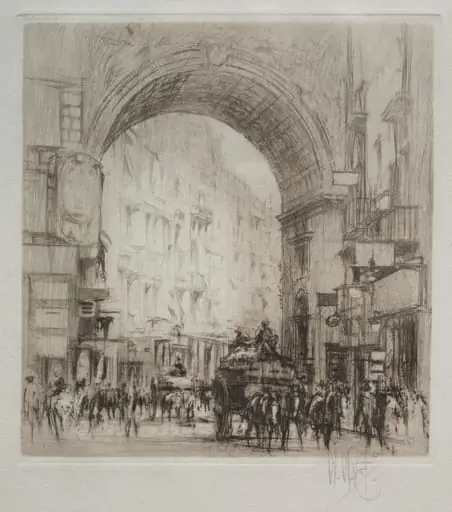
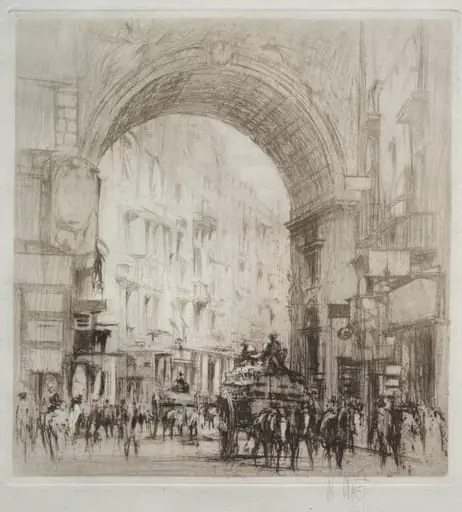
Created in 1924 by William Walcot, this print captures a bustling intersection in central London. Part of a series documenting urban life, it focuses on Piccadilly Circus with the Criterion Theatre prominently featured. The work is held in the collection of The Cleveland Museum of Art, where it is valued for its precise rendering of early 20th-century city architecture and movement.
Subject & Meaning
The inclusion of a small dog in the foreground adds a quiet, humanizing detail, suggesting the everyday rhythms of urban existence amid commercial grandeur.
The scene portrays Piccadilly Circus at a moment of transition, where horse-drawn carriages share the road with early automobiles. Pedestrians move with purpose around a central fountain, while the Criterion Theatre’s ornate facade anchors the composition. The inclusion of a small dog in the foreground adds a quiet, humanizing detail, suggesting the everyday rhythms of urban existence amid commercial grandeur.
Technique & Style
Walcot employed fine linework and layered textures to convey architectural complexity and atmospheric depth. The print’s intricate detailing of windows, balconies, and stonework reflects his architectural training. Delicate hatching and controlled contrasts create a sense of volume and motion, balancing the static grandeur of buildings with the dynamic flow of street life.
History & Provenance
The print was produced as part of Walcot’s London Set, a group of architectural views made during the 1920s. It entered The Cleveland Museum of Art’s collection through established acquisition channels, likely as part of a broader interest in European printmaking of the interwar period. Its preservation reflects its significance as a document of London’s evolving urban landscape.
Context
In the 1920s, London was undergoing modernization, with motor vehicles increasingly displacing horses on major thoroughfares. Walcot’s work captures this shift without overt commentary, presenting the city as a layered environment where old and new coexist. His focus on architectural detail aligns with contemporary interests in documenting the built environment amid rapid change.
Legacy
Walcot’s London Set remains a valuable record of interwar urban life, appreciated for its technical precision and observational clarity. While not widely known outside specialized circles, the print contributes to the understanding of how architects of the time engaged with the city as both subject and structure. It continues to inform studies of early 20th-century British printmaking and urban history.
Artist & collection

Artist
William Walcot RE was a Russian-Scottish architect, graphic artist and etcher, notable as a architect of refined Art Nouveau in Moscow, Russia.

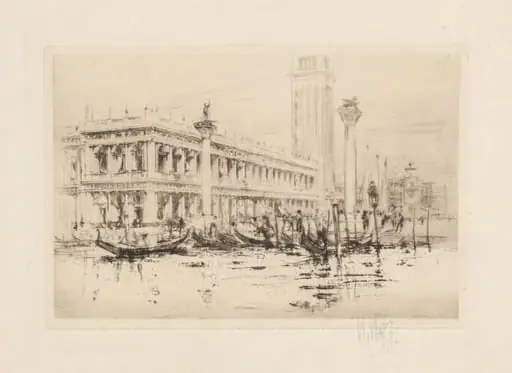 The Venice Set: The Library of St. Mark’s
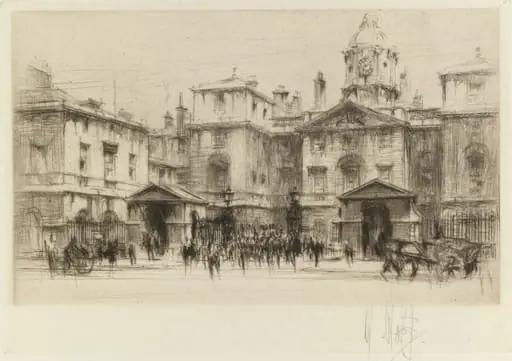 London Set: Horseguards
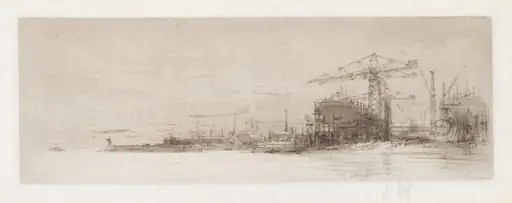 The Clyde from the series The Arteries of Great Britain
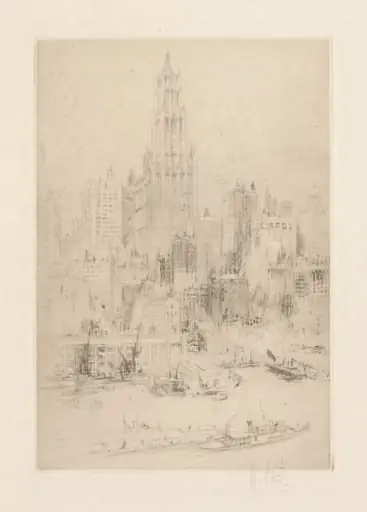 Downtown Manhattan from the East River, with the Woolworth Building
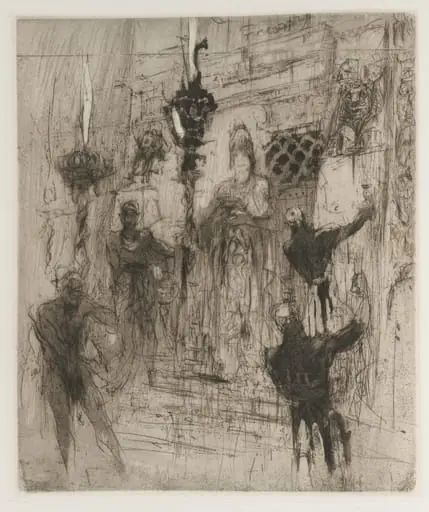 Herodias
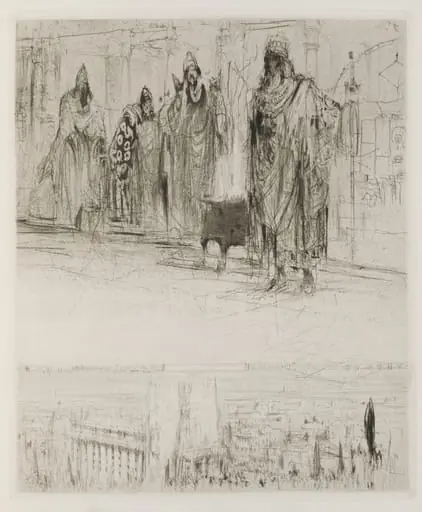 Herodias: Page 13, The tetrarch was awaited by several Galileans, the master of scribes, the chief of the land steward, the manager of the salt mines, and a Jew from Babylon commanding his troops on horse
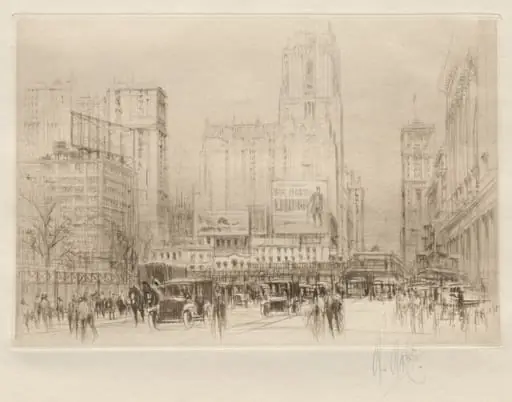 Forty-second Street NY
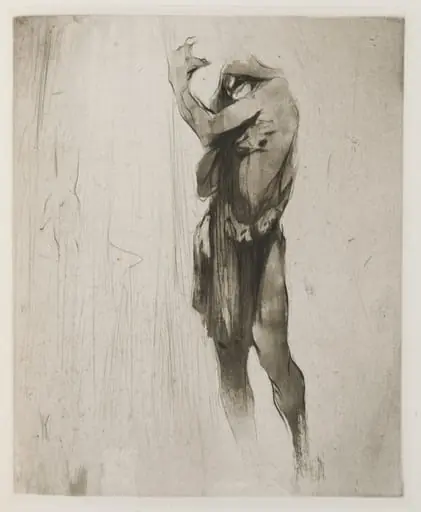 Herodias: Page 27, The voice rose: Woe to thee, Pharisees and Sadducees, race of vipers, bursting with pride!