Artwork
Pont Neuf
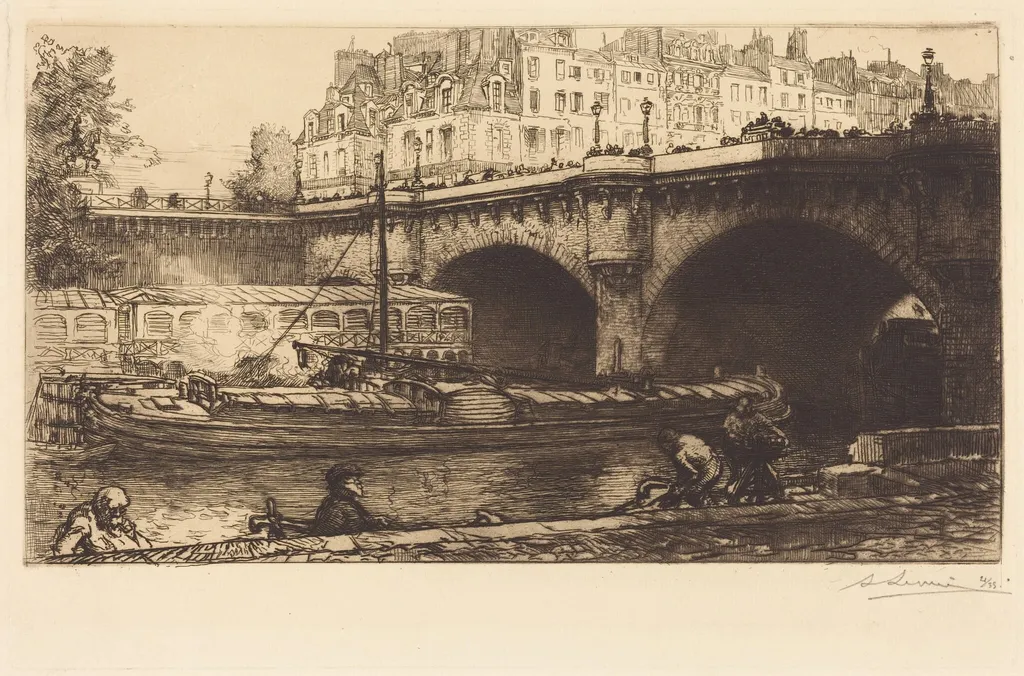
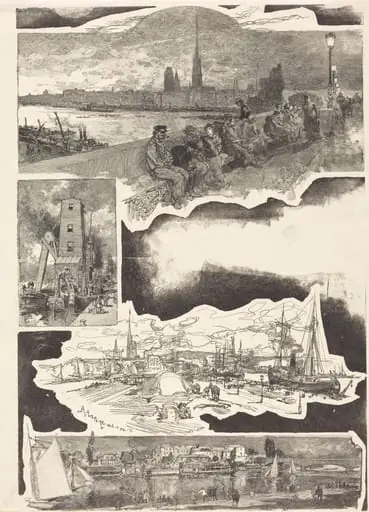
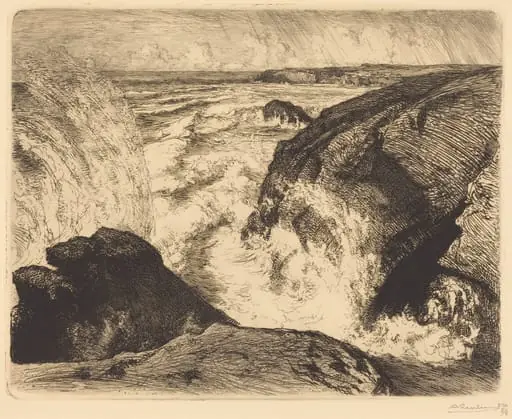
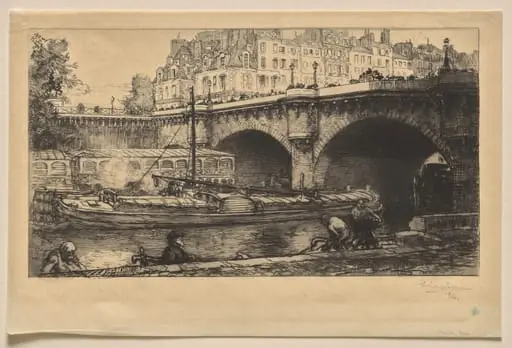
Pont Neuf is an ink print by Auguste Lepère. It dates from 1901 and is held in the collection of the National Gallery of Art.
About this work
Overview
Auguste Lepère produced *Pont Neuf* in 1901 as an etching, part of his broader focus on urban landscapes and printmaking revival. Though primarily known for wood engraving, he turned to etching to capture the architectural character of Parisian landmarks. This work exemplifies his technical precision and interest in translating cityscapes into intimate, detailed prints.
Subject & Meaning
The etching depicts the Pont Neuf, Paris’s oldest standing bridge, rendered with attention to its stonework, arches, and pedestrian activity.
The etching depicts the Pont Neuf, Paris’s oldest standing bridge, rendered with attention to its stonework, arches, and pedestrian activity. Lepère’s choice of subject reflects a quiet celebration of everyday urban life, avoiding grandeur in favor of observed detail. The bridge, a symbol of continuity, becomes a quiet anchor in the composition, grounding the scene in the rhythms of daily passage.
Technique & Style
Using etching, Lepère incised lines into a metal plate coated with acid-resistant ground, then submerged it in acid to bite the exposed areas. This method allowed fine control over texture, enabling him to render the bridge’s weathered stone and the subtle play of light and shadow. The resulting image balances delicate linework with atmospheric depth, characteristic of his refined approach to printmaking.
History & Provenance
Created in 1901, *Pont Neuf* emerged during a period when Lepère was actively promoting traditional print techniques in France. While specific early ownership records are not widely documented, the work aligns with his broader output for collectors and institutions interested in the revival of handcrafted prints. It remains a representative example of his mature period in etching.
Context
At the turn of the 20th century, Paris was undergoing modernization, yet artists like Lepère turned to historic structures as subjects of quiet reverence. His etchings stood in contrast to the rapid changes of the era, offering a meditative counterpoint. This work reflects a broader trend among printmakers who sought to preserve the visual character of older urban environments through meticulous handwork.
Legacy
Lepère’s *Pont Neuf* contributes to his reputation as a key figure in the European print revival. Though less celebrated than his wood engravings, this etching demonstrates his versatility and commitment to technical mastery. It remains a reference point for understanding how late 19th- and early 20th-century artists used traditional methods to engage with the evolving modern city.
Artist & collection
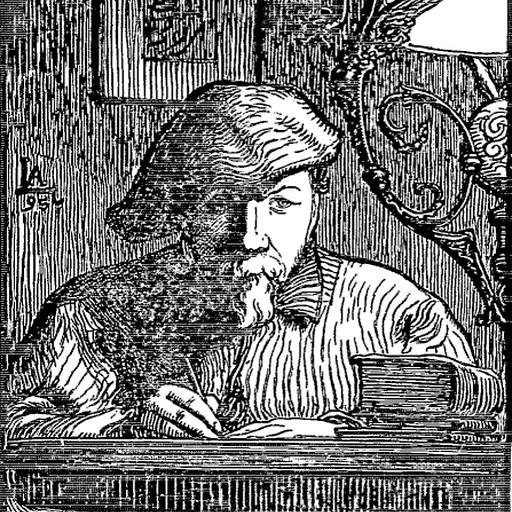
Artist
Louis-Auguste Lepère (30 November 1849 – 20 November 1918) was a French painter and etcher. Lepère is also considered a leader in the creative revival of wood engraving in Europe.