Artwork
Der hl. Karl Borromäus im Gebet
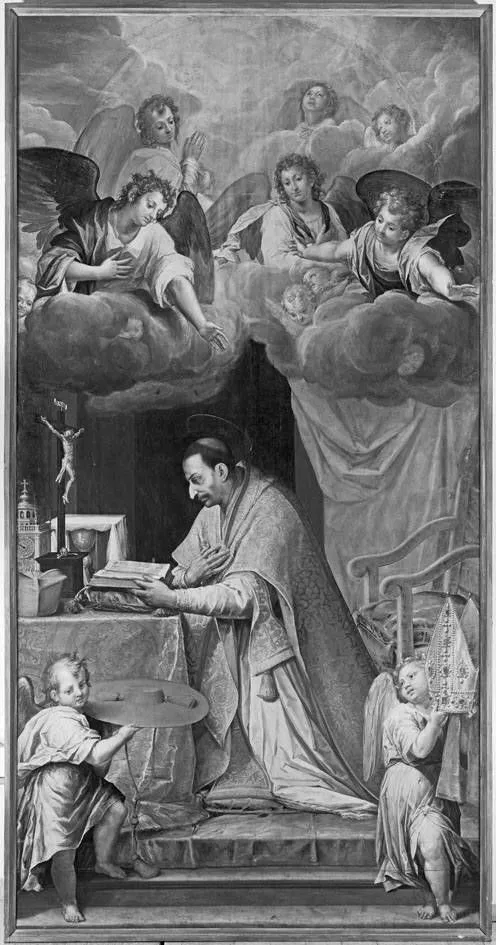
Der hl. Karl Borromäus im Gebet is an unspecified painting by the Flemish Baroque painting artist Peter Candid. It dates from 1622 and is held in the collection of the Bavarian State Painting Collections. Created in 1622, the work portrays Saint Charles Borromeo kneeling in prayer, surrounded by a host of angels and cherubs.
About this work
Overview
Created in 1622, the work portrays Saint Charles Borromeo kneeling in prayer, surrounded by a host of angels and cherubs. The composition is set against a dramatic sky of clouds and darkness, employing strong contrasts of light and shadow to emphasize the saint’s devotion. The painting is part of the collection of the Alte Pinakothek in Munich.
Subject & Meaning
The central figure, Saint Charles Borromeo, is shown with clasped hands, embodying the Counter‑Reformation emphasis on personal piety and intercession. The attendant angels and cherubs, some playing instruments or bearing symbolic objects, reinforce the sanctity of the moment and suggest heavenly approval of the saint’s supplications.
Technique & Style
Candid’s handling of chiaroscuro creates a sense of depth, with illuminated forms emerging from a tenebrous background. The figures are rendered with the elongated proportions typical of Mannerist influence, while the rich coloration and dynamic poses anticipate the exuberance of early Baroque painting.
History & Provenance
Born in Flanders, Peter Candid (also known as Pietro Candido) trained in Italy before entering the service of the Bavarian dukes William V and Maximilian I. After its creation for a Bavarian patron, the painting entered the holdings of the Alte Pinakothek, where it remains on public display.
Context
The image reflects the broader Flemish Baroque movement, which merged Northern detail with Italian compositional drama. Its devotional subject aligns with the post‑Council of Trent directives that encouraged clear, emotionally resonant religious imagery to inspire the faithful.
Artist & collection
Artist
Peter de Witte, known in Italy as Pietro Candido and in Bavaria as Peter Candid (c.

 The Annunciation
 Portrait of Dirck Wilre with a Servant
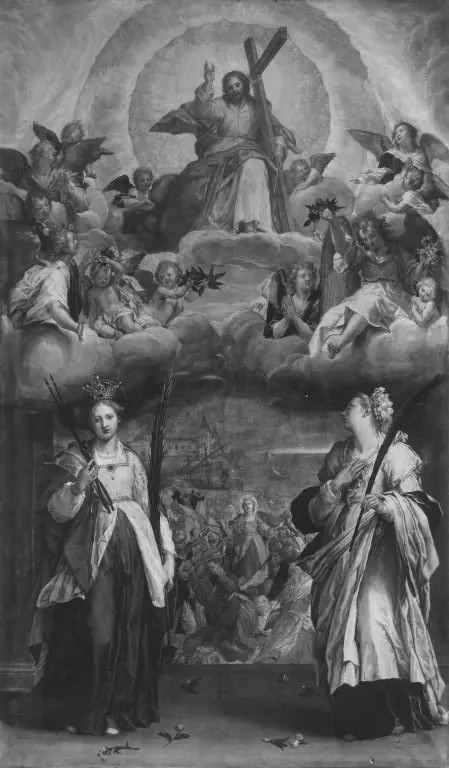 Die hll. Ursula und Cordula
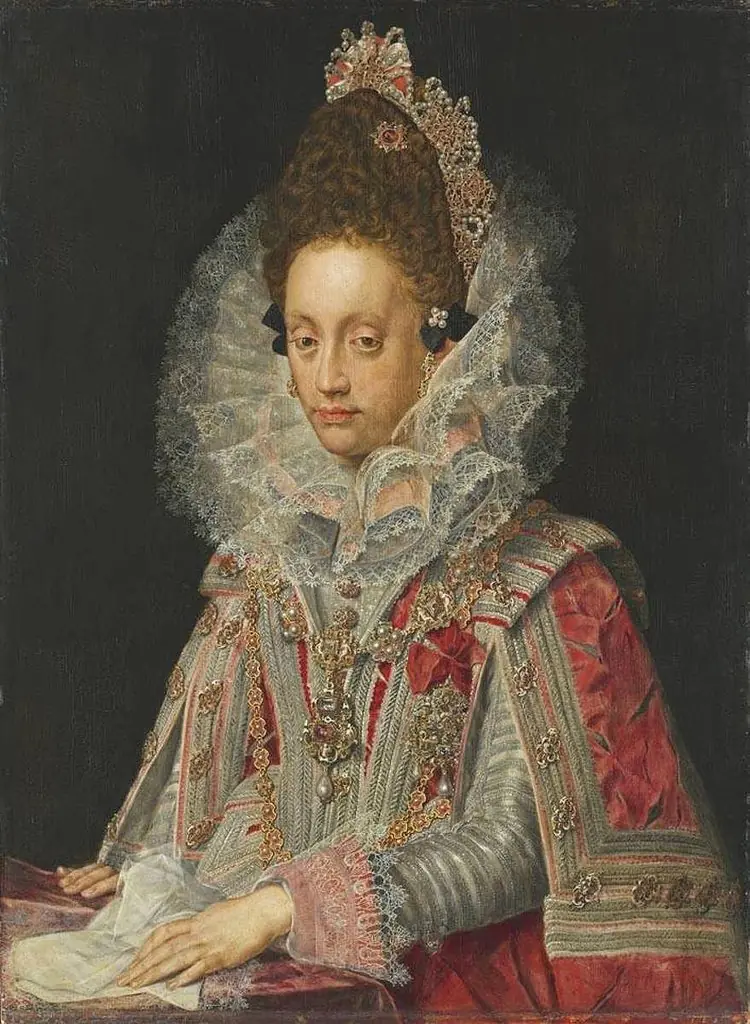 Bildnis der Herzogin Magdalena von Bayern, Gemahlin Herzog Wolfgang Wilhelms von Pfalz-Neuburg, im Hochzeitsstaat (1597-1628)
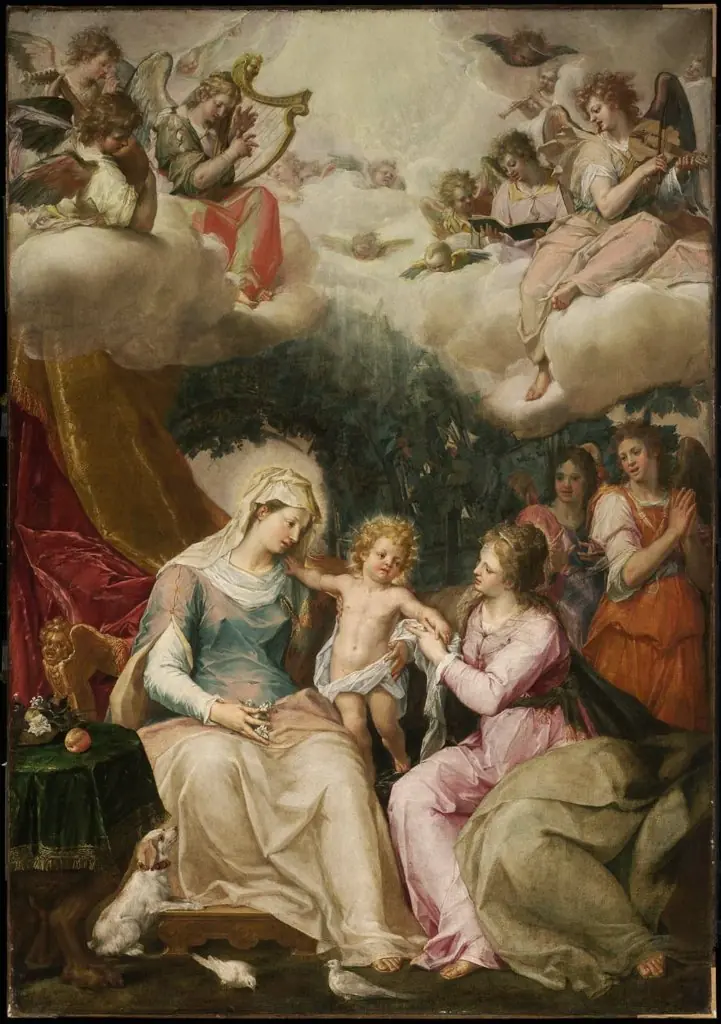 The Mystic Marriage of Saint Catherine
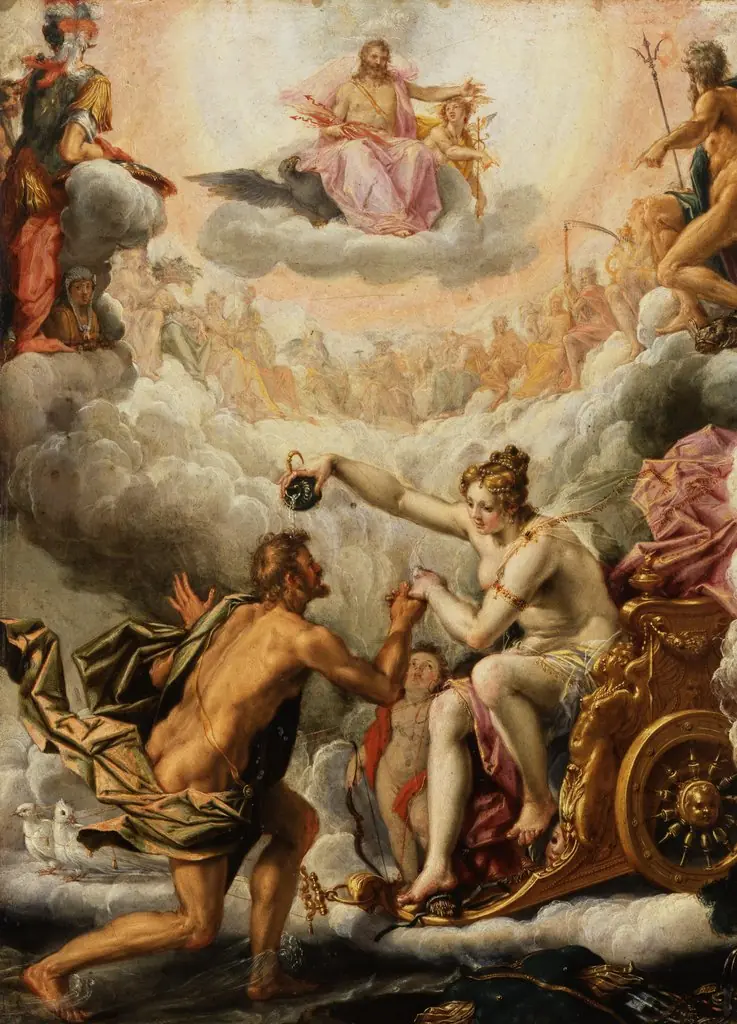 Aeneas wird von Venus in den Olymp aufgenommen
 Minerva als Friedensbringerin (Werkstatt)
 Securitas Publica (Werkstatt)
 Hl. Franz von Sales
 Saint Ignatius de Loyola
 Hl. Karl Borromäus
 The Seizing of Saint Mark
 Ignatius von Loyola
 Saint Ignatius de Loyola, Founder of the Jesuits
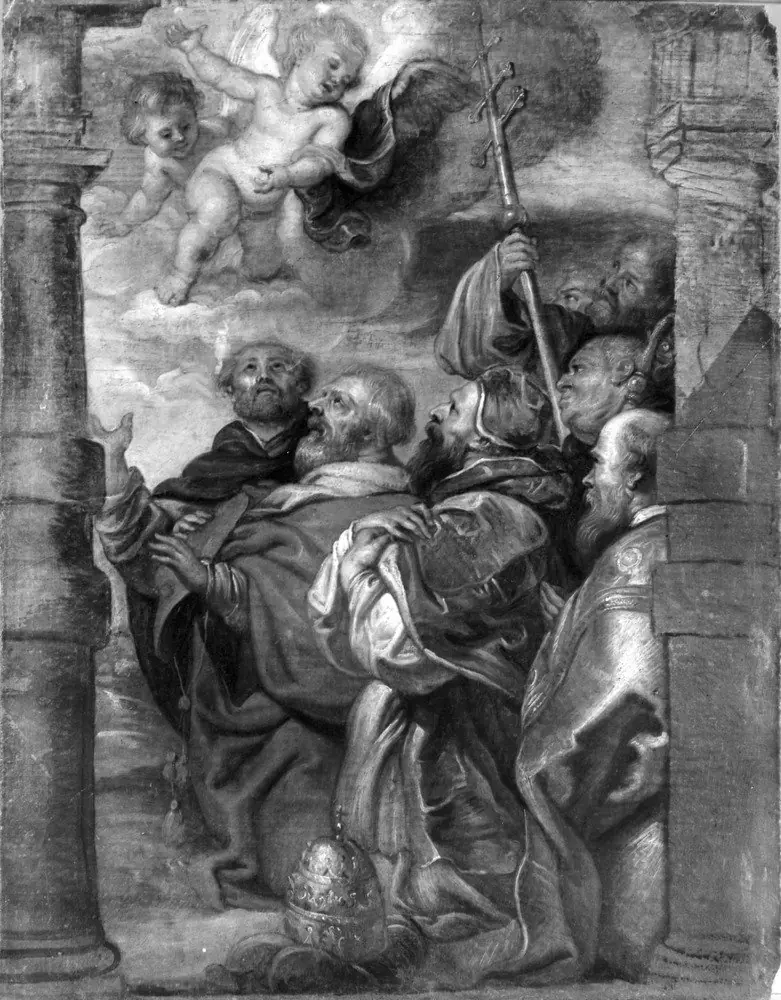 The Adoration of the Blessed Sacrament by the Ecclesiastical Hierarchy
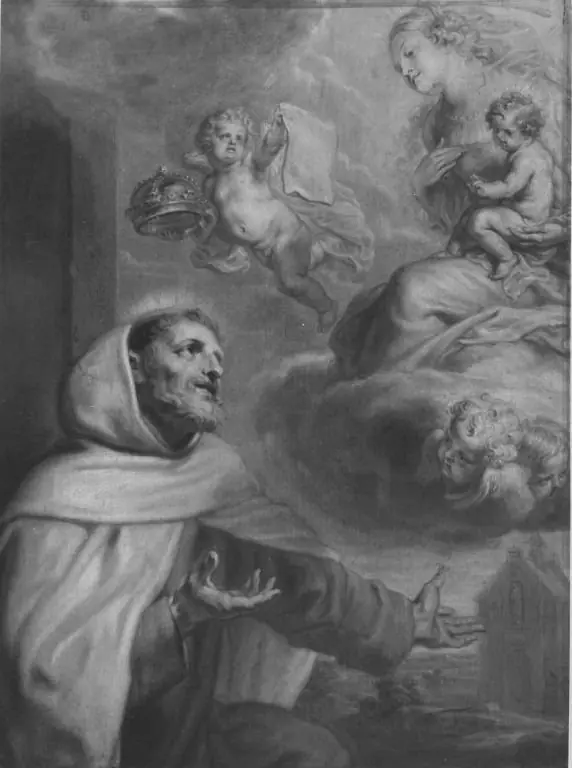 Hl. Agabus von Antiochia
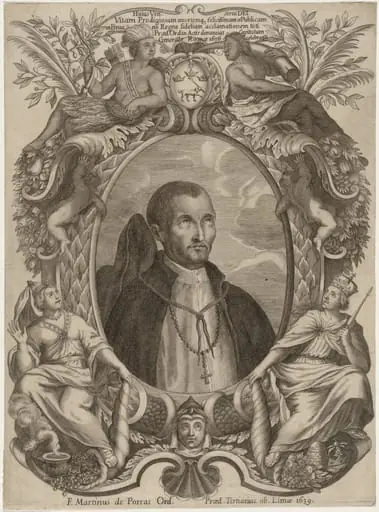 Friar Martinus de Porras
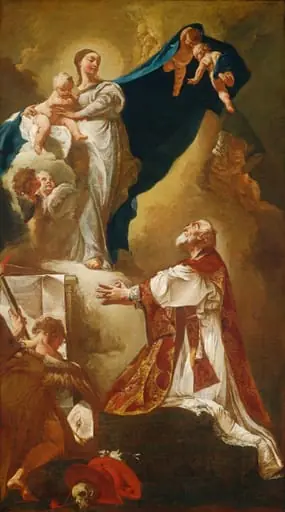 Madonna and Child Appearing to Saint Philip Neri
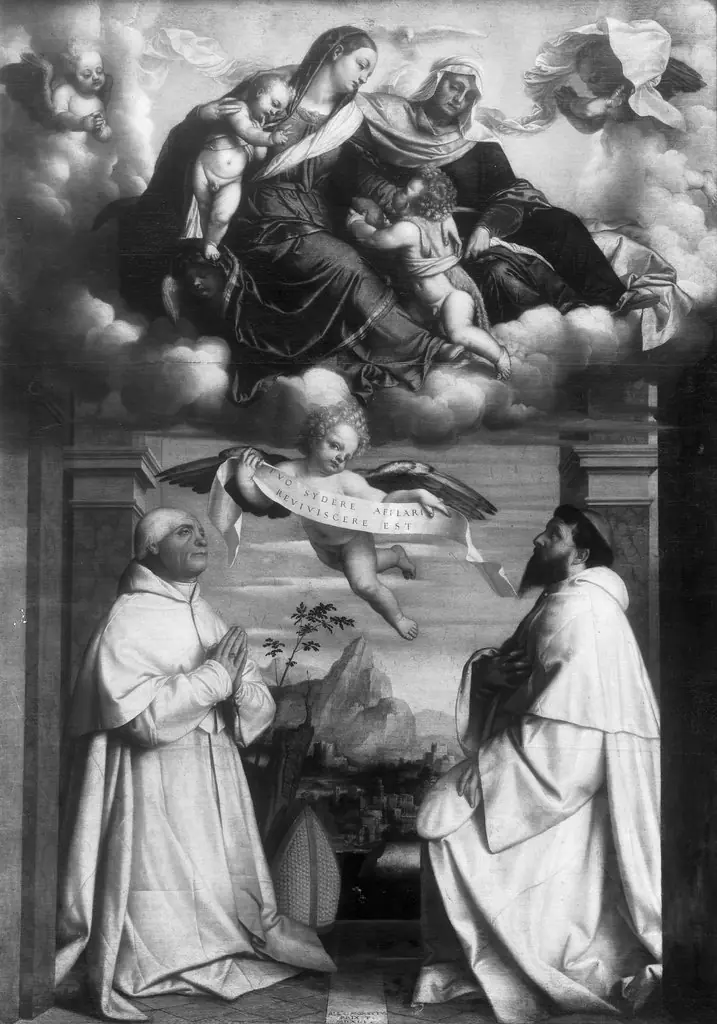 Mary, Elisabeth, the child and the young st. John in glory, adored by two monks in white religious costume
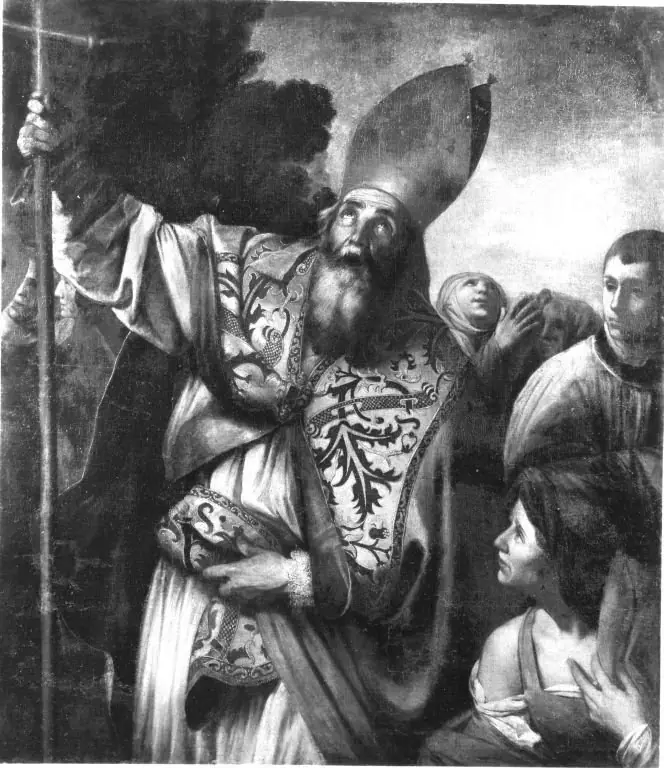 Der hl. Ambrosius