Artwork
Die hll. Ursula und Cordula
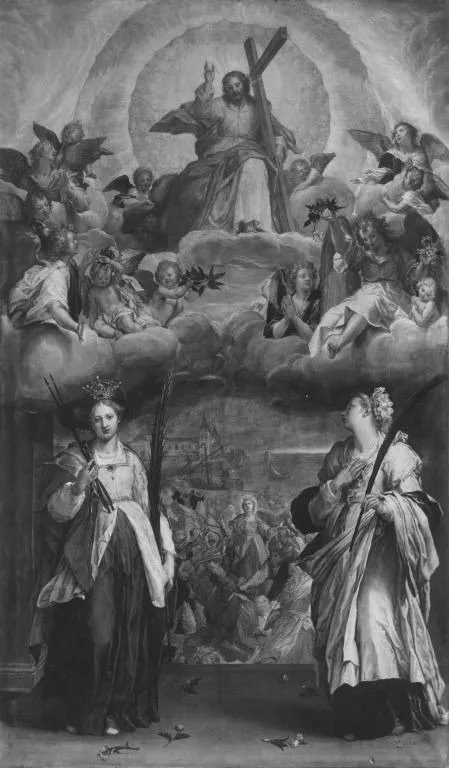
Die hll. Ursula und Cordula is an unspecified painting by the Flemish Baroque painting artist Peter Candid. It dates from 1620 and is held in the collection of the Bavarian State Painting Collections.
About this work
Overview
Created in 1620 by Peter Candid, the oil painting titled *Die hll. Ursula und Cordula* presents a religious tableau characteristic of the Flemish Baroque. The work is part of the Alte Pinakothek’s collection in Munich and measures the interaction between holy figures and a populated setting, rendered with a pronounced play of light and shadow that gives the scene a three‑dimensional presence.
Subject & Meaning
Above them, a celestial figure on a cloud, surrounded by angels and cherubs, underscores the divine endorsement of their martyrdom.
The composition centers on two crowned women, each bearing a staff, identified as Saint Ursula and Saint Cordula. They stand before an assembled crowd, their contrasting robes—dark with a white shawl opposite a lighter garment with a dark shawl—emphasize their distinct roles. Above them, a celestial figure on a cloud, surrounded by angels and cherubs, underscores the divine endorsement of their martyrdom.
Technique & Style
Candid employs the dramatic chiaroscuro typical of the Baroque, using strong contrasts to model forms and suggest depth. The figures are rendered with elongated, elegant proportions reflecting his Mannerist training, while the detailed cityscape in the background, complete with a prominent building and a harbor ship, grounds the heavenly narrative in a recognizable urban environment.
History & Provenance
Born in Flanders, Candid spent his career in Italy and Bavaria, serving the Medici in Florence before joining the court of Duke William V and later Maximilian I in Munich. After its creation, the painting entered the Bavarian royal collection and eventually became part of the Alte Pinakothek’s holdings, where it remains on display.
Context
The work reflects the cross‑cultural influences of early 17th‑century Europe, merging Flemish Baroque vigor with Italian Mannerist elegance. Its subject—two virgin martyrs—aligns with Counter‑Reformation interests in promoting models of piety, while the inclusion of a bustling city and harbor hints at the growing importance of civic identity in religious art of the period.
Artist & collection
Artist
Peter de Witte, known in Italy as Pietro Candido and in Bavaria as Peter Candid (c.

 The Annunciation
 Portrait of Dirck Wilre with a Servant
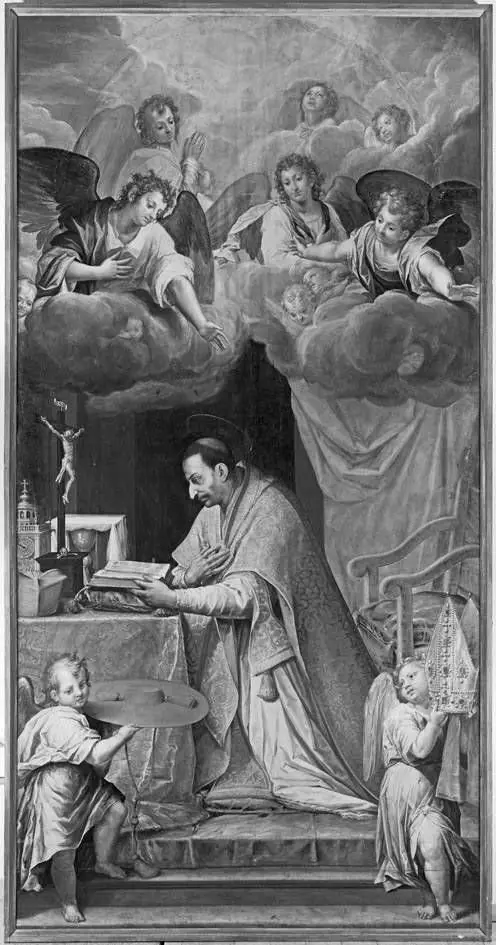 Der hl. Karl Borromäus im Gebet
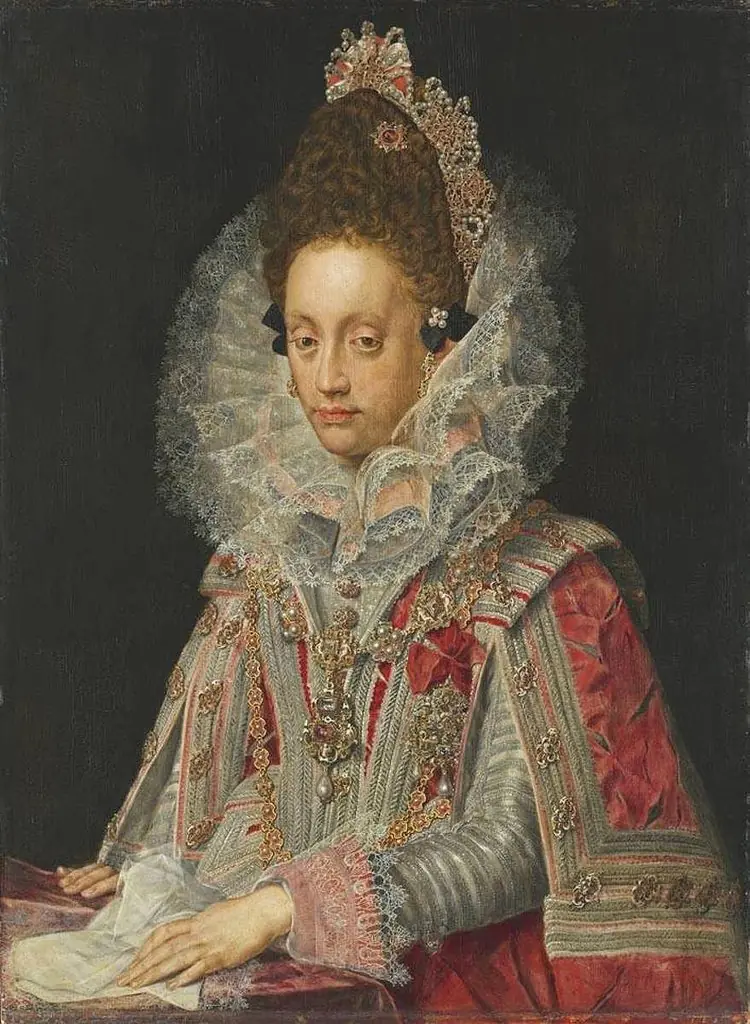 Bildnis der Herzogin Magdalena von Bayern, Gemahlin Herzog Wolfgang Wilhelms von Pfalz-Neuburg, im Hochzeitsstaat (1597-1628)
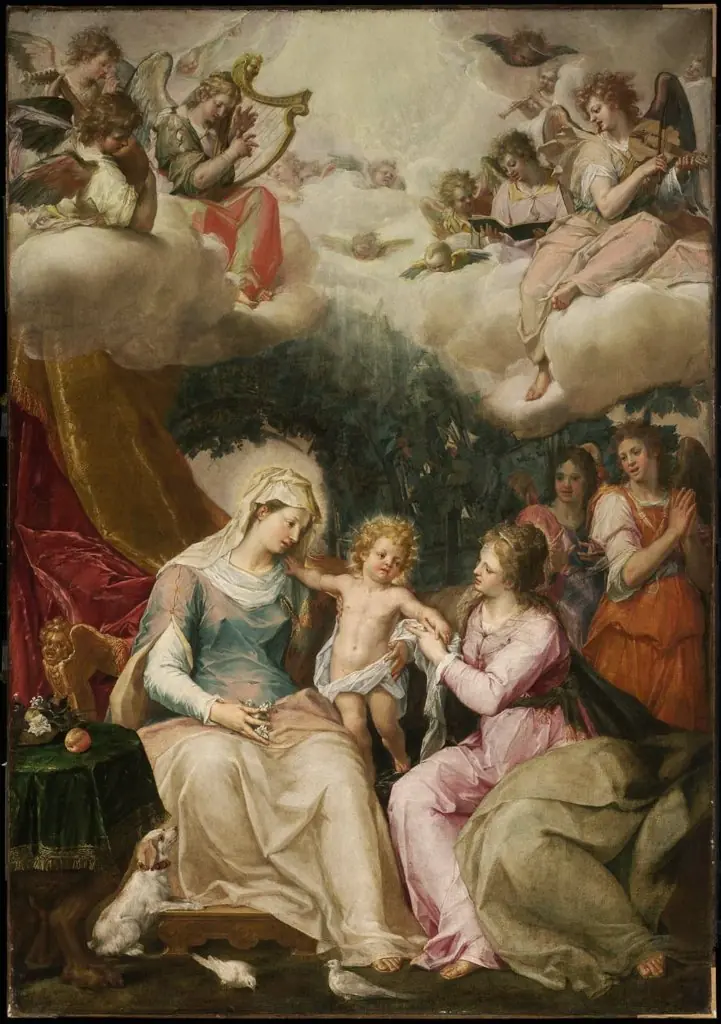 The Mystic Marriage of Saint Catherine
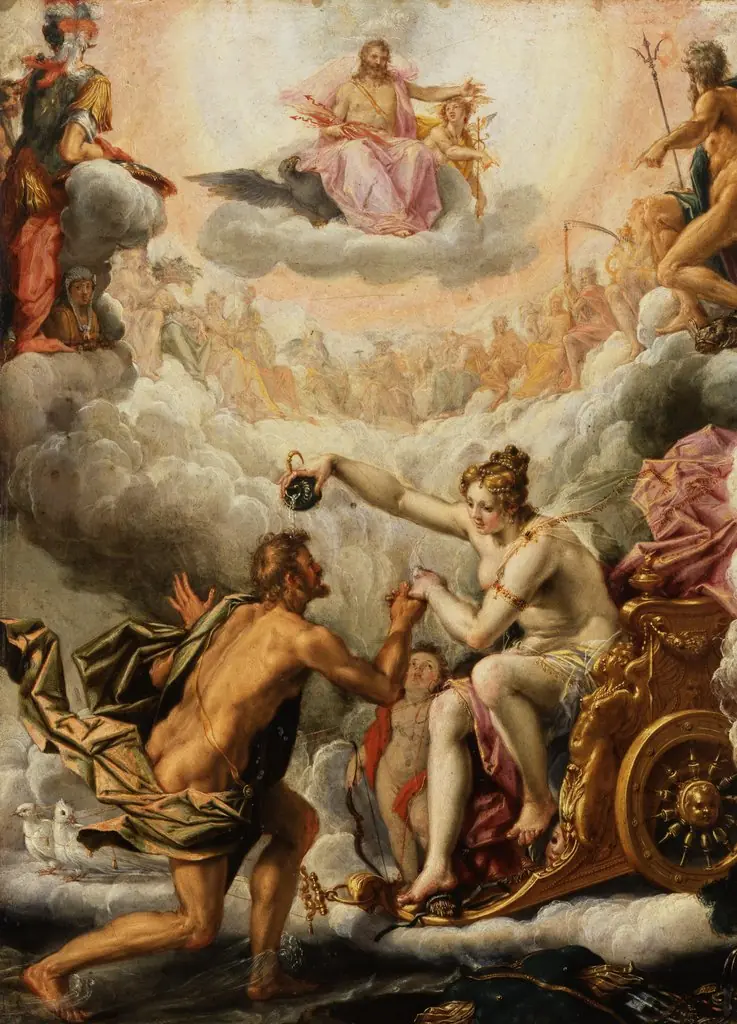 Aeneas wird von Venus in den Olymp aufgenommen
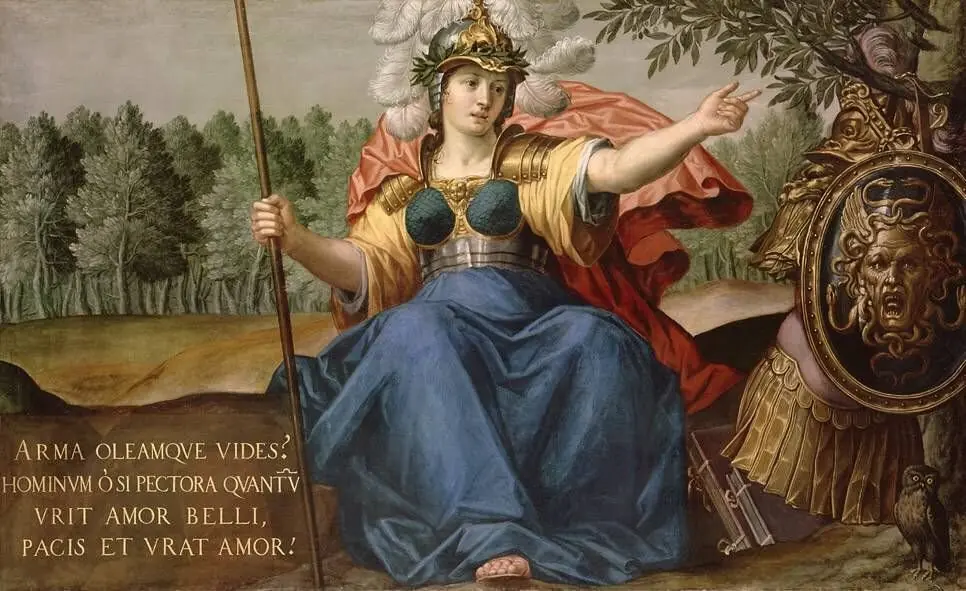 Minerva als Friedensbringerin (Werkstatt)
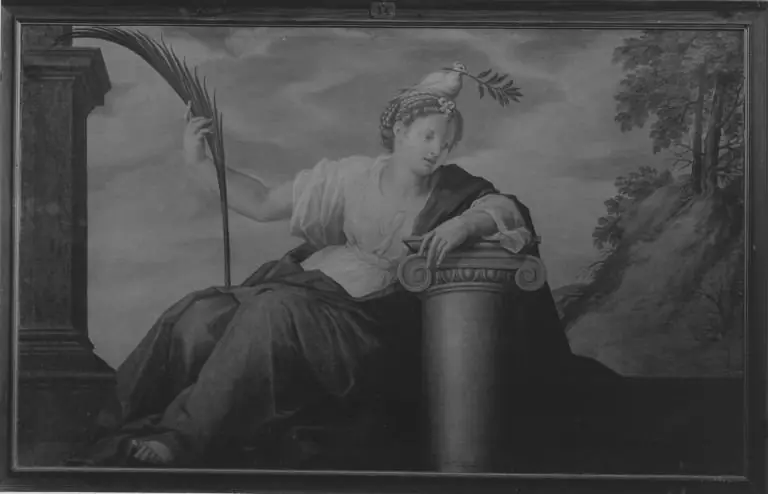 Securitas Publica (Werkstatt)
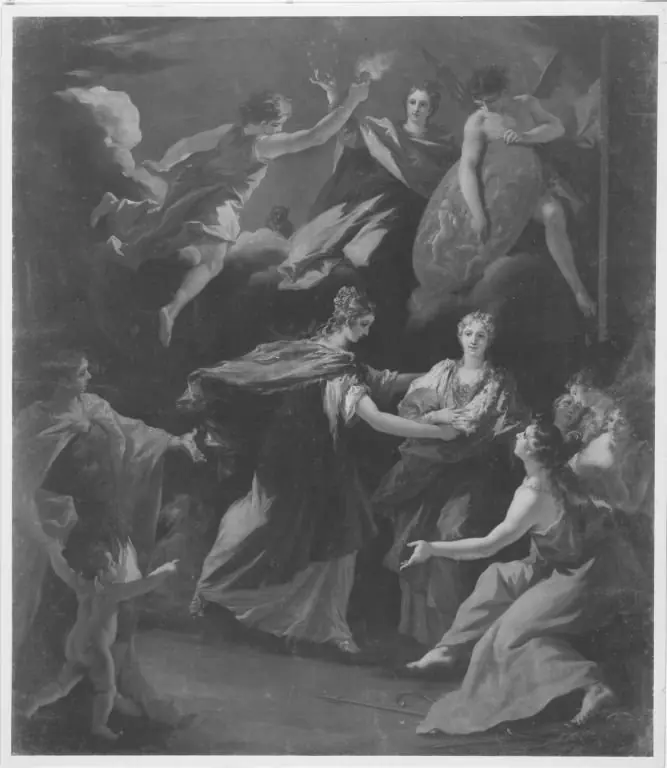 Begrüßung der Kurfürstin Maria Luisa von Toskana
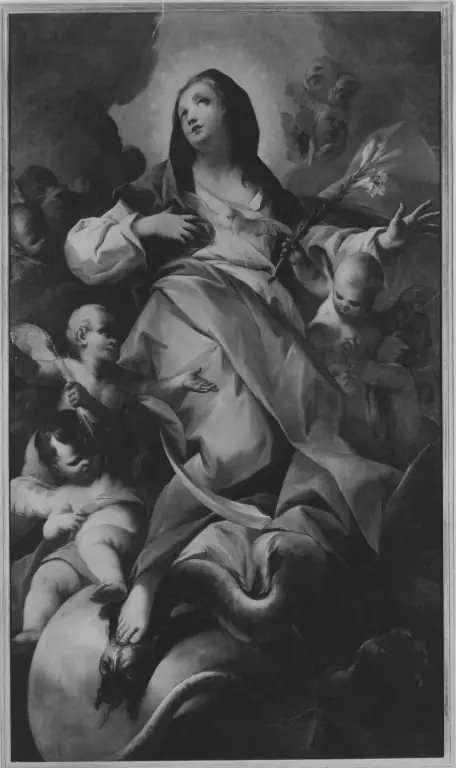 Unbefleckte Empfängnis
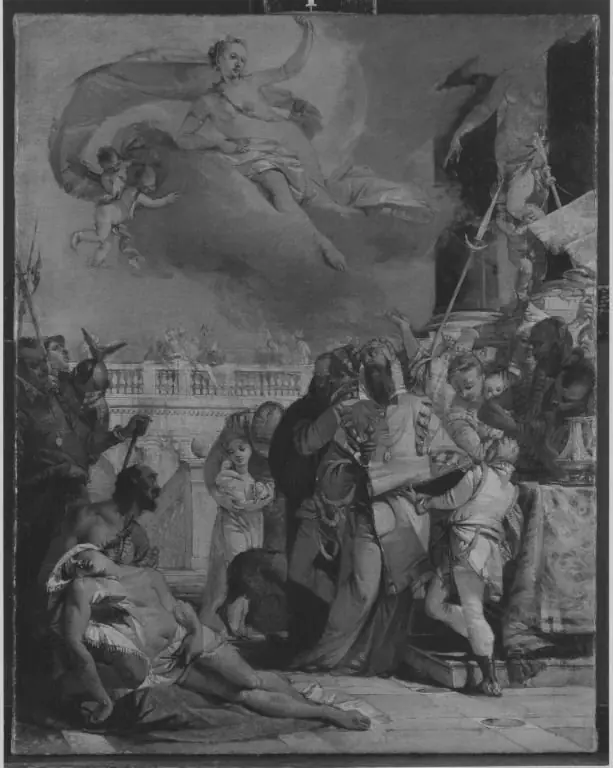 Opferung der Iphigenie
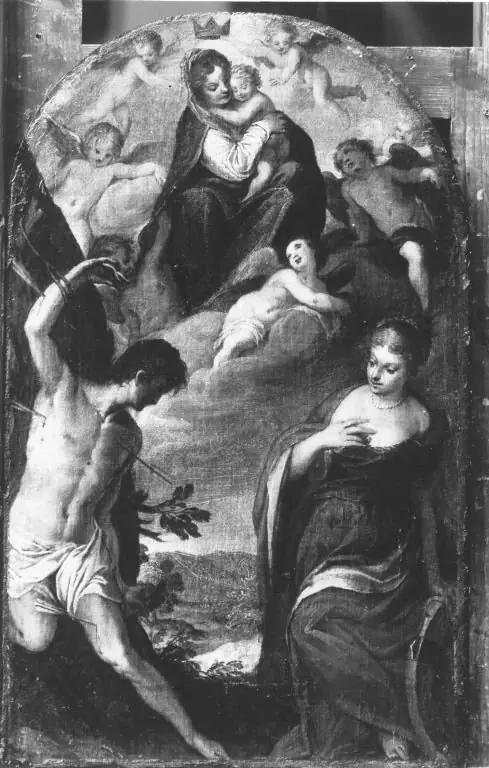 Maria mit Kind und den hll. Sebastian und Katharina (zugeschrieben)
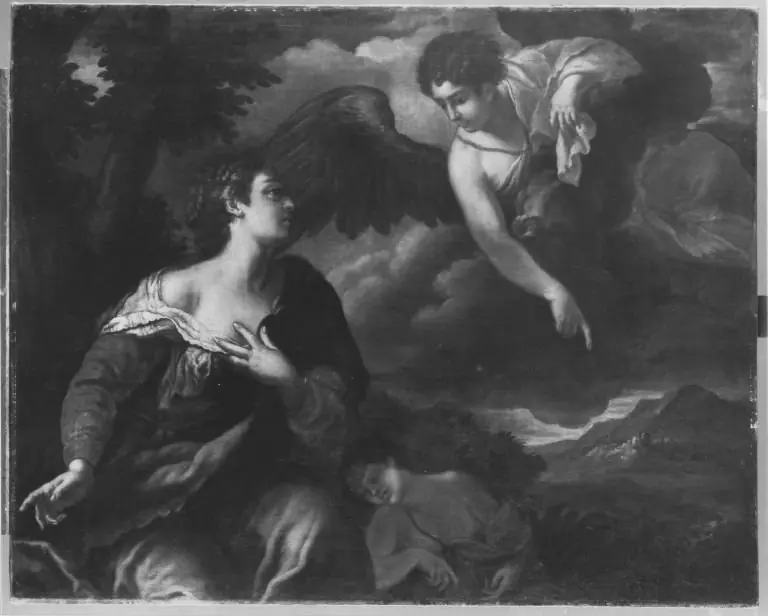 Hagar und Ismael
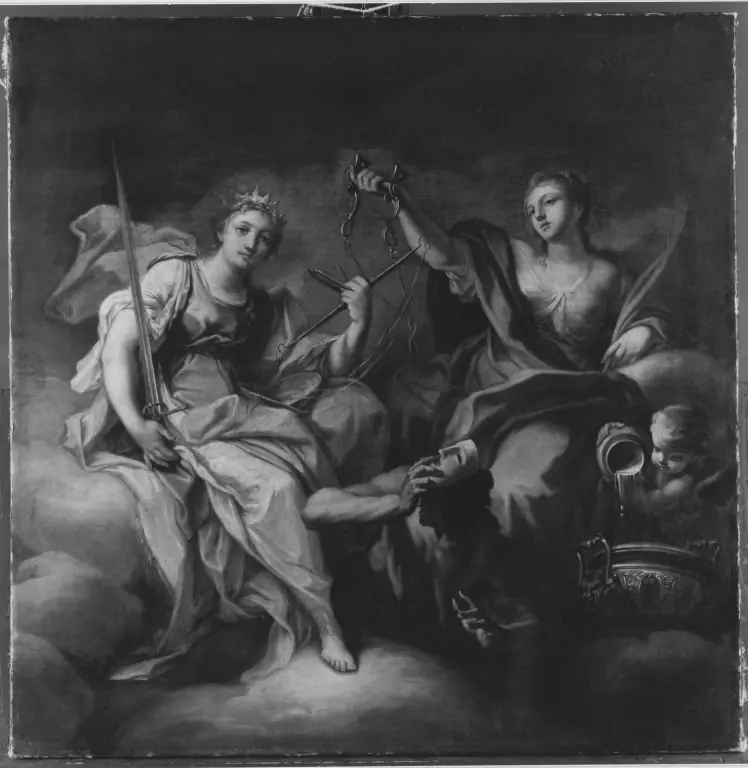 Justitia und Temperentia
 The Three Graces
 Allegorie auf den Tod einer Fürstin
 Flucht nach Ägypten (?)
 Kluge und törichte Jungfrauen
 Coronation of Mary
 Saint Jame's Vision of the Virgin of the Pillar