Artwork
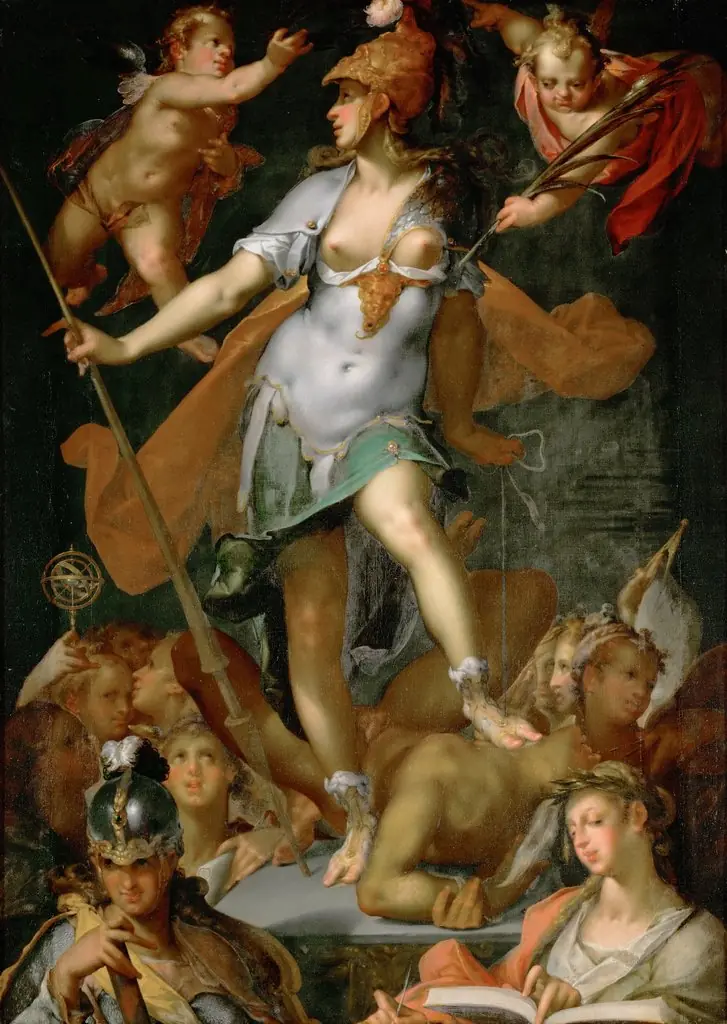
Minerva als Friedensbringerin (Werkstatt)
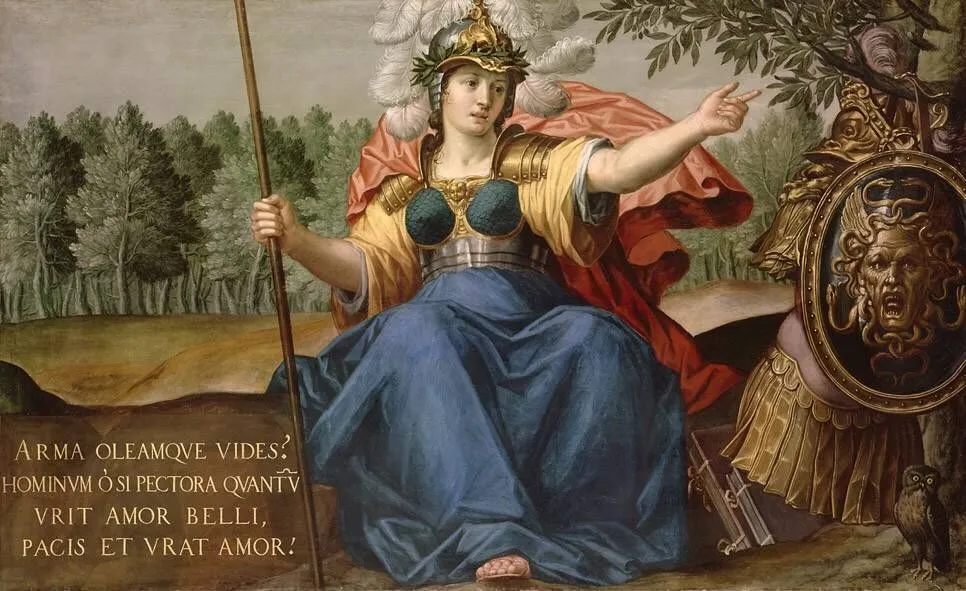
Minerva als Friedensbringerin (Werkstatt) is an unspecified painting by the Flemish Baroque painting artist Peter Candid. It dates from 1617 and is held in the collection of the Alte Pinakothek.
About this work
Overview
Peter Candid’s 1617 work titled *Minerva als Friedensbringerin (Werkstatt)* is an oil painting that resides in Munich’s Alte Pinakothek. Executed in the Flemish Baroque idiom, the piece combines a classical allegory with a compositional elegance rooted in the artist’s earlier Mannerist training.
Subject & Meaning
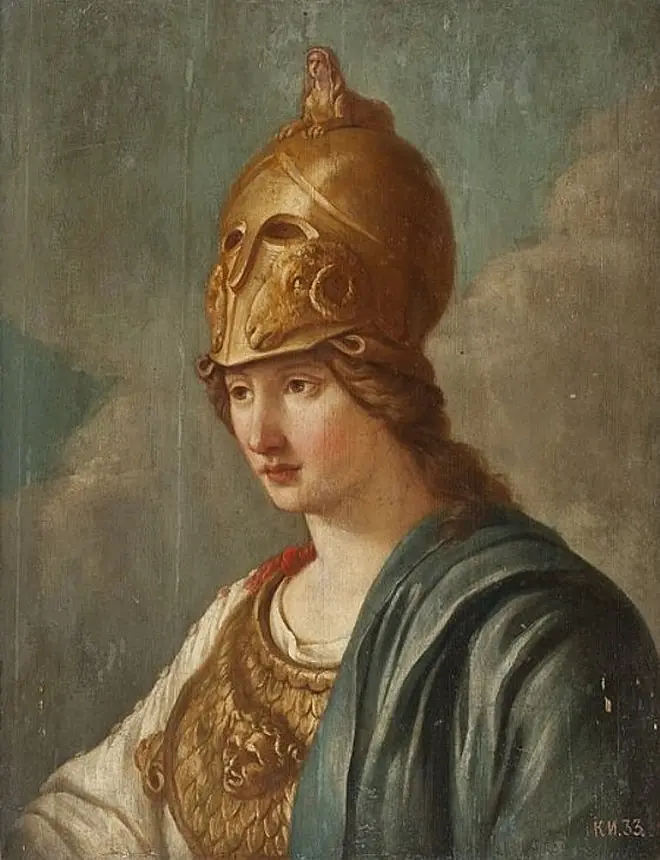
The composition presents the Roman goddess Minerva, identified by her helmet, spear, and shield bearing Medusa’s head, seated in a tranquil landscape. By offering symbols of peace, the figure embodies the early‑modern fascination with classical virtues, linking wisdom and martial prowess to the ideal of peaceful governance.
Technique & Style
Candid arranges the figure with a poised, slightly contrapposto stance, her right leg crossed over the left, and dresses her in a blue skirt, yellow tunic, and red cape. The delicate rendering of the feathered helmet and the soft modeling of the surrounding trees reflect a blend of precise Flemish detail and the elongated elegance typical of Mannerist composition.
History & Provenance
Born Peter de Witte in Flanders around 1548, the artist worked in Italy and Bavaria before serving the Medici in Florence and later the Bavarian dukes William V and Maximilian I in Munich. The painting entered the collection of the Alte Pinakothek, where it remains on display.
Context
Created during a period when Northern European courts embraced classical allegory to convey political messages, the work aligns with contemporary efforts to portray rulers as patrons of peace and learning. Minerva’s depiction as a bringer of peace reflects the early‑seventeenth‑century interest in harmonizing martial strength with civic virtue.
Artist & collection

Artist
Peter de Witte, known in Italy as Pietro Candido and in Bavaria as Peter Candid (c.

 The Annunciation
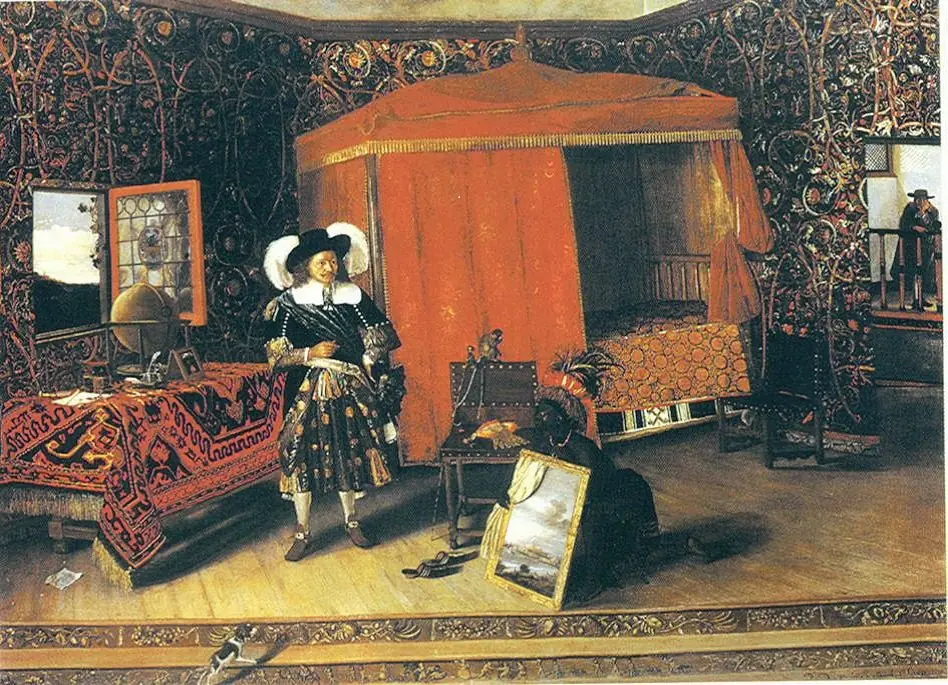 Portrait of Dirck Wilre with a Servant
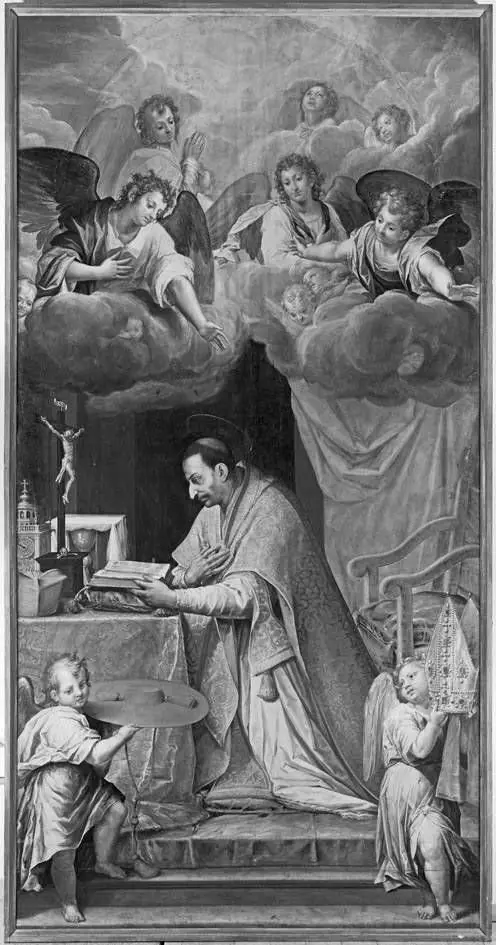 Der hl. Karl Borromäus im Gebet
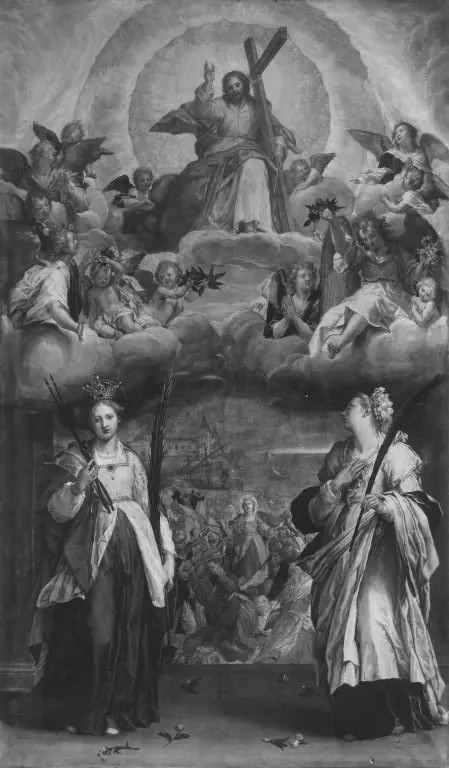 Die hll. Ursula und Cordula
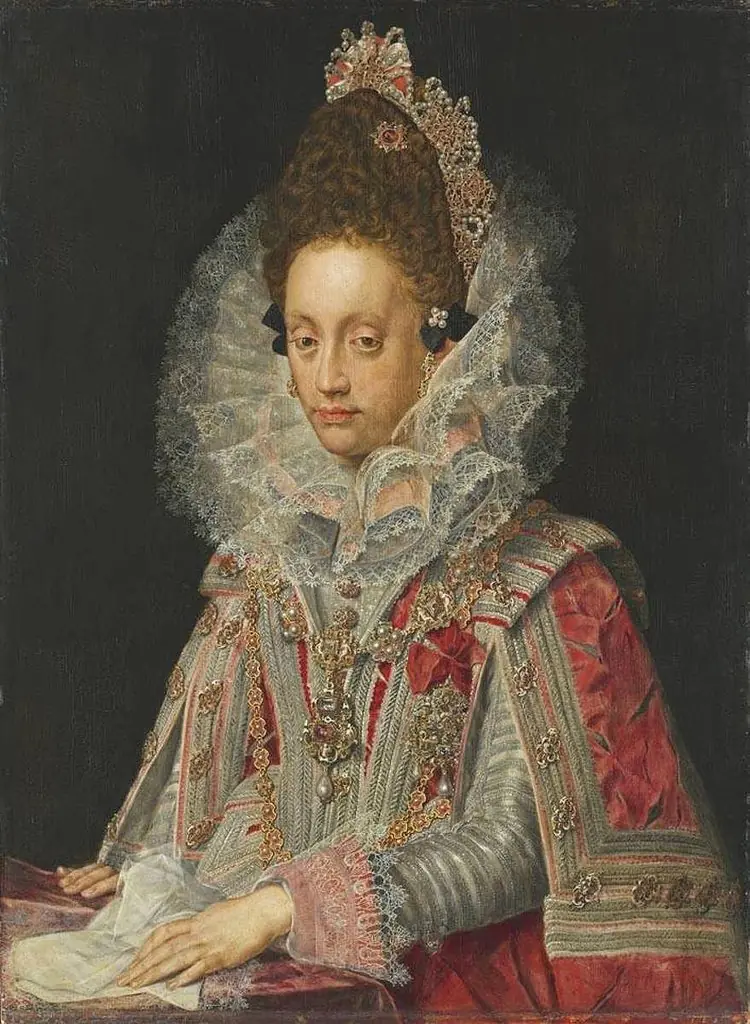 Bildnis der Herzogin Magdalena von Bayern, Gemahlin Herzog Wolfgang Wilhelms von Pfalz-Neuburg, im Hochzeitsstaat (1597-1628)
 The Mystic Marriage of Saint Catherine
 Aeneas wird von Venus in den Olymp aufgenommen
 Securitas Publica (Werkstatt)